
Going ‘beneath the surface’ on child care losses, solutions at state task force meeting

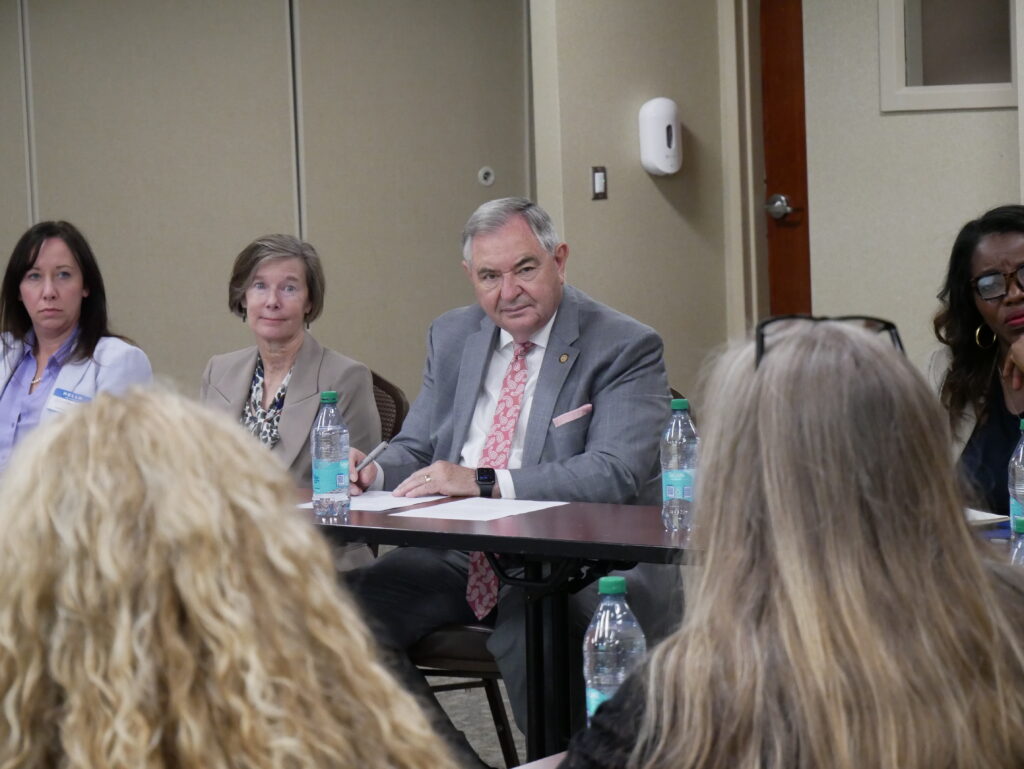
Most of the state’s loss of child care capacity in recent years has happened in rural communities, according to a new analysis from consultants at Afton Partners presented on Monday to members of the North Carolina Task Force on Child Care and Early Education. Child care needs statewide stabilization, the consultants said, but rural communities require targeted support.
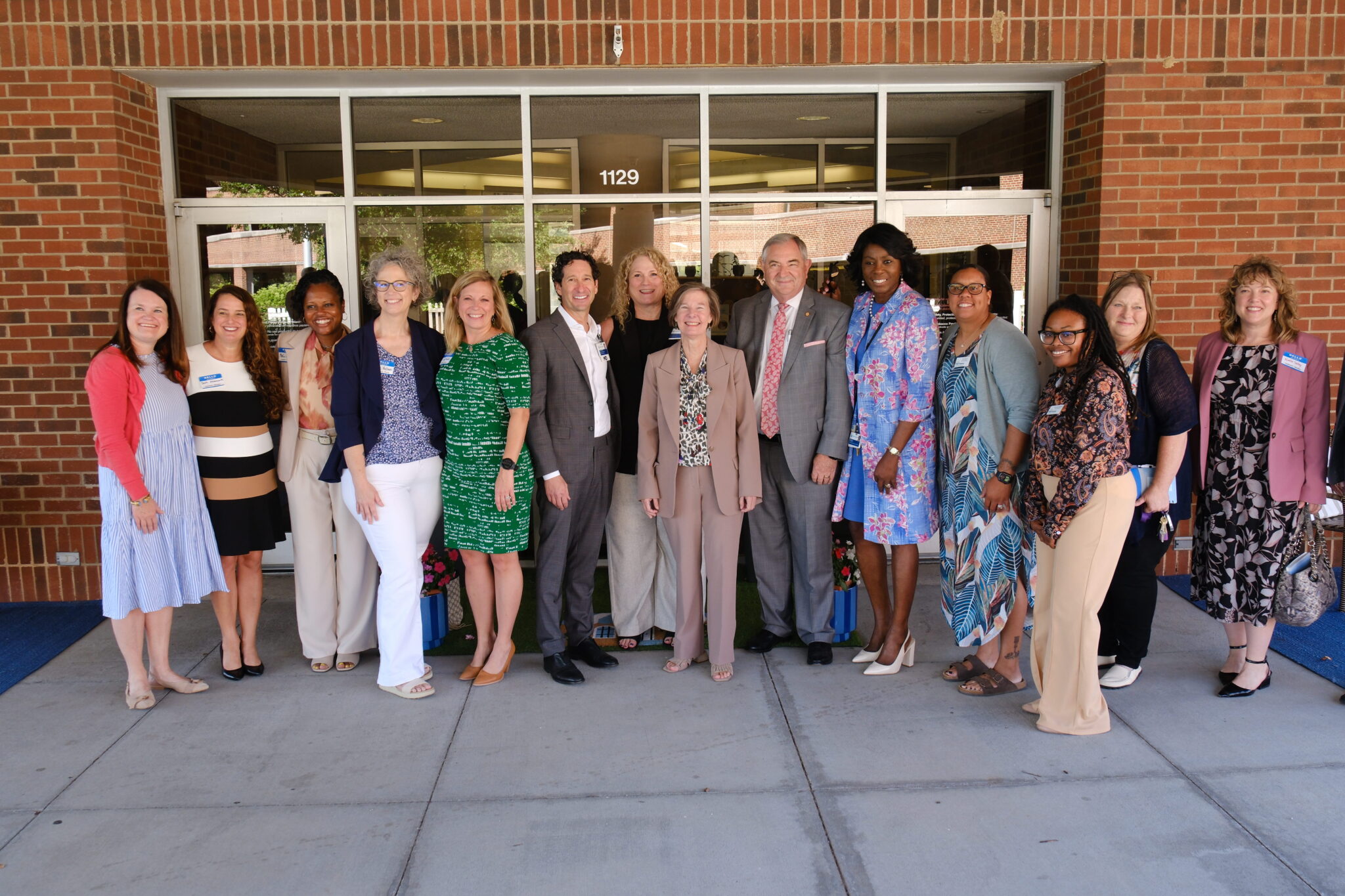
The presentation was an update from research the state task force commissioned to inform their short- and long-term approach to strengthening and expanding early care and education. Consultants provided an overview of the types and locations of child care closures, as well as strategies the state should consider to increase families’ access to child care and the supply of that care. Monday’s meeting was held at Moses Cone Hospital in Greensboro, which operates four child care centers for employees’ children and others through a partnership with national child care provider Bright Horizons.
Over the last year, the bipartisan task force, established by Gov. Josh Stein, has been exploring solutions to the lack of affordable, high-quality child care. In May, members of the task force and several business leaders called on legislators for increased investment this session into the child care subsidy program. The state’s budget is expected to be released this month.
“Let’s prioritize public investment in child care and early education this legislative session,” said Sen. Jim Burgin, R-Harnett, co-chair of the task force, at Monday’s meeting. “We know that, along with public investment, we must also encourage private sector innovation and leadership.”
 Sign up for Early Bird, our newsletter on all things early childhood.
Breaking down child care loss
Before deciding which policies and strategies would be most effective in strengthening child care, the Afton researchers dug into the state’s recent loss in providers and capacity. The Office of the Governor received funding and technical assistance from Blue Meridian Partners and The Duke Endowment for the study.
Overall, the state has lost about 12% of licensed child care providers in the last seven years, according to the Afton analysis. Most of that loss has been in rural places.
From October 2019 to March 2026, rural communities have experienced a net loss of 271 providers (a 12.1% decline) and 5,122 slots (a 4.3% decline). Suburban areas have lost 143 sites (a 9.3% decline) and 139 slots (a .1% decline), and urban places have lost 269 net sites (a 9.3% decline) and 807 slots (a .5% decline).
Small child care programs like small centers and family child care homes make up the majority of closures, according to the Afton research. The state has lost 29% of family child care homes and 19% of its small child care centers in the last seven years, while mid-size centers and school-based programs have remained stable. The state has gained large child care centers, mainly in urban areas.
Aressa Coley, a senior director at Afton Partners, gave two county examples to highlight these trends. Wake County lost a net of 41 providers since 2019, most of which were small centers and home-based programs. However, the addition of large centers has actually increased the county’s licensed capacity by about 4,000 slots.
In rural Transylvania County, however, its loss of three providers has not been offset by large center openings. The county has lost 91 slots over the same period.
“When we look beneath the surface, we actually can see a much more drastic shift in the types of providers that are closing and how it impacts different regions of the state,” Coley said.
Expanded wage supplements, child care for teachers, NC Pre-K investment
Afton consultants are presenting a wide range of strategies to address child care challenges, which will be public by June 30. They fall into three categories: stabilization, targeted support in fragile places like rural communities, and long-term transformation. The group has analyzed the strategies’ impacts on access and workforce, as well as their political feasibility, cost, and long-term sustainability.
For example, the Afton analysis found a statewide subsidy floor, which is advocates’ and the task force’s top legislative ask this session, is the highest cost and highest impact strategy. The group estimates it would cost the state about $217 million per year and add an additional 33,000 child care slots.
A subsidy floor would mean that child care providers participating in the state’s subsidy program would receive reimbursement rates equal at least to the state’s average rate instead of the widely varying current rates. This would be particularly helpful in rural places with low rates, said Kaitlyn McGovern, a director at the firm.
Another considered strategy, reducing zoning restrictions for child care programs, would be no cost to the state and adds slightly more capacity at an estimated 1,500 slots, mostly in family child care homes.
Related reads



McGovern outlined three additional recommended strategies:
1. Expanding the WAGE$ program statewide, which offers education-based salary supplements to early childhood educators in 67 of the 100 counties.
This would cost the state about $32 million per year and would cover 12,000 additional teachers. Teachers who receive the supplements are more likely to stay in the classroom, with an average 13% turnover rate among participants compared to a 38% statewide average turnover rate. A recent expansion of the program in Iowa had a positive impact on the stability of the child care workforce, Afton consultants said.
2. Expanding child care subsidy eligibility to child care teachers regardless of income, which would cost the state about $77 million annually and impact 2,900 teachers.
This would not only benefit teachers with young children, but might attract new individuals to the field, the consultants said. It would also help stabilize providers who already provided discounted tuition rates by removing that financial burden.
3. Investing in NC Pre-K, the state’s public preschool program for at-risk 4-year-olds, so that the state covers half of the cost of providing the program.
This would cost the state an additional $70 million annually and help providers cover the cost of the program, keep providers from opting out, and help with the recruitment and retention of teachers.
‘What we offer here shouldn’t be anything special’
Leaders at Moses Cone Hospital gave a tour to task force members before their meeting Monday and shared how and why they support the child care needs of their employees and communities.
Cone Health employees’ children are served across four child care programs. The hospital operates two programs in Greensboro, including their largest center on Moses Cone Hospital’s campus, which serves 180 children. The company also operates a center in Burlington and one in Reidsville (its smallest, serving 65 children).
When there is space, the programs also serve children of the larger medical workforce. The Reidsville program also serves community members.
The organization also offers back-up and in-home care for emergencies or when children are mildly ill. Employees can also access discounted care at partner providers.
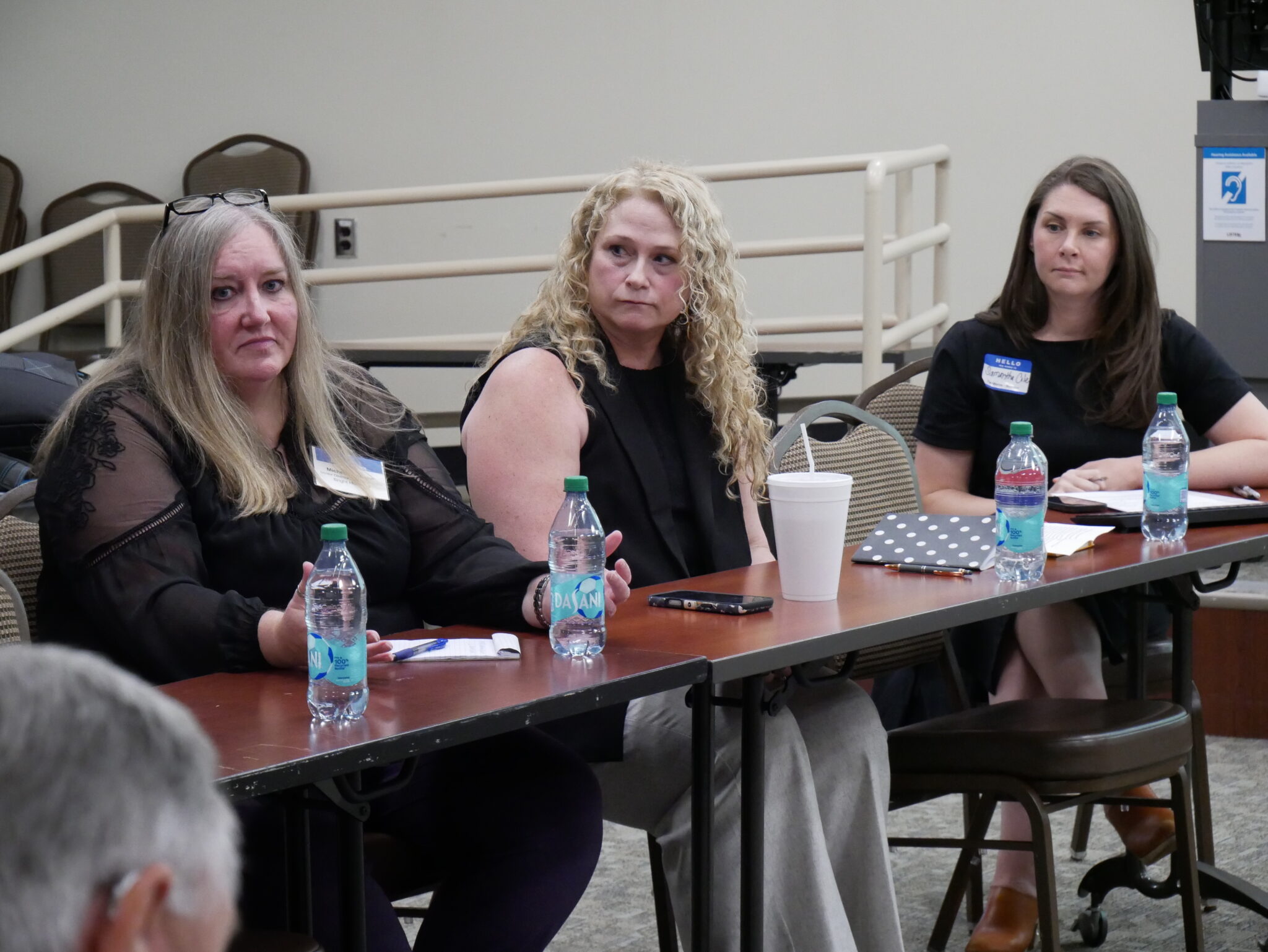
Cone Health invests about $40,000 per center per month, said Ellen Pancoast, vice president of people operations at the company. Some centers offer tiered tuition levels. The organization also further subsidizes tuition for families below a certain income level.
“It is expensive to do this, and to do it in a particular way, and what we offer here shouldn’t be anything special,” said Pancoast, who is also a task force member. “It should just be what every little person has the right to have access to for their foundation for moving forward in their lives.”
Pancoast said they do believe their child care provisions have led to increased recruitment and retention of employees in a challenging market.
“We really do have to try to make sure we are doing things that can help us stand out from the crowd, and having these incredible child care centers is one way that we believe we can do that,” she said. “Our culture is another, and our culture is one that supports having these child care centers. They go hand in hand.”
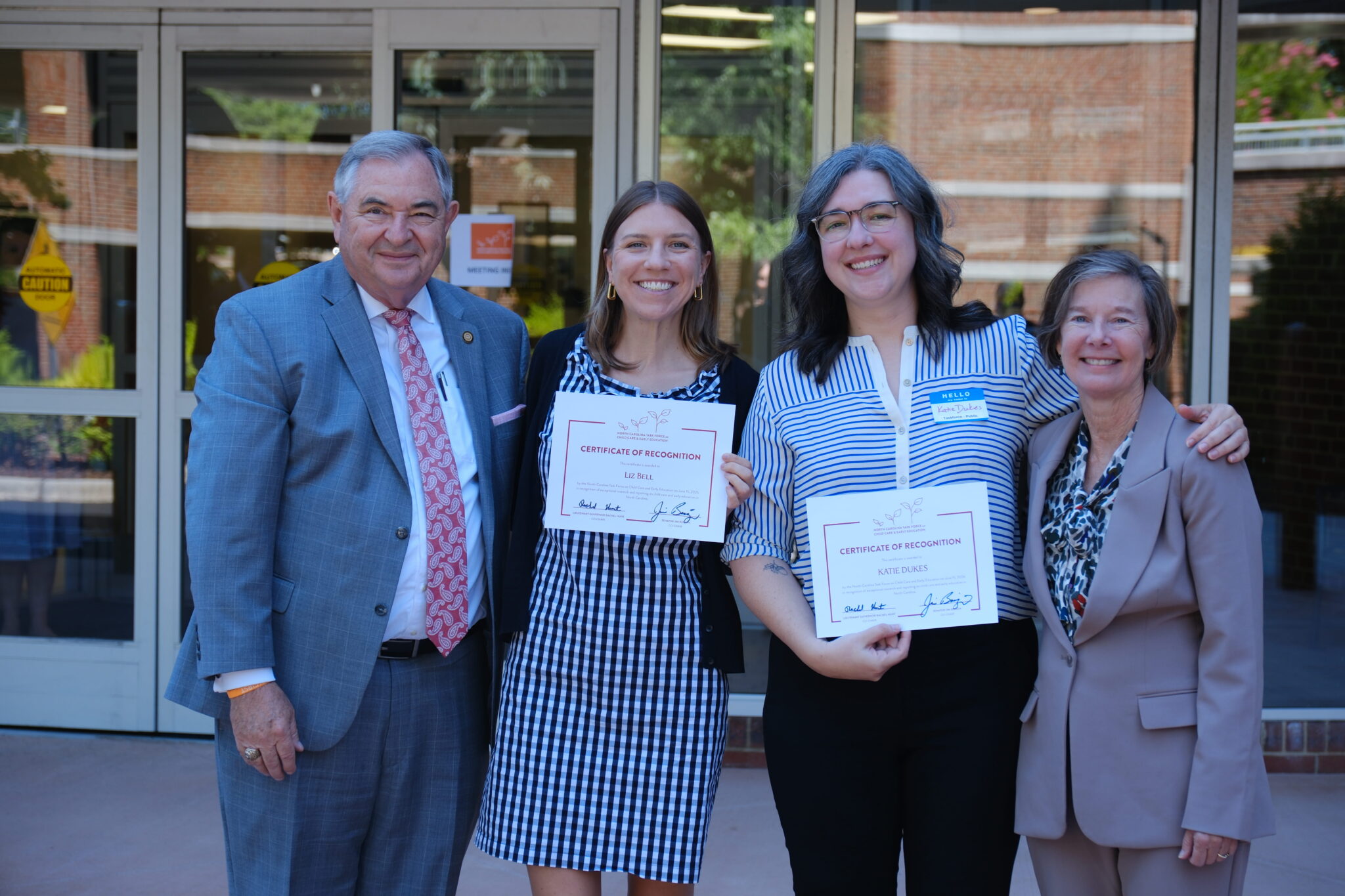
Editor’s note: At the end of Monday’s meeting, co-chairs Burgin and Lt. Gov. Rachel Hunt thanked EdNC’s Katie Dukes and Liz Bell for their reporting and research on child care as they both transition out of state and from their roles at EdNC at the end of June. The task force presented them with certificates of recognition for their work.
“Liz Bell and Katie Dukes from EdNC shed light on the value of child care, early education, young children, working families, and our economy. This research and your reporting has helped move stakeholders to get more involved,” Burgin said.
The Duke Endowment supports the work of EdNC.
Correction: A previous version of this article misidentified an Afton consultant.