
Youth-led work is helping these nonprofits make a difference in their communities

Dreamers. Innovators. Table-flippers.
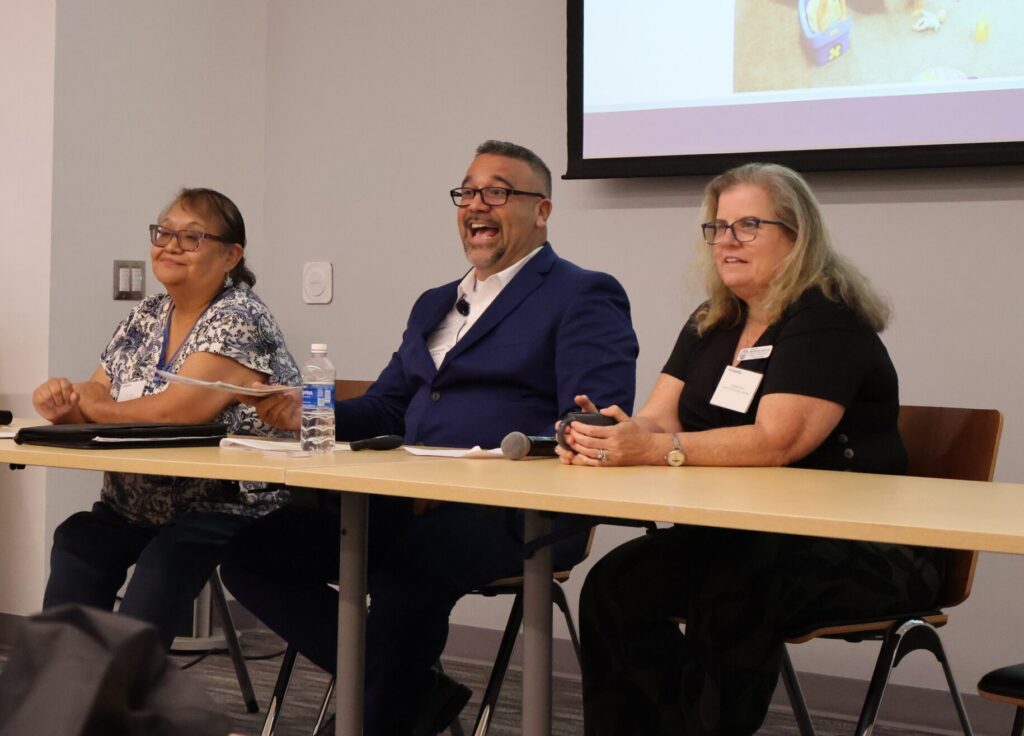
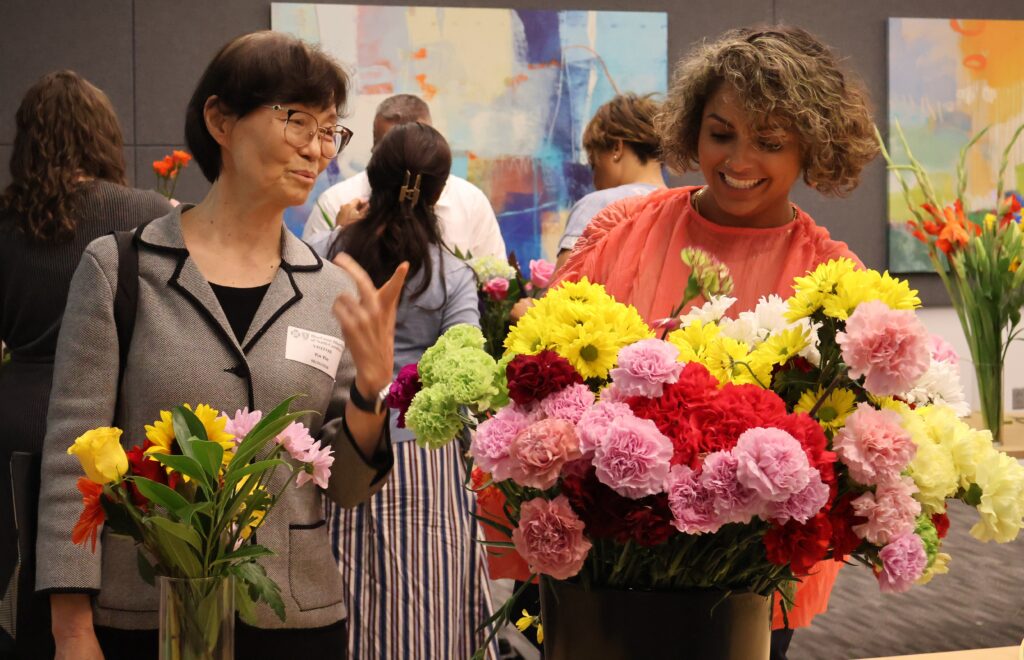
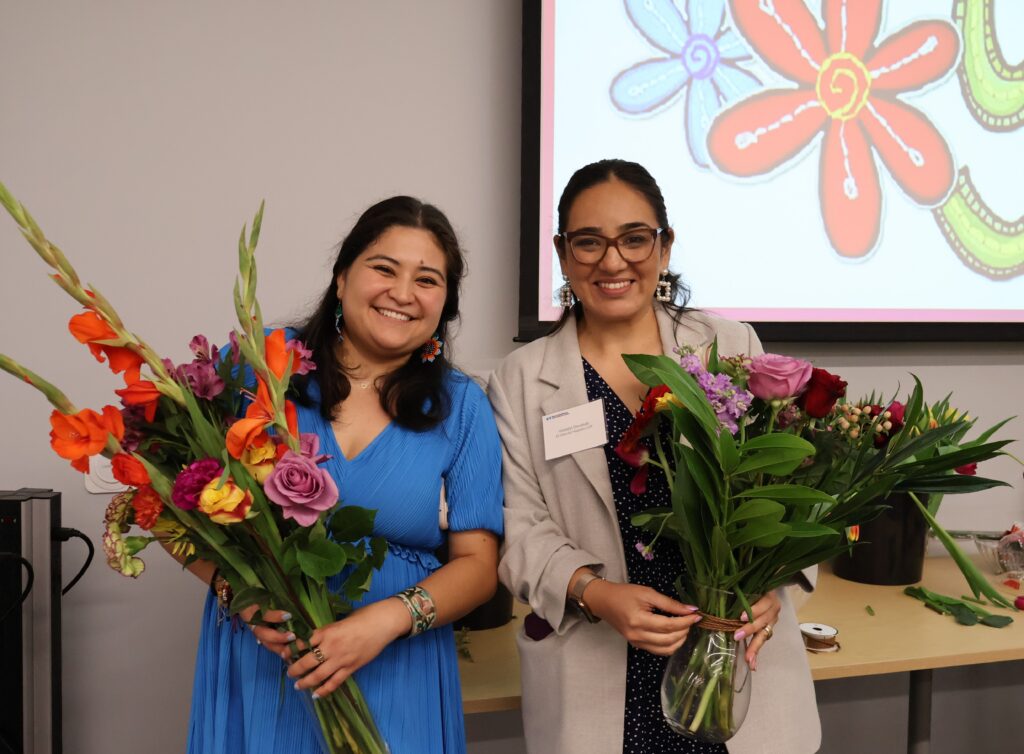
These are a handful of the words nonprofit and community-based organization leaders used to introduce themselves to one another on Aug. 20 at the “Strengthening Youth Mental Health Together Convening.”
Organized and hosted by the Blue Cross and Blue Shield of North Carolina Foundation, the event gathered many of the foundation’s youth mental health community grantee partners. The grantees’ work aims to “reduce stigma, promote mental health literacy, and help young people feel seen, supported, and connected,” according to the Blue Cross NC Foundation’s website.
At the convening, several grantees shared the vision behind their work. A through line, they found, is their commitment to building spaces where the young people each organization serves feels empowered to create the programming they want to experience.
“I don’t think that we have a special sauce or magic recipe to engage youth. We just kind of listen to them,” said Luke Jarvis, the executive director of Wilkes Youth Life Development (WYLD), a nonprofit that has been serving Wilkes County since Jarvis founded the organization after the COVID-19 pandemic.
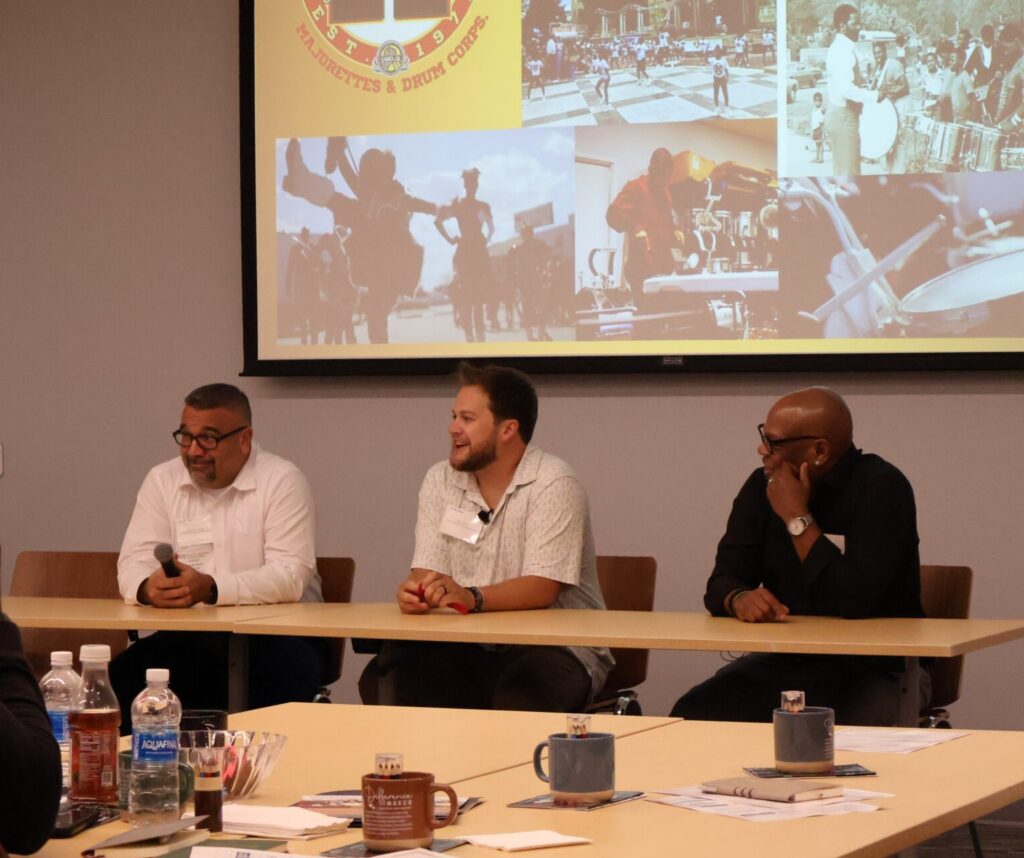
Wilkes Youth Life Development launched its first program, the Teen Action Council, in 2022 to connect students with community service, advocacy, and each other.
Since then, Wilkes Youth Life Development’s programs have grown to include Lead Appalachia, a conference planned and led by young people, Sweet Dreams of Wilkes, a community service initiative that delivers sleeping arrangements to families in need, and, most recently, The WYLD Lands, a summer camp the students helped design to address high screen times and the area’s need for childcare, according to Jarvis.
At the programs’ core, Jarvis said, is letting students lead and own their creation. When Jarvis asked students on the Teen Action Council for ideas on how to create a source of funding, for example, the Change Wagon was born. The food truck partners with local farmers and producers to sell pay-as-you-can meals to the local community while simultaneously providing workforce development opportunities to its 17-to-24-year-old employees.
“My challenge to you guys is: Are you listening to your kids? Do you have kids you’re listening to?” Jarvis asked other community organizations at the convening. “Are you going to be a youth-serving organization that’s serving youth as adults serving youth, or are you going to be a youth-serving organization that has youth beside you and you’re serving with them.”
Young people are leading the programs they want to experience in Buncombe County, too.
At the August convening, Michael Hayes told the story of how the Umoja Health, Wellness & Justice Collective’s H.O.P.E. 4 The Future program originated in 2020 and grew from 32 high school students gathered in Erwin Middle School’s cafeteria to an ongoing program that serves students through its after-school and summer camp programs.
Since the first meeting in 2020, Hayes, the founder and executive director of Umoja, said the program’s purpose has been to empower students by sharing culture, trauma resiliency skills, restorative practices, and positive affirmations with students.
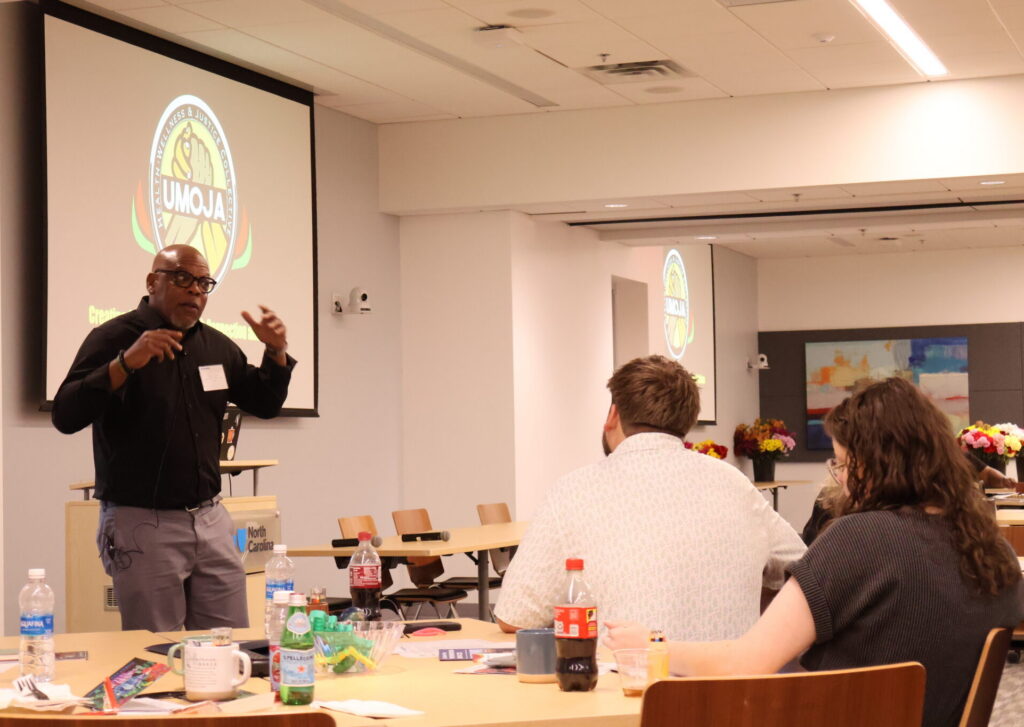
Hayes described one H.O.P.E. 4 the Future meeting where students began to unpack their own traumatic experiences with each other. Adults left the room, he said, to give students the space to put into practice the skills they had learned and rely on each other for support. Hayes said the students spoke for hours.
“There is no way this wasn’t peer support work at its finest,” Hayes said. “I can’t teach them to do that, I can only make room so they can learn more, and more, and more, and more.”
 Sign up for the EdDaily to start each weekday with the top education news.
Connecting practice with data and research
The grantee convening took place days after the North Carolina Department of Public Instruction (DPI) presented the state’s 2025 Youth Risk Behavior Survey data at the State Board of Education’s August meeting.
While not part of the convening’s discussion, promising results from the survey reflect the work schools and community organizations have invested in to support young people’s well-being.
The survey data, consisting of anonymous responses from nearly 1,700 high school students, reported progress in a handful of categories, including measures of students’ mental health needs. While the progress is positive, NC Healthy Schools Section Chief Ellen Essick told the State Board that students’ mental health remains an “area of concern.”
New to the survey this year through a partnership with the state’s Essentials for Childhood Initiative, the survey measured adverse childhood experiences (ACEs). ACEs are circumstances students live through outside of school that negatively affect their well-being, such as experiencing food insecurity or unstable housing.
“Those are those things, not student behavior, but things that happen in students’ lives that influence their school readiness, their attendance, their learning, their behavior,” Essick told the Board.
According to a separate 2025 report authored by the the North Carolina Institute of Medicine’s Task Force on Essentials for Childhood Update Committee, strategies to address children’s needs, historically, have often taken a deficit-oriented approach.
By emphasizing positive childhood experiences (PCEs) — experiences children have that foster safe, stable, nurturing relationships and environments that promote child brain development and positive health outcomes — the report says that stakeholders can “create more comprehensive strategies that build upon positive factors and protective elements to help children thrive.”
And, by centering youth voices, the organizations at the August convening are creating experiences like these with young people across the state.
“This work is youth-driven, and the way that you’re incorporating youth and centering the youth in the work makes it even more impactful as we go,” Ruby Brown-Herring, CEO of RBH Wellness Solutions and the convening’s primary facilitator, told convening attendees.
Editor’s note: The Blue Cross and Blue Shield of North Carolina Foundation supports the work of EdNC.