
U.S. Department of Ed releases playbook on student cellphone use

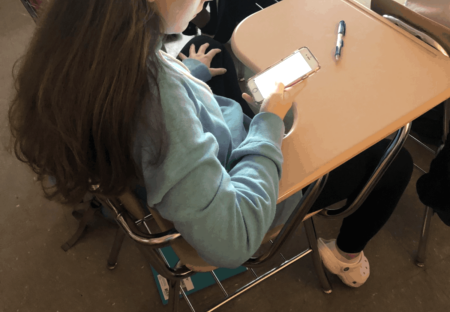
The U.S. Department of Education has issued a new resource, Planning Together: A Playbook for Student Personal Device Policies, which education leaders can use to design policies for use of cellphones and other personal devices in schools alongside educators, students, parents, and caregivers, according to a press release.
The playbook addresses the following questions:
- When can students have access to phones?
- When phone use is not permitted, where and how are phones stored?
- How are emergencies or dangerous circumstances handled? How do parents and children
communicate? How and when do schools and districts communicate with parents during
emergencies? - How do policies protect the rights of students, including students with disabilities, adhering to their individualized education plan? Are there other considerations for underserved students such as English Language learners?
- What are the appropriate consequences when a student doesn’t follow school policies?
- How do policies vary with the ages of students?
- Who is responsible for monitoring and enforcing policies?
- What training is provided for staff and students?
- What is the best approach to rolling out new policies?
- How can school districts and schools assess whether policies are working and how to refine them?
It discusses how to build a shared understanding of the needs and concerns surrounding cellphones in a school community, and recommendations for addressing them through clear and consistent policies.
“I want our department to be a resource to school leaders. That is why we are issuing a new guide to help support education officials and local communities in developing policies that are understandable and enforceable, and prioritize learning while ensuring student safety. The evidence makes clear: there is no one-size-fits-all policy. Different school communities have different needs, and the nuances of this issue demand that local voices — parents, educators, and students — inform local decisions around the use of personal devices in school.
— U.S. Secretary of Education Miguel Cardona
Phones play an important role in helping parents keep in touch with their children, says the press release, especially in emergencies.
But the U.S. Department of Education says a growing body of evidence is cause for concern about the impact of cellphones in schools and on students.
“In addition to impacting the ability of students to stay on task and focus during class, social media accessed on cellphones may also have negative health effects for some young people like depression and suicidal ideation, sleep disruption, or exposure to cyberbullying,” says the press release.
The playbook encourages each school or school district to develop a policy or set of guardrails that fits their local context and a framework for collaboratively developing the details of the policy and its implementation. Developed in consultation with researcher and practitioner experts from across the country, the playbook focuses on three key principles, according to the website:
1. When co-designed with diverse and representative stakeholders – including students, educators, parents and caregivers, and school leaders – device policies can result in improved stakeholder buy-in and increased potential for success.
2. Potential for success is enhanced when there is broad awareness and a shared stake in participating in and implementing device policies. School leaders should effectively enforce these policies and ensure accountability for their implementation. Educators should advance effective classroom culture and norms for teaching and learning to accompany their school’s device policy.
3. Device policies should be paired with an emphasis on digital citizenship at school and at home, including systemic, evidence-based approaches for teaching adults and children about how to keep students safe, healthy, and productive in online spaces.
The playbook makes clear that schools, educators, students, and parents share responsibility for preparing students to be digital citizens who can navigate the digital world responsibly and constructively.