
Through building a business, students find a vision for their future

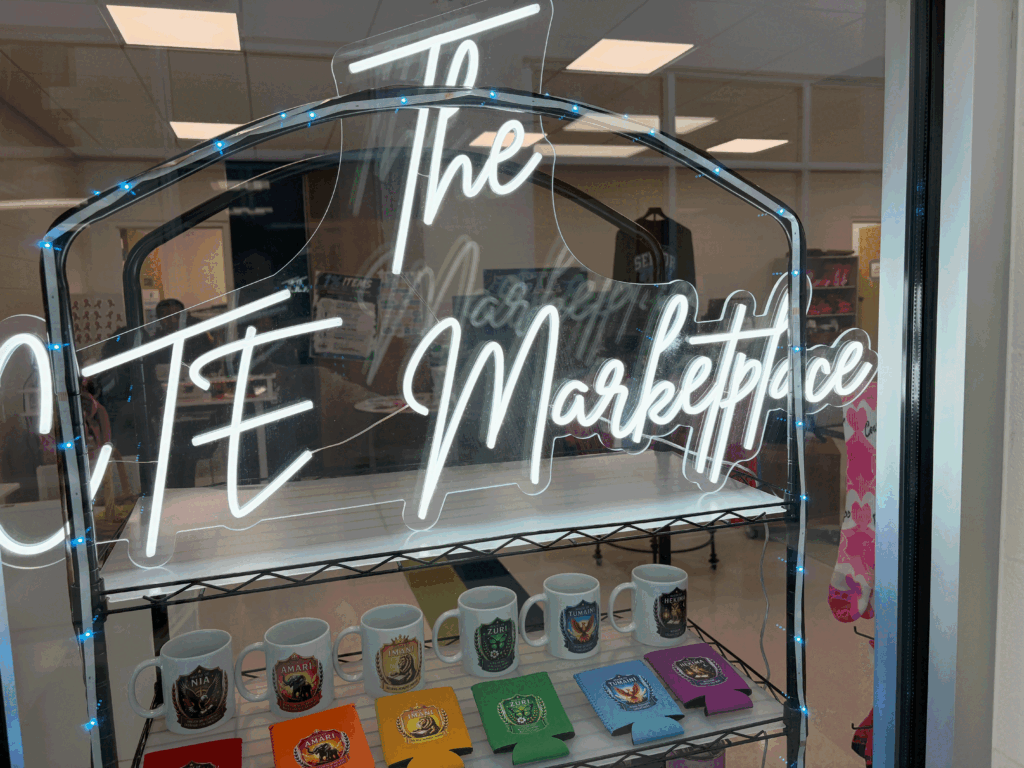
Enter Washington County High School, and right across the hall, the students are on a deadline. Homecoming is in eight days. They are designing and printing dozens of custom shirts.
“Homecoming orders, I feel like it’s going to get hectic,” said Shan’ylia Pledger, a senior.
The Washington County students are leading a marketplace selling custom merchandise to the school and broader community. Called the CTE (Career and Technical Education) Marketplace, or the Marketplace for short, the goal is to make sure these students can be creative in building their own lives.
 Sign up for the EdWeekly, a Friday roundup of the most important education news of the week.
Denise Harris, the career development coordinator, came up with the Marketplace as a way to get students pay and work experience. She started her career as an accountant before entering education through her church and has dreamed of the Marketplace for 10 years. She personally recruited students, including Amarion Keyes, the only junior working at the Marketplace, who has his own clothing brand on the side.
Harris called Keyes’ mother to see if he’d want to take part. He and other students started working over the summer and opened the doors in August. They sell shirts to the proud grandmas of cheerleaders, custom polos to the superintendent, and hoodies to the football coaches. Keyes designed the “pink-out” shirt, one of their best sellers.
Dajahray Clagon, a senior, is learning to meet new people along with the technical skills of screen printing. Clagon wants to stay in Washington County and be a special education teacher.
Her oldest brother is her best friend, and they go everywhere together. Because of a disability, he can’t walk or talk, but his smile gives her motivation.
“His spirit can brighten you up,” she said. “Everything I do, I do it for him. He just motivates me to want to do more, to do better, to get up to try new things. He put that in my body.”
On Mondays, the Marketplace opens to the broader community, and anyone can enter to place an order. The rest of the week, it’s open to staff and students, and the broader community can order online.
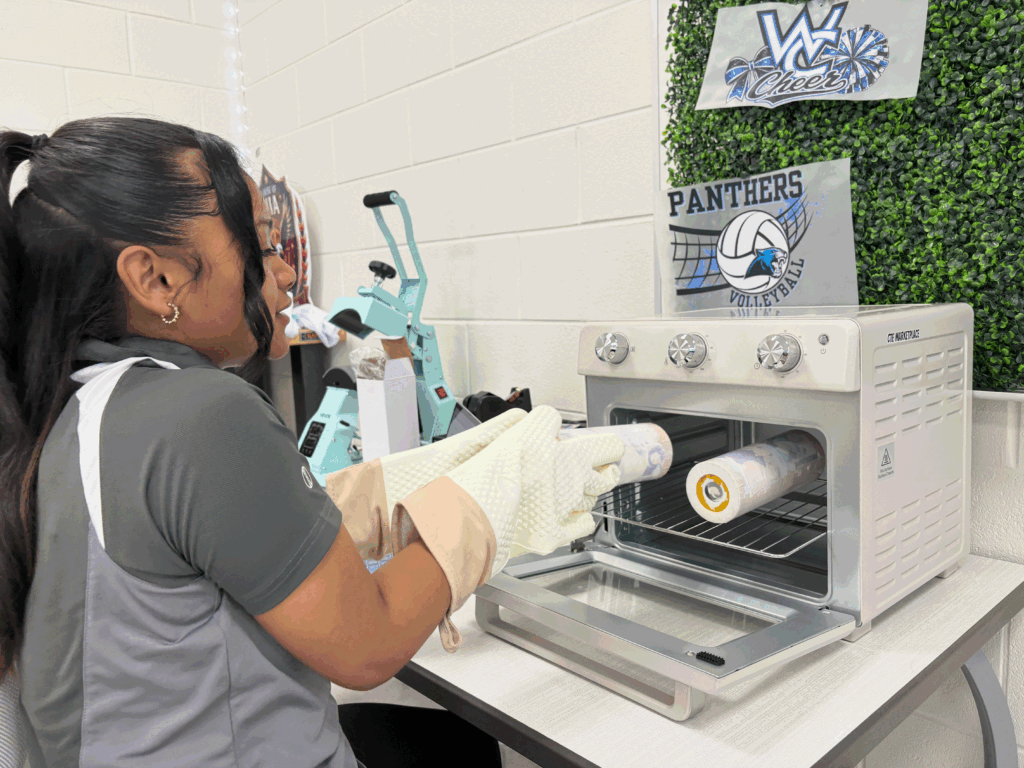
Pledger manages the website for the Marketplace. On a recent school day, she monitored the site while creating a custom tumbler for a client. It’s her first job, and she enjoys the chaos.
“It teaches you accountability,” she said. “It teaches you leadership, being responsible, and just life skills.”
When an order comes in online or in person, Pledger or a different student takes the order. They then work with a designer on contract with the school to finalize the design. The students use a screen printer to apply the design to anything from tumblers to koozies to hoodies.
Pledger is in competition with her friends for first in the senior class. She wants to go to college and be both a therapist and broadcast journalist, ideally up north.
More than 90% of Washington County High School students take CTE courses, according to Harris. Many students finish several.
Related reading
Before their shift at the Marketplace, Pledger, Keyes, and Clagon are welding in the workshop down the hall. Barbara Sanchez Ochoa, another senior in the Marketplace, is a Spanish interpreter, took early childhood education classes, and is training with the county to do emergency response.
“The students working in the Marketplace are being recognized as superstars in that school,” said Jerry Johnson, director of the Rural Education Institute at East Carolina University. “If there’s a distinguishing characteristic in a rural school, it’s that. They find lots of ways for young kids to be successful.”
The staff and administration in Washington County say they want students to be able to make a home in the surrounding community, even with its changing economy.
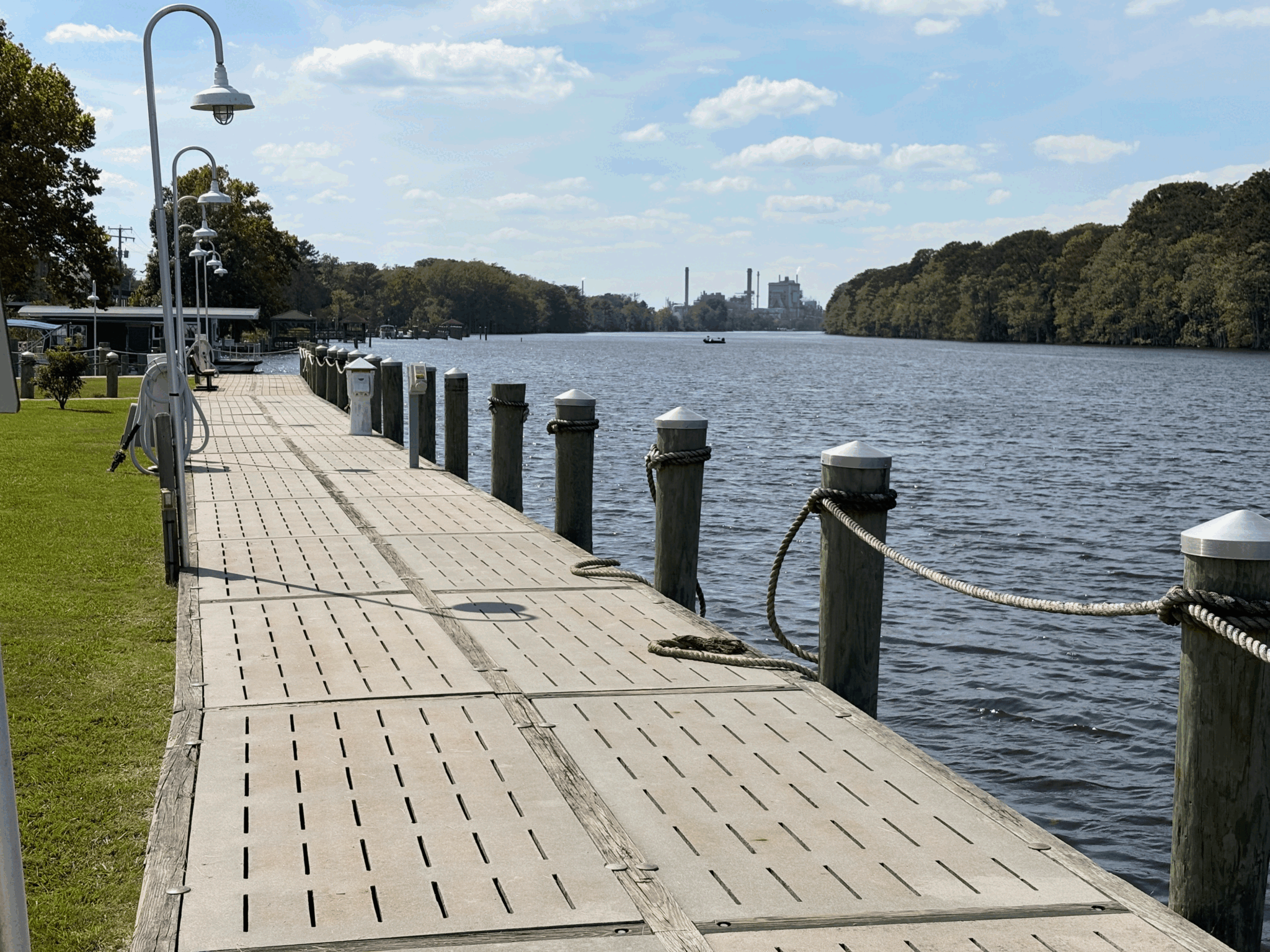
Washington County has thousands of acres of loblolly pine forest and a prime location on the Roanoke River. For decades, paper and lumber companies dominated.
Harris’ father worked for 29 years at the mill and retired after he tore the ligaments in his right arm. Every person I talked with of Harris’ generation or older had friends and relatives who made a career in the mill.
“That’s what kept people in the county,” said James Williams Jr., a Plymouth native and prominent criminal defense attorney in the Triangle.
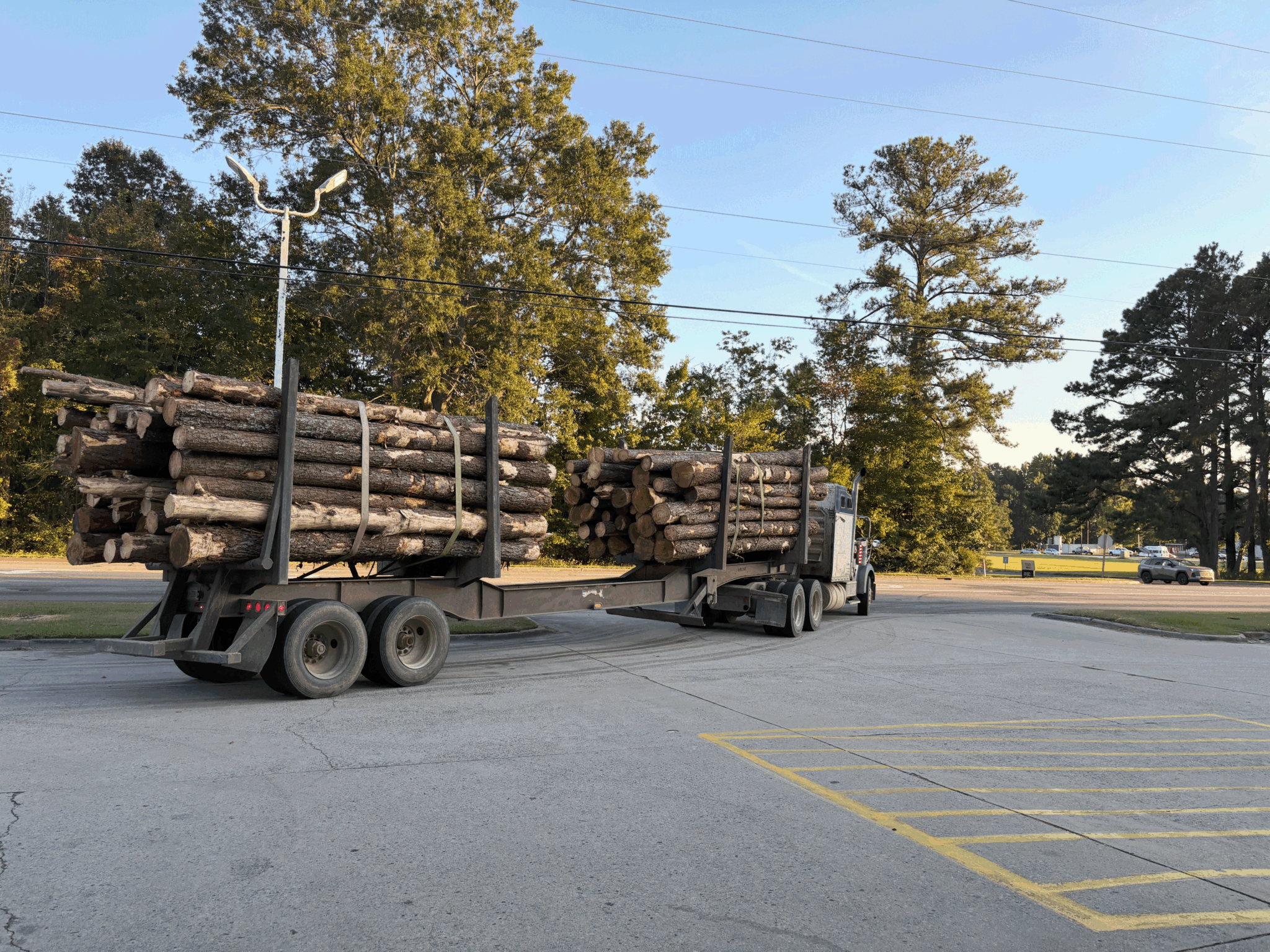
Today, the mill economy is on life support. Every few minutes, a truck piled high with pine trees passes the Washington County school. The lumber companies still own much of the area’s land, but employ a fraction of the workers from their peak. Other heavy industries continue to shrink. Pushed by tariffs, a different Washington County mill closed last year.
In career and technical education programs, schools prepare students with skills aligned for the jobs that will have openings. Ideally, students can finish high school with a credential and, with a little more training, find good work.
The entrepreneurship of the Marketplace, and Washington County’s broader approach to career and technical education, is uniquely important in rural areas, Johnson said.
“The goal of educating young people in a rural place should be to prepare them to be successful anywhere and also empower them to choose for themselves where that is,” he said.
In Washington County, students can get credentials and find chances for internships. But at the Marketplace, those students also get the confidence and vision to start their own businesses.
“They get a sense of what real business is like. They’re doing the marketing, they’re doing the product, and it’s actually been more successful than we imagined,” said David White, the superintendent of Washington County Schools. White comes into the Marketplace to purchase custom polo shirts with his name, title, and a logo.
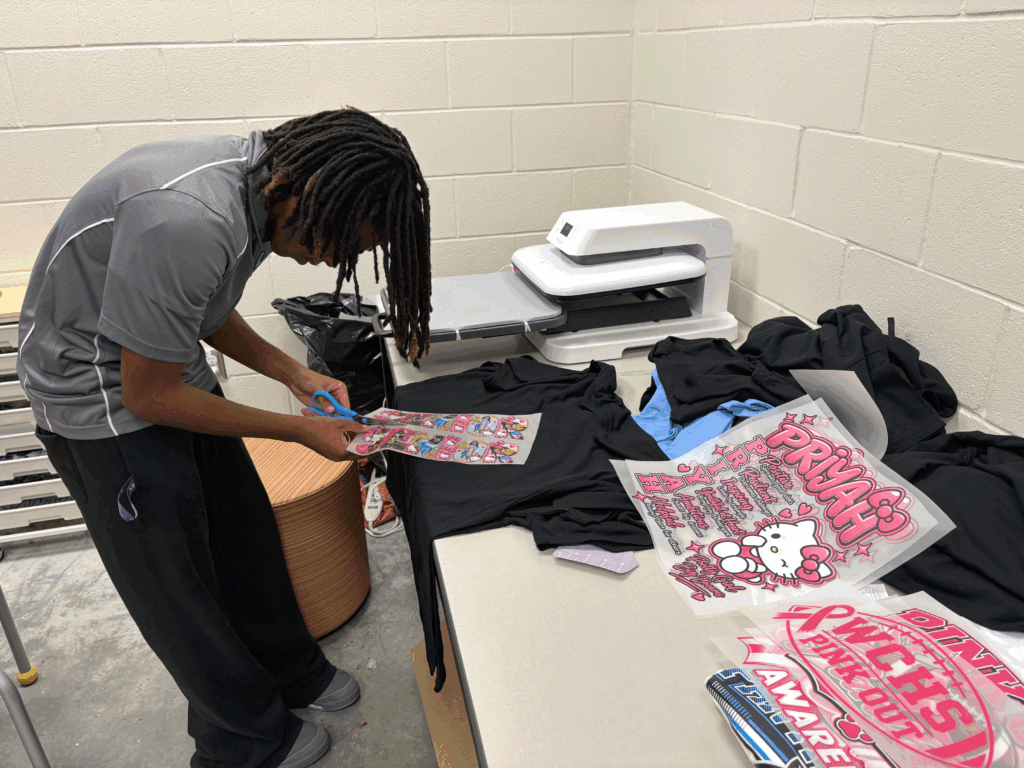
For now, six students work in the Marketplace. At least one student covers each of the school day’s four 90-minute blocks. Everyone involved dreams of growth.
“I hope we reach more people, globally,” said Keyes.
Students could eventually start businesses downtown and run landscaping companies, said Dwayne Brooks, a Plymouth native who conceived the idea with Harris.
“The Marketplace is meant to be a training ground,” he said. “I see this really becoming that hub for students to try out their wildest ideas and eventually those turn into businesses.”
For homecoming, the students at the Marketplace produced 60 custom shirts and grossed $800. They’ve earned more than $6,500 since opening. And that’s just the start.
Two grandparents come in every week to get a new shirt featuring their grandkids’ names.
The Marketplace students just finished the artwork for the JROTC building, and Harris imagines the students leading a mobile store that could be an example for all of eastern North Carolina.
“How can we prepare them to lead an off campus Marketplace where we continue to build and transform not just students’ lives but also in our community?” she said.