How can North Carolina schools develop the future of the aviation industry?

The Office of Rural Promise at Appalachian State University’s new network of school districts with budding aviation programs seeks to capitalize on shared resources and partnership opportunities beginning in the 2026-27 school year.
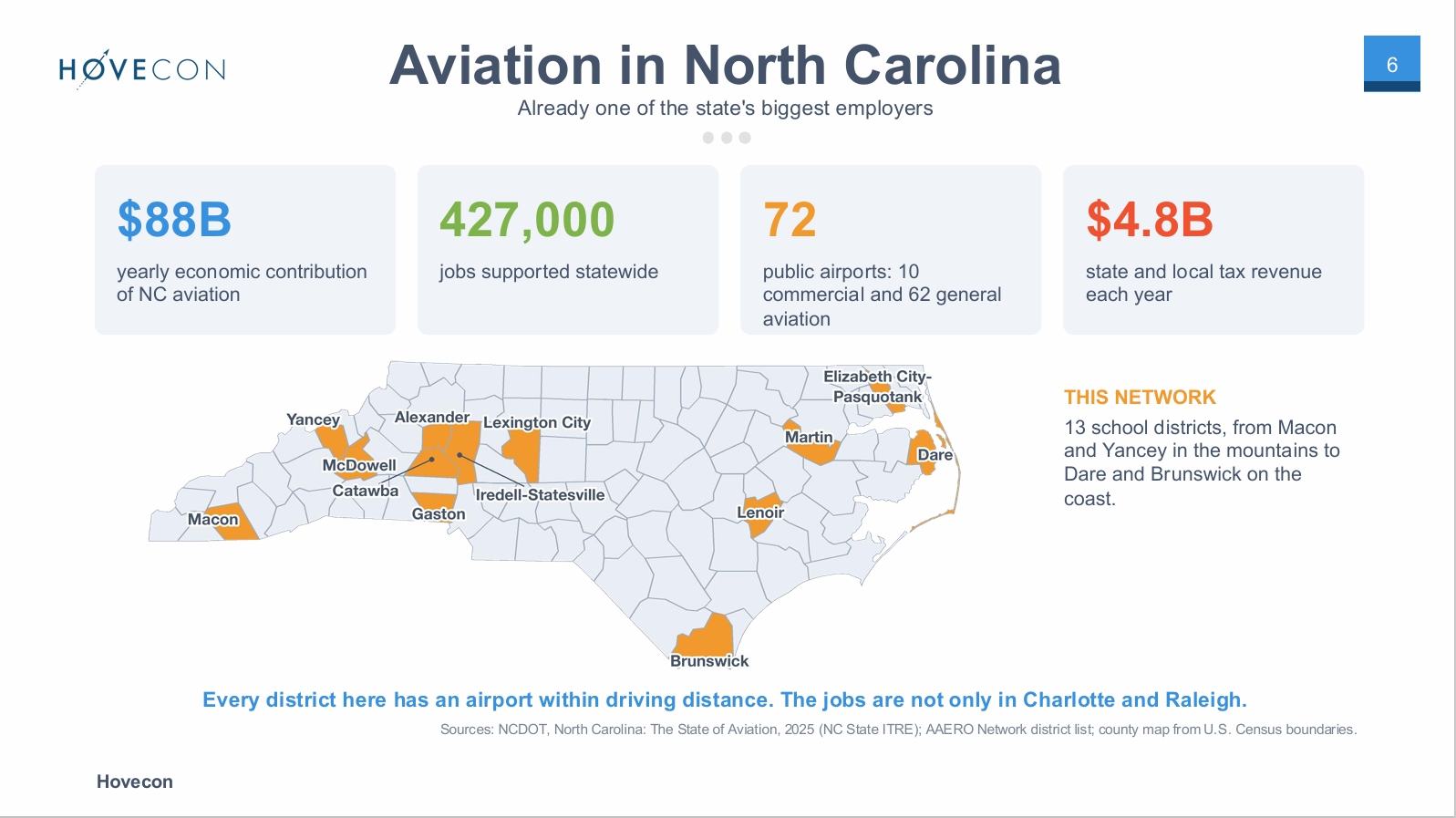
The Advancing Aviation Education and Rural Opportunities (AAERO) Network is a cohort of 13 districts looking to expand aviation education and career pathways for their students.
 Sign up for the EdDaily to start each weekday with the top education news.
For the 2026-27 school year, the AAERO Network has four broad goals. Most center around the school districts, community colleges, and industry partners being in relationship with each other. Another goal is for the districts to share curriculum resources and technical assistance and help each other apply for funding for their students.
One of the leads of the network is the Office of Rural Promise’s deputy director Corinne Smith. Smith said she was inspired by witnessing her son take his first discovery flight through the EAA Young Eagles Program.
Once she saw the excitement the experience gave her son, her thought was “every student in North Carolina needs to have access to that.”
Appalachian State University’s College Access Partnerships in the Reich College of Education had previously been delivering aviation-related programming to students in western North Carolina in collaboration with AeroEducate. However, Smith said the motivation to start the network came from seeing the needs and potential of students across the state.
“Aviation is a rapidly evolving industry with an urgent need for a skilled, adaptable workforce. The NC aviation industry is no different and this creates a tremendous opportunity for students across a wide range of interests and strengths to build high-earning careers right here in North Carolina,” Smith said in an email. “A year from now, I hope we see more students discovering those possibilities, schools turning ideas into real aviation pathways, and stronger, more intentional connections between education and industry—especially in our rural communities.”
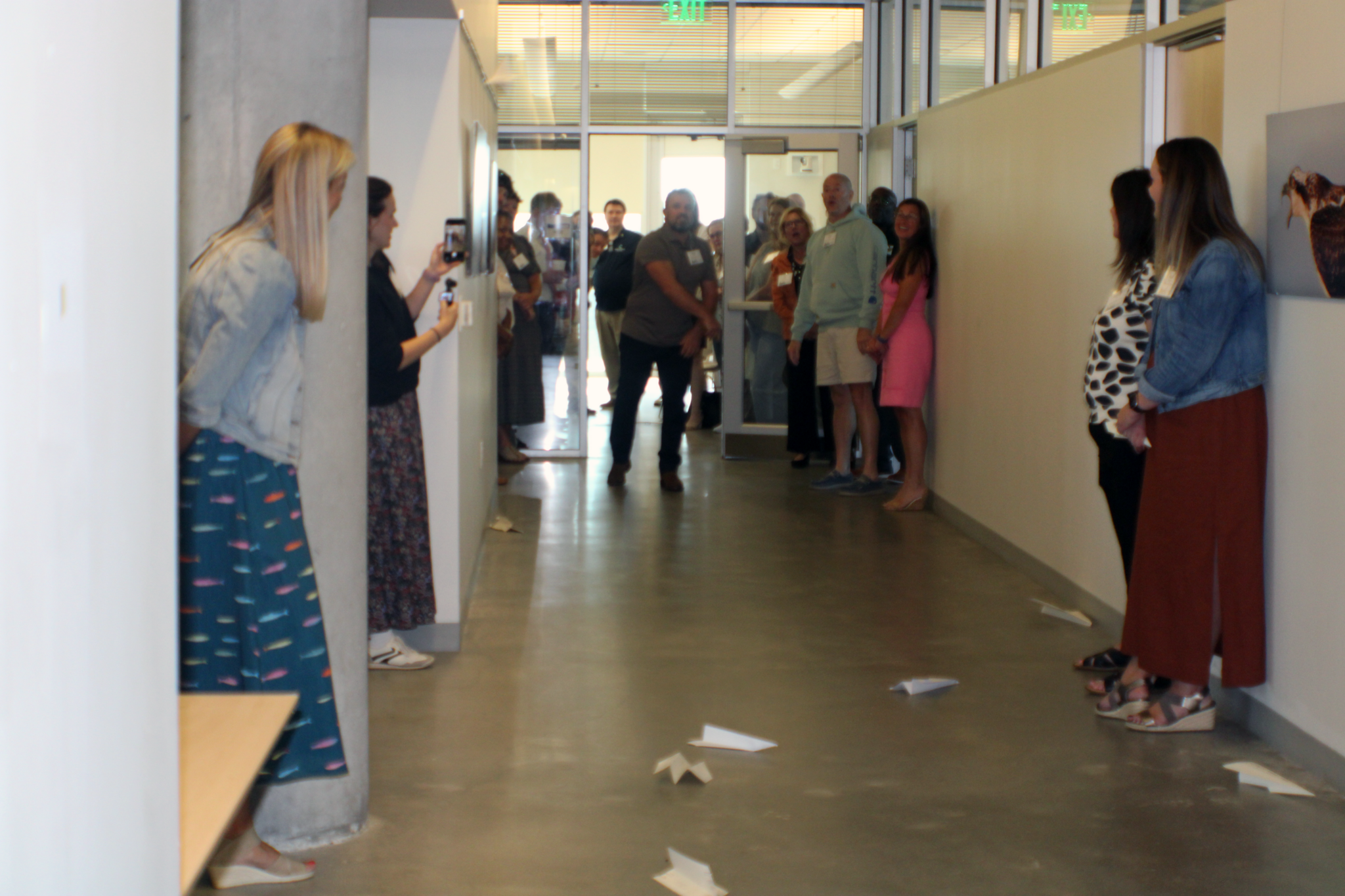
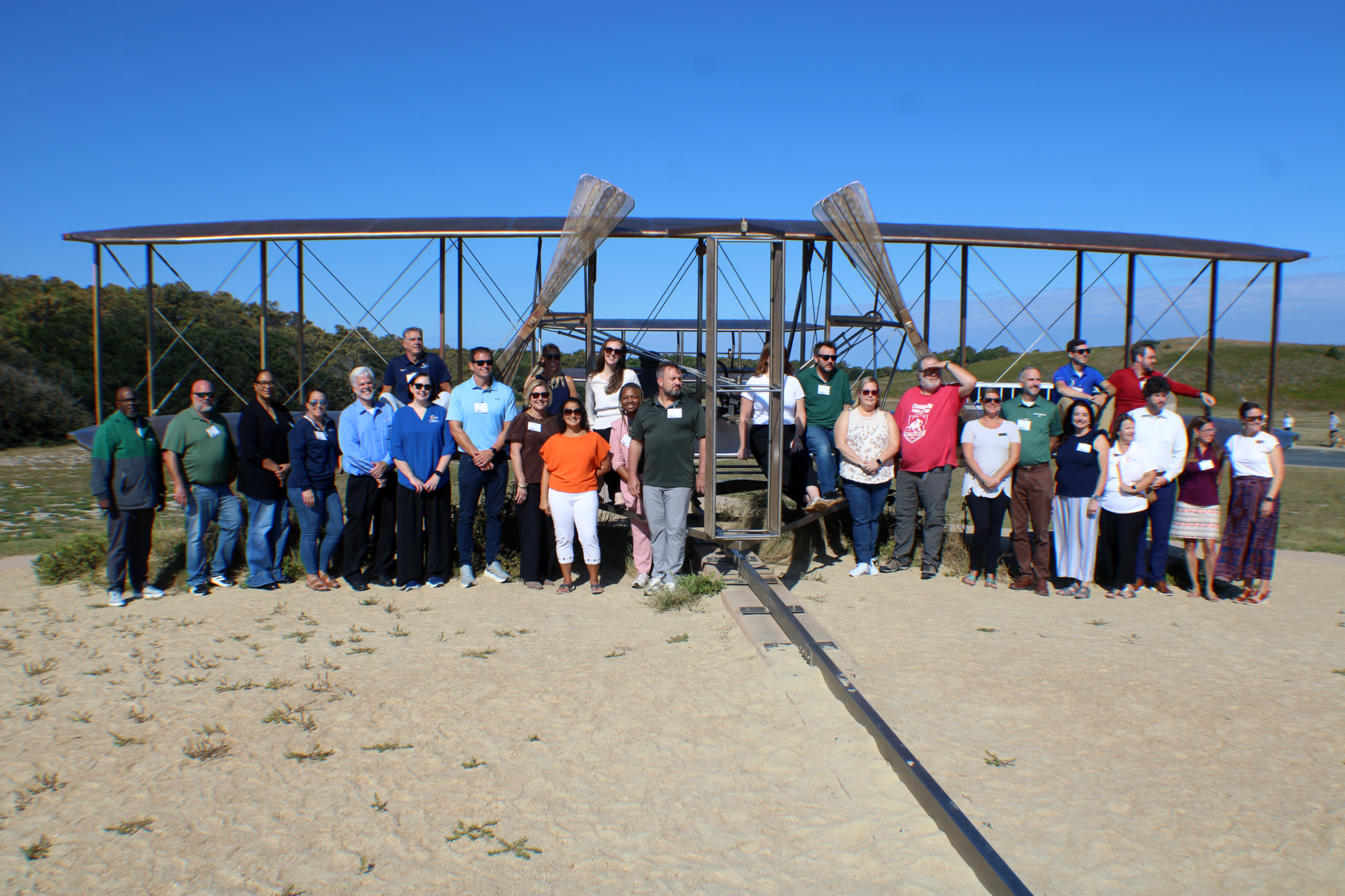
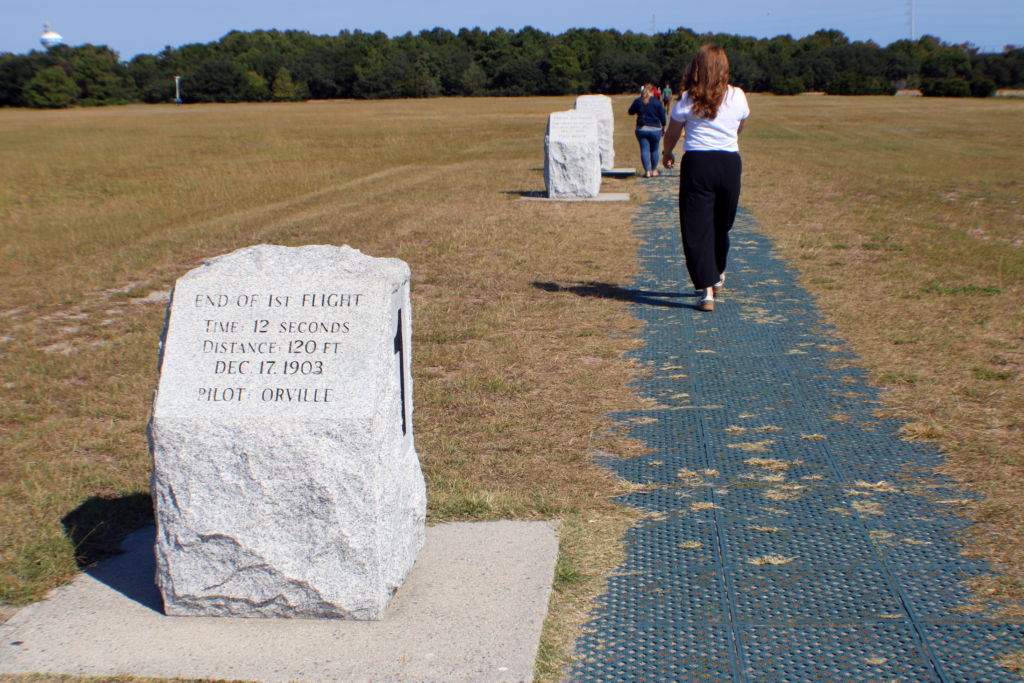
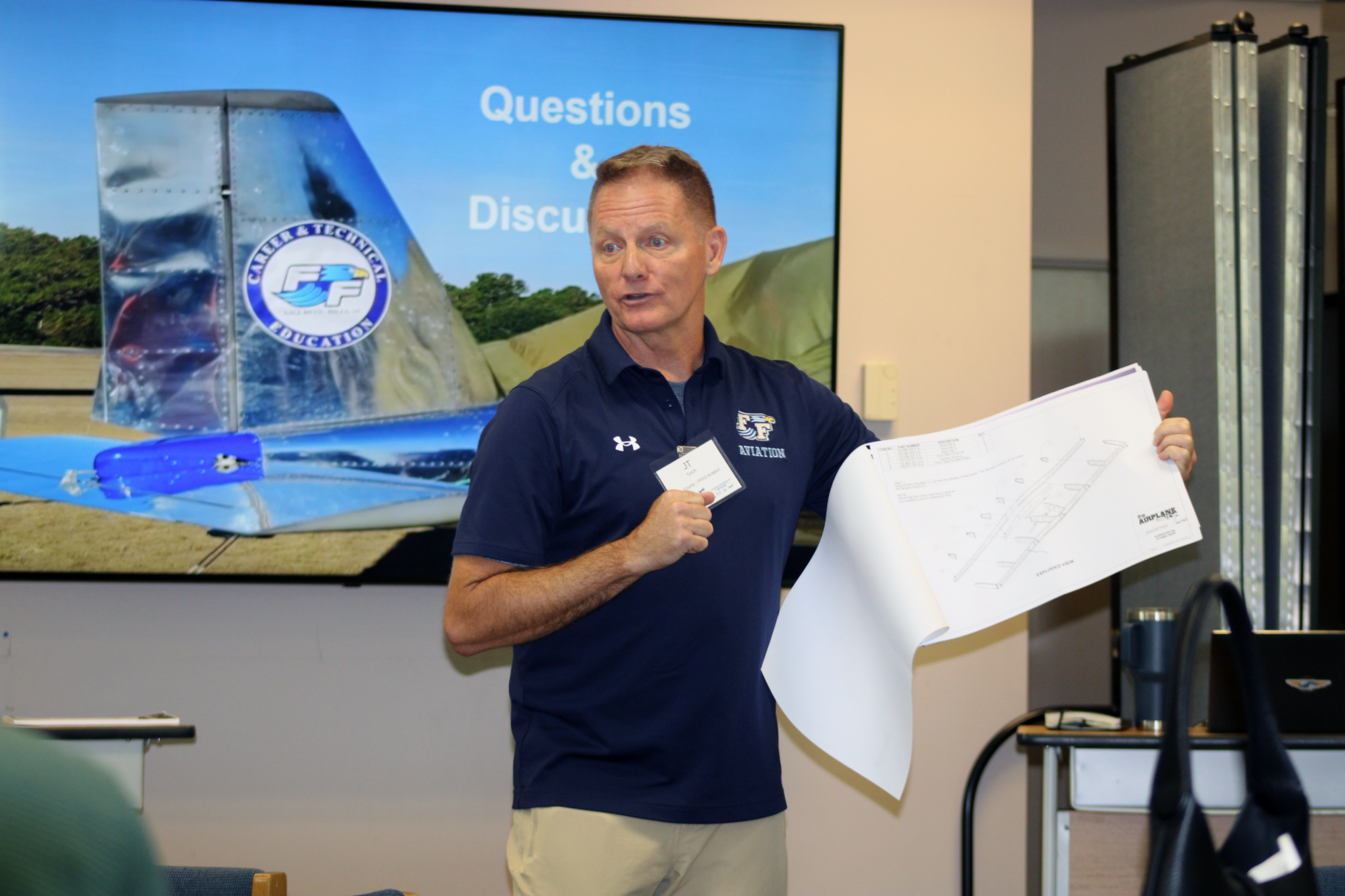
When the cohort met for the first time in Kill Devil Hills at the end of September, they learned about career opportunities for students beyond becoming pilots.
Aviation expert Basil Yap presented the group with some considerations for the future of aviation in North Carolina. Yap highlighted the increasing demand for pilots, flight attendants, and mechanics in the workforce as well as innovations the state is already making.
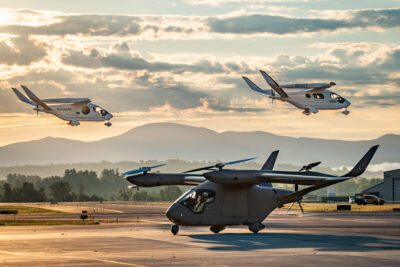
The aviation industry contributes $88 billion to the state’s economy every year and more than 400 aerospace companies are based here, per a recent press release from the governor’s office. On Sept. 23, North Carolina’s first electric air taxi flights took place through the Federal Aviation Administration’s Advanced Air Mobility and Electric Vertical Takeoff and Landing Integration Pilot Program.
Additionally, Yap’s presentation highlighted how every district in the network had an airport within driving distance — meaning job opportunities are in reach.
“I think the biggest barrier is that kids just don’t know that these jobs are available,” Yap said. “People see on social media different jobs like basketball, professional sports players, etc. But there are some really high-paying jobs in aviation, and it’s also equally just as exciting.”
Read more
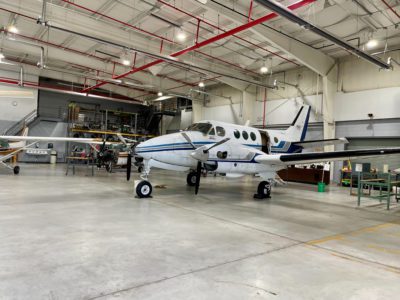
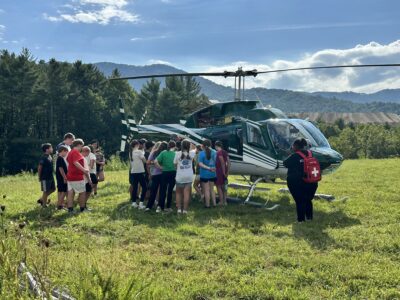
As the cohort met, districts shared details about their aviation programs and what they are most proud of. Elizabeth City-Pasquotank Public Schools (ECPPS) talked about their new aviation academy and partnership with Elizabeth City State University.
As of the 2026-27 school year, ECPPS students can join the aviation academy housed at Northeastern High School as ninth graders, then prepare to dually enroll in courses with Elizabeth City State University in their 11th and 12th grade years.
Morgan Murray, the career and technical education director for ECPPS, said their goal is to get students early exposure opportunities in the aviation industry that could help them no matter what their postsecondary plans are.
“What really excites me the most is seeing the potential and how many jobs are going to be opening up for our students in the aviation field. And I mean, looking at the amount of pay that our students could potentially earn,” Murray said.
As hosts of the gathering, Dare County Schools (DCS) discussed their journey with Tango Flight.
Tango Flight is an aviation-focused curriculum providing students with the tools to build and fly a two-seat airplane, exposing them to the disciplines of aerospace, electrical, mechanical, manufacturing, and design engineering.
Since fall 2023, First Flight High School (FFHS) has offered an aviation class for juniors and seniors instructed by retired Rear Admiral Joey Tynch, who served in the United States Navy for 33 years.
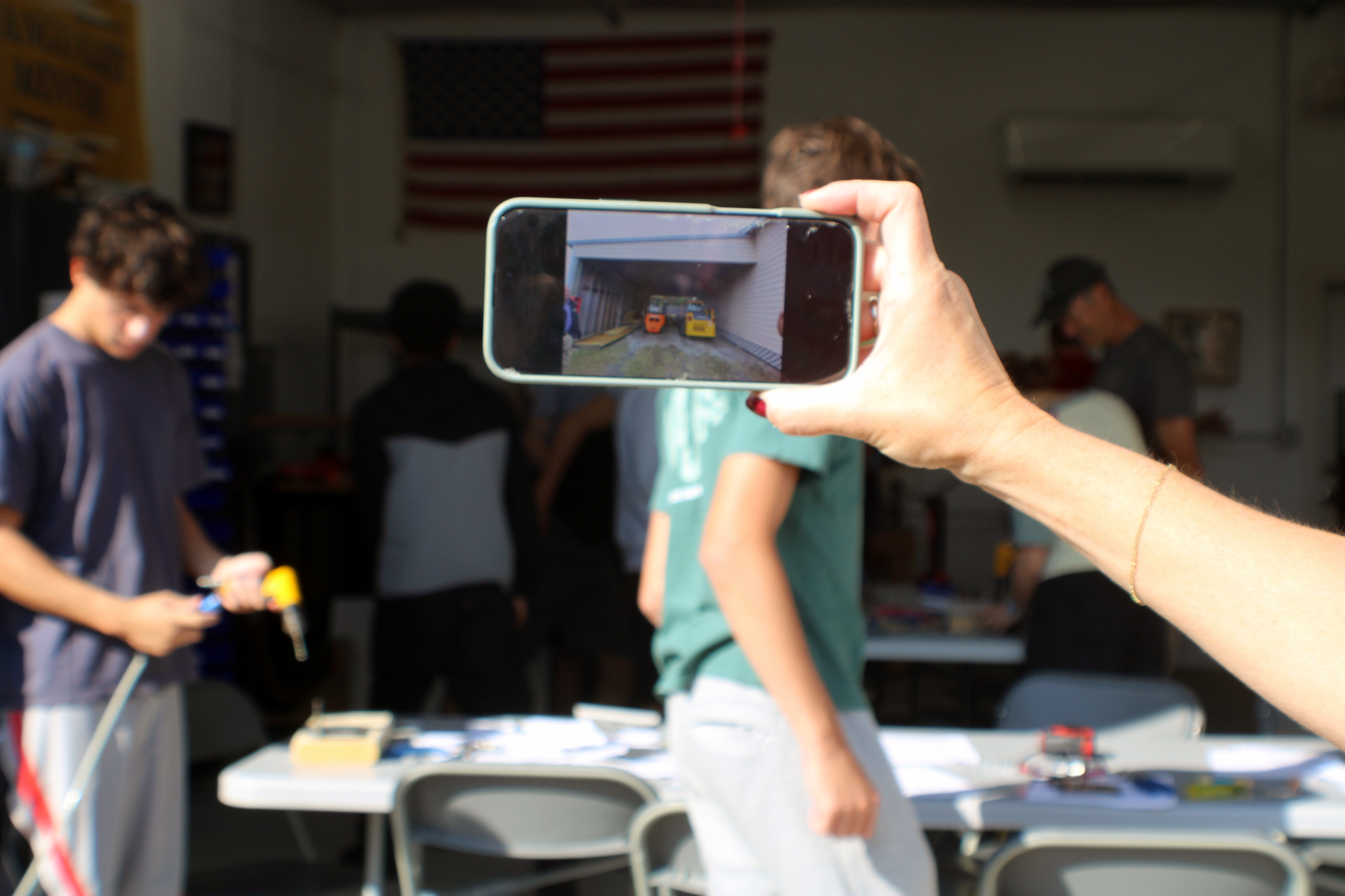
The Wright Brothers National Memorial eagerly agreed to house the program, rangers worked to convert a shed on the property into an aviation lab for students, and staff also created a video series documenting the two-year journey with FFHS.
The finished product was presented at a ceremony in December 2025, and the plane’s first flights took place in April 2026.
“All the students that had a hand in building this plane got to see a perspective of the Hatterites that I don’t know if any of them had seen before,” DCS CTE Director Shannon Castillo said.
Castillo drove home the need to think outside of the box to bring students opportunities and make sure all the players are brought to the table.
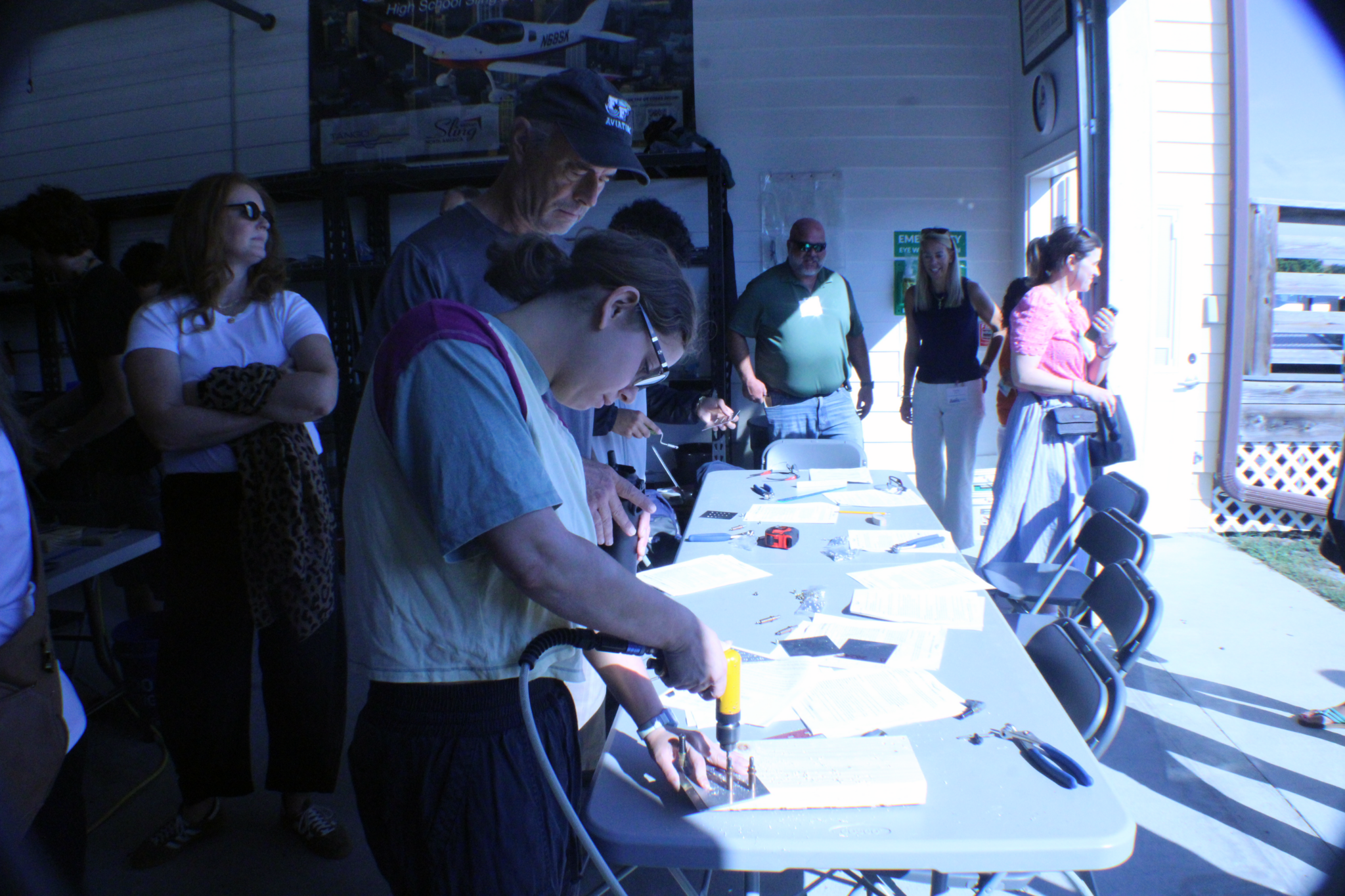
The AAERO Network got to visit the students’ workspace. Students were hard at work on a sheet metal coupon project as their four instructors — all volunteers — guided them through the directions and how to use the different tools. Each instructor had a different background in either engineering, construction, or aviation that meshed for their instruction.
“We could not have done any of this without volunteers, that’s our secret weapon,” DCS Superintendent Steve Basnight said.
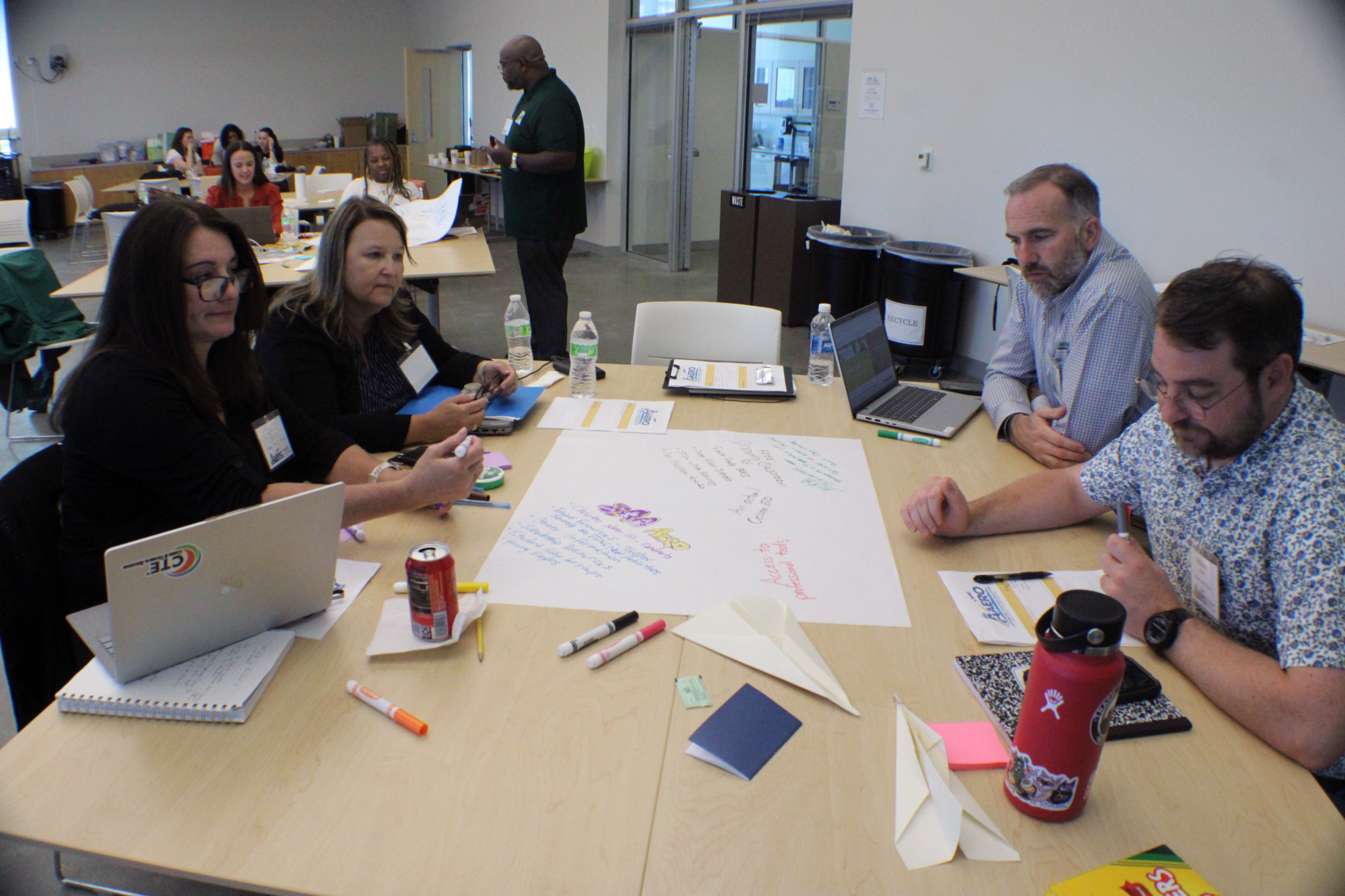
Attendees had several opportunities to explore what building their district’s program meant to them and which local industries fed into aviation and aerospace.
Iredell-Statesville Schools is currently in the process of building a new high school, and Deputy Superintendent Billie Berry said they want it to include an aviation program. For Berry, the value of the network is having connections with other districts so they can narrow down their options.
Attendees left with a running list of resources and programs for which they can apply. The network plans to reconvene for a trip in late October to the Hickory Aviation Museum, which is open to teachers in elementary, middle, and high school. Their next steps are recruiting industry partners and securing funding and grant opportunities for AAERO’s members.