
This book highlights 9 innovative programs created by rural churches

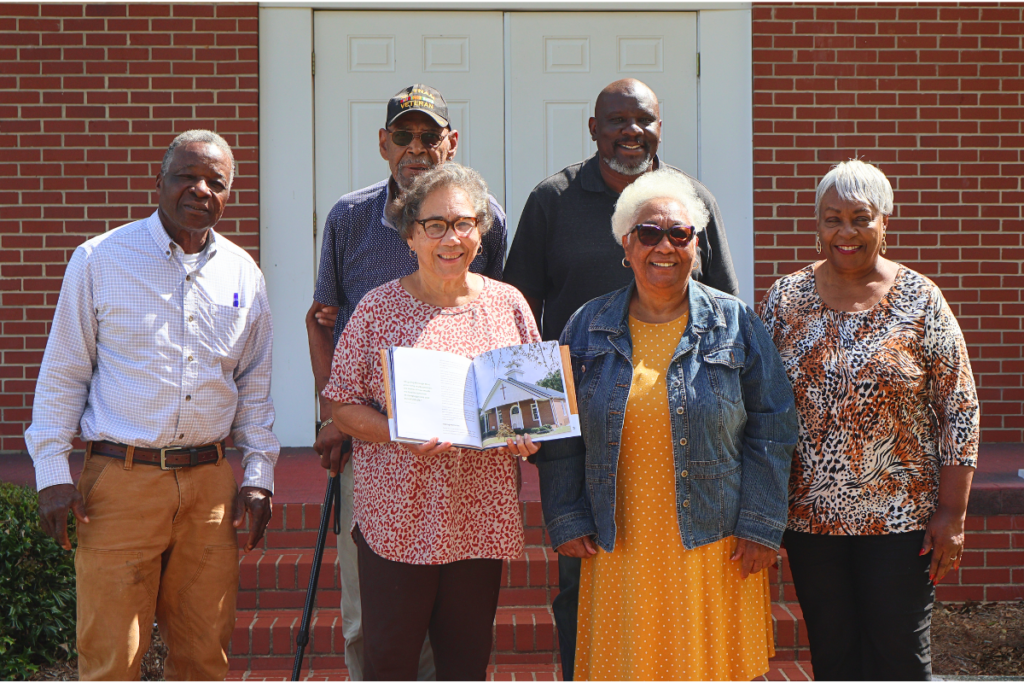
The NC Rural Center’s Faith in Rural Communities (FIRC) team has published a book showcasing innovative projects that nine rural North Carolina churches created after completing FIRC’s Connect Church program.
Over 100 churches have gone through the yearlong coaching program that works with church teams to uncover how the internal assets they already have can address current external community needs. It’s a learning process that combines team discussion and reflection with community member input to create a new missional-engagement project.
 Sign up for the EdDaily to start each weekday with the top education news.
Showcasing the work of rural churches
The idea for a book was born when the FIRC team realized that congregations interested in Connect Church could benefit from hearing what churches that have completed the curriculum had to say about the experience.
FIRC Senior Director Heather Kilbourne said they created the book to highlight how churches are addressing community problems in beneficial ways for people both inside and outside congregations.
“I think (the book) tells a story that is not your typical church story. These are churches that have really stepped out into the community with some really innovative ideas,” she says.
Connect Church’s curriculum is adapted from asset-based community development (ABCD) work developed at Northwestern University in the ’90s, which studied how neighborhoods created positive change with existing assets. Connect Church adapts the ABCD framework for faith-based organizations.
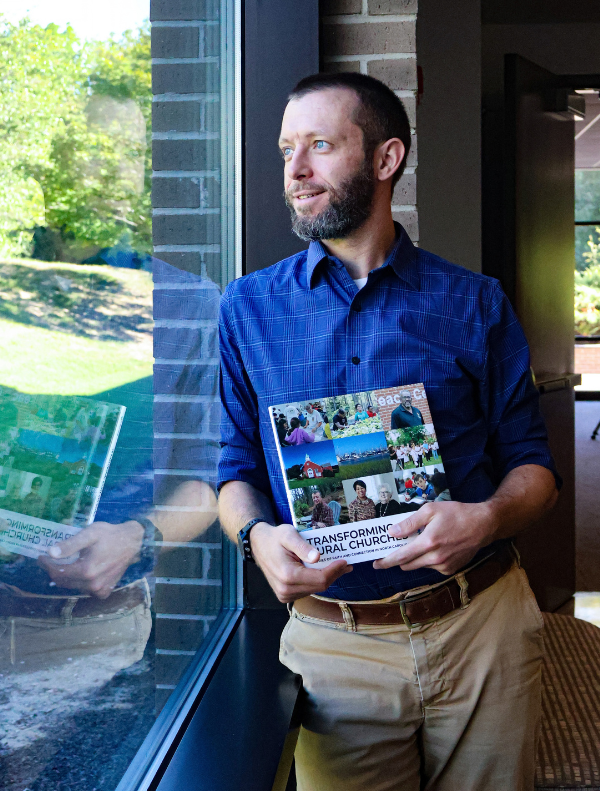
A central part of the Connect Church program asks churches to inventory what they already have versus focusing on what they don’t.
Andrew Hudgins, National Connect Church program manager, explained, “I think for a lot of churches, particularly rural churches, particularly smaller membership churches, it’s very easy to see all the reasons ‘why not’ or to start from a place of, ‘Well, we can’t do this because of that’ and see the challenges.”
He hopes creating a resource that highlights multiple stories of success will help churches “be able to reimagine or dream again or just get a little bit excited again about what could be or what they might be able to do.”
Once churches have completed the Connect Church curriculum, they are eligible to apply for a $10,000 grant to put their program in action. Thanks to funding from The Duke Endowment and the Lilly Endowment, the FIRC team has awarded over $1 million to churches.
Expanding the Connect Church model
Connect Church has also expanded. A national hub partner model where faith-based organizations outside of North Carolina hire coaches to lead regional churches through the Connect Church curriculum called National Connect is now in its first year.
An online version of the program, Virtual Connect, which walks churches through the curriculum through filmed instruction, has just started its pilot year. In several years, once these expanded programs are up and running, the team hopes to create a second book, highlighting some of the projects their churches began.
In thinking about what churches to highlight in the book, the FIRC team first looked at geography to ensure the churches involved covered different North Carolina regions. Then the team made sure to include a wide range of ministries that have been created from Connect Church participation to show the breadth of the work being done.
Highlighting a proven path
By highlighting how common challenges are met with action, the projects the book highlights offer a proven path.
“I wanted (the book) to show the possibilities that we see every day with the rural churches,” said Kilbourne.
The team will use the book when they talk to churches curious about whether Connect Church is right for them, explained National Connect Church Director Darren Crotts.
“We have something we can show them where it’s a reality. So it’s not this kind of theory that we’re just spinning around with you. This is actually happening and you can be the heart of it versus us just being excited and talking about the possibilities,” said Crotts.
The National Connect Church team has also shared the book with faith-based organizations outside of North Carolina.
“In Montana, nobody knows what Connect Church is. And so, as they’re going for the first time into churches or to talk with conference staff, to be able to take a book or a couple copies of the book, has helped them with recruitment for churches and coaches because it’s added a sense of legitimacy that there’s some real kind of proof that what they’re trying to get churches to buy into has worked and has made real significant difference in rural communities and small towns,” said Crotts.
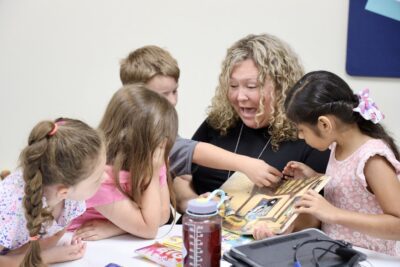
As for the book’s reception from churches profiled within it, Kilbourne said, “The church I handed it to, they were thrilled — passing it around, delighted to see their story in print. And they immediately started thinking about how they could use it for fundraising.”
More on rural churches
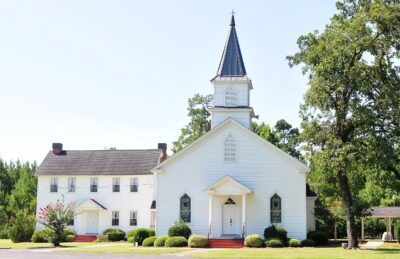
Sanford Churches on seeing their work in print
One of the stories in the book is about a missional engagement project created by three Methodist churches in the Sanford, North Carolina, Circuit Charge: McQueen Chapel UMC in Lemon Springs, Mt. Olive UMC in Lillington, and Union Grove UMC in Broadway. For Connect Church, the three churches formed one church team to go through the program curriculum.
After asking congregants and community members about community needs were the most pressing, the Circuit Charge’s Connect Church team decided to create a program that jointly tackled youth and senior loneliness. Programming has included educational workshops, field trips, and a youth and senior prom.
“I don’t think we realized how much talent the three churches had until we all came together,” said McQueen Youth Coordinator Dianna Blue.
Their Connect Church team has also enjoyed seeing their story in print. Being included in the book allowed them to see how much progress they’ve made over time, said McQueen Chapel UMC Pastor Kennedy Gray.
“For me, just seeing, fruits of our labor and everybody getting to share and being part of it, you know, wasn’t one person at all. But it was, you know, not only the people at this table, but the people in the church. I think it was a great moment to reflect on how far we’ve come,” said Gray.
Thank you to Sarah Hall and Ed Lallo, who wrote the stories in the book, and also to Ed Lallo and Courtney Collins who took photographs. Additional thanks goes to Julie Schmidt of yellowDog: creative for the book’s design.
Editor’s note: This article first appeared in NC Rural Center and is republished here with permission. The Duke Endowment supports the work of EdNC.