
Reflections on loving your neighbor from Duke’s Convocation on the Rural Church

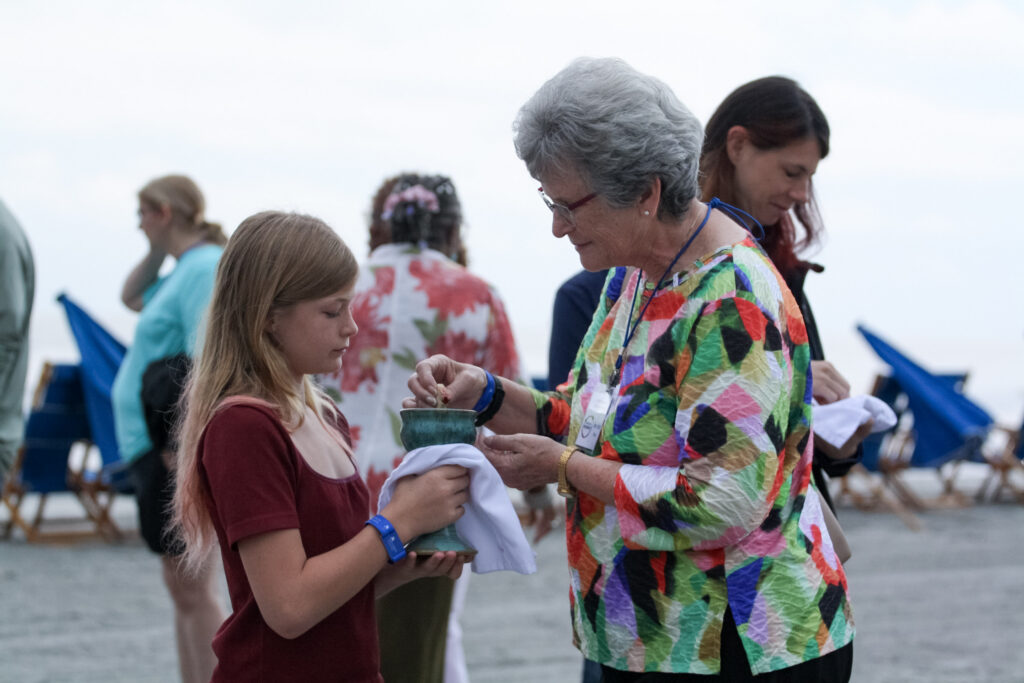
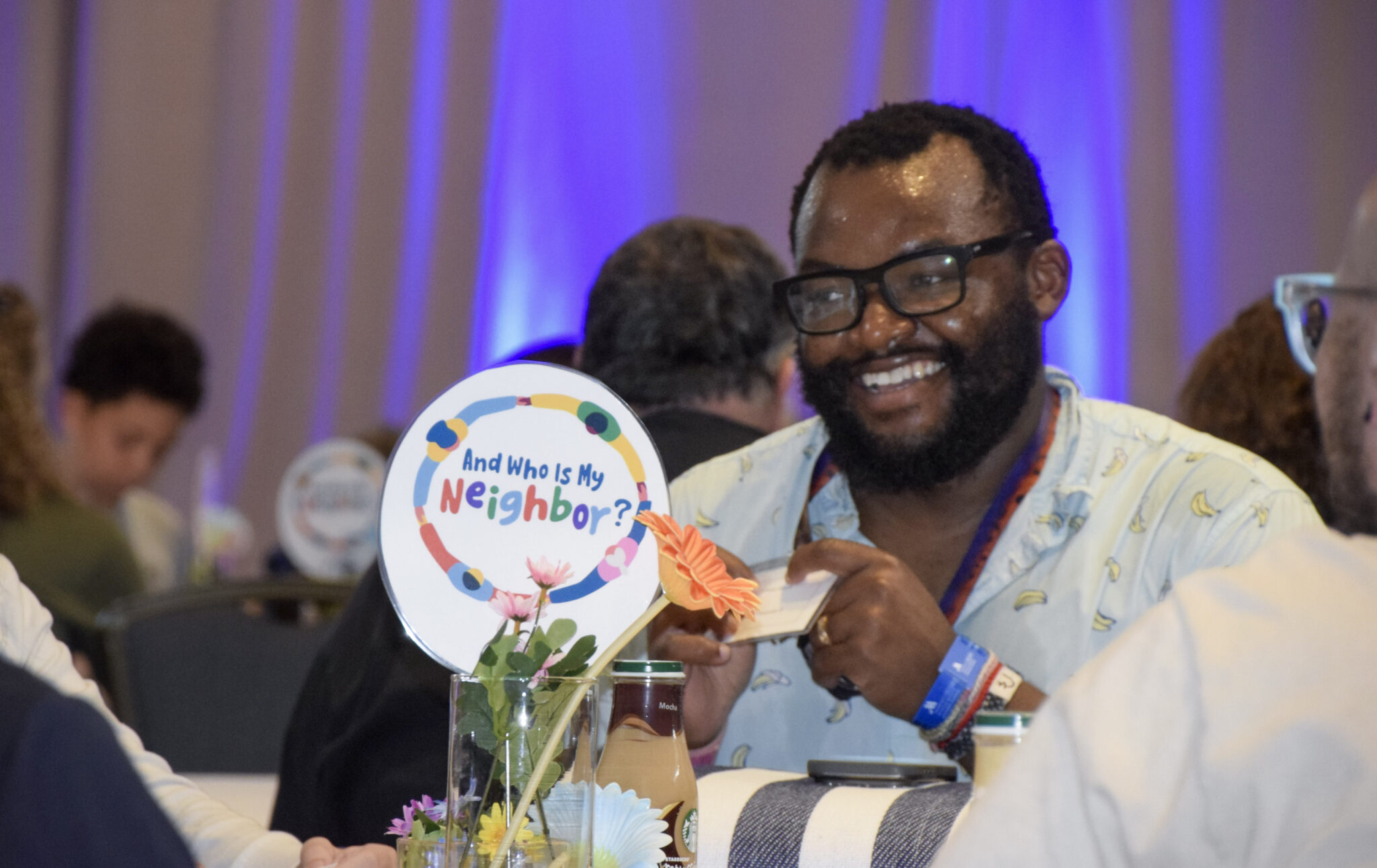
Who is my neighbor?
That’s the question United Methodist Church (UMC) clergy from across North Carolina gathered to discuss earlier this month, centered on the Parable of the Good Samaritan. Found in Luke 10:25-37 of the Christian Bible, the story contains Jesus’ answer to an expert in the law who asks, “And who is my neighbor?”
“My neighbor is the one in need. The one nearby, the one forgotten, the one God places in our path,” attendees said during opening worship at the event. “… (God) calls us to be good neighbors in every place and every season.”
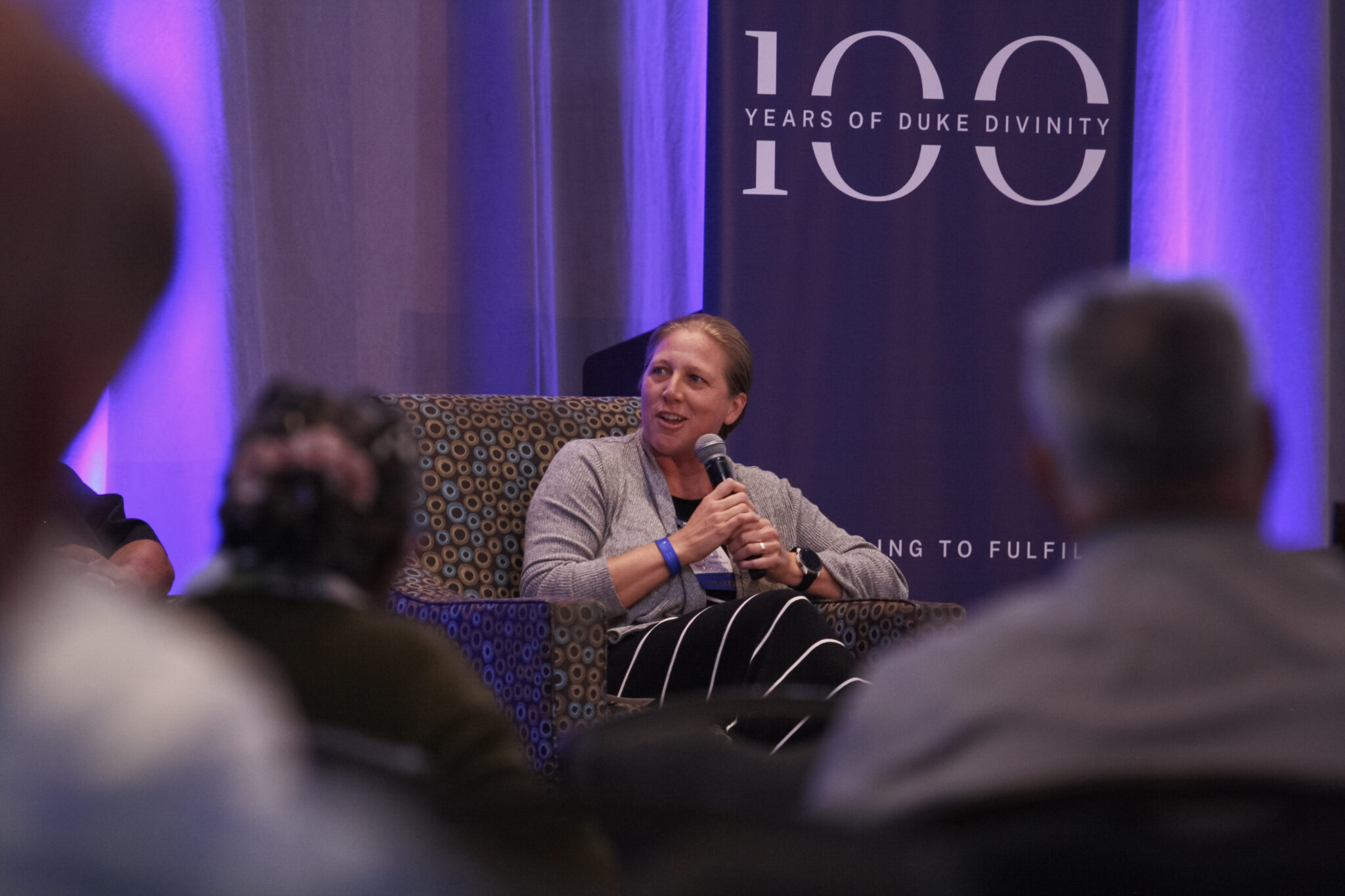
About 235 people representing nearly 70 North Carolina counties gathered in Myrtle Beach, South Carolina on Aug. 3-5 for this year’s Convocation on the Rural Church, hosted by the Duke Divinity School, The Duke Endowment, and The Parish Ministry Fund.
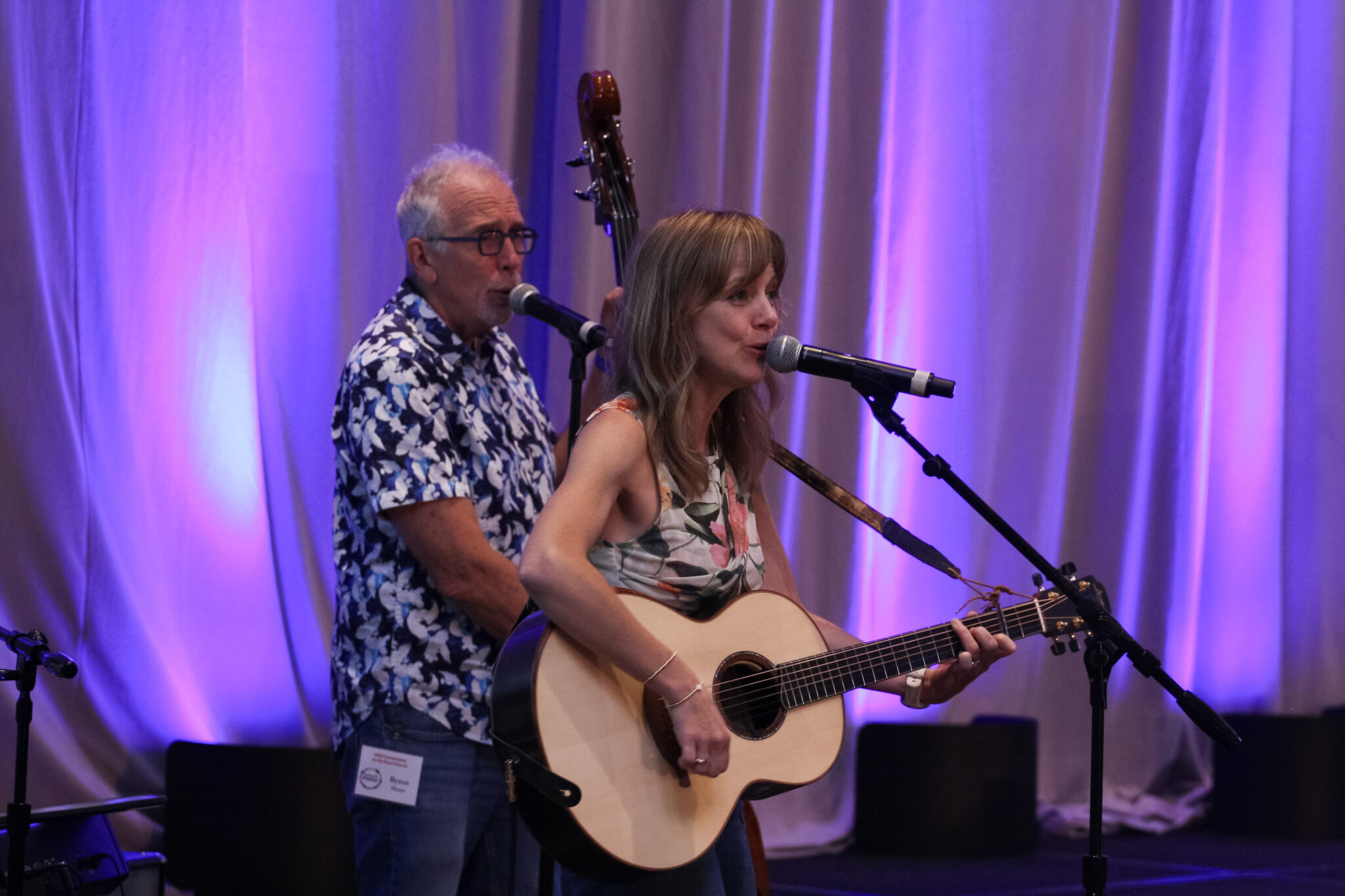
Joined by singer-songwriter Sandra McCracken and Duke Divinity’s Dean Rev. Dr. Edgardo Colón-Emeric and professor Rev. Dr. Jerusha Matsen Neal, the convocation included discussions on who we should see as neighbors, what it means to be a good neighbor, and how to do so amidst divisions, challenges, and suffering.
 Sign up for the EdWeekly, a Friday roundup of the most important education news of the week.
The parable of the Good Samaritan starts when a religious leader asks Jesus what he must do to inherit eternal life. Jesus responds with a question, asking the man what the Jewish law said. The man answers that the law says to love God and love your neighbors as yourself. When Jesus praises his answer, the man asks a question still asked today: Who is my neighbor?
At that point, Jesus responds with a story, in which a man attacked by robbers while traveling is left dying on the side of the road. Two well-respected and religious men first see the man, ultimately passing him by. But in Jesus’ story, it was a Samaritan — a minority group with whom Jesus’ community experienced long-standing divisions — who decided to take care of the man, at great personal cost.
At the end of the story, Jesus asks the man which character was a neighbor in the story, to which the man responds, “the one who had mercy on him.” Then, Jesus says, “Go and do likewise.”
During the convocation’s opening sermon, Colón-Emeric said the story is “honest about the dangers of the road” and “clear-eyed about the power of prejudice to harden the hearts and cloud the minds of those who should know and do better.” But, he said, it also shows the power of empathy and connection.
While all of us fall short of loving and caring for others at times, Colón-Emeric said, “We were made for friendship with neighbor.”
Today, Colón-Emeric told clergy, the parable acts as a lens of the world, a mirror to the church, and an “icon of Christ,” who the Christian Bible depicts as identifying with the poor and marginalized.
To end his sermon, Colón-Emeric shared three reflections on the parable from John Wesley, who helped found the Methodist movement in the Church of England. First, Colón-Emeric said, the parable invites Christians to wrestle with what it means if Jesus is serious that only those who show mercy inherit eternal life. Second, the reason too many of us “miss the full humanity of the vulnerable is because we avoid encounters with them.” And finally, “showing mercy is a means of grace.”
“Your church’s summer literacy program, a means of grace. Your food pantry, a means of grace. Your getting up from bed in the middle of the night to make that hospital visit, a means of grace,” he said. “You see, in being a neighbor to the unwelcomed … you and your communities become icons of Christ, images of God’s merciful love for this beautiful broken world.”

Loving as showing up
Throughout the convocation, speakers emphasized the power of the rural church to show up and stay during hard times.
Colón-Emeric noted that many UMC churches are struggling after “disaffiliations and decline.” In 2024, the UMC General Conference removed multiple denominational provisions, allowing local UMC churches to enact full equality for LGBTQ+ members and pastors. In the years leading up to the conference, more than 7,600 congregations, or about a quarter of UMC churches in the country, disaffiliated from the denomination.
“But that’s not all I see,” Colón-Emeric said. “I see a church that is still alive.”
You’re doing amazing work. We know that it’s a difficult role, but it is so critically important, particularly in these days. Thank you for the uplifting work that you do
— Robb Webb, The Duke Endowment’s director of rural church
each and every day.
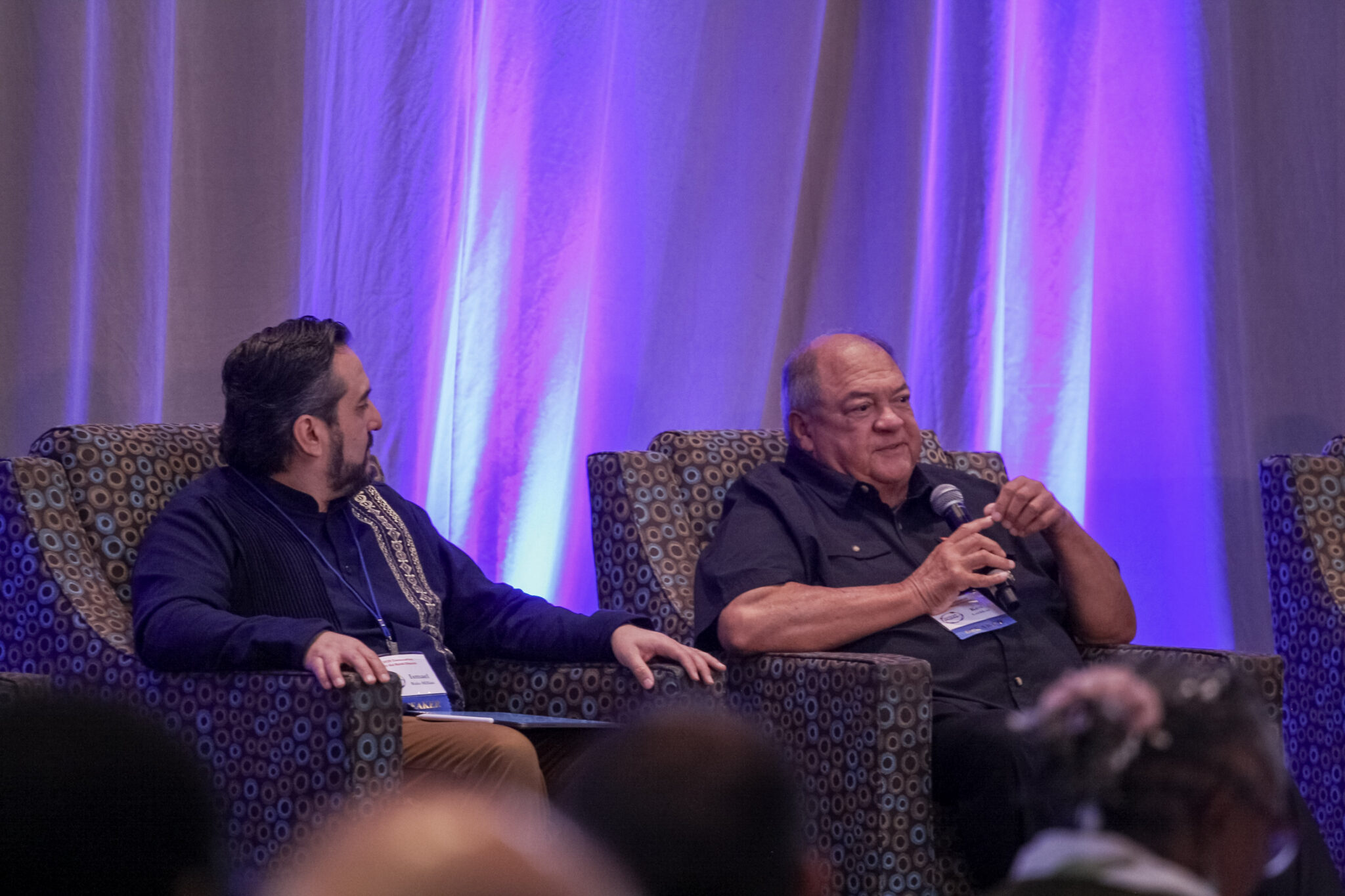
Lumbee pastor Rev. Dr. Kenneth Locklear shared during a Tuesday panel discussion about seeing the church in action after Hurricane Matthew in 2016. Locklear remembered not only being worried about his immediate community in Pembroke, but also the other churches in southeastern North Carolina that he served as then-district superintendent.
“Reports started coming in, and I had no clue what to do. I was devastated, traumatized,” Locklear said. “The greatest thing in all creation to me in that season was our neighbors began to come in, and they began to work. They began to love the brokenhearted and those who were troubled, whose homes had been devastated and lost.”
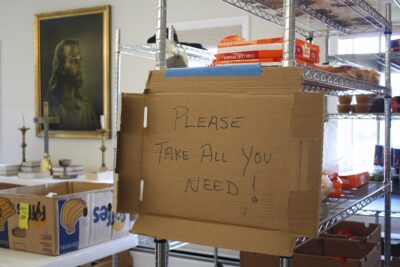
After the storm, Locklear said a church in Winston-Salem, Centenary UMC, said they had an 18-wheeler they were packing with supplies to send his way. Locklear didn’t know that church before the storm, or many of the others who came to help with recovery.
“One of the sayings in our area about the United Methodists is that we’re always the last one to leave when the storms come,” Locklear said. “… For about three and a half years, our neighbors stayed with us until we got out of the storm — that’s the expression of God working in our lives.”
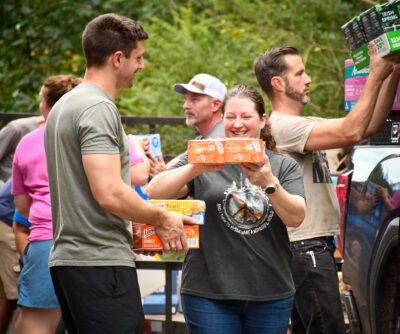
A few years later, in western North Carolina, Rev. Laura Beach Byrch witnessed similar stories after Hurricane Helene. Beach Byrch, who is a pastor at two UMC churches, said in the weeks immediately following Helene, political divisions seemed to dissipate as neighbors worked together to clean up after the flood.
“We got to know each other beyond the differences that we had,” she said. “And both congregations that I’m part of were able to open their buildings in amazing ways, and really let the neighborhoods come in and got to meet neighbors that (they) hadn’t really gotten to know before.”
Read more
Later, a pastor on the panel talked about the strength of neighborly connections when there were reports of ICE activity in their community. Members across the political spectrum at their church — which hosts a bilingual after-school program to primarily serve newcomer students from Latin America — mobilized to help immigrant families in the program feel safe to keep attending.
“People are more complicated and and more nuanced than we often give them credit for,” the pastor said. “… When you know people, the rules change.”
Rev. Ismael Ruiz-Millán, executive director of connectional ministries for the North Carolina Conference of the UMC, spoke about his approach to ministry through his experience as an immigrant. He said long-standing negative rhetoric about immigrants can sometimes turn church hospitality into church hostility toward immigrants. When this happens, he said, people’s question often becomes:
Who qualifies to be my neighbor?
Rev. Kirk Hatherly, a pastor and elder in western North Carolina, said that in his “deeply purple” church, these conversations are playing out as a lot of new people move into the community, largely from other states.
Ruiz-Millán encouraged church leaders in these contexts to create space for people to name their fears out loud, discuss them, and then pray that God “transform this fear into love for our neighbors.”
Recently, he said his team has also been convening regular check-ins to learn what their immigrant church communities are experiencing, and what fears and needs they have.
“There’s something so sacred when you are trying to discern together how to better respond to the needs of our neighbors in our community,” Ruiz-Millán said.
During a workshop on loving immigrant neighbors, Ruiz-Millán — along with co-facilitator Rev. Dr. Gloria Winston — shared strategies with pastors on how to interrupt fear-based narratives about immigrants, rehumanize people who have been dehumanized, and build stronger, more welcoming communities.
“Faith communities have a sacred responsibility to interrupt harm, protect dignity, and widen the circle of human concern,” a workshop handout says. “Disarming hate means choosing presence, truth, and compassion in moments where fear tries to take over.”
Ruiz-Millán also emphasized the importance of caring for yourself so that the work — whatever it is — is sustainable. “If we are not replenishing ourselves, we can get burnt out very quickly,” he said.
During the Tuesday panel, Ruiz-Millán specifically encouraged pastors to invest in their connection with God, family, friends, and in their mental health and well-being.
On Wednesday, another panel of rural pastors noted the power of joy, not only in taking care of yourself, but for building deeper relationships. Panelists shared stories of hosting cookies and coffee events to get to know new congregations, having “lake church,” World Cup watch parties, summer reading groups, and even rescue parties for stray cats.
“Fun and connection are spiritual practices,” said Rev. Hanna Barlow.
Loving as listening
Rev. Shonnie Streder, who serves as a pastor in western North Carolina, also led a workshop on layered listening and how stories help people make meaning of their experiences, relationships, communities, and lives. Layered listening is a “way of listening that pays attention not only to what is said, but also to the emotions, memories, interpretations, and lived experiences woven throughout a story.”
Streder said this type of listening helps foster identity, trust, and belonging between pastors and those they serve and within congregations. Listening happens, she noted, through the lens of the listener’s lived experience, perceptions, and own point of view.
Streder helped pastors see how awareness of their own perspective can help them as they listen also attend to whatever is surfaced.
She encouraged pastors to notice how God’s grace, hope, and invitation into relationships shows up in the stories they hear.
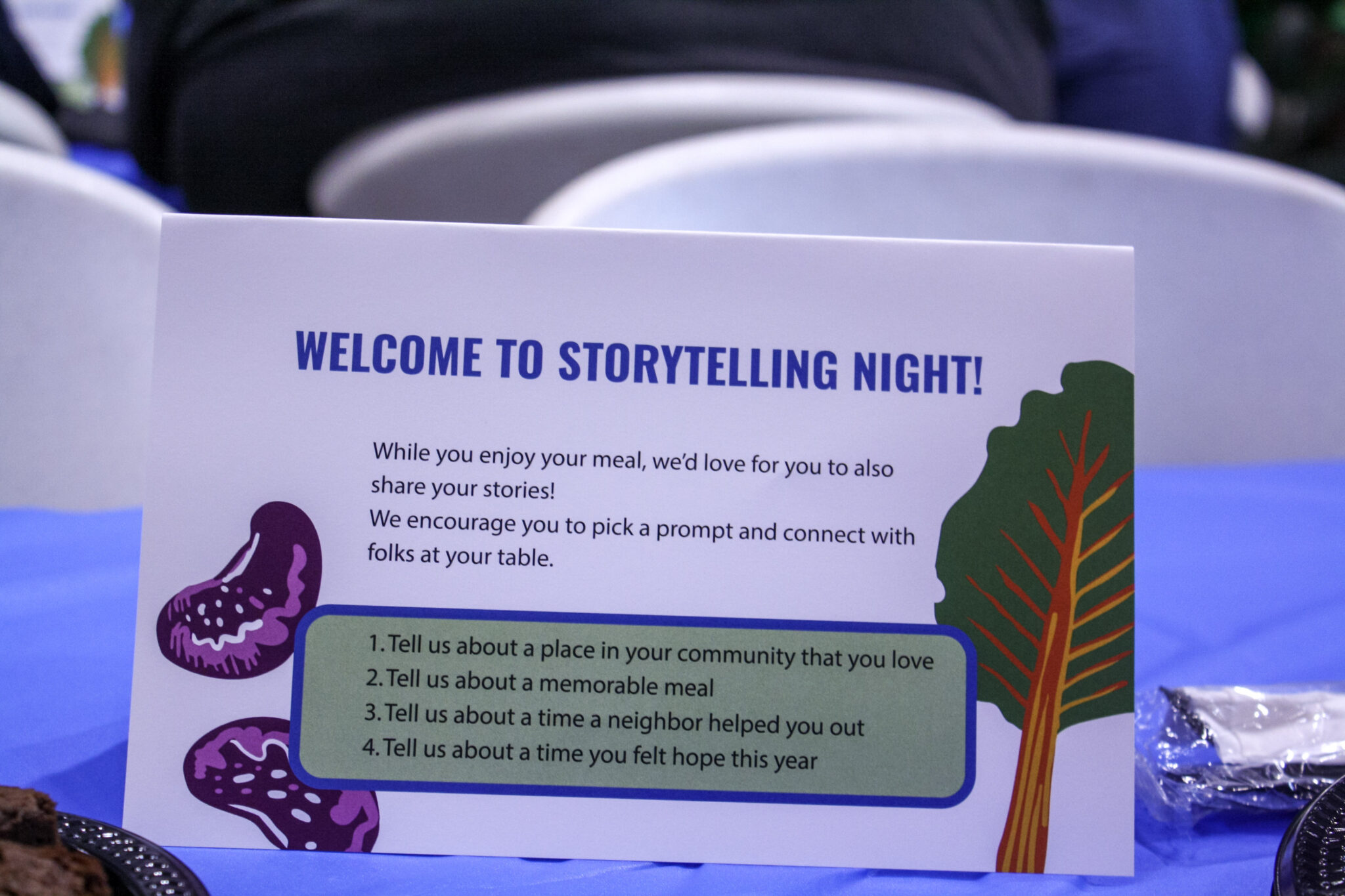
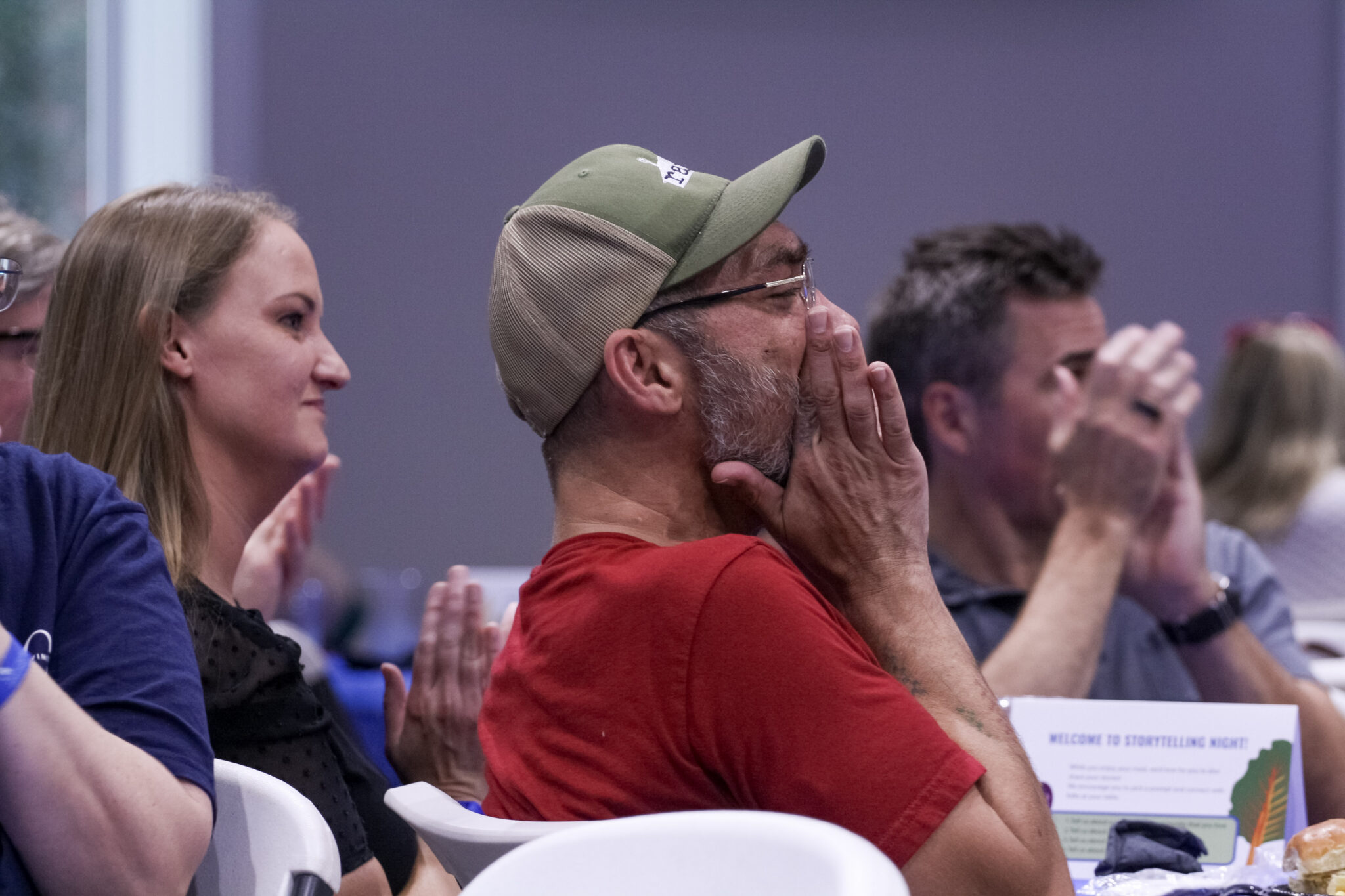
On the second night of convocation, attendees gathered for a night of barbecue and storytelling at a local UMC church, hosted by RAFI (Rural Advancement Foundation International — USA).
“We’re here tonight because we believe in the power of story. As pastors, you are constantly relating the stories found in scripture to the stories of your parishioners’ lives,” said David Allen, senior program manager of RAFI’s Come to the Table initiative.
“Stories, compared to data or hard facts, elicit different meanings for each of us and require us to earnestly give ourselves over to someone else’s experience, opening ourselves up to surprise, indictment, or delight,” Allen continued. “So I invite you tonight to open your ears, eyes, and hearts to new stories. Stories unique to these folks’ experience and miraculously and uncomfortably universal in nature, about what it means to be a neighbor, what it means to be human.”
The evening featured fives stories: from a pastor who baptized a boy during church held at a local bar, a mother recounting when her 5-year-old daughter was found by strangers at the beach, a man who witnessed neighborly love from his nemesis during Hurricane Helene, and a couple who shared their church experiences of both welcome and unwelcome.
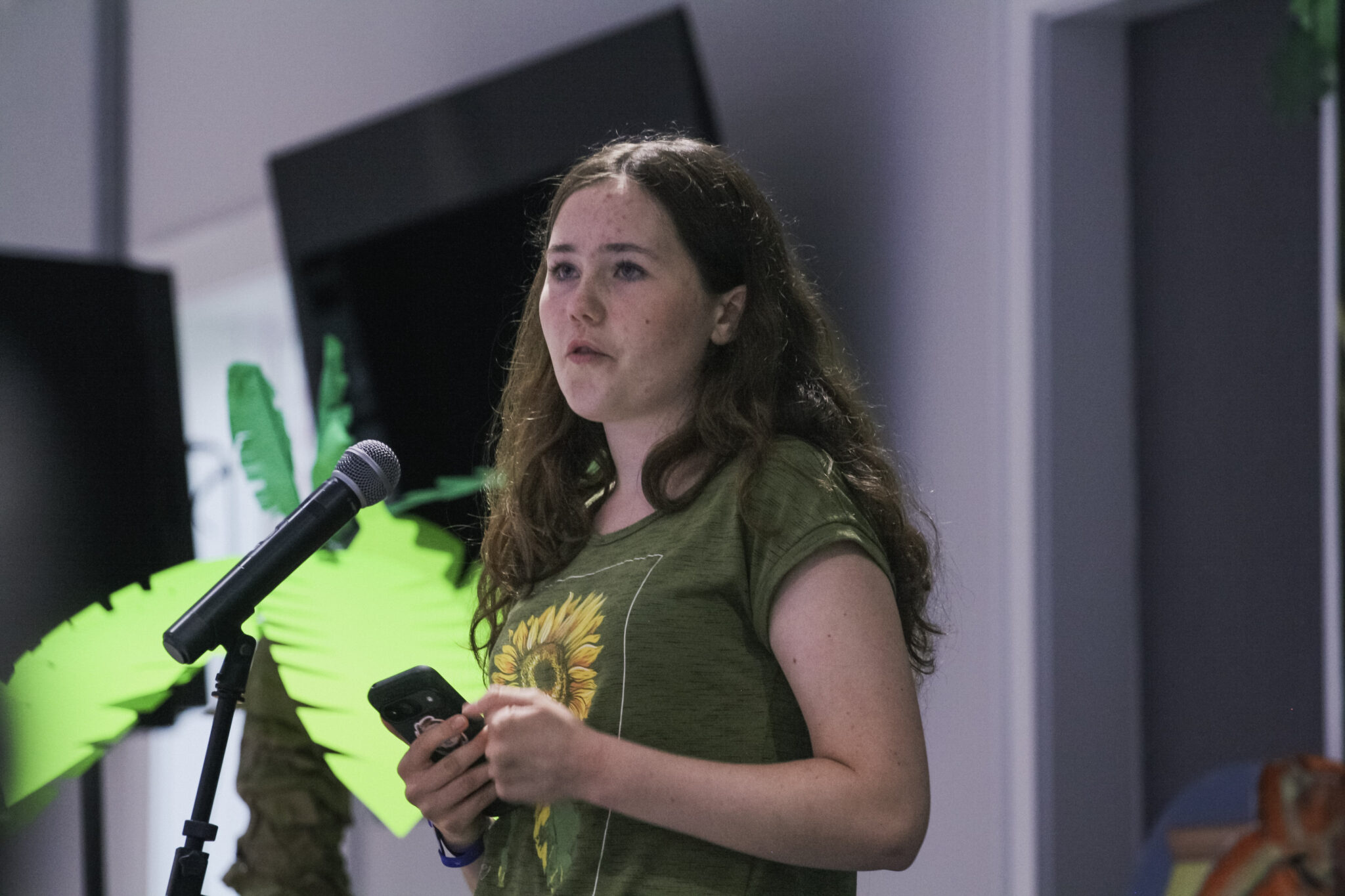
The final story of the night was from a student who learned about the power of neighboring after moving again due to her mom’s role as a UMC pastor. (The UMC practices itineracy, which means pastors serve where their bishops send them, usually for time-limited terms.)
Eliana Jones, a rising 10th grader, shared how she and her brothers developed a close friendship with a new neighbor in Haywood County during the pandemic, and the sadness she felt when they moved to the Triangle a few years later. However, over time, she realized they were slowly making new friends, becoming a part of a new neighborhood.
“We grow our communities and neighborhoods,” she said. “Our circles get wider… and we find there are more neighbors than we thought there ever would be.”
Love as unexpected connection
Importantly, speakers emphasized that loving your neighbor is not always easy and sometimes doesn’t feel good.
Being a good neighbor, Barlow said, means “tending to difficult relationships, and to neighbors you didn’t anticipate.”
Rev. Jeremy Troxler, another Wednesday panelist, added that “sometimes the neighbor God sends to you is the neighbor you have enmity with.”
During opening worship, McCracken noted that old hymns can remind Christians they “are in a long story of faith, and that the one who is befriended is the most unexpected, and that’s me, and that’s you.”
Below, listen to attendees sing the hymn, “Come Thou Fount,” led by McCracken, which includes the lyric, “Jesus sought me when a stranger.”
“In Christ, we are invited to see beyond boundaries and barriers,” attendees said during the opening call to worship of the conference.
But living beyond boundaries can be uncomfortable, Colón-Emeric said during his sermon, and inconvenient. However, he said, it is through these uncomfortable encounters that we learn to care for one another.
Colón-Emeric ended his sermon with a prayer by Pope Francis as encouragement on the road to being a good neighbor. Pope Francis shared the prayer for World Communications Day in 2021, after speaking to the power — and responsibility — of journalists.
Lord, teach us to move beyond ourselves,
and to set out in search of truth.Teach us to go out and see,
teach us to listen,
not to entertain prejudices
or draw hasty conclusions.Teach us to go where no one else will go,
to take the time needed to understand,
to pay attention to the essentials,
not to be distracted by the superfluous,
to distinguish deceptive appearances from the truth.Grant us the grace to recognize your dwelling places in our world
and the honesty needed to tell others what we have seen.

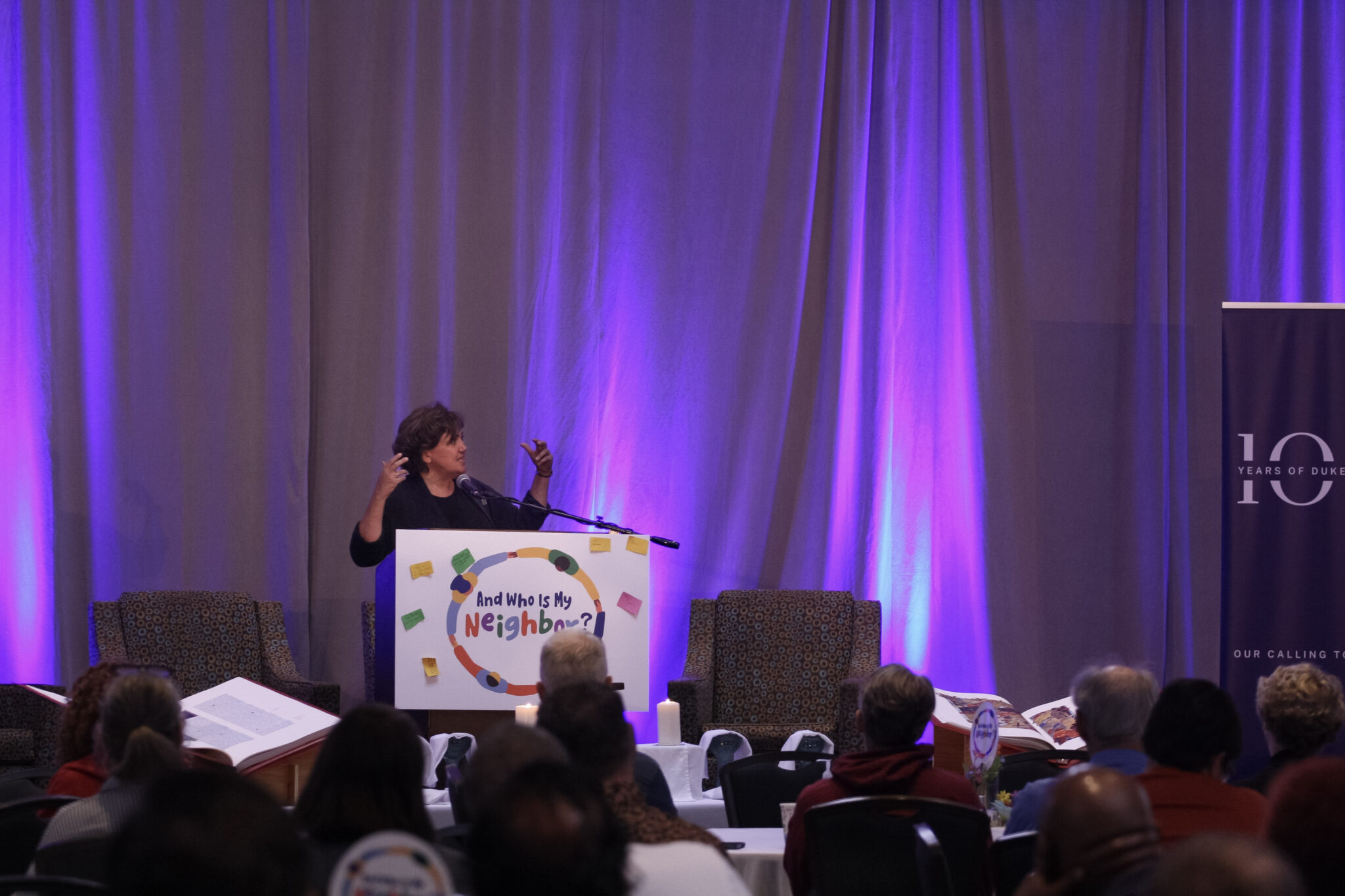
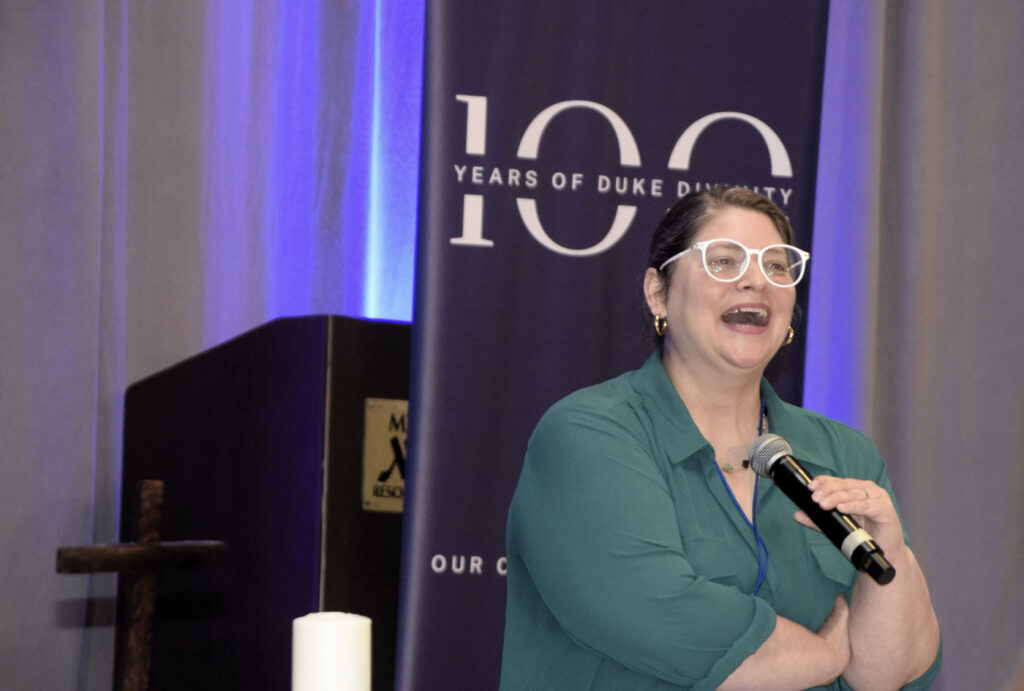
To close out convocation, Neal preached about the vitality of the rural church, through both the beautiful and the hard. It is especially during hard times, Neal said, that rural churches — and neighboring — matter.
After her mother and father-in-law recently experienced medical crises, Neal spoke of the comfort that came from God’s presence, and the presence of her in-laws’ rural church — through visits, rides, casseroles, and prayer chains.
Through stories like these, and the Parable of the Good Samaritan, Neal said we can “imagine how the world might change if we started acting like the neighbors that we’ve been looking for.”
Editor’s note: The Duke Endowment supports the work of EducationNC.
Mebane Rash contributed to this article.
Behind the Story
This story is a part of EdNC’s faith work. If you’d like to share your faith story with us, reach out to hmcclellan@ednc.org.