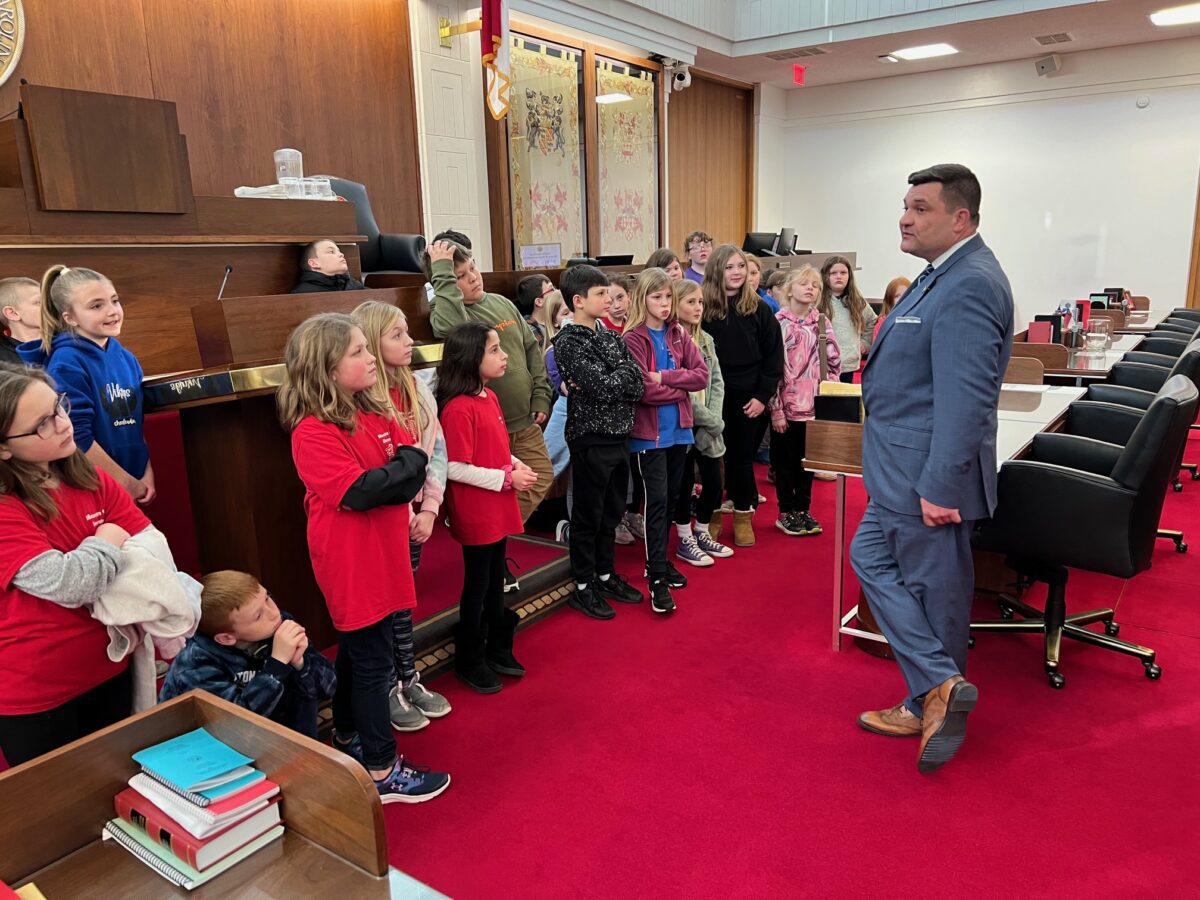
Jeffrey Elmore was simultaneously an art educator in Wilkes County Schools and a state representative for North Carolina’s 94th House district at one point. He spent 24 years in the classroom and 11 years in the North Carolina General Assembly.
He’s a self-described introvert, which may catch people off guard considering his two arenas of occupation. “Both education and politics are social jobs,” said Elmore.
The crossover doesn’t stop there. “The big thing with teaching and politics is you have to understand the shoes that the other person’s walking in. You have to have that empathy for them. And that always helped me because people come from different places on different issues, and it’s all about perspective,” reflected Elmore.
In his time as an educator, Elmore taught elementary, middle, and high school students. He is now the senior policy advisor for Speaker Destin Hall, R-Caldwell.
In honor of Arts in Our Schools month, EdNC spoke to the former Republican legislator about his time in the classroom and his thoughts on arts education. This interview has been edited for length and clarity.
What was the moment that made you decide to go into teaching — and especially the arts?
I always was interested in my arts courses. It kind of hooked me in middle school. We were doing contour drawings, and the teacher was showing what looked to be just this squiggly line that couldn’t be anything, and magically, a beautiful picture appeared on the blackboard.
That kind of sparked it. I was amazed that, basically, from nothing, you can have something beautiful almost instantly. I found that fascinating, and I couldn’t get enough. I also found in arts class that there’s no defined answer. You can make it into what you want to be.
I would do things through our local art gallery. I did dual enrollment classes, and that was back when you didn’t get credit for them, but they had an agreement with the community college.
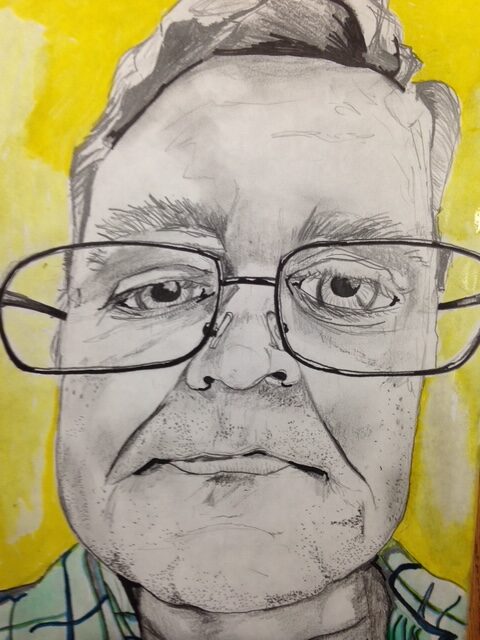
I never really related any of my experience to teaching until my high school guidance counselor looked at my schedule and saw an open slot. He said, “I have an idea for you, try it and just see if you like it or see if you don’t.” He suggested putting me in the self-contained EC (exceptional children) class to help the teacher. They wanted me to be another set of hands to help the kids one-on-one. I found the interaction just exhilarating. I got into it. The teacher had enough confidence in me that she would leave the substitute plan and ask that I do the short lesson.
I really liked it. And then the guidance counselor suggested I apply to become a teaching fellow. At that time, it was a full ride, and it paid living expenses. I said I was interested. It was kind of my own personal love of visual arts, combined with this classroom experience, that led to me going into teaching.
What was your favorite art project in the classroom year over year? Was it your students’ favorite too?
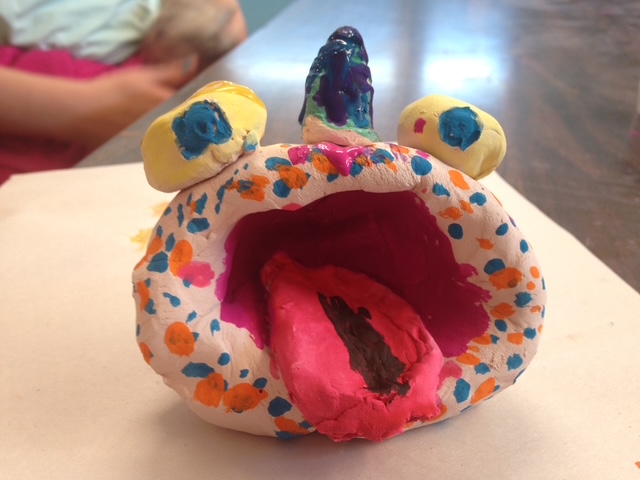
Kids always love clay work. The way that I set up my class, we always did something with drawing, something with collage, we did something with watercolor, something with tempera paint, then we would do clay work.
Which, I love clay work, too. I collect and make pottery — that’s my thing. In school, my concentrations were sculpture and painting. I always liked the watercolor techniques. The students didn’t enjoy that as much, but I felt like they needed the exposure.
What leadership tools did you learn in the arts classroom that you took to your job as a legislator?
Developing bills or developing ideas is truly a creative process. You start by figuring out what exists, almost like looking at past artwork. Then you think, “How do I want to change this, to make it into something better?”
So it is very much a creative type process. Another thing I learned was how to manage personalities. As a teacher, you have to meet a kid where they’re at. Kids are from different backgrounds, have different viewpoints, and have different ways of processing.
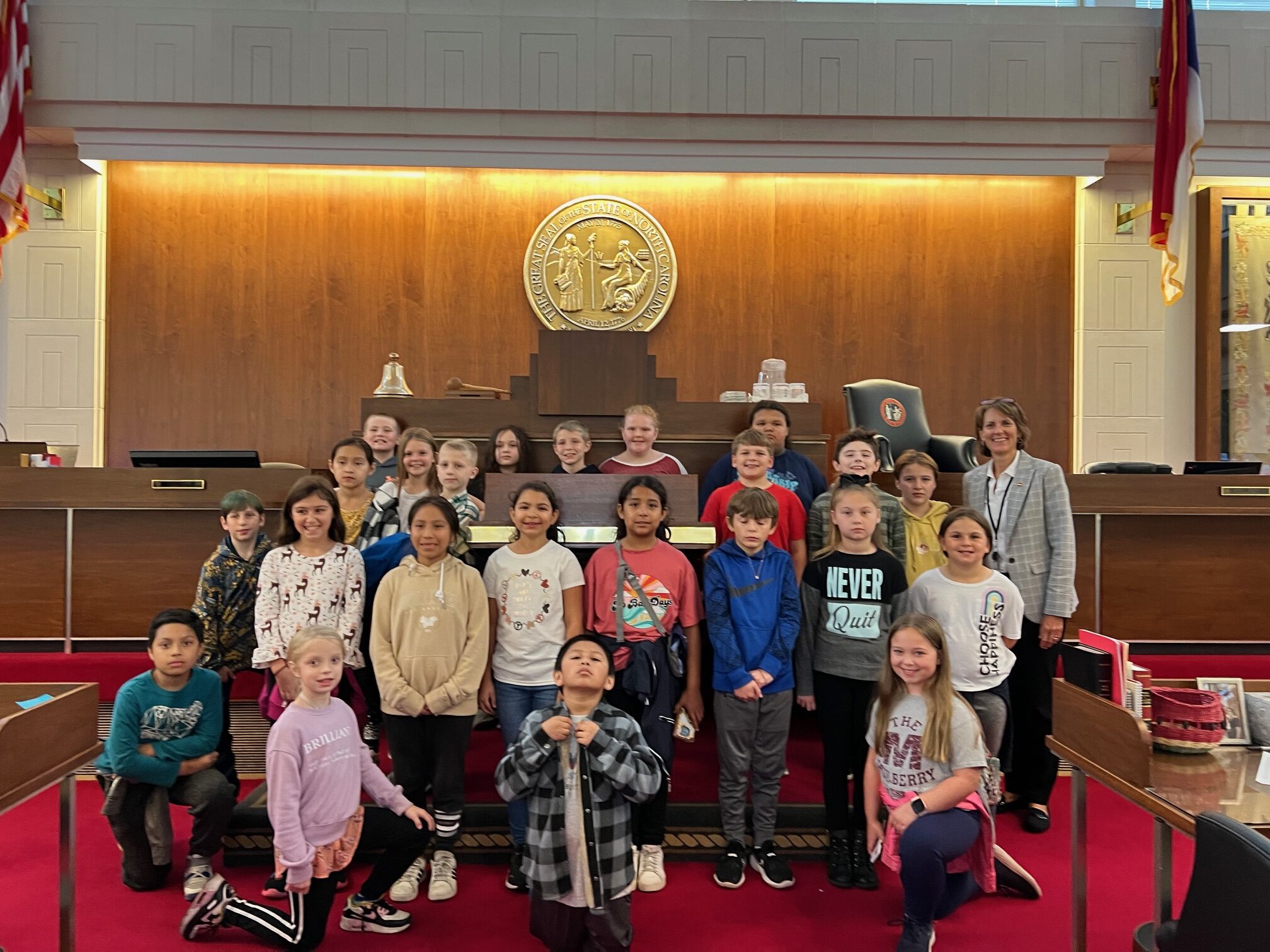
This place — the N.C. General Assembly — is a prime example of that. People have different professional backgrounds, and they’re from different regions of the state. That ability as a teacher to meet people where they’re at is a very powerful skill.
Also, the public speaking component of being a teacher prepares you. That’s a very useful skill down here, especially with floor speeches and managing a committee. Classroom management skills really applied well when chairing a committee.
You believe that the arts can be the linchpin in school for some students. Could you tell me more about that?
During my time as an educator, there were different waves of accountability and testing. It really ramped up as time went on, especially with the little ones in reading and math. Students are inundated with it each and every day. So [the public] looks at the “special areas,” what some consider art classes, as a treat. I think that downplays the importance of what these subjects, like art, do.
I’m a big believer in honoring learning styles. There are kids who learn better with their hands — they’re very tactile learners — so I made my curriculum as hands-on as possible.
At the high school level, I would argue that band participation, choral group, even general art classes — for a lot of those kids — that was the main thing keeping them from dropping out. It gave them a sense of purpose, and that was critical there.
In art class, we built critical thinking skills. We observed. We asked, “How do you see the world?” In music class, students are getting in front of people, they are sharing their voices, and interacting with others.
Do I think every kid needs to be a soloist in the opera or the next Pablo Picasso? No.
But I think exposure to the arts and the thought process that the arts help develop is critical for the labor market right now. It’s actually more essential than ever.
 Sign up for the EdWeekly, a Friday roundup of the most important education news of the week.
If there was anything you’d want people to know about the importance of arts in our schools, what would it be?
The arts are core. They are not supplementary or just for the kids to have fun. This is something that kids need, and in this 21st-century economy, it’s essential.
AI is coming like a bulldozer. I read an article that compares the progress of AI and how it will shape our labor market to the impact of electricity.
Their whole work world is going to change dramatically. So in this new economy, what skills can differentiate the worker and help them meet their professional goals?
A lot of the skills that are lacking in the labor force right now are developed in the arts classroom. It may be in dance, drama, music, or visual arts — those critical thinking skills are developed in those classrooms.
The arts are core.
— Jeffrey Elmore
On educators and politics
EdNC also talked with Elmore about educators and politics.
“They definitely should be involved in politics,” said Elmore. “Politics does shape what happens in the school.”
“Don’t let other people steal your voice,” he said, encouraging educators to understand their own core beliefs and conduct their own research.
“I truly believe,” Elmore said, “teachers should be knowledgeable on the stances of their elected officials, the stances of candidates.”
Recommended reading