
Small district, big impact: Building a unified literacy vision in Whiteville City Schools

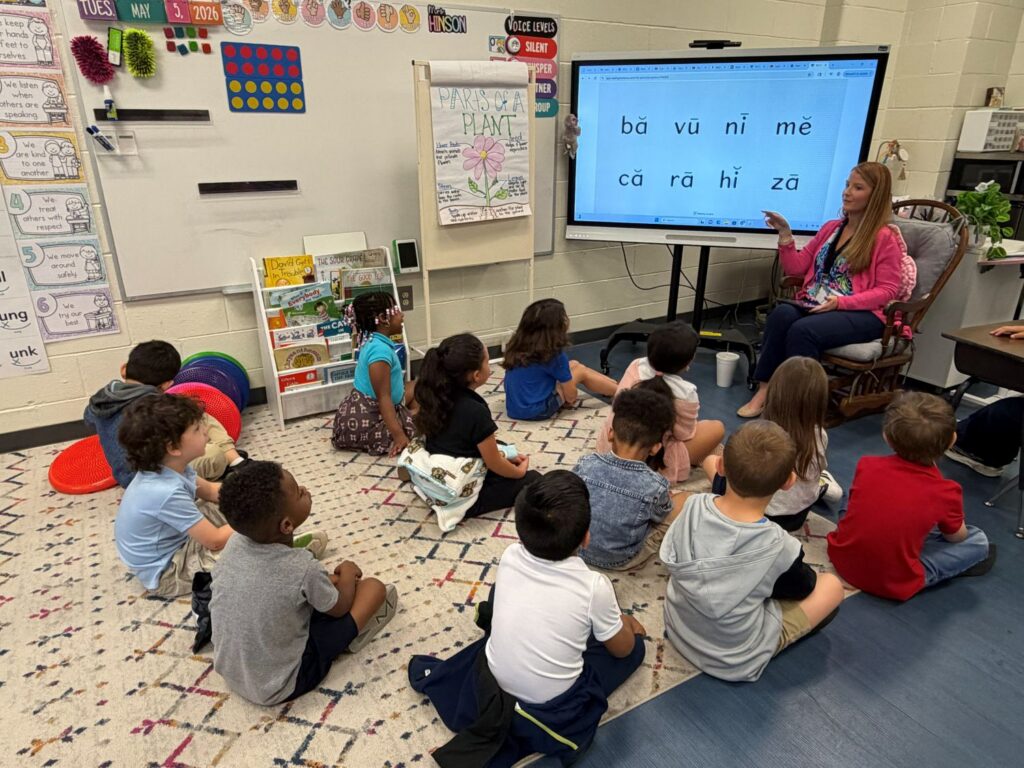
“Small district. Big impact.” It’s more than a motto for the curriculum team at Whiteville City Schools, it’s a daily commitment in action.
In a district where professional connections and a unified vision drive collaboration, that mindset is translating into meaningful gains in early literacy. By prioritizing alignment, consistency, and strong collaboration across schools, Whiteville is proving that size doesn’t limit success, it can actually accelerate it.
At the center of this work is a committed district literacy team that meets consistently to strengthen communication and alignment across the district.
“I think a lot of it starts with this team,” said Kazie Martin, an Early Literacy Specialist (ELS). “We meet monthly as a district literacy team to make sure that communication is consistent.” In her role, Martin helps bridge state literacy priorities with district implementation, ensuring coherence across all levels of the work.
 Sign up for the EdWeekly, a Friday roundup of the most important education news of the week.
Scaling what works and aligning systems to support students
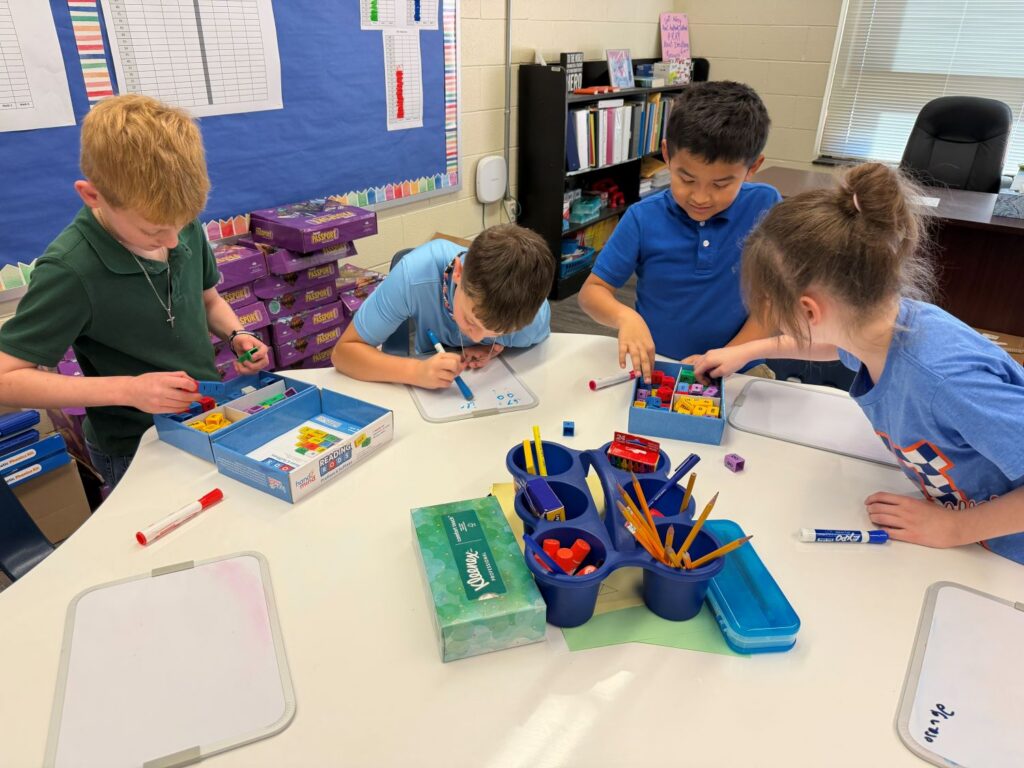
For nearly a decade, Whiteville Primary has implemented Reading Horizons in its K-2 classrooms. After seeing strong results, the district expanded the program into third grade this year, following a successful pilot at Edgewood Elementary. The expansion reflects a broader district commitment to building coherence, not only in curriculum, but also in instructional language and expectations.
“It was important to streamline the language and expectations so teachers and students could experience the same consistency across planning, instruction, and intervention,” said Ashlee White, director of curriculum and instruction.
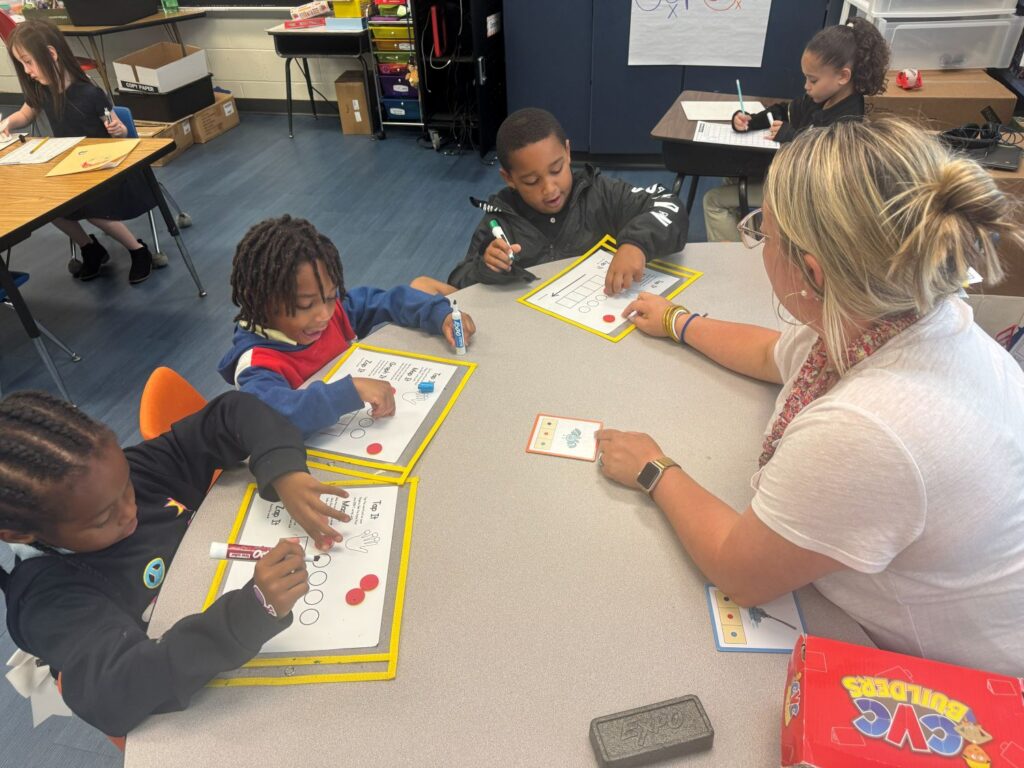
Looking ahead, district leaders are working to extend that same alignment into intervention supports, including fourth grade students identified under North Carolina’s Read to Achieve initiative.
“We’re using the resources we have that we know work to close gaps with students,” Martin said.
Next year, the district is exploring the adoption of an aligned comprehension program to further strengthen literacy instruction. Plans are underway to incorporate these additional steps into the district Literacy Intervention Plan, ensuring students encounter consistent language and strategies across all levels of support.
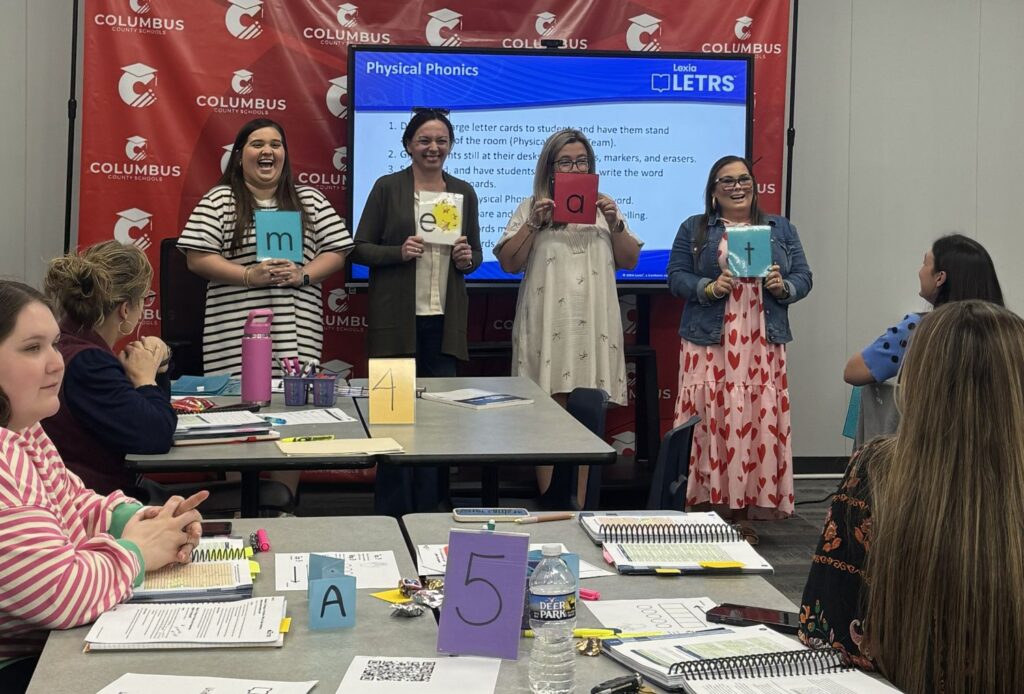
The district is also intentionally supporting beginning teachers by connecting their Language Essentials for Teachers of Reading and Spelling (LETRS) training to classroom practice.
“It allows for a much clearer understanding of the correlation between the science of reading and instruction we are already doing,” Martin said.
Strengthening MTSS and data use
A major focus this year has been clarifying the district’s Multi-Tiered Systems of Support (MTSS) framework.
“We have helped teachers understand that MTSS is a framework that all students go through to receive additional support,” Martin explained. “Everything begins with a strong, solid core for all students, followed by research-based interventions.”
Interventions primarily take place within the classroom, supported by teachers, instructional assistants, and interventionists. In some cases, teachers collaborate across classrooms based on student data, creating more intentional connections throughout the school day.
To strengthen this work, the district has refined its data systems.
“We have adjusted our district framework to include entering the data in Infinite Campus to seamlessly monitor each student and drive instruction based on the level of intensity they need,” White said.
A district MTSS team meets every other month to support teachers, while school-based teams meet monthly to review student data and guide instructional decisions.
Creating feedback loops through walkthroughs
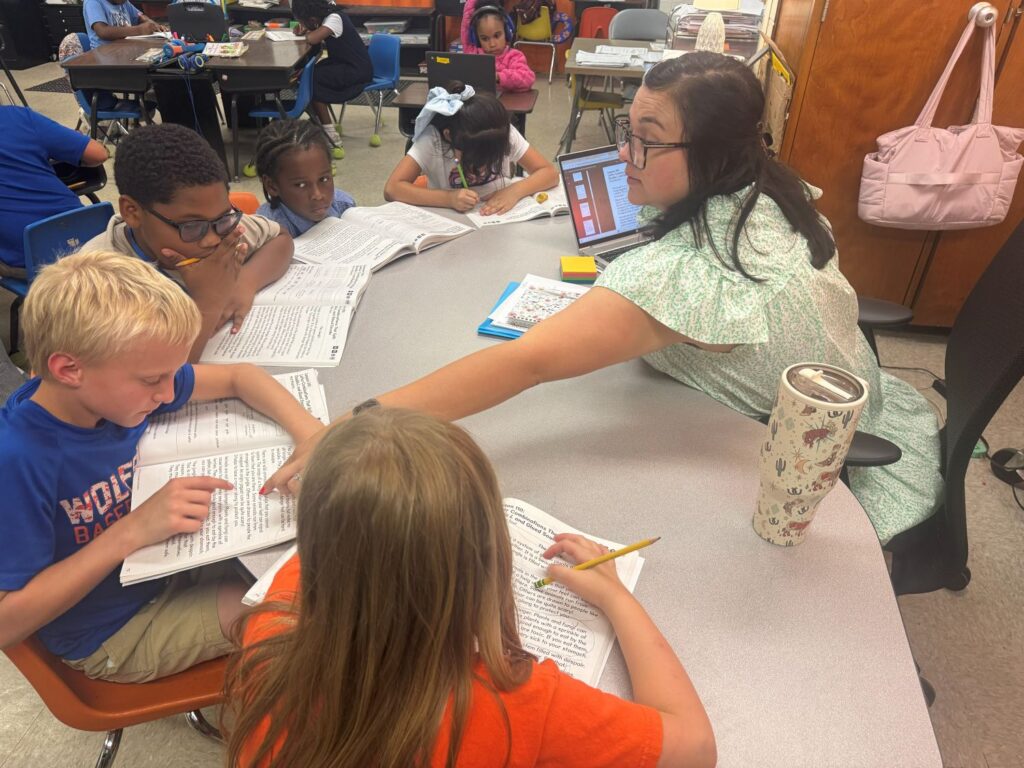
Another key strategy has been increasing the frequency of district walkthroughs. Leaders now conduct approximately 15 walkthroughs per month, rotating across schools. These visits serve multiple purposes: monitoring implementation, building relationships, and gathering data to inform professional development.
“It helps ensure we are implementing with fidelity while also building supportive relationships,” White said. “Students enjoy when others come in, show interest, and ask about what they are doing or what they’ve learned.”
The walkthrough process includes immediate feedback through an automated form, allowing teachers to receive timely, actionable insights.
“I’ve even put a note on a kid’s desk,” White added.
District leaders analyze walkthrough data to identify trends and inform professional development, professional learning community discussions, and coaching support.
Building ownership and capacity
Whiteville’s size, often seen as a challenge, has also become a strength. The district benefits from having its ELS work across both schools, creating continuity in implementation. They also have strong pre-K programs in the schools, serving nearly half of incoming kindergarten students, supporting early literacy foundations.
Additionally, many teachers are deeply rooted in the community. “Most of the teachers grew up here,” Martin said. Whiteville is building its own educator pipeline.
The district has also made significant progress in data practices. A structured progress monitoring calendar, paired with consistent reminders and ongoing conversations, has led to a fidelity rate above 80%. It has become second nature for teachers as they are making connections and understanding the intentionality and purpose.
Despite the progress, district leaders remain focused on sustaining momentum and deepening understanding. One ongoing priority is building teacher buy-in around instructional shifts.
“We want all teachers to understand that everyone is a reading teacher,” Martin said.
The district is also working to protect time for collaborative planning during the school day, led by instructional coaches, and continue to refine master schedules to maximize instructional impact. Through intentional alignment, strong communication, and a shared commitment to literacy, the district is demonstrating how focused systems can lead to meaningful gains for students.