This article is part of EdNC’s fall 2025 “mini-blitz” to visit community colleges with presidents who began their tenure in the last two years. You can read all of our coverage of community colleges here and all of our coverage of community college presidents here.
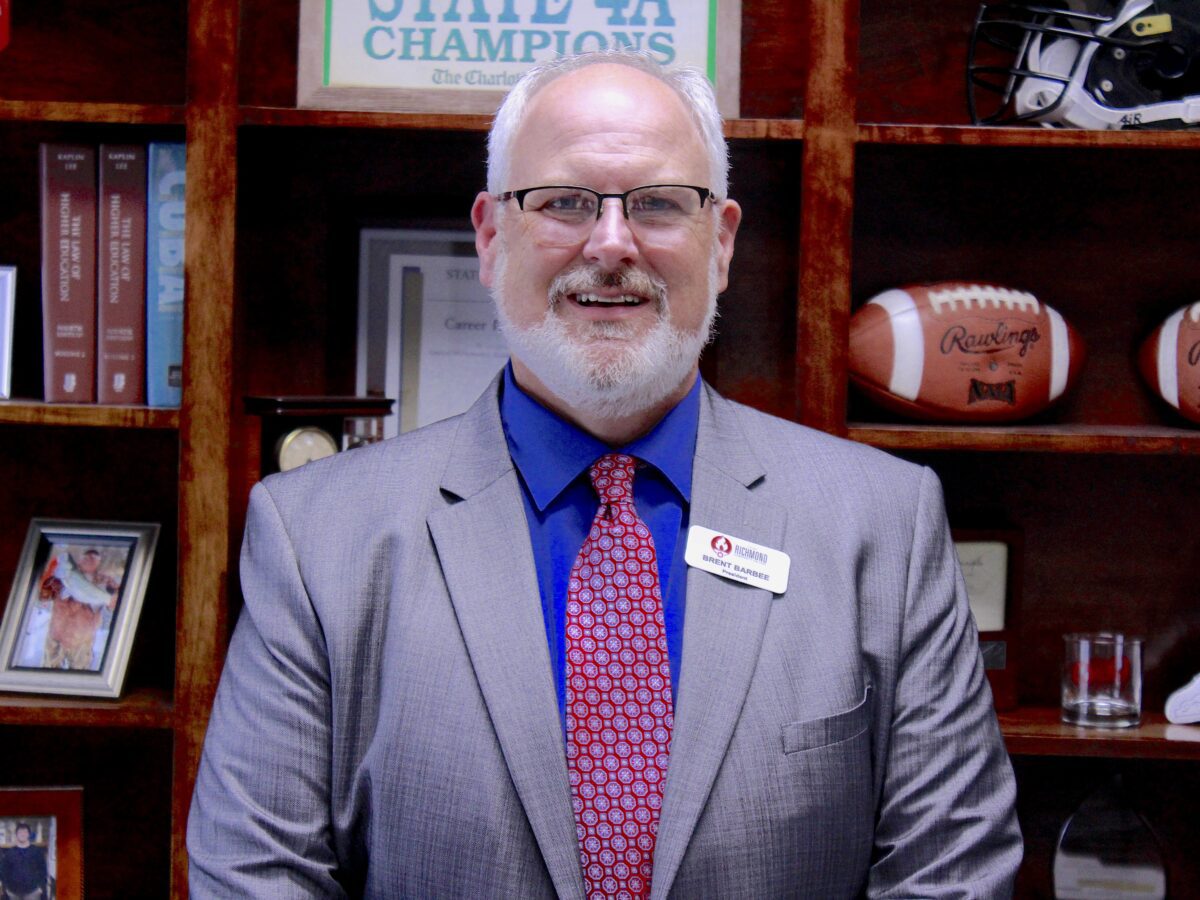
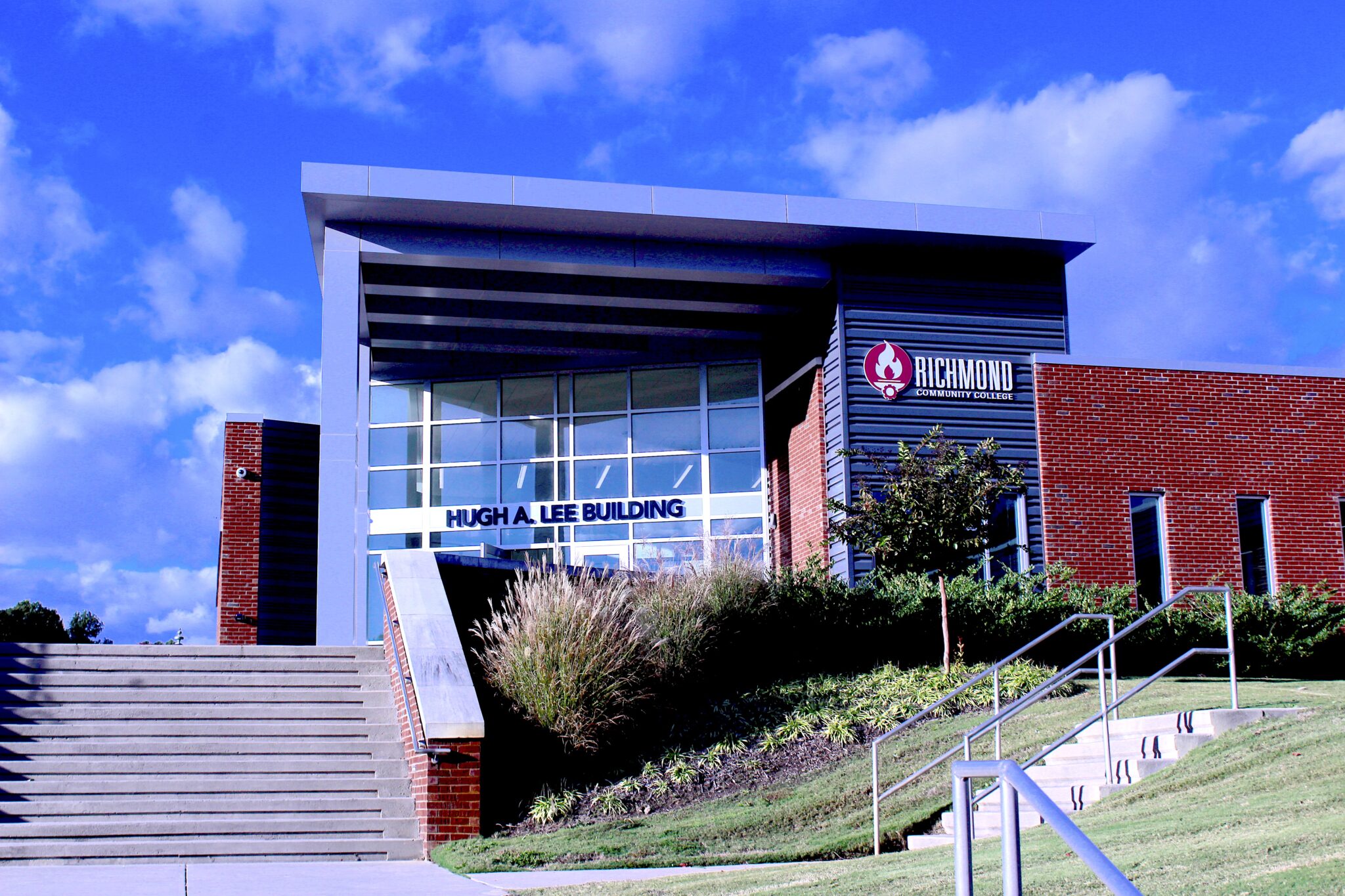
Nov. 1 marked Brent Barbee’s one-year milestone as president of Richmond Community College (RCC). However, he was well-acquainted with both the college and the local community long before stepping into the position.
“This is my community. I am from this community,” he said.
Since the age of 5, Barbee has called Richmond County home. After relocating to the area in 1976, his family established Barbee’s Jewelers, a business that eventually expanded to nine stores across three states.
 Sign up for Awake58, our newsletter on all things community college.
Notably, Barbee draws parallels between many of his current experiences and the lessons he gained from his early career working in the family business. He started out engraving trophies in his childhood and moved on to working in sales during high school and college. After graduating from college, Barbee handled accounting and assisted with other store supervision and operations. He later became a goldsmith and did jewelry and watch repairs, in addition to managing the accounting during a period when his father battled cancer.
Barbee credits his family with laying the foundation that has led to a long career at RCC, where he’s evolved from purchasing agent to president.
Unexpected alignment
Years before he started his role as the purchasing agent and equipment coordinator at RCC, Barbee says that he had already begun developing skills aligned with the responsibilities of the role.
A Richmond High School graduate, Barbee was a student athlete and a part of the offensive line for the Raiders’ 4A state championship football team in 1988. He continued playing at the collegiate level, having intentionally leveraged football as a means to secure a scholarship to Gardner-Webb University. But after enduring pain and complications with his knees, Barbee was advised that medical procedures would be a temporary solution to a permanent problem, forcing him to retire from football.
That decision ultimately funneled him into a different spot on the team as the equipment manager. Having worked in his family’s retail stores, Barbee realized that he was already accustomed to purchasing and keeping track of inventory. According to Barbee, in just his first year, he was able to save his coach about $15,000 in the team’s budget after organizing the equipment, creating an inventory sheet, and assessing the need to reduce spending.
“I loved accounting and that really sparked me to go into accounting because of what I was doing,” he said.
Barbee went on to complete his bachelor’s in accounting and business administration. In the subsequent years, he worked with his family’s businesses until he joined RCC in 2004. Aside from checking out a book his senior year of high school and taking one trigonometry course at a different location, Barbee says that he didn’t know much about community colleges.
When he began his first role at RCC, Barbee quickly found congruency between his past responsibilities and his new career, which has since spanned more than 20 years.
From lineman to quarterback
Over the past two decades, Barbee has worn several hats at the college, including purchase agent, director of emergency services and public safety, and chief financial officer. For Barbee, lessons from each role compounded his efforts to become a better leader along his journey to becoming president.
Since the beginning, Barbee says that he has had to learn how to work with people of all different walks of life and of all different types of educational skills. Over the years, Barbee realized the importance of building relationships, stating that one has to “find out who you’re working with to figure out how to serve them.”
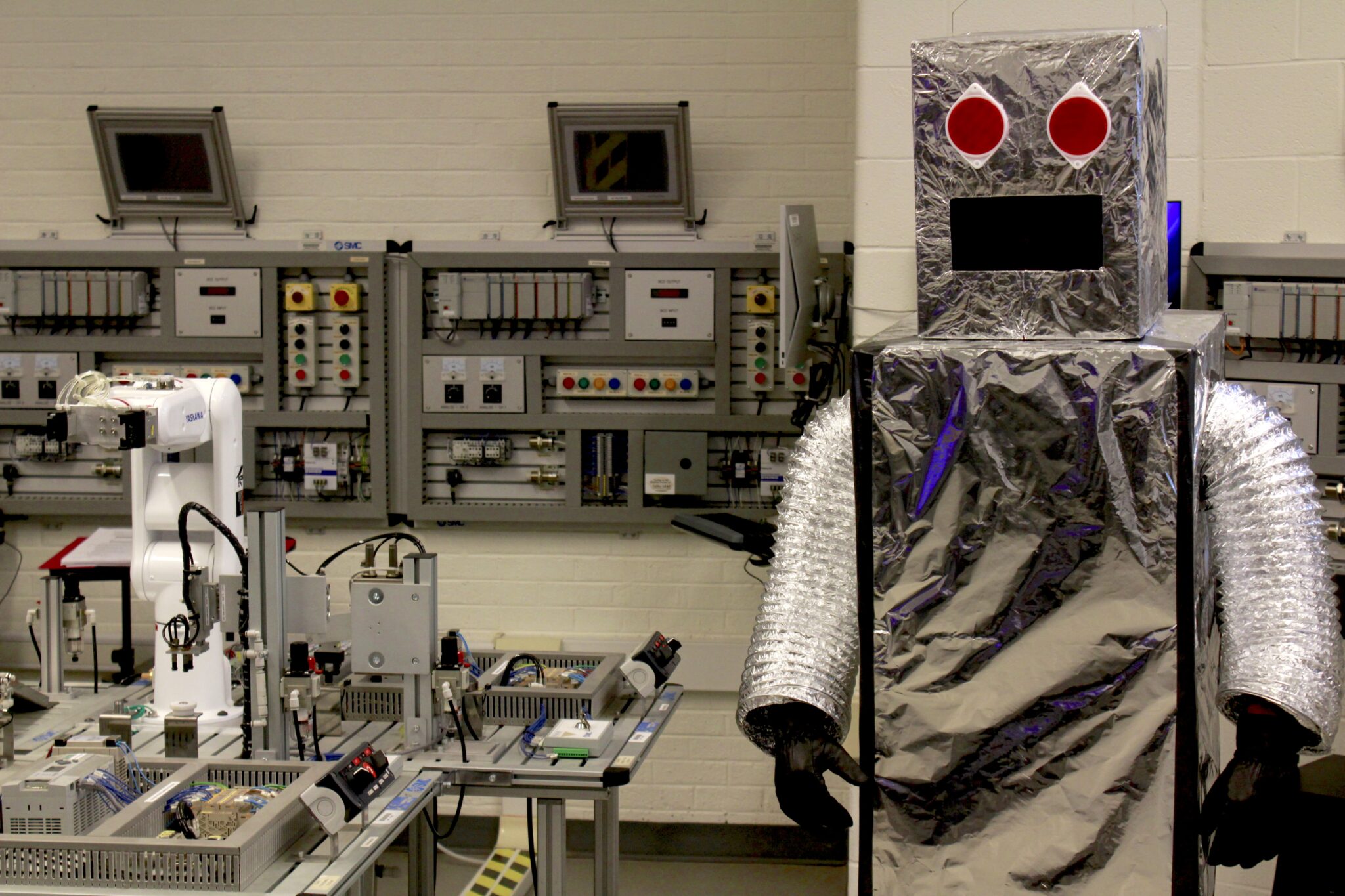
For instance, Barbee recalled one of the first major purchases that he made for the college being a robot for an engineering faculty member. “I went to his office and told him I needed him to teach me about the robot,” he said. In return, Barbee remembered the faculty member meeting him with gratitude for his interest in understanding the product.
“I learned the college. I learned the departments. I learned what we did,” he said.
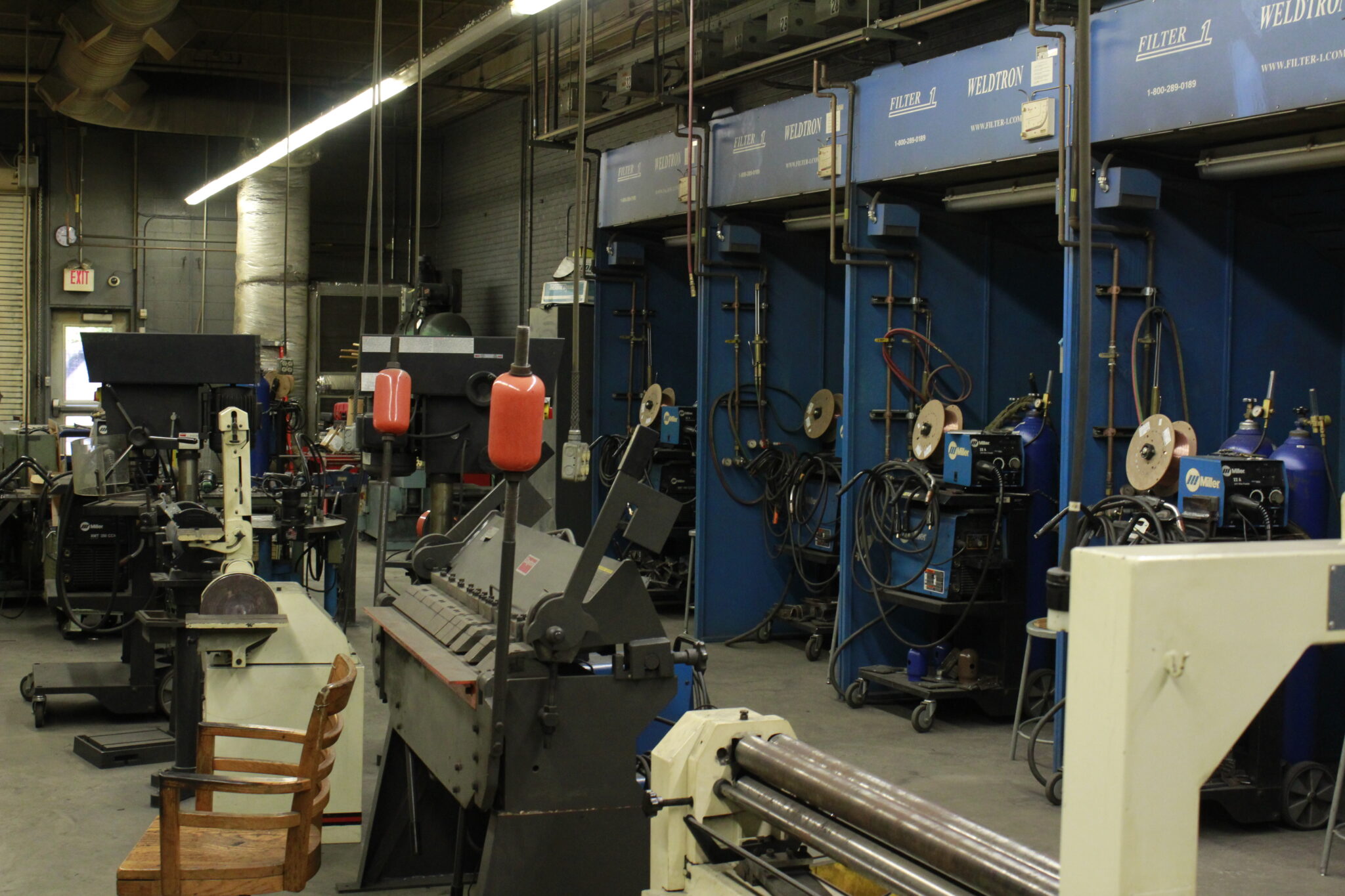
In pursuit of understanding the college and his colleagues, Barbee literally became a student again. Over the years, he has taken courses such as welding, small engine repair, residential wiring, and Excel, among others.
“I didn’t have some of the vocational skills, and so for me to sit in class with some of those vocational instructors to understand how they teach and to see the students on the other side of it, makes me a better leader,” he explained.
While enrolled in courses, Barbee says that he encouraged instructors to not view him as a vice president, the role he held at the time. Instead, he encouraged instructors to see, correct, and grade him as a student. Barbee is adamant that this approach has helped him learn how to lead.
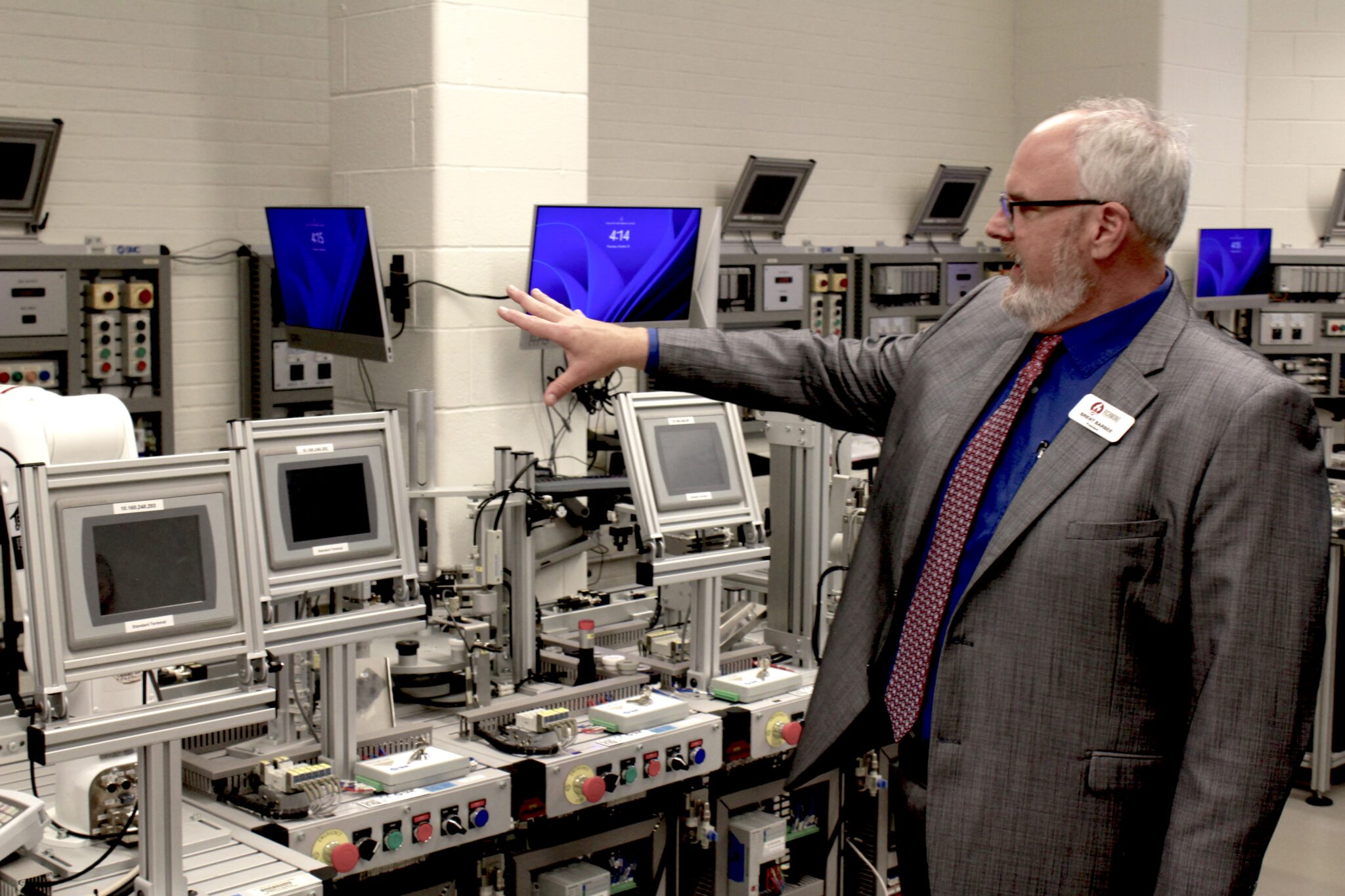
Barbee said that he expects to be treated like a coworker, not like a president. Though he recognizes that his title comes with a greater responsibility for the management of the college, he said, “I am not different from the person that I was when I became the purchasing agent of this college.”
In alignment with that, Barbee requests that faculty and staff call him “Brent,” centered on emphasizing a mutual respect among those that he works with. “It takes every single person, so that teamwork mentality has always been big on me,” he said.
Again, Barbee connected his leadership journey to his real life experience with football and the lessons it taught him about working as a team. As an athlete, he supported the quarterback as a lineman. Now, Barbee is embracing the opportunity to step in and show that he can throw the ball too.
‘The community’s college‘
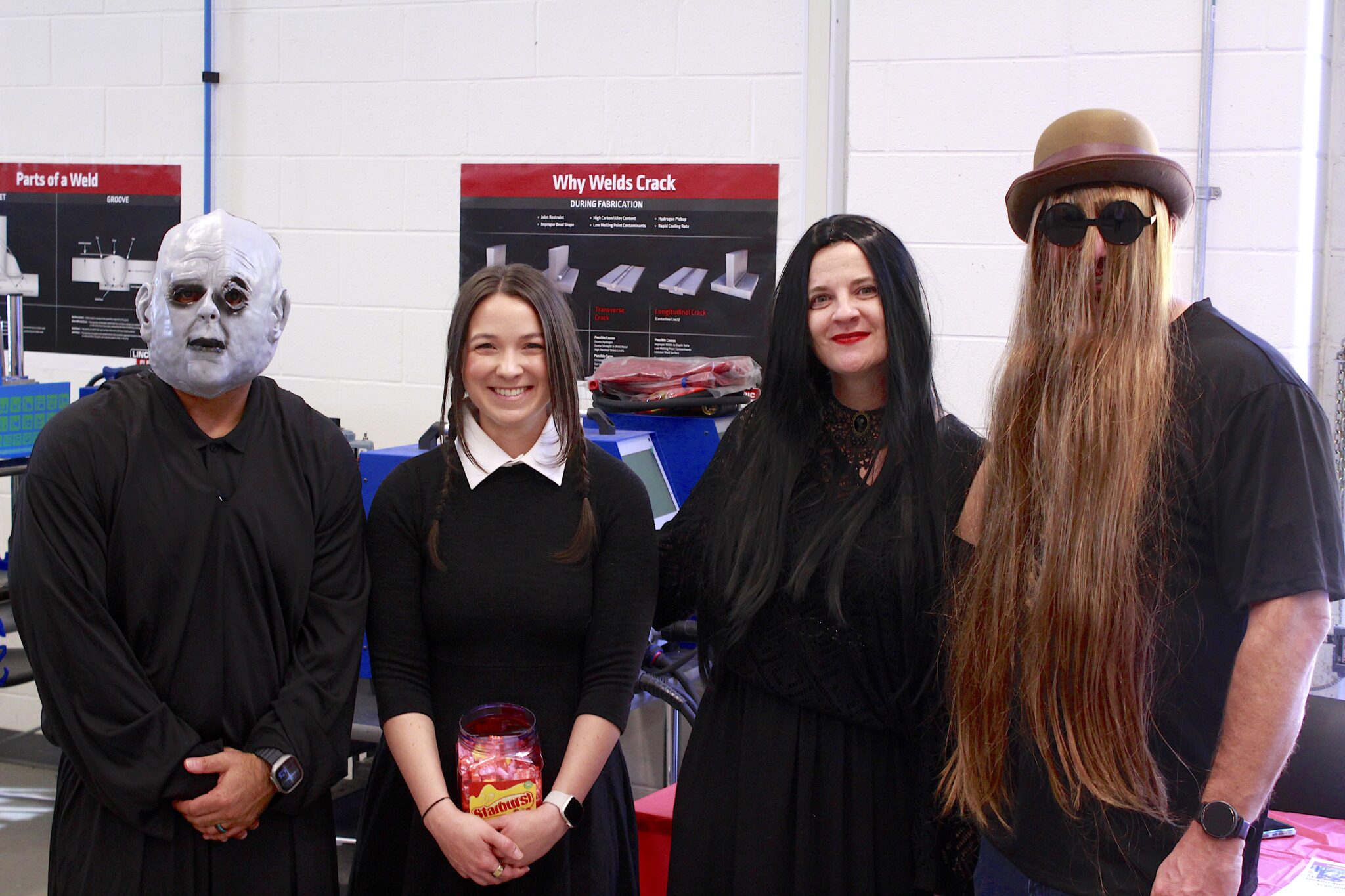
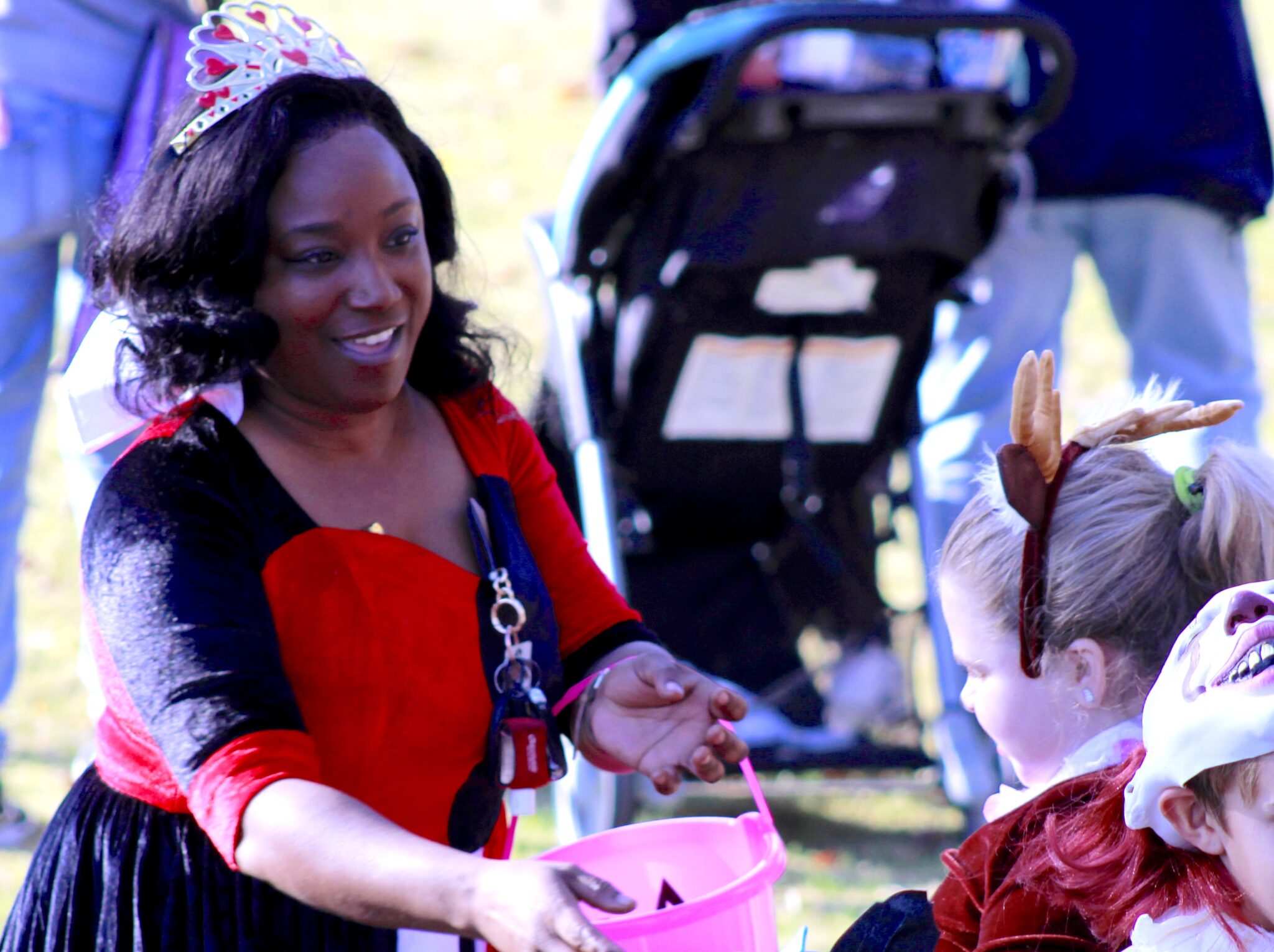
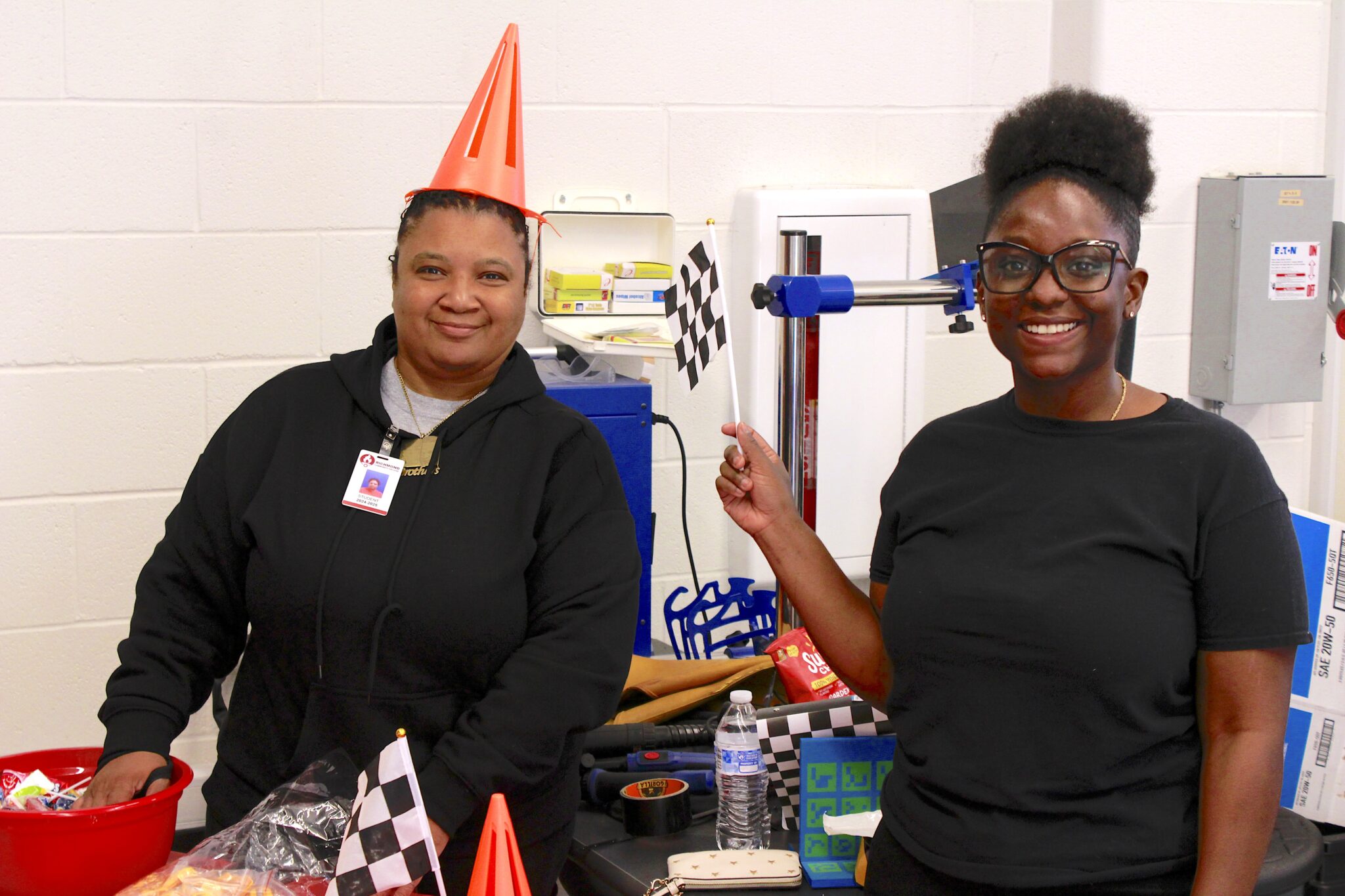
At a Halloween gathering in October, superheroes, princesses, dinosaurs, and other costumed visitors roamed RCC while faculty and staff passed out candy as a part of the college’s Trick or Treat to the Trail event. The evening was just one representation of Barbee’s desire to offer experiences that welcome families to campus and serve as a resource to the local community.


“We’re the community’s college,” Barbee stated.
When he envisions the near and distant future for RCC, Barbee emphasized that he wants “to be providing what I need to provide to this community that can best move it.” Barbee specifically underscored the college’s role in both strengthening and developing programs that address the community’s workforce and economic development needs.
For instance, in 2022, rather than waiting to secure land and construction, Barbee took a creative approach and negotiated a deal with the Laurinburg-Maxton Airport in Scotland County to develop a truck driver training program using a large wooden storage unit, portable restrooms, and the airport tarmac.
“The way that I put it to people is, if we had not done that in 2022, there would be 370 people who’ve had the chance to change their lives that would still be waiting for a life-changing moment,” he said.
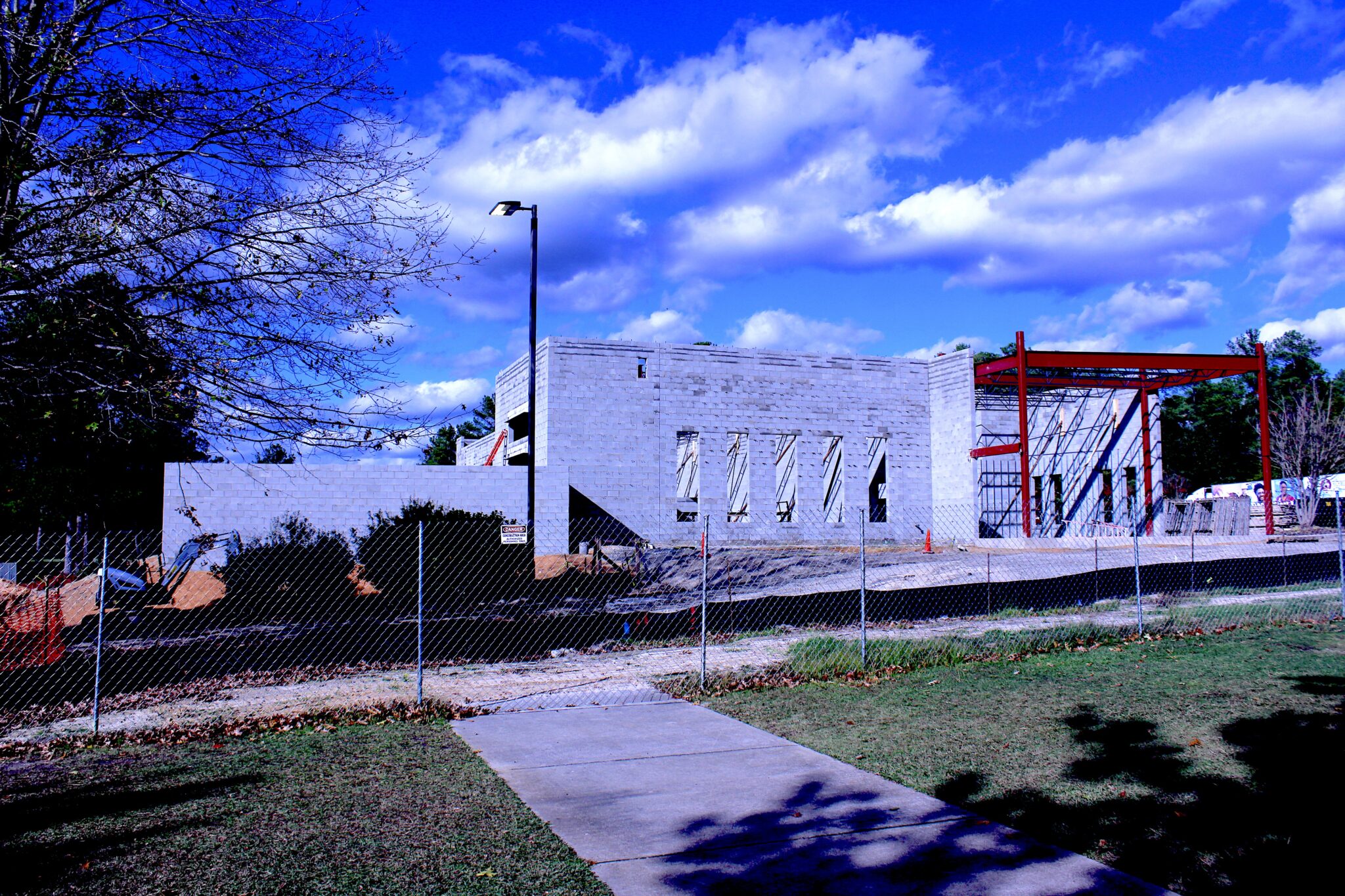
Another project that is already underway is the construction of the 10,000-square-foot Hendrick Center for Automotive Training facility, which celebrated a groundbreaking in summer 2025.
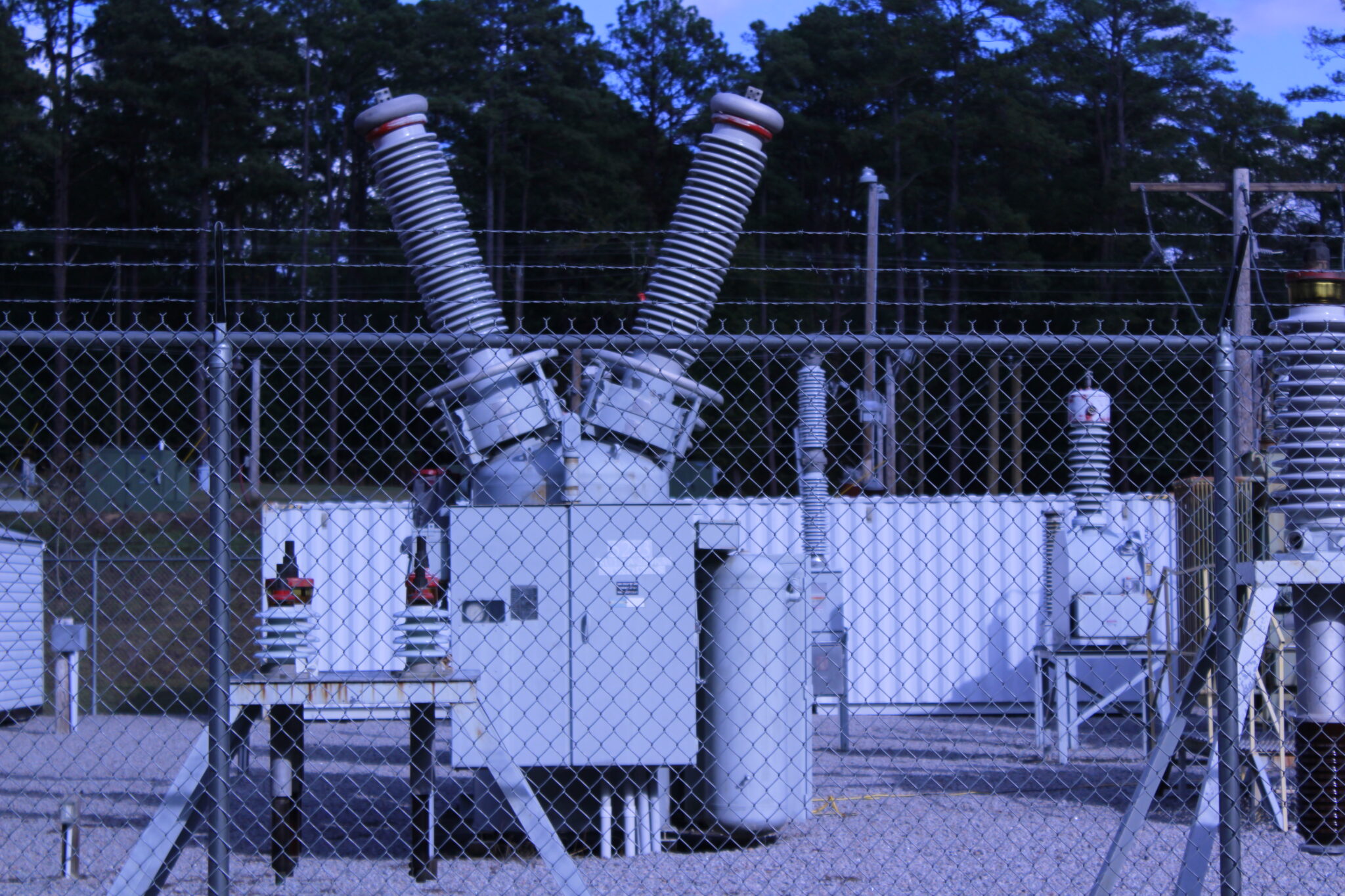
Barbee also showcased the electric utility substation and relay technology (EUSRT) program, one of the first programs that he developed with his predecessor, Dr. Dale McInnis. Barbee said that the two-year program allows graduates to enter into the workforce with starting pay over $30 an hour in roles such as field service technician, power quality engineer, substation technician, and circuit breaker technician, to name a few.
Students can not only make enough money doing this career to not only affect themselves, but also their family and their community.
— Brian Terry, RCC electric utility substation and relay technology program coordinator
Trinity Stanley is a graduate and current instructor of RCC’s EUSRT program. She shared that it provides students with “everything that the industry is looking for,” through theory and hands-on training.
The broadening of RCC’s reach also includes the recent expansion of the Career and College Promise pathway to Scotland County students at Shaw Academy, which now allows students at the alternative school to take college courses.
According to an article written by Wylie Bell, RCC’s director of marketing and communications, students from Richmond and Scotland counties who successfully complete two RCC classes and graduate high school with a GPA of 2.8 or higher are eligible to receive the RichmondCC Guarantee, a plan that offers two years of free in-state tuition to students from those counties.
“Five years down the road, I just want to continue making sure that we’re doing everything that we can do to support this community,” Barbee said.
Barbee sees opportunity on the horizon, coinciding with the announcement of the $10 billion investment to establish an Amazon data center campus in Richmond County. RCC has already joined the endeavor through training support.
On Oct. 30, the college announced that 32 students completed the first Fiber Optic Fusion Splicing Certificate course offered by RCC in collaboration with Amazon Web Services (AWS) and Sumitomo Electric Lightwave. As a result, participants received an AWS Fiber Optic Fusion Splicing certificate.
Barbee said that the college received over 150 applicants for the two-day course, which informs their intent to offer a second round of training in January. The college has also already focused on exposure at the high school level by facilitating a free, four-hour fiber optic fusion splicing micro course for seniors.
“If this college continues to invest in our community, and the community continues to invest in this college, and the partnerships that we have now with our school system, with our local industry partners, with our elected officials, we’ll be alright,” Barbee said.
Recommended reading