
The first 100 days: Meet South Piedmont Community College’s new president
This article is part of EdNC’s fall 2025 “mini-blitz” to visit community colleges with presidents who began their tenure in the last two years. You can read all of our coverage of community colleges here and all of our coverage of community college presidents here.
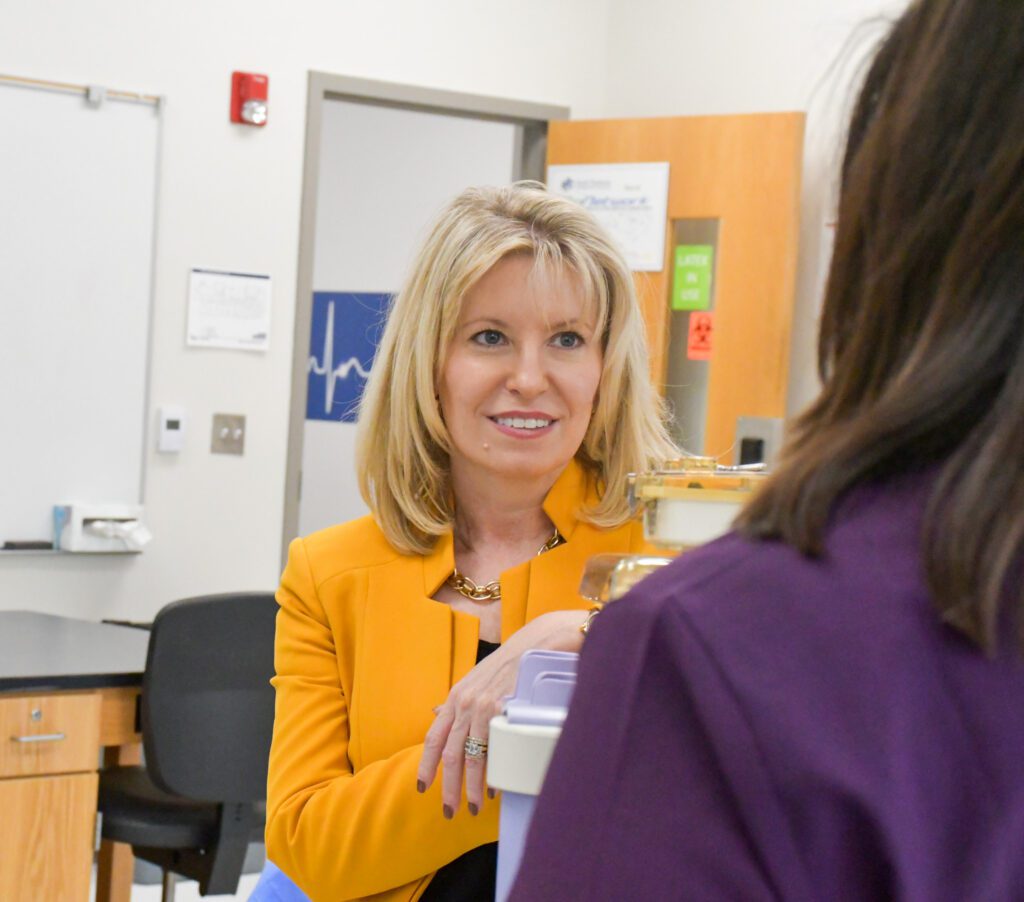
In July 2025, Dr. Stacy Waters-Bailey became the fifth president of South Piedmont Community College, bringing over 15 years of higher education experience with her.
When EdNC visited South Piedmont on her 100th day, one thing was clear about Waters-Bailey — she is passionately people-centered. She’s dedicated to positioning the college to continually meet the community’s needs.
Waters-Bailey’s vision centers on expanding access to higher education and strengthening pathways that lead to university transfer and in-demand careers. That vision includes everyone the college serves: adult learners, high school students, those seeking a high school diploma or short-term training, small businesses, employers, and more.
 Sign up for Awake58, our newsletter on all things community college.
Newspaper ad sparks change
When Waters-Bailey graduated from college, a career in education wasn’t on her short list.
“Honestly, I started out my undergrad and graduate education thinking I was going to save the world,” she said. “I was focused on environmental science, and that’s what I did.”
Waters-Bailey had a whole career in environmental health before dipping her toes into the higher education space.
An ad in a local Virginia newspaper for an adjunct instructor caught her eye, and with student loans to pay off, Waters-Bailey took a chance.
“I loved everything about it,” she recalled.
What started out as a way to pay off student loans soon morphed into a career decision that was both fulfilling and meaningful.
She eventually became the earth and environmental sciences program coordinator for Tidewater Community College, followed by a short stint as a lead academic advisor at the University of Alabama.
Ultimately, however, community colleges proved to be the right fit.
Having grown up in a small town, Waters-Bailey knew just how integral community colleges are — how they are woven into the very fabric of the community. In many ways, community colleges felt like home for her.
Working at community colleges, Waters-Bailey said she knew she was supporting the community, and the work was actually staying in the community.
Waters-Bailey has since held leadership roles spanning academic affairs, student services, and workforce development. She’s been a leader of change, building innovative student support systems and fostering strong partnerships with businesses, industries, and K-12 school systems.
Before serving as president of South Piedmont, Waters-Bailey held multiple roles at Forsyth Technical Community College, eventually becoming vice president of transfer excellence and success.
Just like in her early years, becoming president wasn’t on her radar. That came much later, with the guidance and support of mentors who saw something in her.
She’s worked hard and has a special skillset for driving strategic initiatives across multiple divisions, from securing grants to leading colleges through significant strategic initiatives.
Those around her recognize her passion and commitment for always centering the work around the individuals the college serves.
Waters-Bailey is humble as she speaks of her accomplishments, always acknowledging the people who have supported her along the way.
“Without their guidance, support, and honest conversations, I don’t think I would be here,” she said.
As she carves her own path at South Piedmont, there’s no doubt that the community will remain at the center.
Building the future for all
For decades, community colleges have been lauded as economic engines. They serve a vast array of students while creating a skilled workforce and aligning education with local labor demands.
Their impact is far and wide. Many four-year universities and employers look to these two-year institutions to help fill transfer talent and workforce pipelines.
South Piedmont is no different. Serving Anson and Union counties, the college is leading the way when it comes to meeting local workforce needs, ranking third in the state for customized training.
“We are prepared, and we’re looking at how we scale training and programming to meet the future jobs,” Waters-Bailey said.
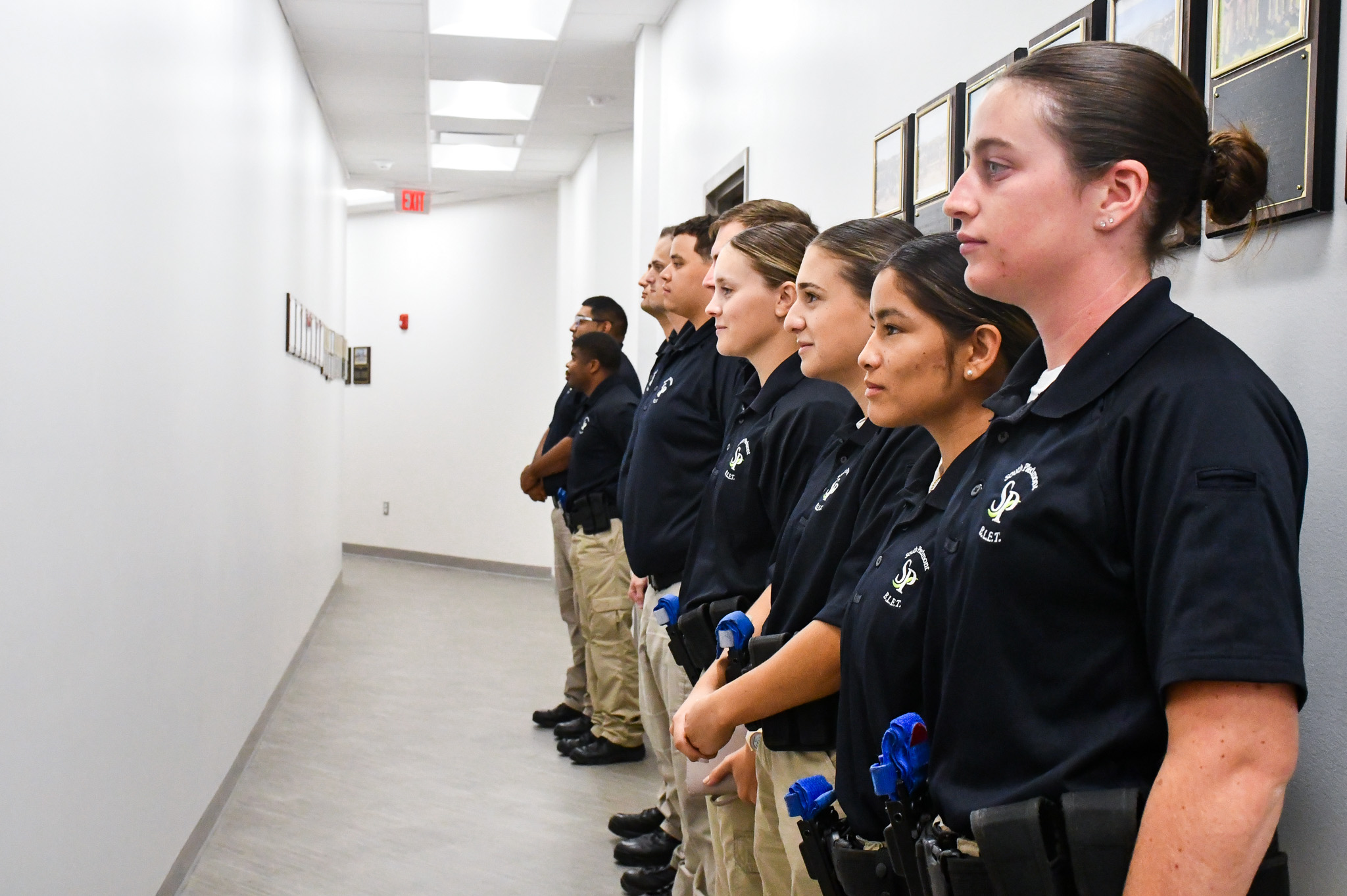
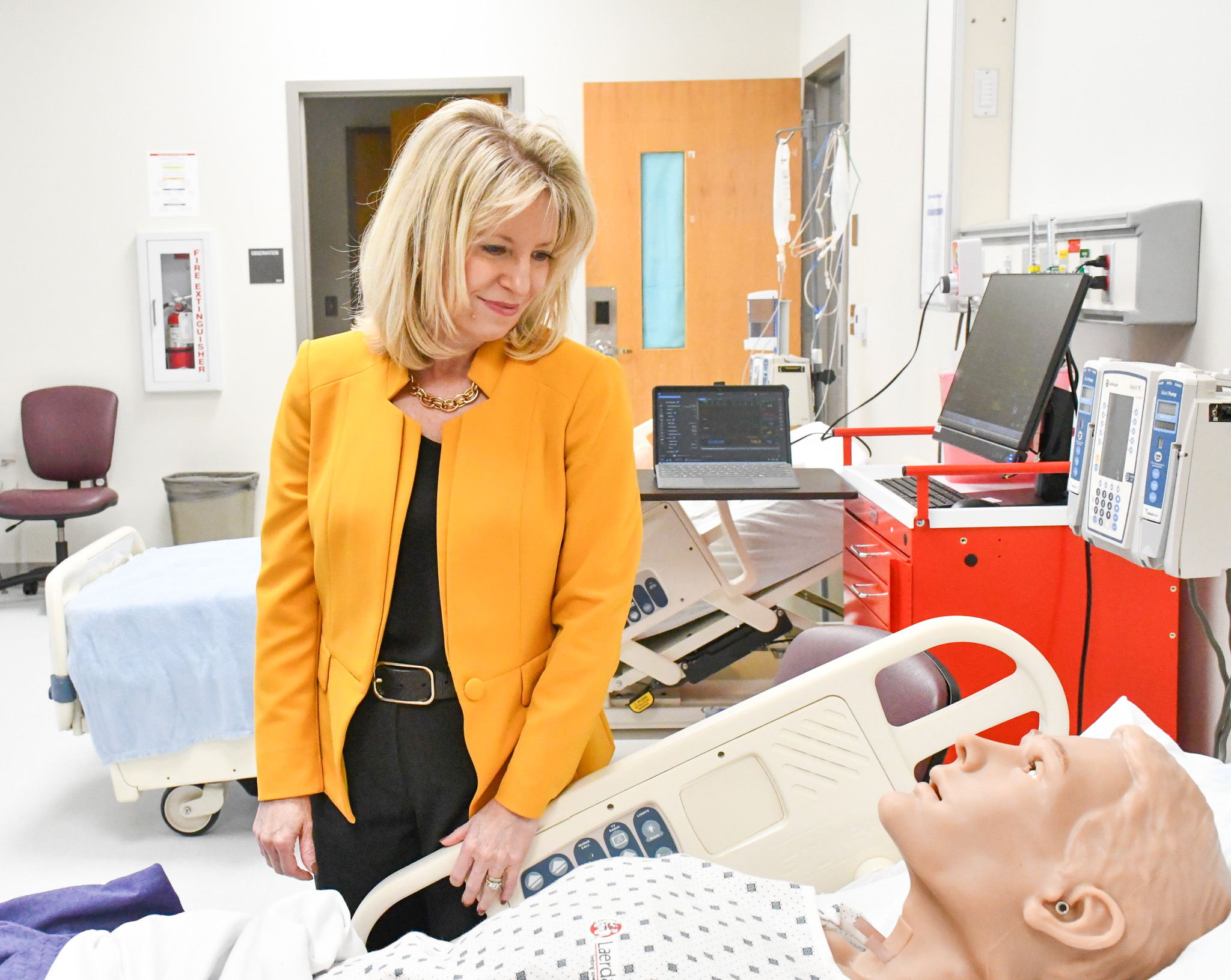
For South Piedmont, that means ensuring classrooms and labs have the same equipment students will see at their future jobs, keeping pace with how rapidly changing technology, and training faculty properly.
Last year, the college broke ground on the region’s first aseptic training facility — a 21,000-square-foot facility specifically designed to support North Carolina’s growing pharmaceutical and biotechnology industries. The life sciences industry in North Carolina already exceeds 100,000 jobs and outpaces national industry growth.
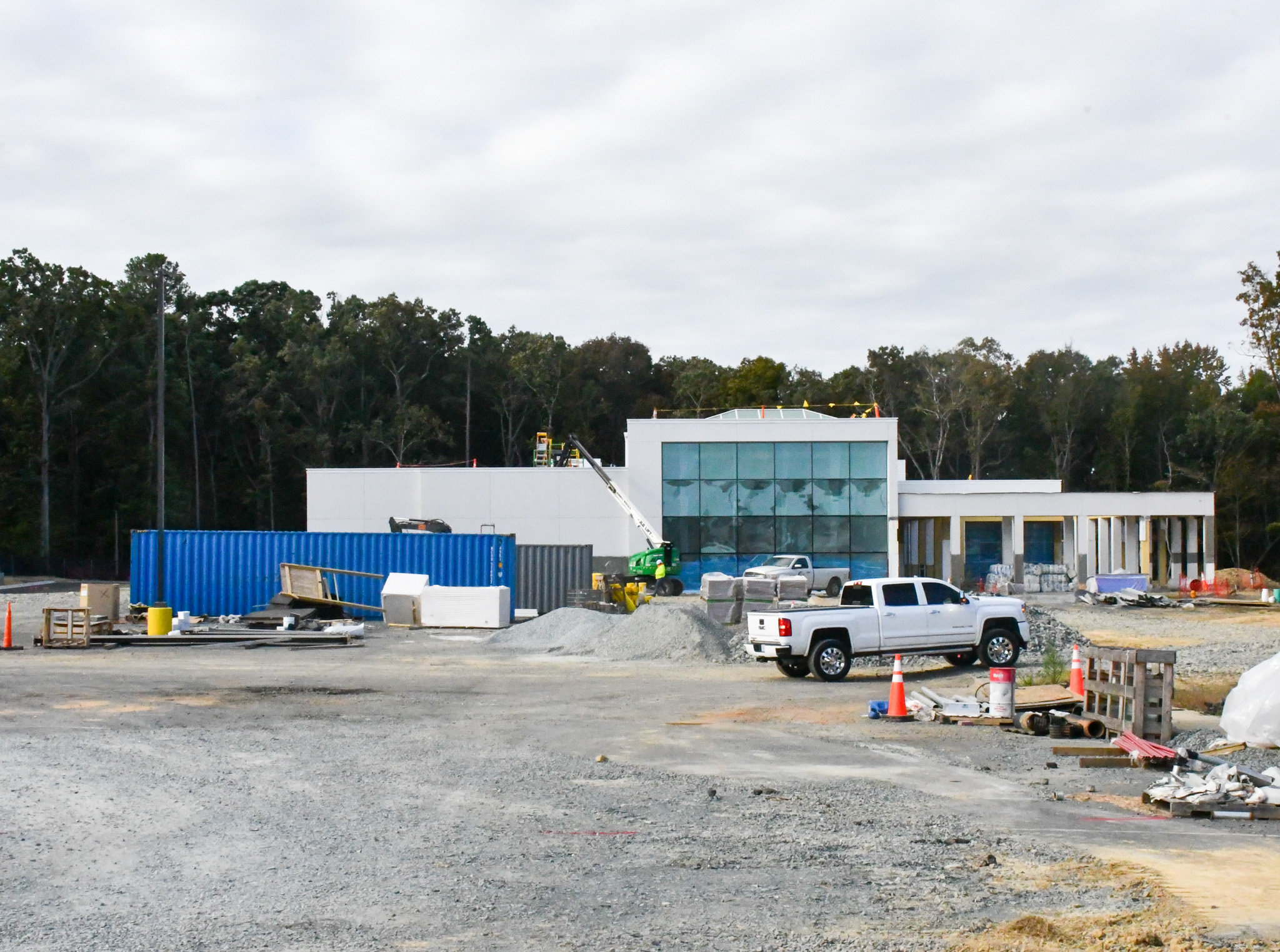
The new facility will teach students the skills and sterile processes that are required by the pharmaceutical and biotechnology industries. Students will have access to experiential classrooms, labs, and simulated manufacturing spaces.
Glenmark Pharmaceuticals has been a valuable partner in bringing the project to fruition, college leaders said. The North Carolina General Assembly also appropriated nonrecurring funds for the facility, which the college anticipates will be completed by 2026.
The health care industry is also growing exponentially. In North Carolina, health care employment is projected to add nearly 102,000 jobs between 2022 and 2032, far outpacing job creation in any other sector, according to the North Carolina Department of Commerce.
Included in that demand is the need for surgical technologists, or those responsible for preparing operating rooms and helping surgeons and nurses during surgery. The growing need for these professionals is partly due to the fact that an aging population will require more surgeries over time. Overall employment of surgical technologists is projected to grow 5% from 2024 to 2034.
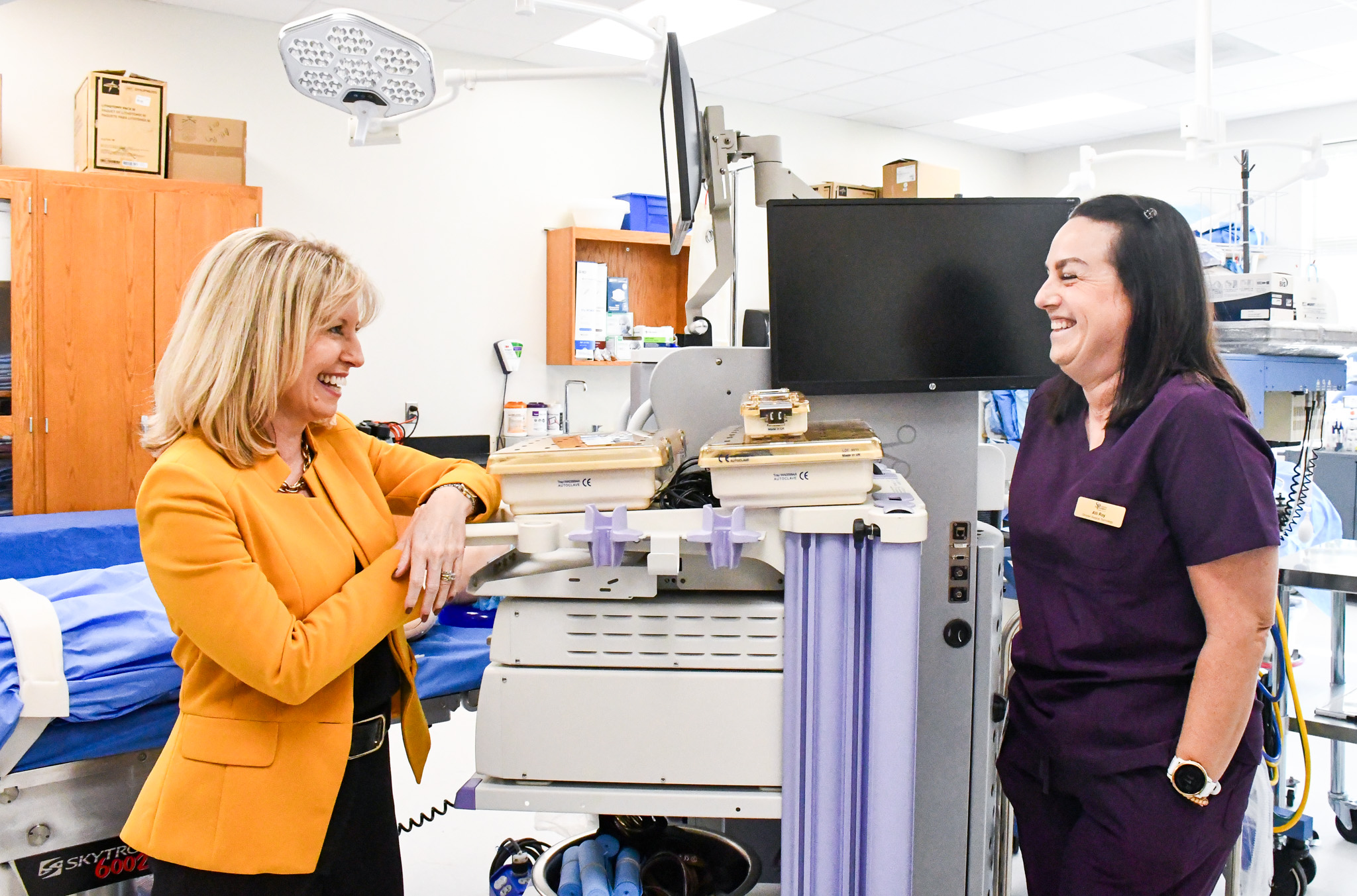
This fall, South Piedmont’s surgical technology program earned its accreditation from the Commission on Accreditation of Allied Health Education Programs (CAAHEP). According to a college press release, the accreditation offers benefits for students, graduates, and employers. Graduates of CAAHEP-accredited programs are highly sought after and bring a strong foundation of knowledge and practical experience.
At South Piedmont, the surgical technology lab is outfitted to mimic a real surgery room. Students handle the exact tools and equipment used in everyday surgeries across the country. The average student-to-teacher ratio is 6:1 and students receive clinical training opportunities at hospitals and health care providers in Anson and Union counties.
Not only is South Piedmont meeting the demands of business and industry, they’re also providing spaces for the community.
Just this year, the college started construction on their Center for Entrepreneurship. This is a transformative facility aimed at innovation, small business growth, and entrepreneurial development, supporting Union County and surrounding areas, college leaders said.
The new center is being built in front of the college’s Old Charlotte Highway Campus.
Waters-Bailey said the facility is for the community and designed to help entrepreneurs and small businesses from the beginning stages of development all the way through.
The plans for the two-story, 49,000-square-foot building include coworking space, a movie-theater-style auditorium, a podcast and videography studio, a cafe and catering kitchen, a distinctive barrel roof design, and an outdoor patio.
Decades-old alligator creates shared meaning
School mascots have long been a symbol of belonging and shared identity among institutional communities, which is why South Piedmont’s students wanted a new one.
A patriot had briefly been used in the college’s early years, but students wanted a refresh, a mascot that embodied some of the school’s history.
Enter the alligator.
On May 28, 1994, an alligator was found in a pond on what is now South Piedmont’s campus in Polkton. Local lore claims a tidal surge from Hurricane Hugo, a storm that hit North Carolina in 1989, brought him there. The gator was reportedly a popular attraction for the six days it was on campus before being moved to the state zoo, where he now lives under the name Gatorboy.
Gatorboy was rather infamous and continued making a splash on campus, even earning his own children’s book in 2019 written by the college’s Dana Glauner and illustrated by former South Piedmont student Jessica Wiersum.
It was no surprise then when the idea of an alligator mascot became an instant favorite among the community. As one college press release stated, Gatorboy defied the odds, and that spirit of resilience makes him the perfect symbol for the college.
Just like Gatorboy, our students are strong, determined, and full of potential. Proof that no matter where you come from, your dreams are around the corner.
— South Piedmont Community College press release
After months of public input and creative design by South Piedmont’s Samantha Carvallo, the college unveiled its new mascot, Al the Gator, on Aug. 18, 2025.
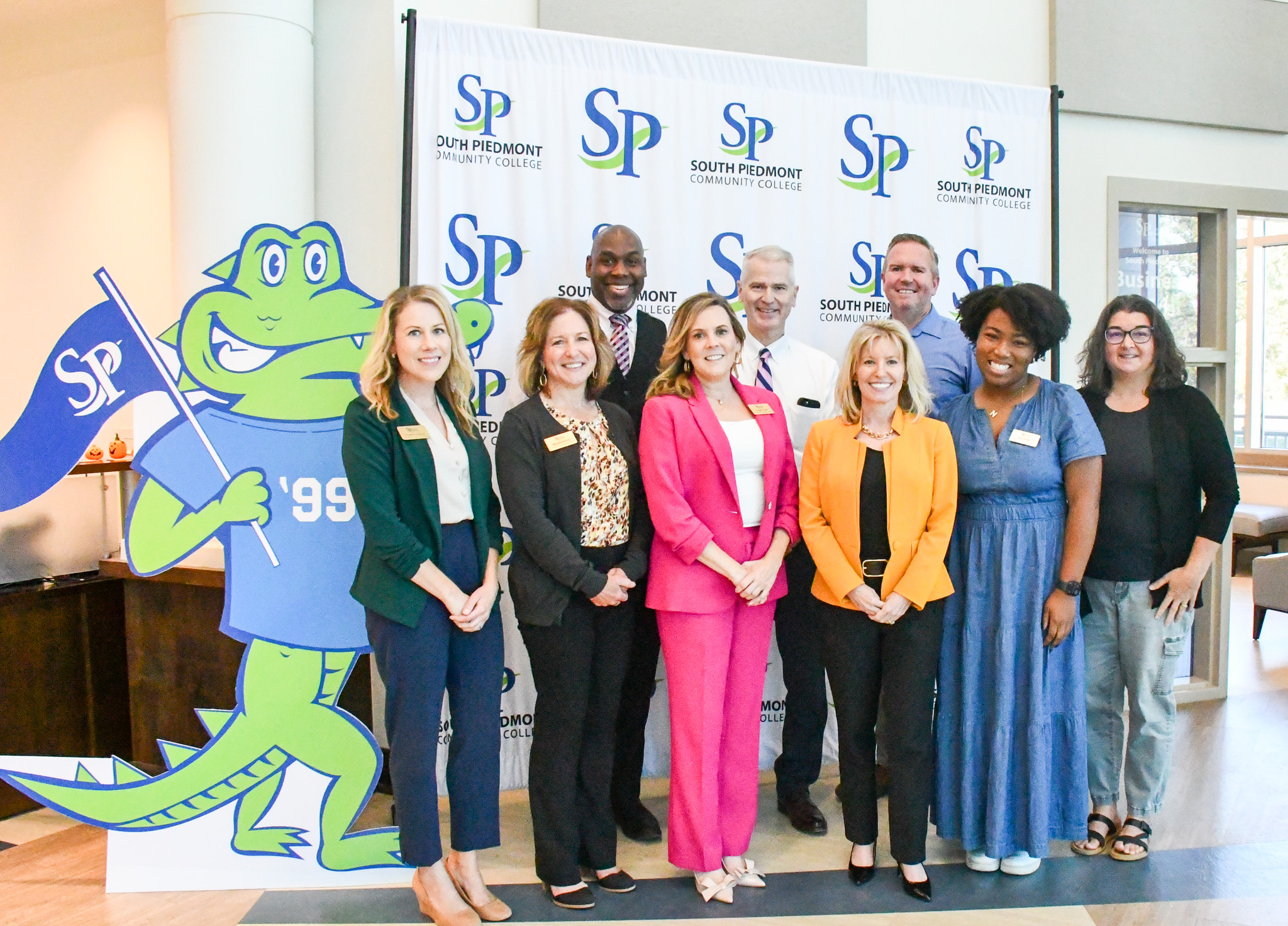
South Piedmont also announced the debut of an original documentary, “Later Gator! From Sketch to Spirit,” which tells the story of Al the Gator and the vision and creativity that brought him to life.
Looking ahead
Waters-Bailey entered South Piedmont during a time of significant growth in both campus expansions and student numbers.
In fall 2025, South Piedmont saw a 17% increase in their adult education program — a program that serves students seeking to complete their high school diploma, learn English, improve literacy skills, or gain basic computer skills.
The college also experienced a spike in their dual enrollment applications this fall, up 35% from the previous semester. And a new forensics program that launched in 2023 with just seven students has grown to 71 under Waters-Bailey’s leadership.
Waters-Bailey said she is committed to ensuring South Piedmont continues to serve as a hub of opportunity, economic mobility, and lifelong learning for the region.
While her early aspirations of saving the world may be behind her, both she and the college are making their mark in the community.