
Press Release | North Carolina leads the country in FAFSA completion growth

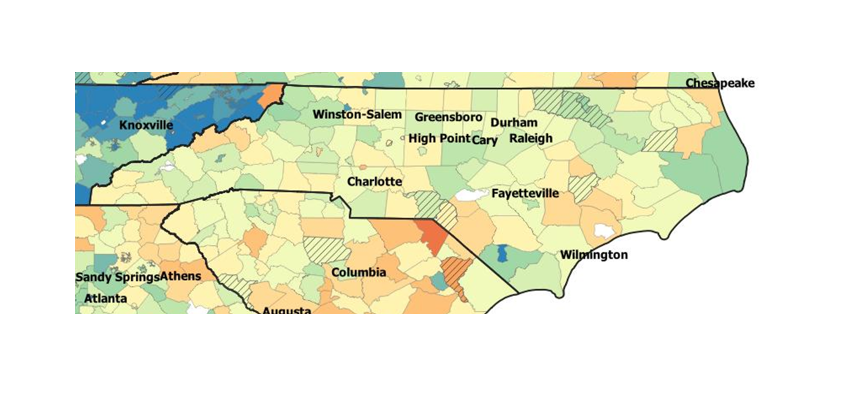
North Carolina has the highest growth in Free Application for Federal Student
Aid (FAFSA) completions of any state in the country so far this year, according to the U.S. Department of Education’s Office of Federal Student Aid.
As of late June, FSA said North Carolina was up 11.1% compared to the same time last year. That percentage encompasses all students, including adult learners, current college students, and high school seniors.
“North Carolina’s growth is a testament to all the hard work education professionals and other partners are doing to ensure their students know about how to access financial aid and have the support they need to do so,” said Mary Shuping, the executive director of the North Carolina State Education Authority (NCSEAA), which administers the state’s need-based scholarships. “It also highlights that our efforts to expand access for adult learners are paying dividends in the form of increased FAFSA completions.”
Completing the FAFSA is the most important step in accessing financial aid for college, allowing students to be considered for aid at the federal, state, and college level. It is the primary application for federal Pell Grants, as well as North Carolina’s Next NC Scholarship and Need-Based Scholarship for Private College and University Students.
According to the NC FAFSA Tracker on CFNC.org, more than 62,000 NC high school seniors have completed a FAFSA this year as of July 9 and are eligible for an estimated $122.5 million in federal Pell Grants.
Multiple improvements to the FAFSA form have contributed to increased FAFSA completions this year, with FSA reporting that students are completing the form in under 15 minutes on average.
The FAFSA now offers real-time results, allowing students to find out their Federal Pell Grant eligibility immediately after submitting their FAFSA. Previously, students had to wait up to three days for that information.
In addition, the FAFSA now includes the ability to set up a studentaid.gov account and complete the FAFSA on the same day, as well as a simplified process for inviting FAFSA contributors, such as parents or a spouse.
“It’s our goal for every prospective college student to know what options are available to make paying for a higher education more manageable,” Shuping says. “It’s now easier than ever to do that, and that’s a win for the students and for the state of North Carolina.”