
Playlab launches inaugural cohort in NC, partnering with school districts to help educators and students design custom AI tools

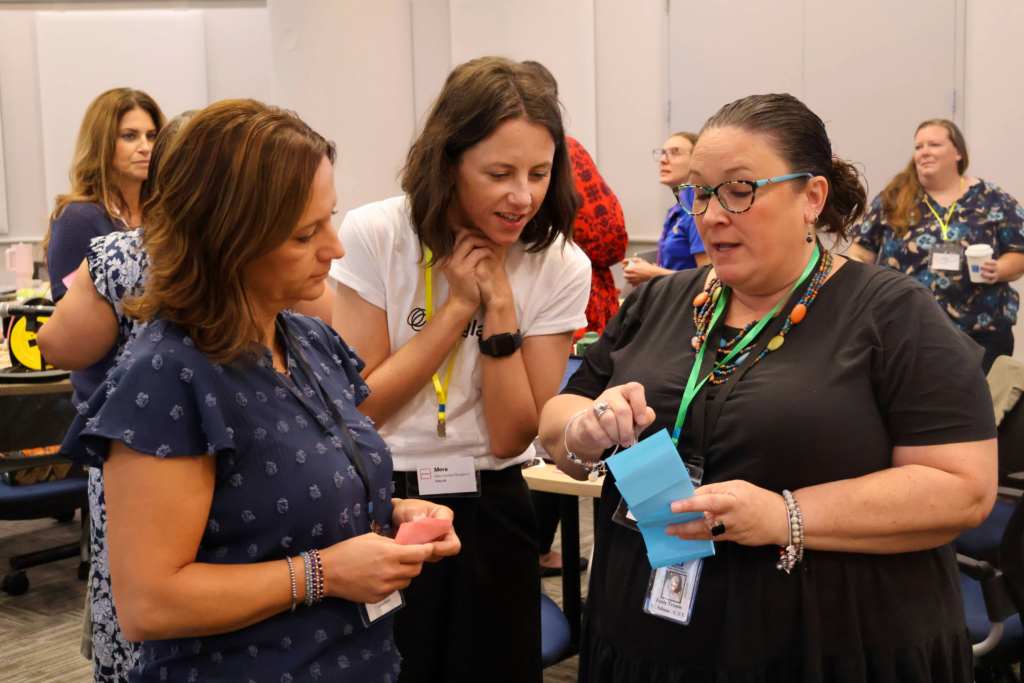
In late September, leaders from school districts across North Carolina huddled around tables at the Department of Public Instruction (DPI) in Raleigh. With laptops open, principals and district administrators set to work designing custom artificial intelligence (AI) tools to help address specific challenges they face in their roles.
One built a tool to help coach teachers through a thorough Multi-Tiered System of Supports (MTSS) data review; another designed a tool to help IT staff resolve help desk tickets effectively. In each instance, participants drafted custom instructions and uploaded reference materials to guide the tool.
This work was made possible by Playlab — a national nonprofit working to ensure educators and students have the agency to not just use AI, but to shape it.
 Sign up for the EdDaily to start each weekday with the top education news.
Supported by funding from The Leon Levine Foundation, an inaugural cohort of eight school districts and one charter school in North Carolina will partner with Playlab this school year to help teachers and students build custom AI tools together. The cohort includes:
- Ashe County Schools
- Catawba County Schools
- Henderson Collegiate
- Hertford County Public Schools
- Johnston County Public Schools
- Martin County Schools
- Orange County Schools
- Roanoke Rapids Graded School District
- Wake County Public School System
Playlab believes that AI agency is a core competency of the future and that educators and students not only need AI literacy, but they also need the ability to design, build, and evaluate AI tools.
“AI readiness is shaping up to be the next digital divide. If young people only ever consume AI tools rather than learn to build with them, they risk becoming passive users prone to cognitive offloading rather than active shapers of the technology that will define their careers,” said Russ Altenburg, program officer at The Leon Levine Foundation, in a statement to EdNC.
According to Playlab’s website, the Playlab platform is both FERPA– and COPPA-compliant, and more than 100,000 educators have built apps across more than 200 partner organizations. You can see examples of those apps, filtered by subject area, on this website.
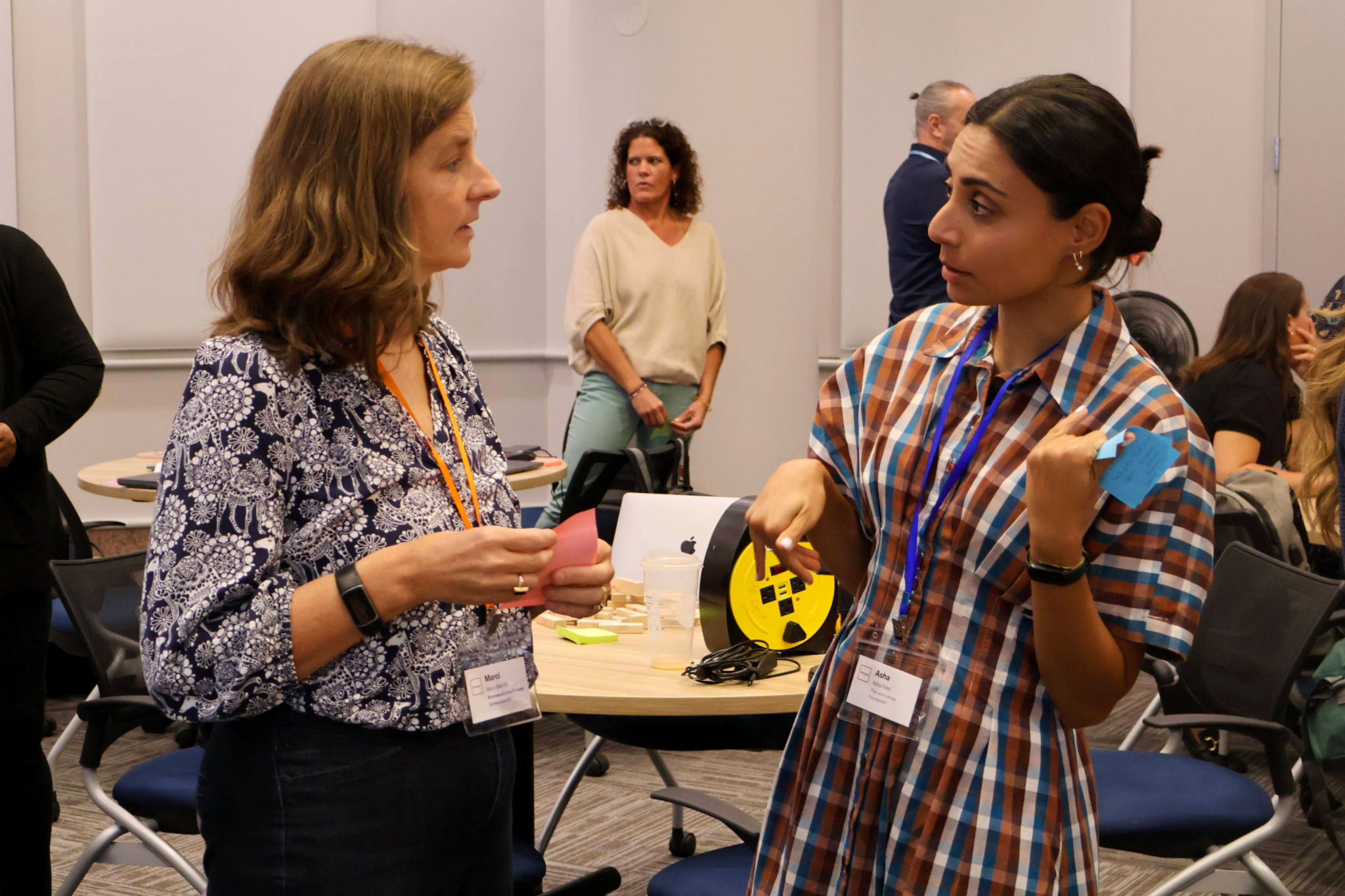
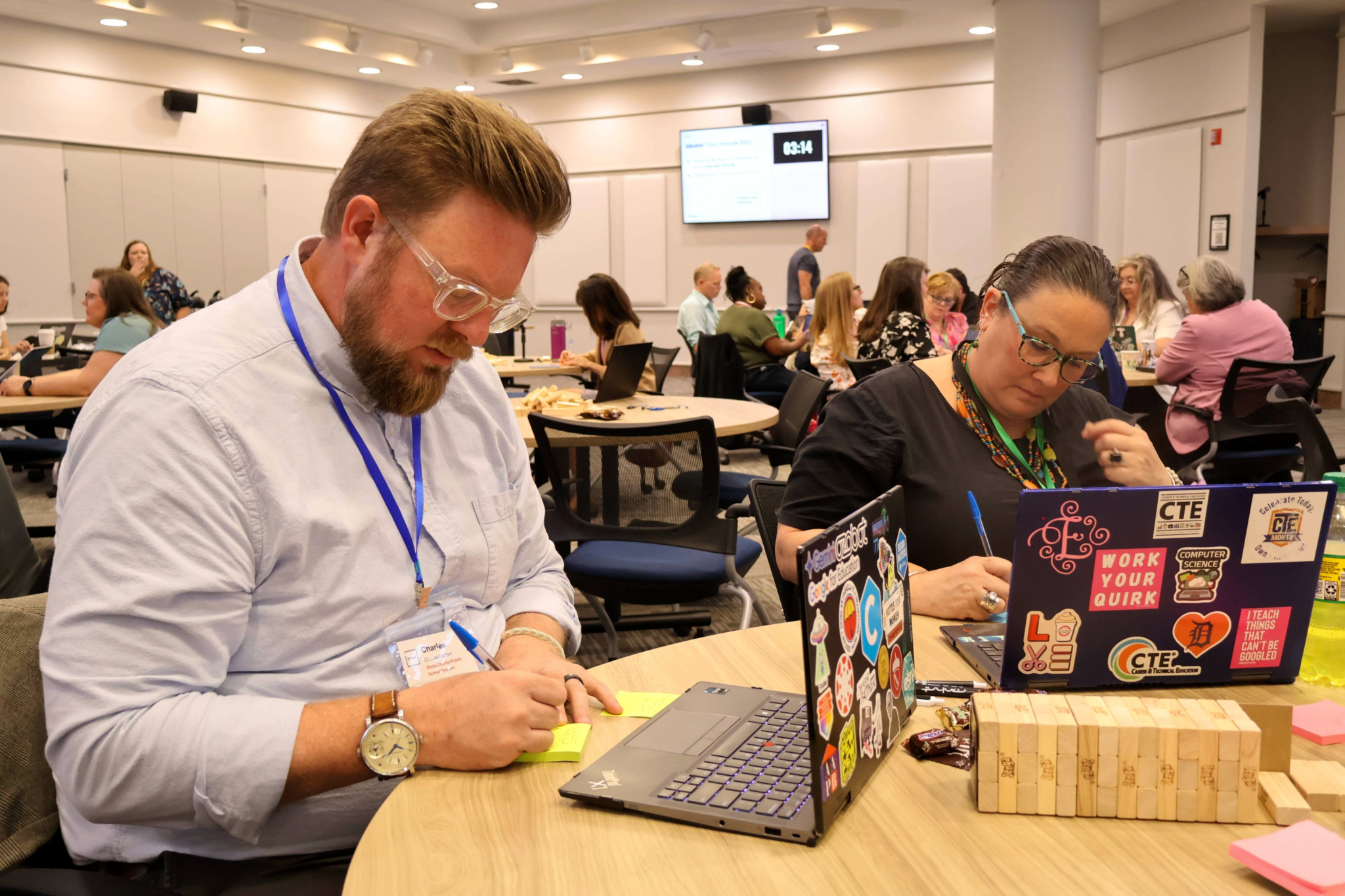
As Playlab launches its first partnership with districts in North Carolina, Dr. Damion Lewis — a learning partner with Playlab who previously worked for Wake County Public Schools and DPI — said he is most excited that students will have the opportunity to gain career- and college-aligned skills.
“Within this unique space we find ourselves in, AI presents myriad possibilities. As such, many concerns are directed toward the misuse of AI to avoid completing work,” Lewis said in a statement to EdNC. “However, Playlab’s model is grounded in developing AI agency that in turn allows students to become AI engineers.”
During the cohort’s launch event in September, Playlab staff led school district participants through a foundational training on AI, a collaborative app-building exercise, and a discussion about how to tailor the Playlab partnership to meet the specific needs and priorities of each district.
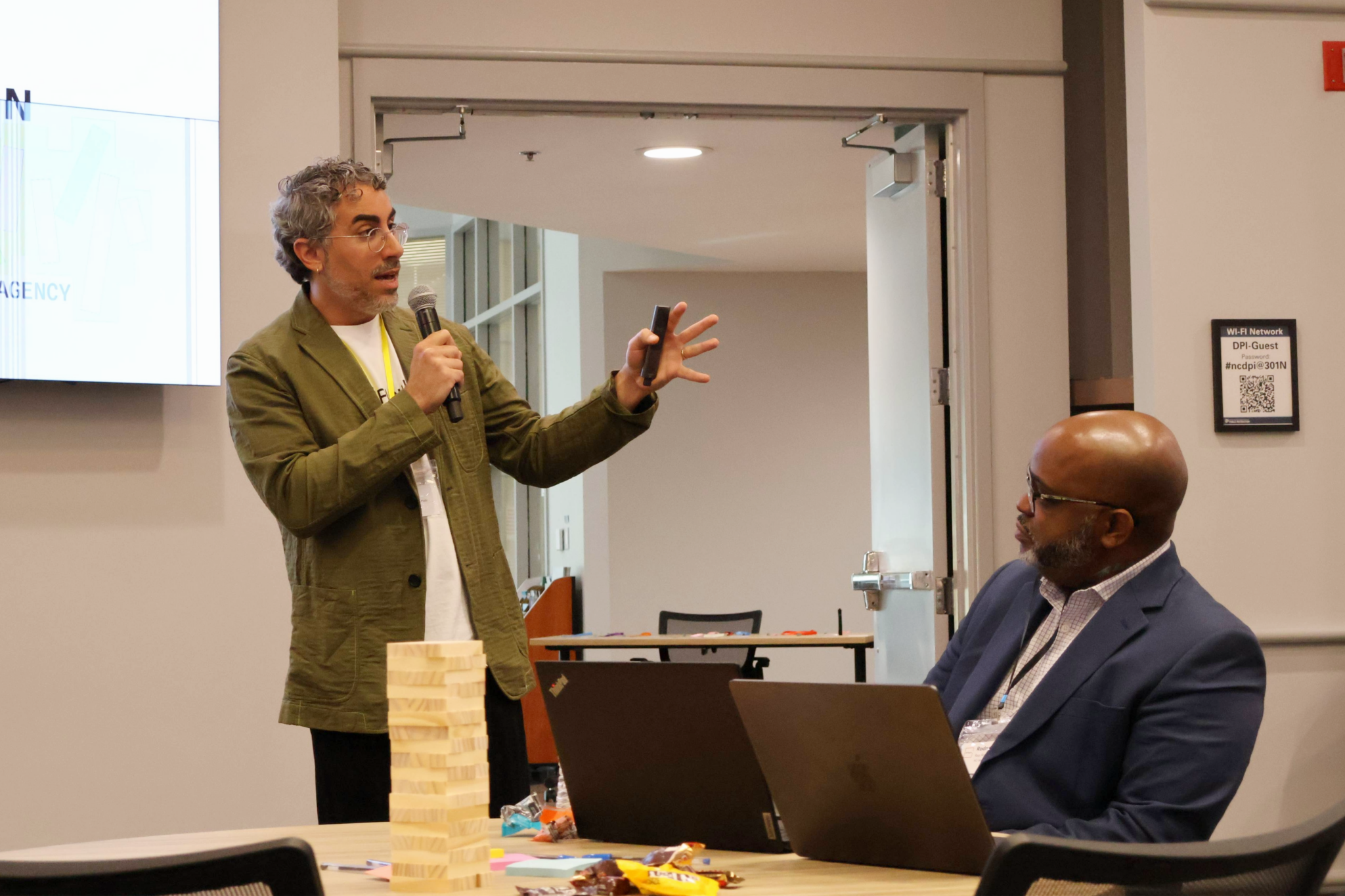
Before building their own apps, participants heard from Playlab staff about how to determine if AI is a good fit for a task, including a discussion of both the potential and the risks of using AI.
“Responsible builders ask can and should AI do it, before they ask how,” said Ramy Abdel Nabi, a learning partner at Playlab.
After selecting a specific challenge or task that an AI tool could support, participants spent time writing system prompts, or the instructions that define how an application operates, including the parameters of a strong output and the specific steps the app should follow. Participants could also select and test a number of large language models (LLMs) — including Gemini, ChatGPT, Claude, and more — to “run” their application, and could upload reference materials to customize the app’s output.
“(I hope you) will be able to take back what you learned today to your district, to share it with others, and to build some really incredible custom apps that meet the needs of your staff and your students and your learning goals,” said Meredith Ward Hill, emerging technologies consultant for DPI. “I look forward to seeing all the incredible things you build.”
Schools and districts interested in learning more about Playlab’s work supporting North Carolina schools through its AI Ecosystem Cohort and other initiatives can fill out this short interest form.