I am a proud middle school teacher in Alamance County. I teach in the same district that raised me, where my own teachers, bus drivers, and cafeteria workers once nurtured me — not only with knowledge — but with kindness, care, and hot meals. I now strive to offer my students the same.
I care deeply about School Meals for All, an effort to ensure all children have access to breakfast and lunch at school at no cost to their families. That’s because I’ve seen firsthand how hunger hides behind bright smiles and heavy bookbags.
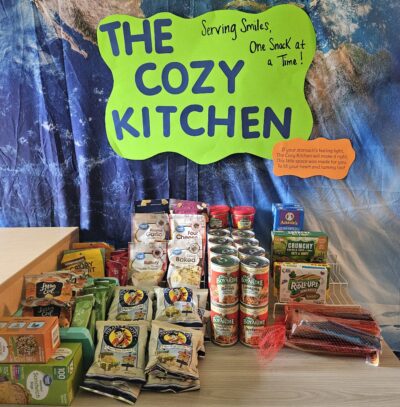
I’ve had students ask for seconds at breakfast, because that tray of food might be their most substantial meal until the next school day. I’ve quietly packed extra snacks in students’ bags. I’ve watched students sit with empty stomachs and full hearts, trying to push through math problems and social studies discussions despite the physical toll of hunger.
 Sign up for the EdDaily to start each weekday with the top education news.
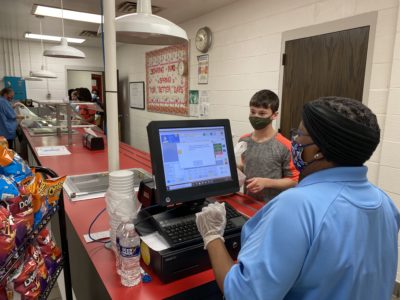
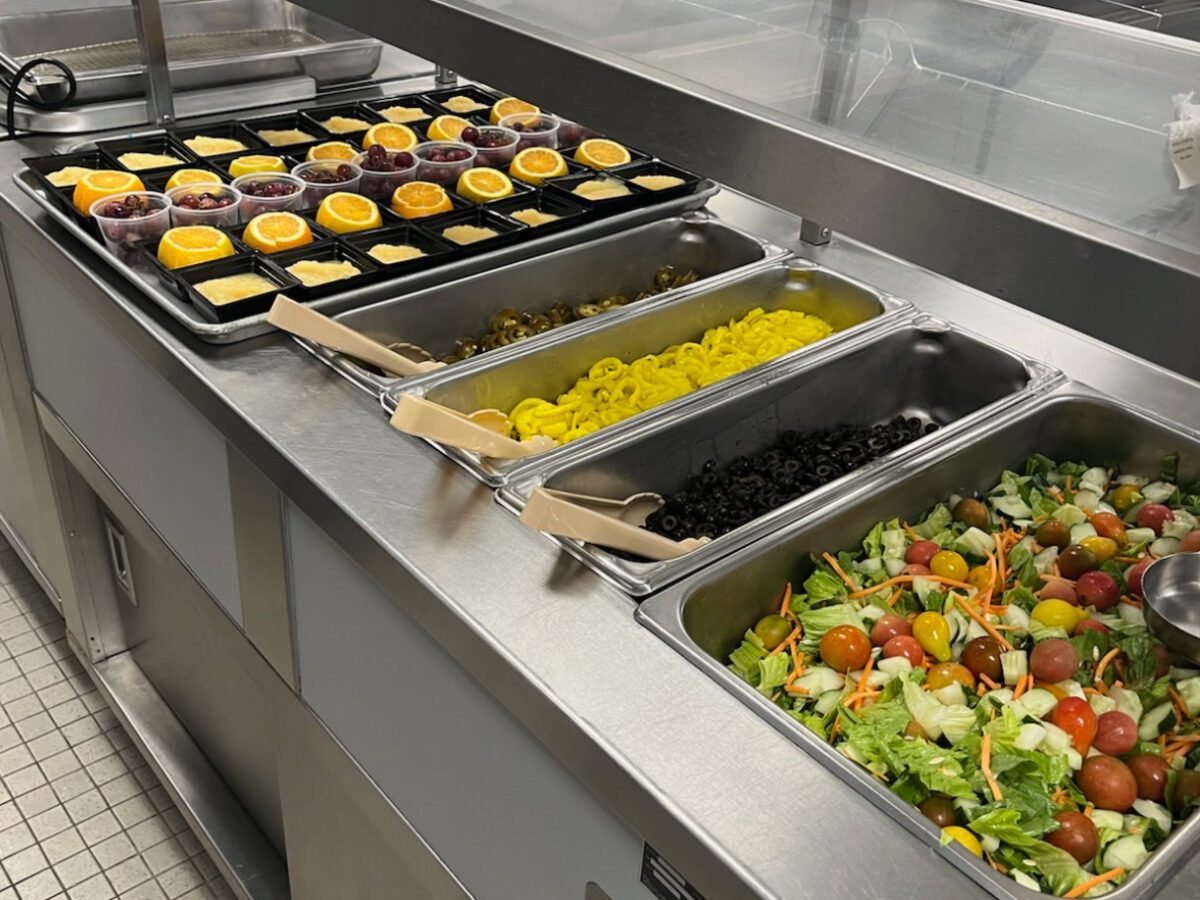
Every single one of my students receives free breakfast and lunch, and I can say without hesitation: This is how it should be for every child in North Carolina. No student should be forced to carry the invisible weight of whether they can afford lunch. When we eliminate the cost of meals, we remove the shame, stress, and barriers that separate students who have from those who do not.
I’ve been a teacher for nearly a decade, but I’ve been aware of food insecurity for much longer. After losing my mother at the age of 5, I was blessed to grow up in a home where my father was able to put meals on the table. But I saw friends, classmates, and neighbors who did not have that same certainty. Even as a child, I noticed the quiet cues — students asking their classmates, “Are you going to eat that?” or offering to throw away someone’s tray just to take what was left. I was raised in a community where schools did more than just teach; they nourished, supported, and protected. That legacy of care lives in me today.
My classroom is more than a space to learn. It’s a place to feel seen, heard, and safe. I’ve launched initiatives like “Fresh Start,” a school-based laundry service, to meet students’ basic needs. And during the holidays, I organize classroom-based Thanksgiving take-home bags for students I know won’t get a taste of Thanksgiving for various reasons. These bags aren’t just about food; they’re about tradition, care, and making sure every child feels remembered during a season that is often difficult for many families.
To the public, to policymakers, and to anyone who believes in equity: Food is not a privilege. It’s a right. And if we want our schools to truly be the great equalizer, then feeding every child, no matter their ZIP code or family income, must be nonnegotiable.
This isn’t charity. It’s dignity. And I’m standing for it because my students deserve it.

Recommended reading