
Perspective | Support programs providing North Carolina’s children with summer books

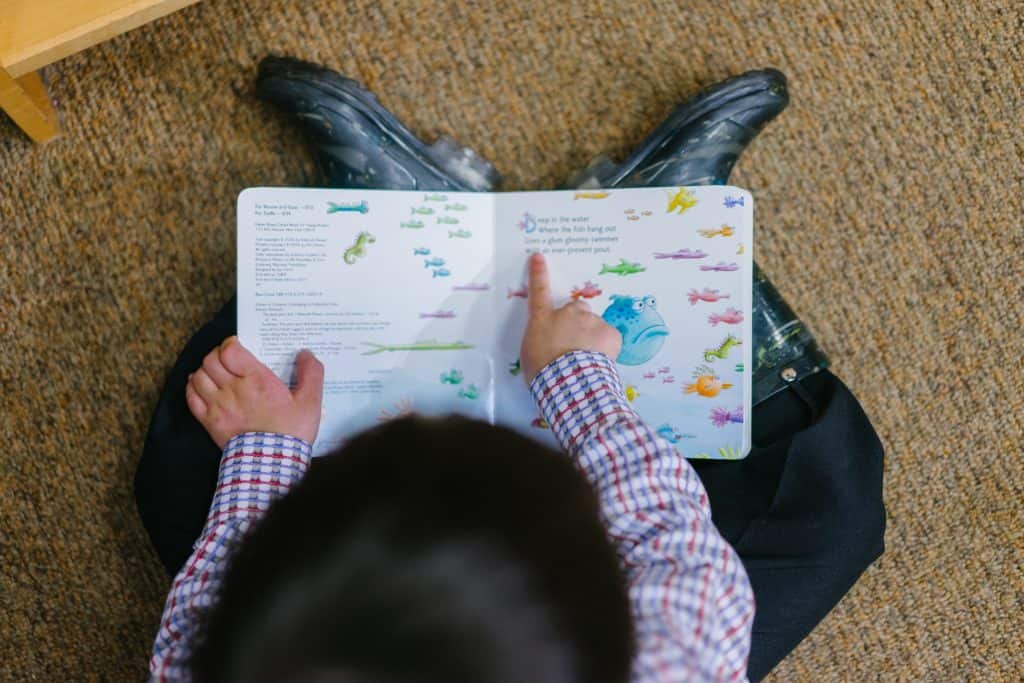
There is a special connection between summer and children’s literature. I am keenly aware of that, as an English professor with an expertise in children’s literature.
Many books for young readers are set during the summer months. In fact, the word “summer” figures in the titles of some of these books. A few examples include Rita Williams-Garcia’s “One Crazy Summer,” Bette Greene’s “Summer of My German Soldier,” and Maureen Daly’s “Seventeenth Summer.”
 Sign up for the EdDaily to start each weekday with the top education news.
For many children and teenagers, summer is when they can read whatever books they want to read without having to worry about taking reading comprehension tests or writing book reports.
Unfortunately, some North Carolina children grow up in homes without age-appropriate books that they can read at their leisure. Some children spend the entire summer without reading a single book, and their literacy skills suffer as a result. Teachers often call this problem the “summer slide.”
This year, the problem of summer slide may be worse than usual because many children may have already fallen behind in their reading skills as a result of the schooling disruptions caused by the pandemic.
It would be easy to throw up one’s hands and hope for the best as children swoop down the summer slide and lose their literacy skills along the way. However, I am pleased to report that several North Carolina literacy programs are determined not to let this happen.
One way to help counter summer slide is to provide children with books they can read over the summer. A number of literacy programs in our state have launched campaigns to provide children with free books, including Promising Pages in Charlotte, Book Harvest in Durham, and Dolly Parton’s Imagination Library.
Promising Pages has several initiatives to help children maintain their reading skills over the summer, including their Books on Break program.
In the words of Eric Law, executive director of Promising Pages, “Books on Break provides free, pop-up book fairs in selected Title I schools during the last few weeks of the school year. Each PreK – 5th grade student in these schools can choose five books to take home and read during the break. This year’s Books on Break is our biggest ever.”
According to Law, over 54,000 books were delivered to 16 schools in April, giving over 9,000 students access to more books over the summer break.
Rachel Stine, program director for Book Harvest, reported that they are partnering with several programs and businesses in the Durham area to provide children with books.
“We know that kids get excited to read books when they have the opportunity to select their own books and when they see themselves portrayed in books,” she said. “So this summer we want kids to have the ability to choose their own books when they are out and about in our community and we want to ensure that these books are diverse and inclusive.”
According to Stine, Book Harvest stocks bookshelves and outdoor book boxes in community spaces to help provide increased access to books. That includes locations like the downtown Durham bus station, laundromats, health clinics, child care centers, and grocery stores.
Book Harvest is also partnering with the Durham County Library to provide free books when families sign up for the library’s summer reading program, Stine said. Additionally, children enrolled in Durham Parks and Recreation summer programming will have the opportunity to select 10 books to keep.
Dolly Parton’s Imagination Library also helps provide free books to North Carolina children. Started in 1995, this program initially provided children in Tennessee with free books, but soon expanded. In North Carolina, Dolly Parton’s Imagination Library works with Smart Start to get books into the hands of North Carolina’s preschoolers.
 Sign up for Early Bird, our newsletter on all things early childhood.
This summer, Smart Start of Mecklenburg County has extended its outreach to include little libraries around the Charlotte area.
According to Champagne Selman, literacy coordinator for Smart Start of Mecklenburg County, “These libraries will allow us to distribute new books directly to children, and help us educate parents about this opportunity for their family.”
For all of us who care about literacy education in North Carolina, it is important that we promote and support such programs in our communities. After all, it is hard to cultivate children’s literacy skills if they don’t have books to read.