
Perspective | Learning from our past to transform the future of child care

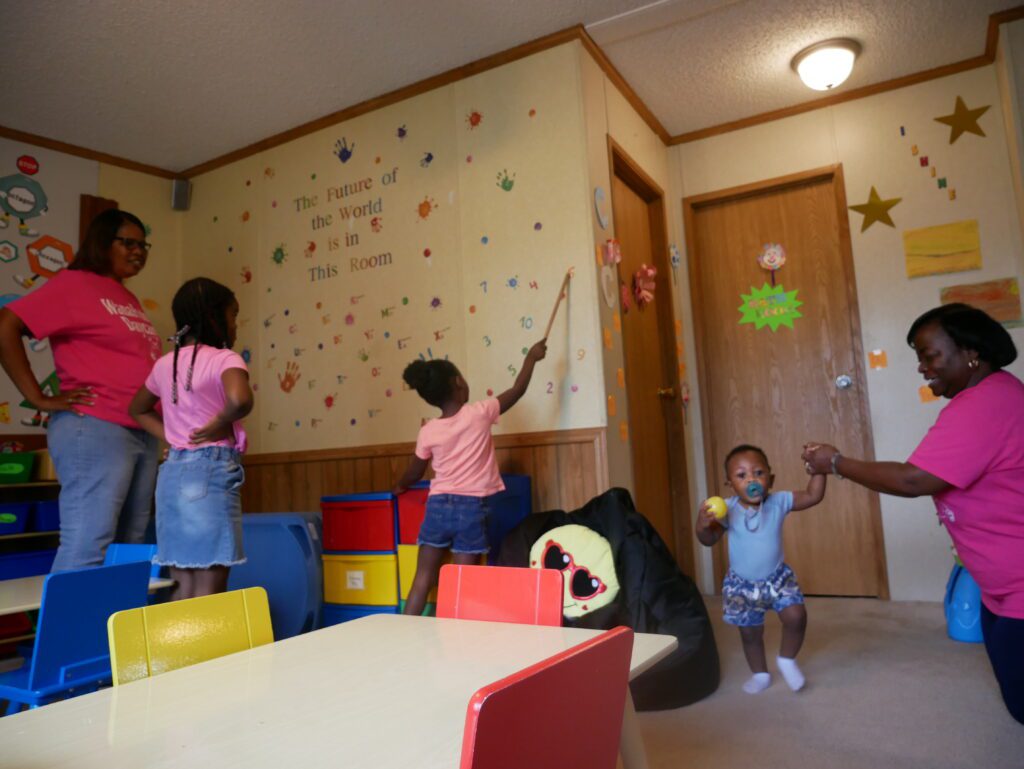
MDC, an organization based in Durham, advances equitable systems change in the Southern United States. Our educational equity team supports home-based child care providers who work to transform systems that created the current child care crisis.
Home-Based Child Care (HBCC) serves the majority of children in North Carolina for early education. HBCC is child care provided in a home, rather than in an institutional or outdoor setting. We focus on care that specifically takes place in the provider’s home and where the care is provided by individuals who are not the legal guardians of the child being cared for.

North Carolina families rely on HBCC either by choice or necessity. It is estimated that 64% of North Carolina children are in home-based child care outside of the formal licensing system statewide. Amidst the growing conversation about the need to sustain child care, 85% of all closures of North Carolina child care businesses since February 2020 have been licensed home-based child care businesses.
Home-Based Child Care is essential because it meets the unique needs of certain families whose special requirements are not met in other care settings. HBCC services are often preferred by rural communities, families working nontraditional hours, families with babies and toddlers, Black and Latinx families, and families of children with special needs.
As we uncover the lessons from years past, MDC offers a three-piece series that examines the social and political history of domestic work in America, specifically in the Southern states, and factors that have led to the current crisis. Despite the critical infrastructure that child care has long provided in our country, child care providers have been continuously undervalued economically and in policy decisions that have shaped our nation. Through this series, we identify key roadblocks to meaningful systems change and highlight how we can continue the legacy of care workers’ resistance by advocating for decision-makers to support the vital role of this work in our communities.
- “Still undervalued and underfunded: The invisible child care workforce” explores the roots of low wages and chronic undervaluing of child care providers in the U.S. We demonstrate the need for policy change and investment to correct the course towards a nation where quality child care is accessible, affordable, and valued as essential to our society.
- “The evolution of child care from a collective good to an inequitable ‘choice’ model” considers the evolution of child care in the U.S. from a collective good with limited government intervention to a highly institutionalized and individualized model of child care. We show how opportunities for transformative policy change in child care are undermined by a false dichotomy that pits collective responsibility against family choice, and how we must intentionally combat this in future efforts.
- “Racial divisions prevent us from winning child care change” examines how longstanding racial divides have hindered transformational change within the child care sector. We argue that only through unifying across racial lines — exposure to different perspectives, willingness to sit in discomfort, seeking to understand, and ultimately to collaborate — will we finally be successful in transforming the early education system to meet the needs of all children, families, and providers.
MDC is grateful to the National Domestic Workers Alliance for its History of Domestic Work and Worker Organizing timeline and to the National Women’s Law Center for “Undervalued: A Brief History of Women’s Care Work and Child Care Policy in the United States.” Both are referenced throughout our series and also undergird MDC’s North Carolina Child Care Timeline. We want to express our gratitude to the participants in our programs, specifically to the Home-Based Child Care (HBCC) Community of Practice members and HBCC Haven providers; their lived experience and work in their communities have greatly informed this analysis.
Working alongside our partners, we envision a child care system where:
- All home-based child care providers, whether licensed or license-exempt, are recognized, valued, and supported as a critical part of our child care system now and in the future.
- HBCC providers are fully funded, economically whole, and equipped with the resources and education they desire.
- Policies at both the state and local level are equitable, inclusive, and supportive of the care they provide.
- Children receive the safe, affirming, affordable, and trusted care they deserve and enter kindergarten ready to succeed.
Change is possible.