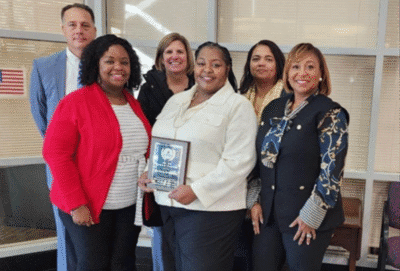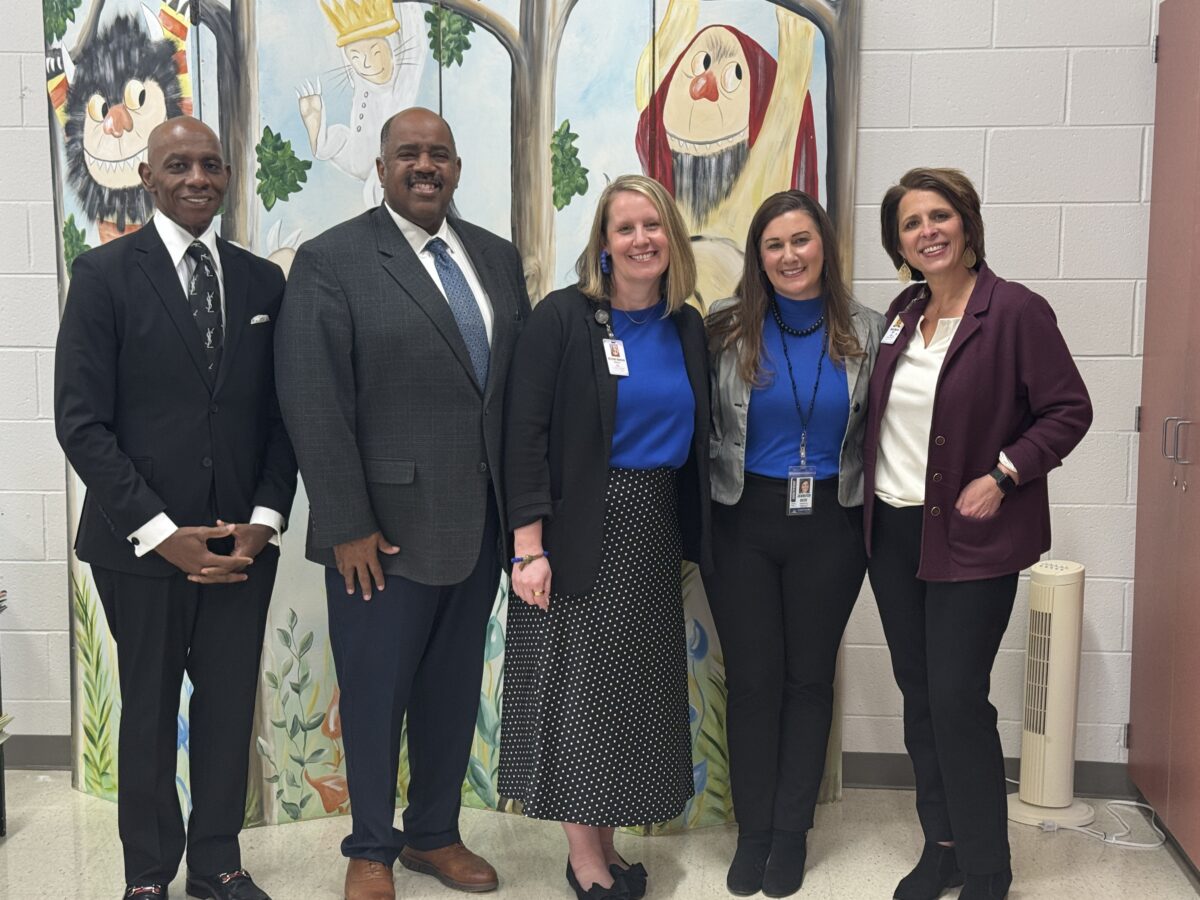
In education, perception can sometimes move faster than facts. Opinions are formed without ever stepping inside the school building. A single letter, spoken loudly enough, can become shorthand for quality and shape a school’s reputation, influencing enrollment decisions and community trust.
For two schools in Chatham County Schools, a “D” letter grade did just that.
Although dismissed by reputation alone, a different story was unfolding inside the classrooms — one built on alignment, leadership, and intentional instructional change.
Before you judge the letter, look inside the classroom
The shift did not begin with a slogan or public campaign. It began with committed leaders and staff.
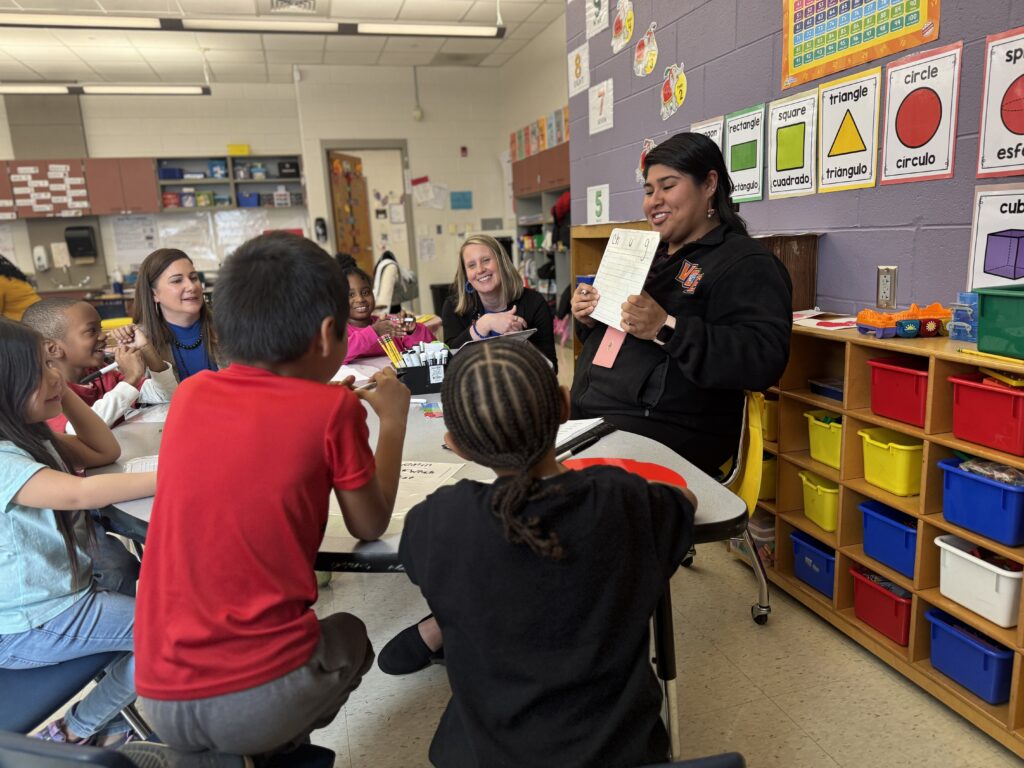
Inside of the kindergarten classrooms at Virginia Cross Elementary, students are engaged in daily small group instruction, each led by an adult aligned to student progress monitoring data.
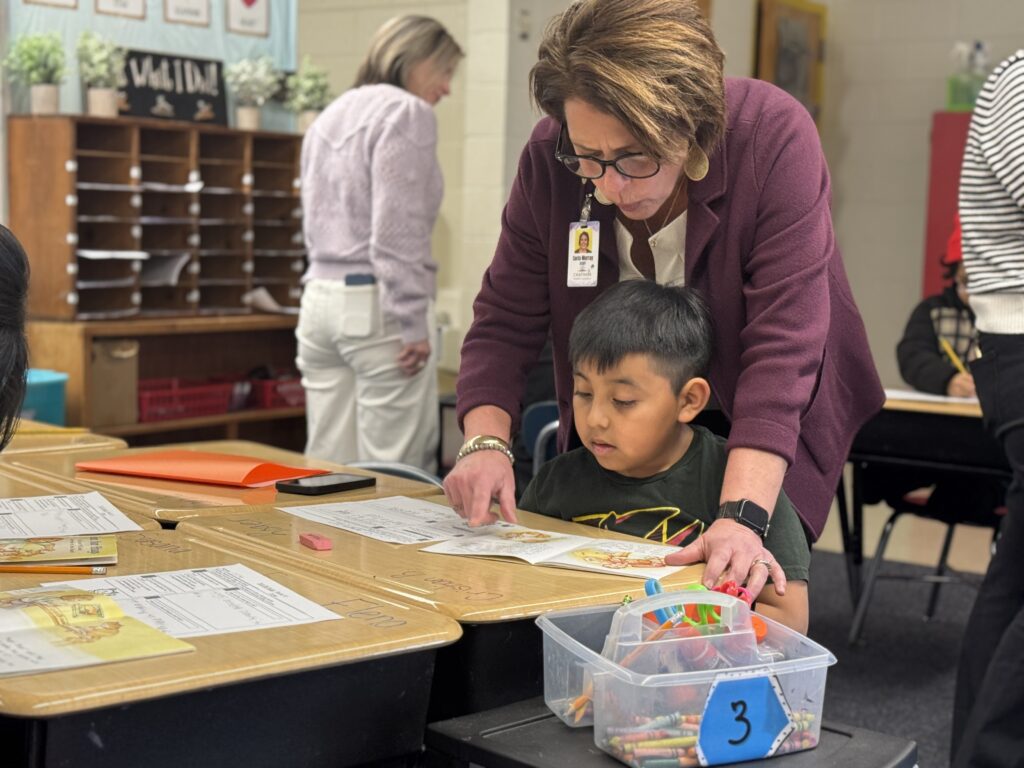
While one group read a decodable text, Principal Jennifer Beck knelt beside them, listening closely. There was no clipboard or formal observation; just in-the-moment coaching.
“You didn’t even have to sound that one out,” she told a student who had just blended a word automatically. “That’s what good readers do.”
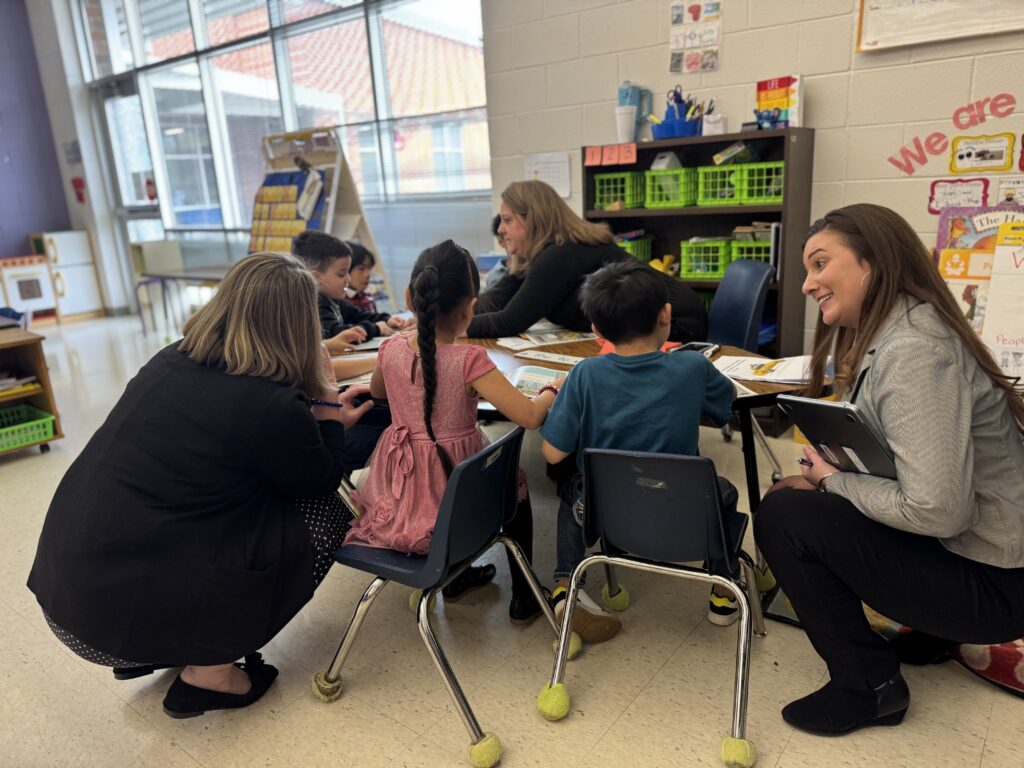
The moment seemed small, but it wasn’t. It reflected a larger cultural shift anchored in instructional leadership.
Down the hall, the instructional coach reviewed student data with first grade teachers during their planning time, examining specific skill gaps and mapping next steps. On the second level of the building, fourth grade students rotated through three adult-led small groups and one independent station focused on reading and writing summary statements for immediate comprehension feedback.
Just minutes away, Siler City Elementary exemplifies a similar story, with the added distinction of serving as a Dual Language Immersion school.
Principal Sarah Estes says two major shifts have recently reshaped the school culture.
“We removed silos through alignment and pushed into core for support,” she said. “Our coaches are no longer used as pseudo-administrators. They roll up their sleeves and get sweaty with teachers.”
Instruction wasn’t happening behind closed doors. It was unfolding in real time.
Early Literacy Specialist Whitney Hannam modeled a kindergarten lesson using explicit phonics routines and precise language. In first grade, students smoothly navigated their first week of flex rotation groups, transitioning between stations with stamina and purpose, providing evidence of strong routines already established. Down the hall, three reading specialists worked with third grade groups aligned to skill gaps identified through recent data cycles.

In fourth grade, a reading specialist facilitated student presentations. One student confidently presented his original story, “The Day the Mountain Lion Attacked Jerry the Armadillo.” He described Jerry, the main character of the story, with factual research about armadillos before pivoting, accompanied with giggles, to imaginative additions. While Jerry possessed accurate armadillo traits, he also loved Bojangles and had his own “merch.”
The class laughed. But more importantly, they learned.
It was authentic literacy in action: research, writing craft, presentation skills, technology integration, confidence, and joy. For leaders, those daily indicators matter as much as public metrics.
 Sign up for the EdWeekly, a Friday roundup of the most important education news of the week.
Using data to determine what ‘treatment’ is necessary
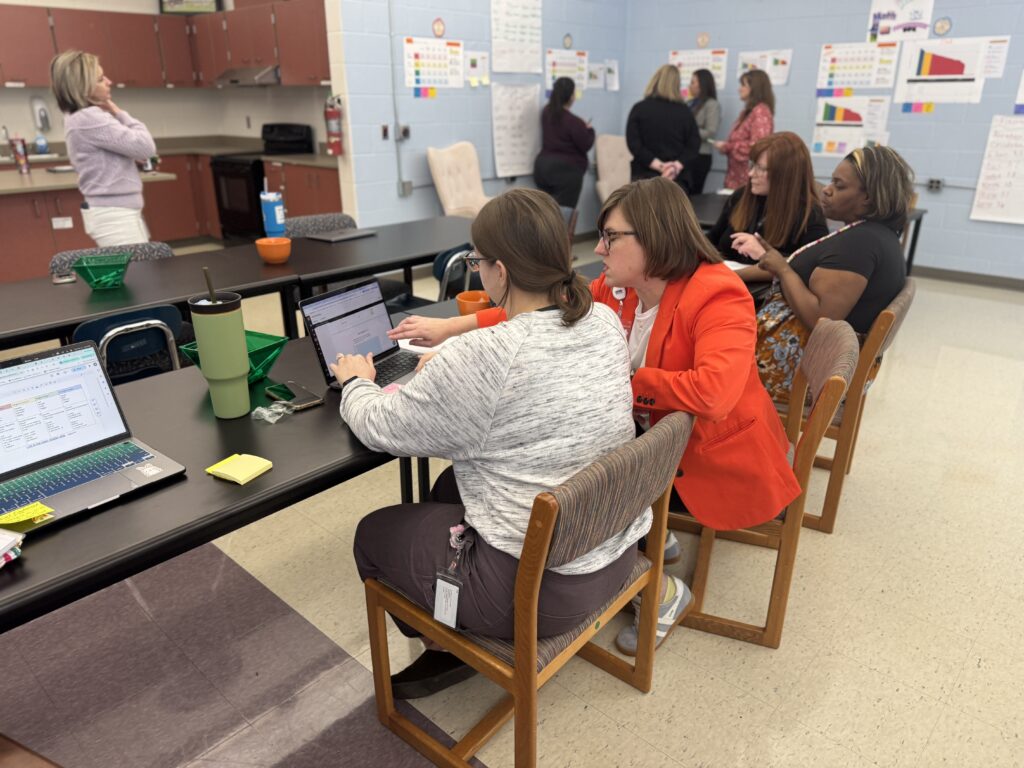
Every week, district leadership teams meet with coaches and Multi-Classroom Teachers. They do not just review composite scores. They examine subskills to identify each child’s strengths and gaps. Teams compare multiple data points for every student to ensure consistency across measures. Progress monitoring has shifted from compliant checklists to being embedded throughout daily literacy routines.
Data diagnoses. Instruction treats.
Early in the work, it became apparent that part of the root cause was not that teachers didn’t understand how to read or analyze data. It was uncertainty and confusion about what comes next. This question, “What’s next?” therefore became a part of every discussion to support a clear understanding of how to respond to the data.
Without clear direction on how to close a gap or which specific strategy aligns to a gap, instruction becomes misaligned. A child reading fluently should not be placed in a decoding group. If students are not moving, instruction is not working. In previous years, that mismatch might have lingered. However, this is no longer the case now that action steps have become part of every data discussion.
Plot twist: Now C schools and rising
These schools did not scramble to escape a label. They built systems that moved beyond one. Improvement is not episodic or performative. It lives in daily routines, aligned planning, real-time coaching, well-designed instructional blocks, and data used as a compass. Human resources are strategically deployed to lower student-to-teacher ratios to ensure no classroom carries the weight alone.
As a result of the intentional planning and focused effort, both schools exceeded expected growth and moved from a D designation to a C. Even so, the most meaningful shift cannot be captured in a single letter; what is changing is the narrative.
Long-held assumptions formed by those who have never stepped inside during a reading block, never sat in a data meeting, never watched a hesitant reader become fluent, would be amazed to see these educators in action — the details that a single letter always leaves out.
Alignment clarified instruction. Leadership clarified identity.
Professional learning communities meet weekly, but instructional dialogue does not wait for scheduled blocks. Leaders participate alongside teachers, modeling expectations and applying the same gradual release framework used with students. Classroom visits are not events to prepare for. They are routine. Teachers describe leaders and coaches as partners in instruction rather than evaluators at the door.
Previously identified as Focus Support Schools, both principals attended a district meeting regarding the designation.
During that meeting, Beck turned to Estes and said: “We won’t be here next year. I am not a D principal, and we don’t have D staff or students.”
She followed up by sharing the exact words with her staff. The statement was not intended to dismiss data, but to reset expectations. There was evidence of good practices in place. However, there was room to become great.
Leadership that rolls up its sleeves
Superintendent Dr. Anthony Jackson describes both principals as “turn in the right direction” leaders, rather than “turnaround” leaders.
“Turnaround implies emergency measures and short-term correction,” he explained. “Turn in the right direction signals disciplined, sustained improvement anchored in instruction.”
Jackson takes pride in leading with clear expectations and unapologetic advocacy for students. Goals and guardrails are shared in July with school leadership teams, while most of the community is not yet thinking about a new school year. One goal included in the district’s strategic plan challenges all Chatham County Schools to meet or exceed growth and maintain a grade of C or better.
The district motto is “One Chatham,” emphasizing a shared identity across schools. Yet on a broader scale, it also reflects a connection between district and schools, leadership and classrooms, reputation and reality.
When everyone is respected as a leader of the system level they serve, the larger system, work and outcomes, elevate.
From Wild West to winning
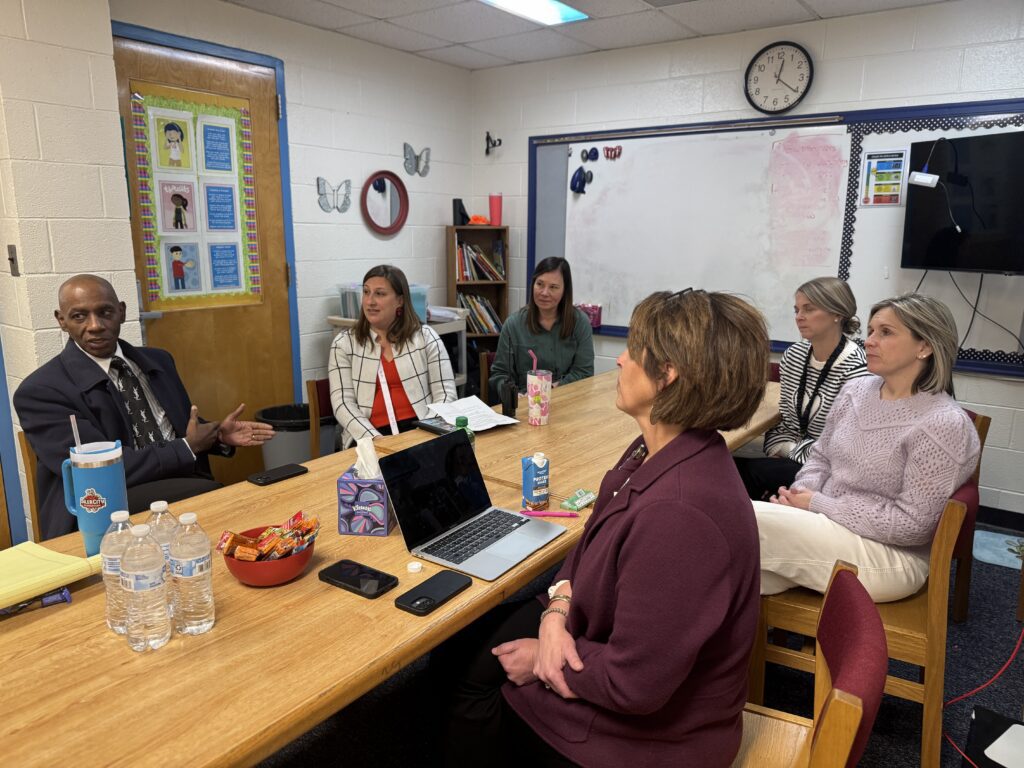
Carla Murray, the district’s executive director of elementary education, recalls a time when autonomy and silos dominated the system. Educators worked hard, but practices were not aligned.
“It was like the Wild West trying to wrangle it all in,” she said. “The challenge wasn’t effort. It was a fractured system.”
Then came a convergence of state and district initiatives that helped create a common language and consistent expectations required for all districts. She noted the positive impact the district’s Literacy Intervention Plan (LIP) had on aligning processes and practices in a way that everyone understood them. While some districts treated the state requirements as compliance documents, Chatham County Schools treated them as leverage.
“The LIP forced conversation that jump-started alignment,” Murray said.
Rather than filing it away, leaders used it as a framework to connect core instruction, interventions, professional development, and data into one coherent system. What emerged wasn’t a new program. It was a state-to-classroom continuum functioning as connected supports instead of isolated initiatives. The alignment helped eliminate silos and gaps that were unintentionally causing limited outcomes.
District leaders coach principals and instructional coaches to ensure leadership capacity grows alongside classroom practice. Principals are not confined to their offices. They are modeling, coaching, and reinforcing expectations. Jackson describes leaders as “architects and general contractors that design the plans and adjust them in real time.”
During a recent district accreditation process, alignment, once cited as an area for improvement, was named as a strength.
“This work is not about transition,” Jackson said. “It’s about transformation.”
Proof over perception
In many communities, reputations linger. A letter grade becomes shorthand. Stories travel. Decisions are made quietly and often times without a visit, a conversation, or stepping inside a classroom. Some even ask, “Why would anyone send their kids there?” based solely on a letter designation.
However, great leaders understand academic growth alone does not immediately change perception. Trust often rebuilds more slowly.
Their response has not been defensive. It has been deliberate for the students they serve. No one speaks of arrival. They speak of refinement — the next skill, the next adjustment, the next conversation — because this work is never about escaping a letter grade. It is about building something that will last.
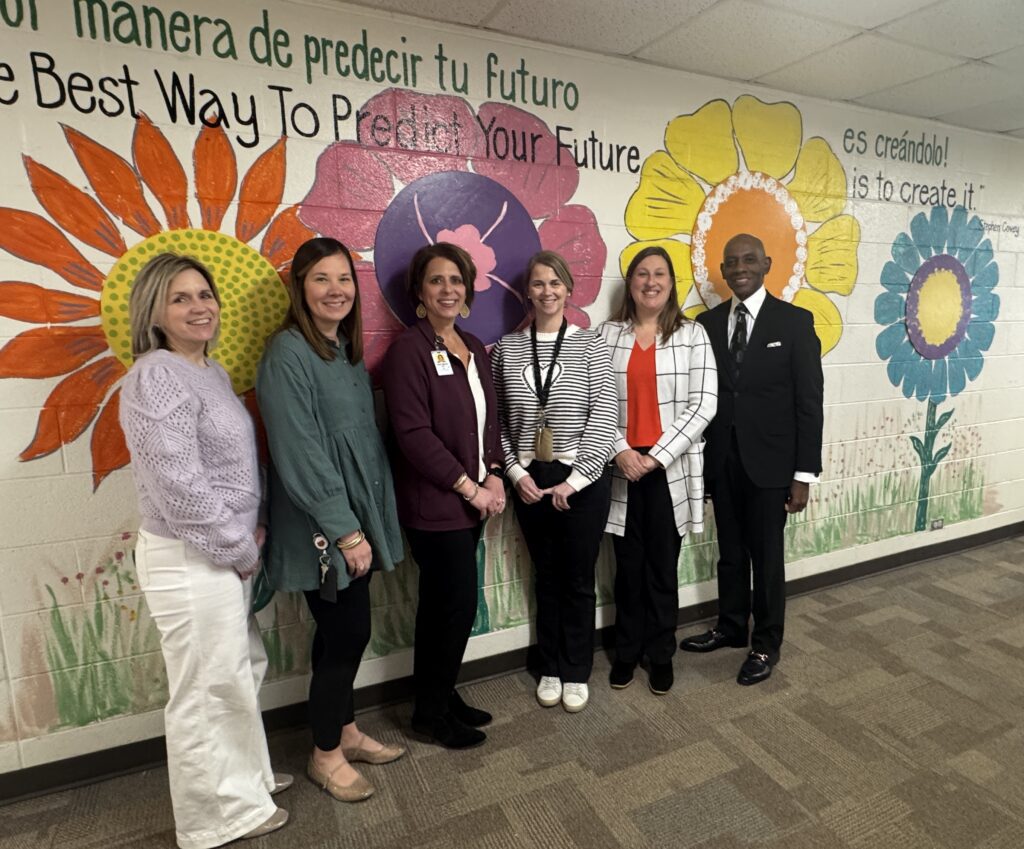
In classrooms where leaders coach beside teachers, where data functions as a compass, and where expectations are clear and unapologetic, continuous improvement becomes the new norm. And when a district that was once self-described as “the Wild West” now operates with coherence, clarity, and collective responsibility, ongoing progress and positive outcomes become sustainable.
That is the real transformation.

Recommended reading