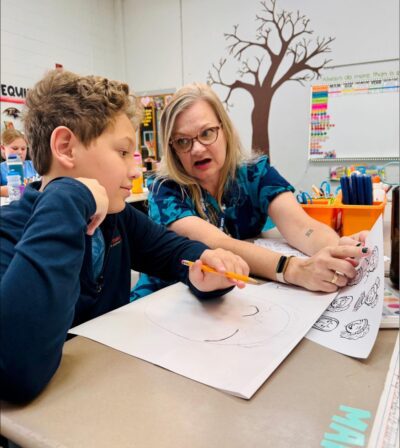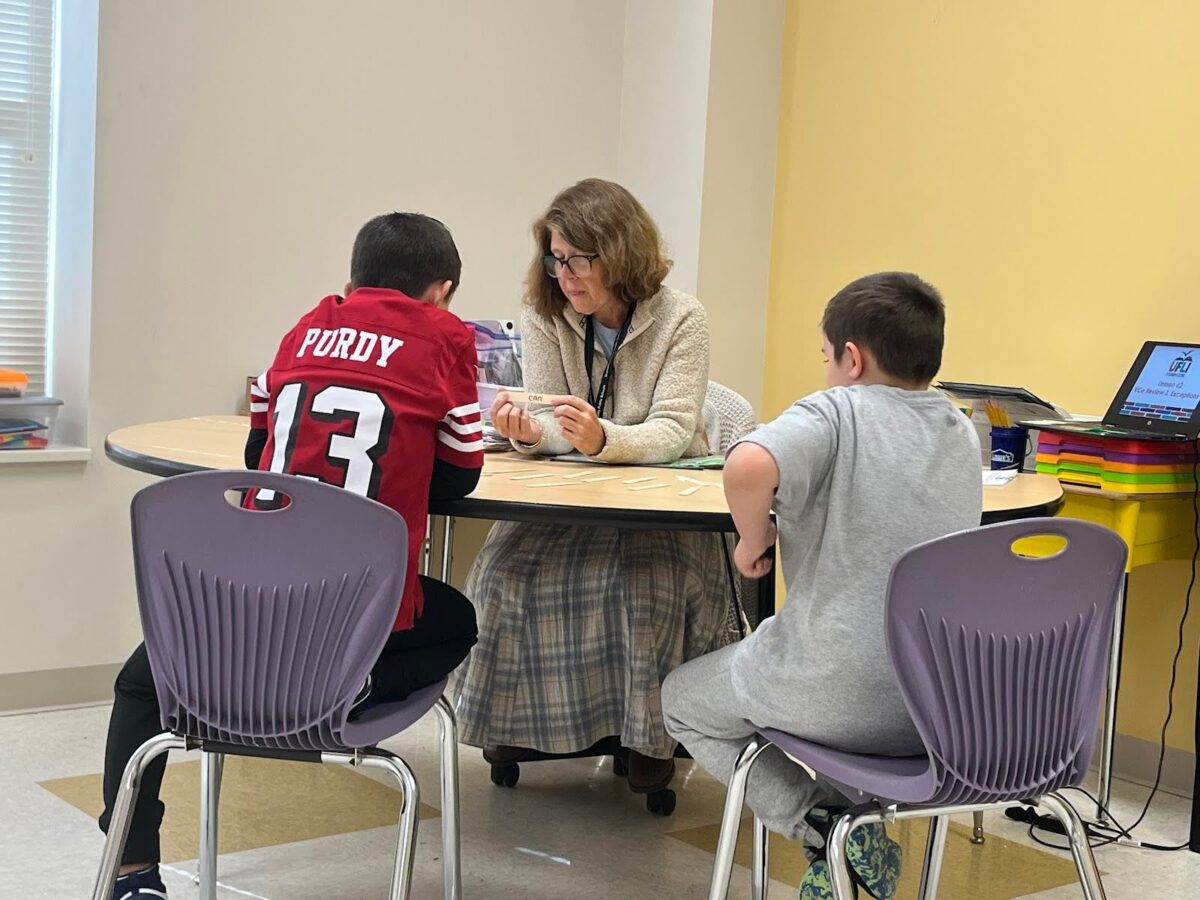
North Carolina Education Corps (NCEC), a tutoring network and program, is continuing to demonstrate significant, research-backed impact for elementary students, even as statewide budget limitations force the organization to scale back operations for the 2025-26 school year.
Since launching in 2021-22, NCEC has remained focused on its mission: ensuring that students across the state receive high-quality, relationship-based academic support from trained tutors rooted in their local communities. Over the last five years, the organization has recruited and supported nearly 1,300 tutors, serving more than 24,400 K–5 students across 32 counties.
New study shows measurable gains in early literacy
A new 2025 evaluation, “Recruitment, Training, & Support: Impacts of a District-Partnership Tutoring Model to Support Elementary Literacy Skills”, from the University of Michigan’s Youth Policy Lab, offers compelling evidence of the program’s effectiveness.
Catherine Asher and her colleagues at University of Michigan’s Youth Policy Lab found that, within one school year, students in kindergarten through third grade who received NC Education Corps-supported tutoring gained an additional 1.8 months of literacy growth above their classmates.
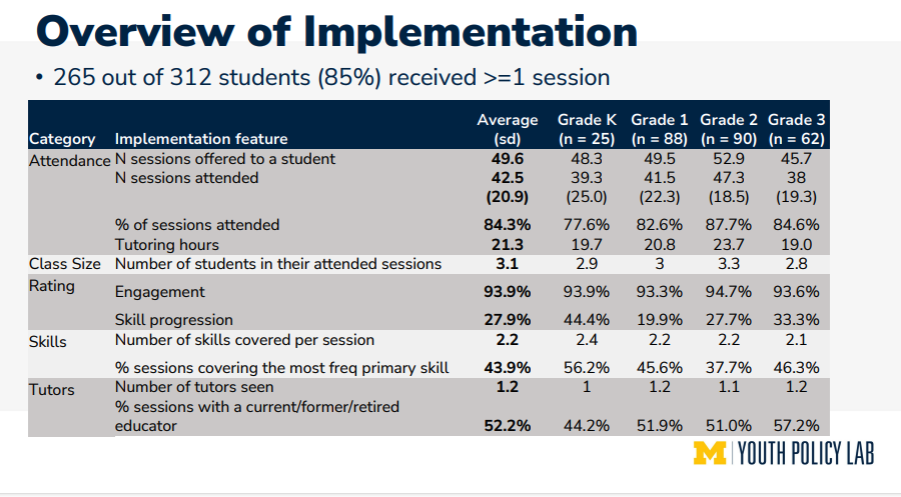
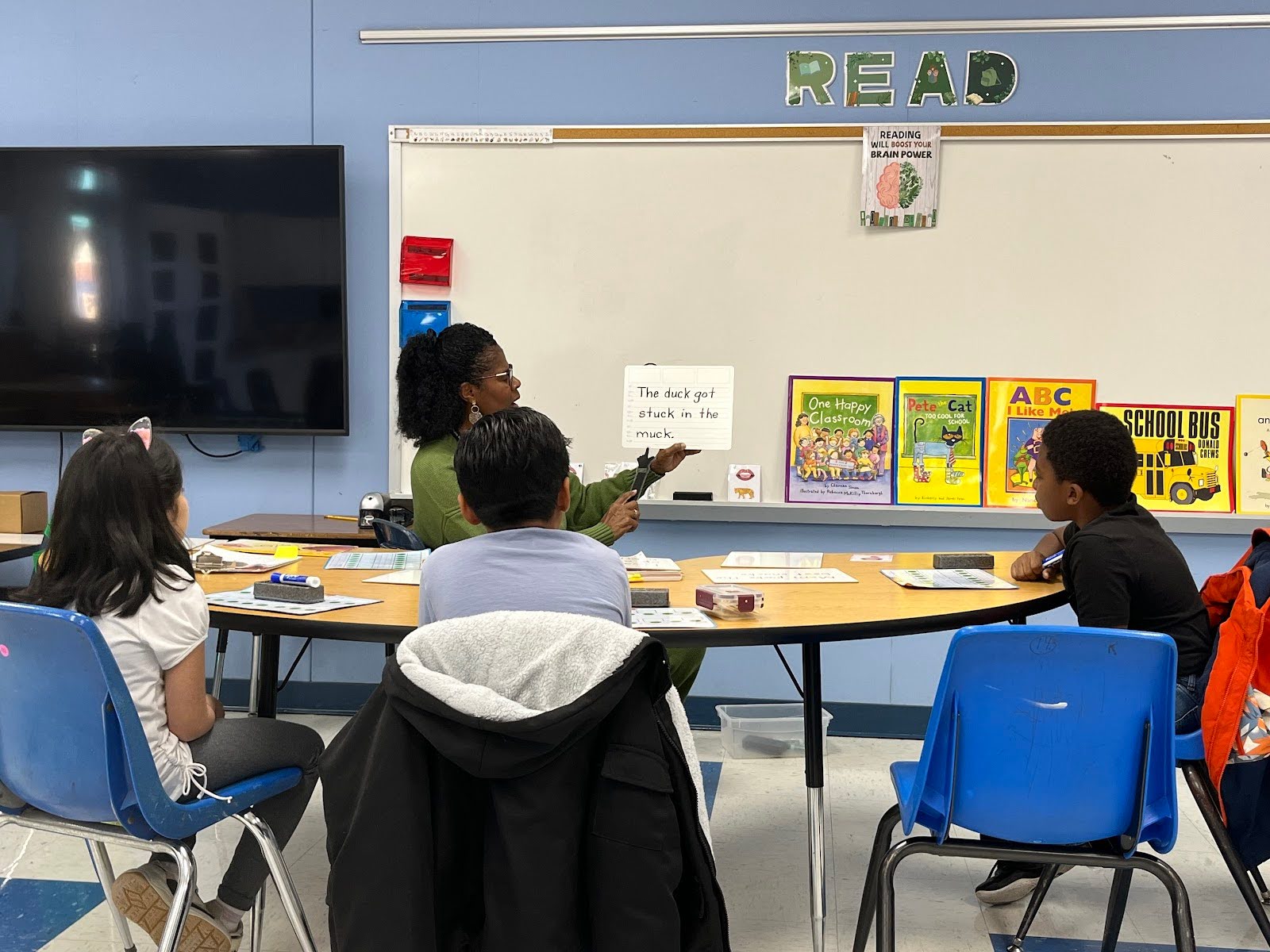
Students in the treatment group were compared to classmates who began the school year with similar reading scores and who benefited from other intervention support but did not receive Education Corps-supported tutoring — in-person tutoring provided during the school day three times a week, for 30 minutes per session, to groups of four students or fewer at a time, by a consistent tutor throughout the year.
Positive effects from the study were highly concentrated among boys. Higher dosage, attendance, and engagement strengthened results and reinforce the effectiveness of NCEC’s structured, consistent tutoring model.
In an era where districts nationwide are searching for proven literacy interventions, the study highlights NCEC as a high-impact, scalable solution.
 Sign up for the EdDaily to start each weekday with the top education news.
Budget cuts force reduced reach
Until this year, NCEC was funded through a blend of COVID relief dollars and private philanthropy. Without recurring state investment in the most recent budget, the organization was forced to significantly reduce the number of districts it serves:
- In 2024-25, the organization reached 26 districts, 188 schools, and 7,994 students with 481 tutors.
- In 2025-26, the organization reached 11 districts, 63 schools, and 2,373 students with 117 tutors.
This year’s tutoring support continues in Asheville City, Lincoln, Watauga (with the Belk Foundation’s support), Winston-Salem/Forsyth (through a teacher assisant pilot), Guilford, Wake, Orange, Chatham, Granville, Roanoke Rapids, and Hyde counties.
With fewer available slots, NCEC focused intentionally on Title I schools, 32% of which are currently designated as low-performing, ensuring that the highest-need students remain the priority.
Tutoring model remains strong, structured, and aligned to research
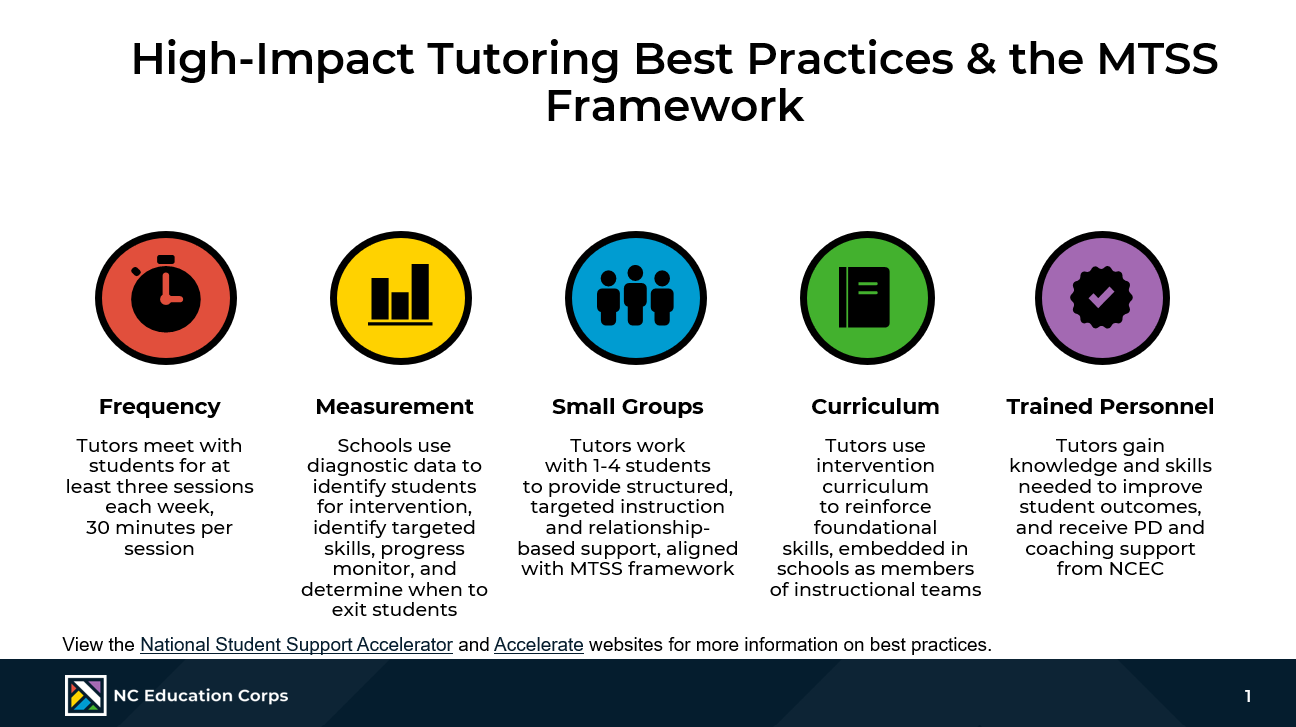
Despite reduced staffing and funding statewide, NCEC has not compromised the main components that make its model effective. Here’s a look at some of the main components of Ed Corps’ model:
- Frequency: Tutors meet with students for at least three sessions each week for 30 minutes per session.
- Measurement: Schools use data to tailor instruction and ensure consistency.
- Small groups: Tutors work with one to four students to provide structured, targeted instruction and relationship-based support.
- Curriculum: Tutors use curriculum to reinforce foundational skills.
- Trained personnel: Tutors gain knowledge and skills needed to improve student outcomes and receive professional development and coaching support.
This disciplined implementation approach reflects NCEC’s organizational values: partnership, continuous improvement, and a relentless focus on student outcomes.
Granville County: Effective implementation
A recent visit to Granville County Public Schools illustrated how a strong district partnership can amplify the impact of high-impact tutoring.
District Literacy Coordinator Lauren Piper shared that the program is making a noticeable difference not only in student reading growth and renewed confidence, but also in supporting teachers.
With trained tutors providing aligned, evidence-based literacy instruction, teachers feel more supported and able to focus on core classroom needs. “Teachers are appreciative,” Piper said. It establishes a new level of collaborative professional trust and transparency.
Students receive tutoring during intervention blocks, not core instruction time. Clear entrance and exit criteria ensure services go to the right students. A district leader collaborates closely with an Ed Corps learning coach and school teams, driving coherence and shared accountability. Tutors across schools use the same curriculum and follow consistent routines, creating a seamless, districtwide implementation model.
During site visits, tutors Ruby Timberlake and Lorie Jamison-Phillips demonstrated strong instructional readiness, positive student relationships, and purposeful pacing that maximized every instructional minute. Students were engaged, confident, and receiving targeted support aligned to classroom expectations.
NCEC Learning Coach Alice Langrall, who supports Granville and two additional districts, noted that being part of the model’s ongoing refinement and collaboration has been a highlight of her work.
Looking Ahead: Continued commitment and emerging opportunities
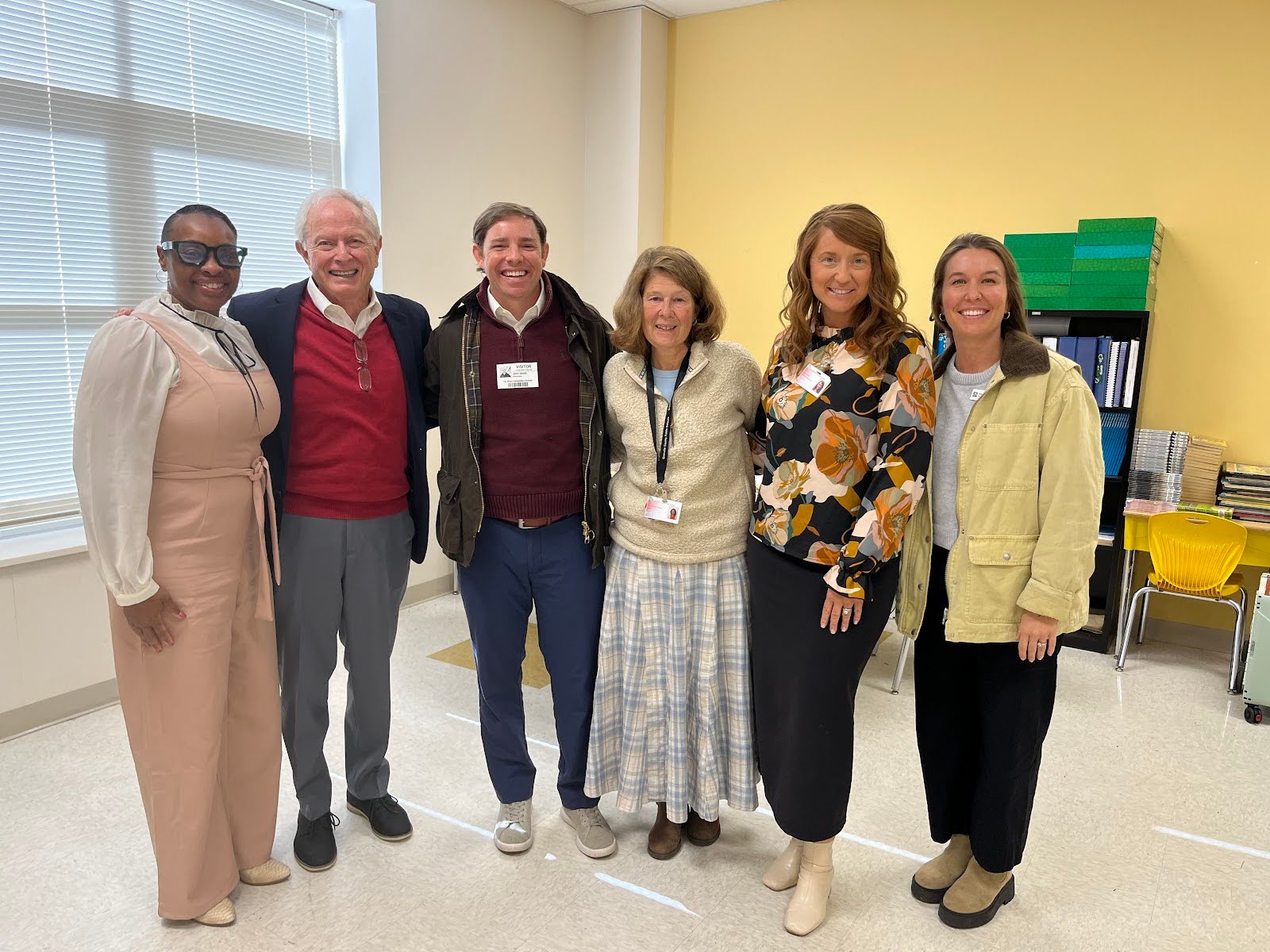
Even as funding challenges persist, NCEC remains committed to serving North Carolina’s youngest learners with fidelity and impact. Executive Director John Paul Smith shared that the organization is actively exploring expansion opportunities and will release updates in the coming months.
Despite decreased reach for the 2025-26 school year, NC Education Corps continues to stand out as a research-proven model that strengthens literacy achievement, supports teachers, and builds school-community partnerships — all while staying deeply committed to the students who need it the most.

Recommended reading