
LENS-NC showcases progress toward outcomes for students with learning differences
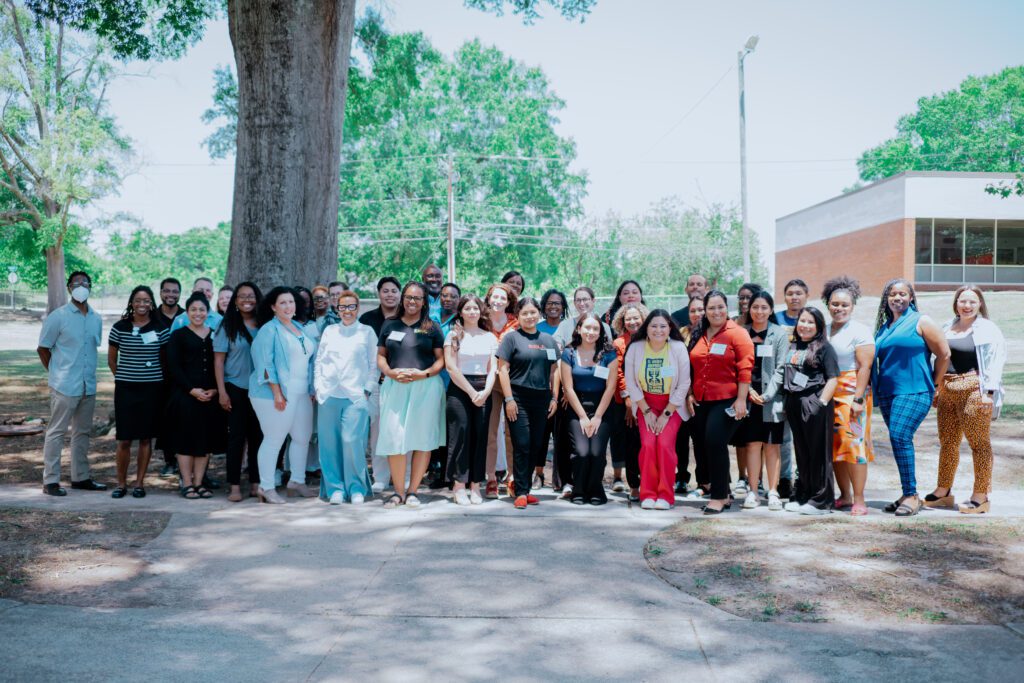
In spring 2020, Durham-based MDC in partnership with the Oak Foundation convened nine organizations focused on the intersection of race, educational equity, and learning differences to form Learning for Equity: A Network for Solutions – North Carolina, or LENS-NC.
Over the past four years, the network has expanded to 20 organizations, continuing their commitment to improving educational outcomes for students of color and low-income students with learning differences. Recently, the network held a community showcase, presenting the work and progress that has been made thus far.
About LENS-NC
According to their site, MDC was founded in 1967 as Manpower Development Corp. out of Gov. Terry Sanford’s North Carolina Fund in collaboration with the U.S. Office of Economic Opportunity and the National Association of Manufacturers. Their mission is to equip “Southern leaders, institutions, and communities with the necessary tools and strategies to advance equity—particularly racial and gender equity—and economic mobility,” and they have a vision of “a South where all people thrive.”
LENS-NC is one of MDC’s education projects, created in partnership with the Oak Foundation’s “Learning Differences Programme.” Together, the network compiles research and resources, addresses common challenges, and develops strategies for advocacy and change ranging from the classroom level to statewide.
LENS-NC Community Showcase
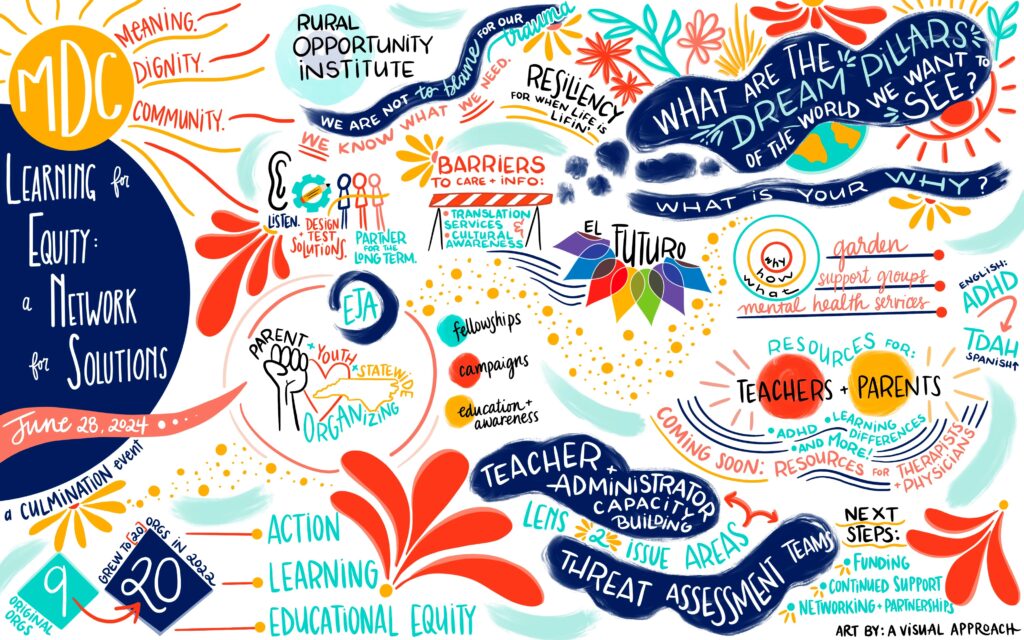
At the June 2024 community showcase, several organizations had the opportunity to share about their research, programs, and other partnerships that have been developed in alignment with their participation with LENS-NC. Here are select highlights from the showcase.
El Futuro‘s ADHD coach and outreach specialist, Tamara Schlez, and program manager for community engagement, Becky Leon, presented on culturally responsive mental health for Latinx individuals and communities. In a section of their presentation, Schlez identified how even minor language differences, in this case with spelling and acronyms, can be a barrier to resources.
For example, she noted that while attention deficit/hyperactivity disorder may be widely understood in English as ADHD, when searching for resources in Spanish, clients may have greater success when searching the Spanish translation: “trastorno de déficit de atención con hiperactividad,” or TDAH. Schlez and Leon listed several other Spanish and bilingual resources that El Futuro has created. Click here to access their manuals, videos, and other educational material.

The Education Justice Alliance (EJA) is a nonprofit organization that “works to address systemic inequities within the education system that disproportionately impact Black and Brown students and those with disabilities.” Co-executive directors Letha Muhammed and Jenice Ramirez-Garvin presented to the network along with their parent organizer, Surena Johnson. Together, they introduced the organization’s “Learning Plan,” which includes gathering data on the rates of suspension, expulsion, and arrests of students with learning differences. This is followed by hosting focus groups, workshops, coalition building, and advocacy for policy change.
At the showcase, they expounded on EJA’s approach to policy, practice, and cultural change in the public education system through parent, youth, and statewide organizations. As an example, Ramirez-Garvin said the year-long Youth Power Fellowship currently engages 15 middle school and high school students with organizing and exercising student voice. She said that the collective has recently launched their first campaign, Rise and Thrive, which focuses on tardy policies in school.
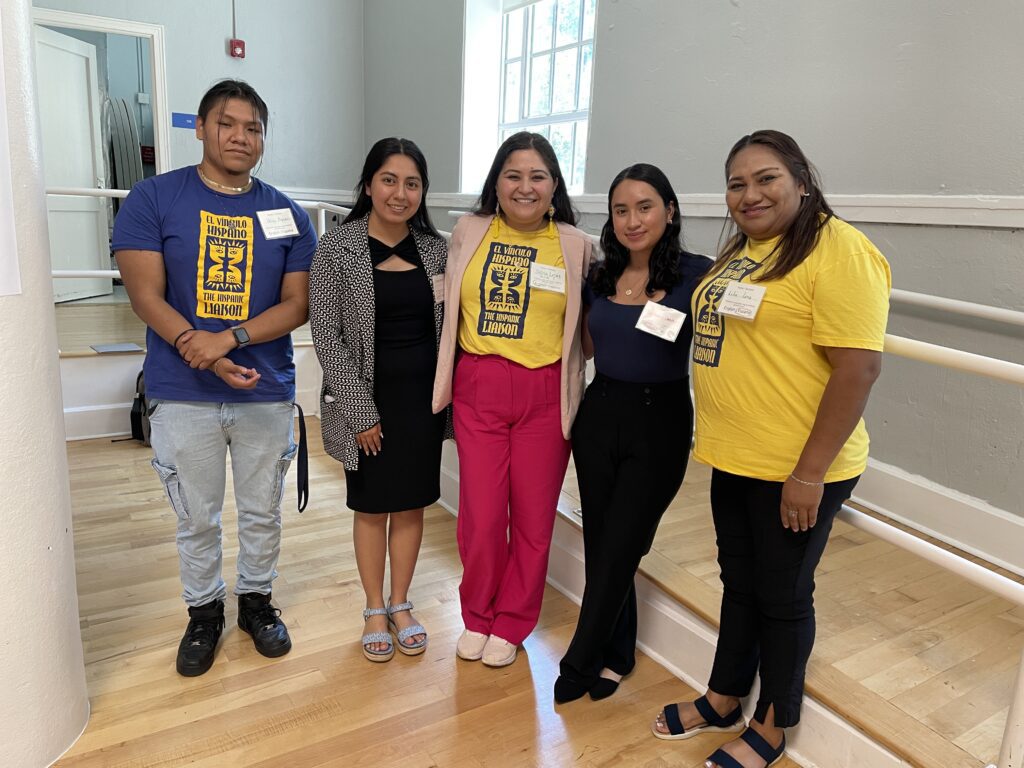

El Vínculo Hispano (EVH), or The Hispanic Liaison, offered insight into their service for the rural central Piedmont region of North Carolina. EVH’s youth leadership program director, Selina Lopez, and youth program coordinator, Carmen Monter Pacheco, spoke about the organization’s community empowerment, civic engagement, culture, and youth initiative.
Lopez displayed a portfolio created to support parent advocacy. The binder was equipped with the general school district information, the child’s school administration information, and various instructions for who to contact in other scenarios.
As a parent participant, Lilia Lara shared firsthand experience of how EVH’s resources assisted her with understanding the landscape of the education system and being a more informed advocate for her child’s education.
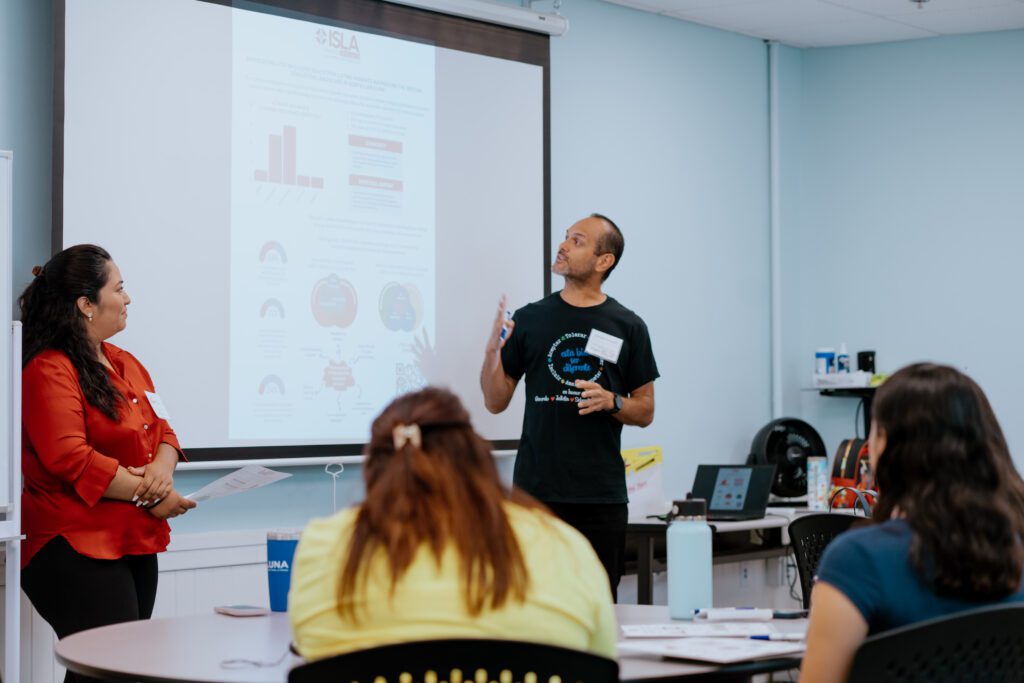
Immersion for Spanish Language Acquisition (ISLA) is a nonprofit with a mission to build community and leadership through their educational Spanish language and cultural immersion programs. At the showcase, ISLA Padres program participants shared about their research with Latine parents of students with learning differences.
In January 2024, the organization released their report, “Advocating for Inclusive Education: Latine Parents Navigating the Special Education Landscape in North Carolina.” In it, the parent researchers share their findings and recommendations following 39 interviews with other Latine parents of students with learning differences from 12 North Carolina counties. Click the article below to read EdNC’s previous reporting on ISLA Padres.
Collective action moving forward
While each organization has their own mission and initiatives, over the past year, they have worked to identify issue areas across the network to address as a collective.
The first area pertains to teacher and administrative capacity building. This is rooted in the network’s belief that “all students deserve a welcoming, supportive, and rigorous learning environment rooted in asset based learning approaches to teaching.”
Looking ahead, LENS-NC members aim to further develop strategy around providing research and resources to support students with learning disabilities.
Additionally, the network identified threat assessments teams as a focus area. North Carolina school systems were mandated to have teams implemented by March 2024, establishing “a multidisciplinary team that includes, but is not limited to, persons with expertise in counseling, instruction, school administration, and law enforcement that conducts threat assessments in a public school unit when threatening behavior has been communicated and when a student has engaged in threatening behavior that warrants further evaluation.”
Moving forward, the LENS-NC collective aims to explore the role and implementation of threat assessment teams, with particular attention to the monitoring, data collection, and evaluation of the teams.