
How Iredell-Statesville Schools helped students continue their literacy journey this summer

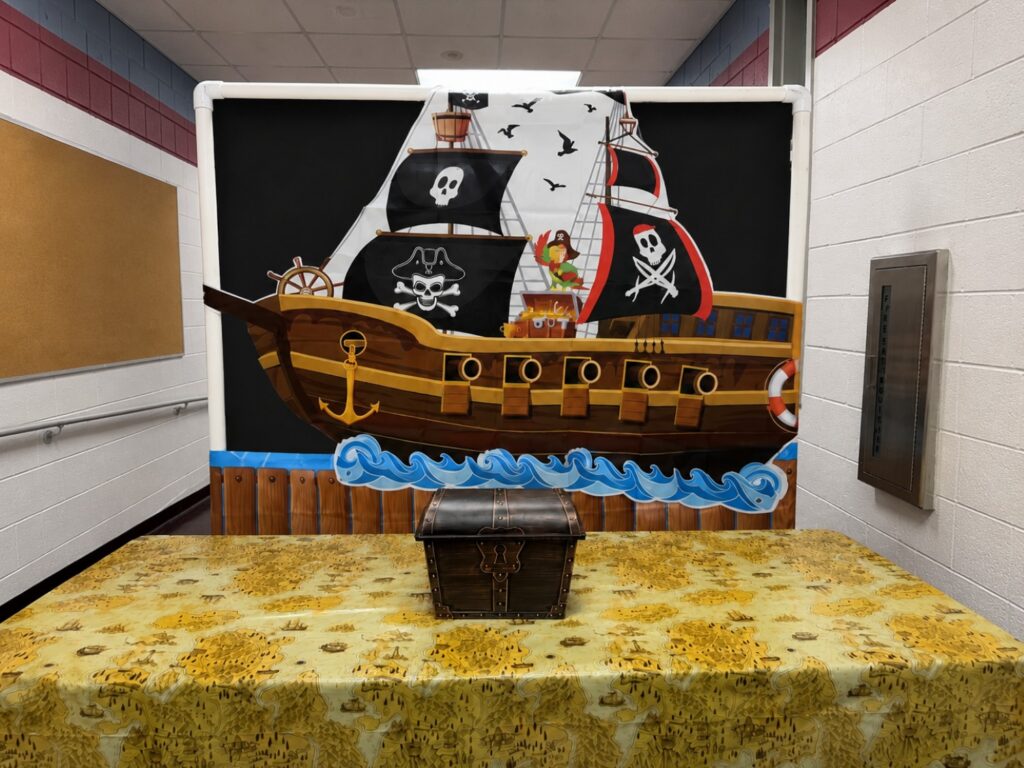
As the 2025-26 school year came to a close, the work of supporting young readers continued. Across five summer reading camp sites, Iredell-Statesville Schools (ISS) welcomed 322 second- and third-grade students for additional literacy instruction designed to address their specific learning needs.
Small class sizes with no more than 15 students created opportunities for meaningful learning and strong relationships between students and teachers. Behind the scenes, more than 100 teachers expressed interest in serving in the program. Just 42 educators were ultimately selected to represent 13 elementary schools across the district. Alongside eight administrators, four office staff, and 13 bus drivers, they helped create a summer experience focused on giving students the extra time, attention, and instruction needed to grow as readers.
As the district literacy team reviewed student data in preparation for summer reading camp, they noticed that students’ needs did not always align neatly with grade-level assignments. Rather than organizing classrooms by grade, instructional facilitators from all 17 elementary schools used UFLI Screener results to group students according to the literacy skills they needed most. The process required significant collaboration, but it created classrooms where instruction could be more closely aligned to student needs.
 Sign up for the EdWeekly, a Friday roundup of the most important education news of the week.
Once camps began, site leaders were able to make adjustments based on enrollment and student needs.
“At the site level, we were able to adjust and make changes once we received the lists as needed based on specific requests or personal information,” said Summer Reading Camp Site Coordinator Hunter Tharpe.
Teachers quickly found that the smaller, skill-based groups allowed them to spend more time on targeted instruction and less time trying to meet a broad range of needs within the same classroom. As students experienced success with skills they had previously struggled to master, many began to show increased confidence and engagement in their learning.
Equipping the crew: Shared resources and professional learning
As summer reading camp preparations began, district leaders focused on creating a shared experience for students and staff across all five sites.
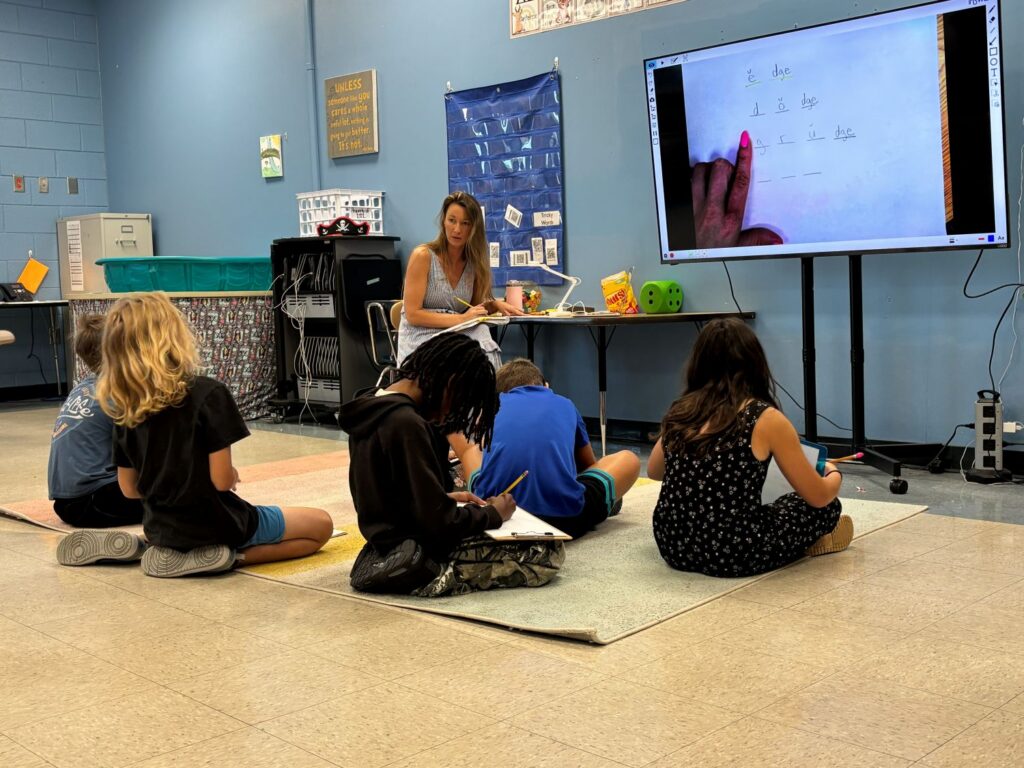
Every student was provided access to Lexia Core5 Reading, and every teacher received a UFLI Foundations manual, ensuring that students had access to consistent literacy instruction regardless of where they attended camp. While technology was an important support, the heart of the work remained the interaction between teachers and students.
That foundation was strengthened through the leadership of McKenzi Davis, instructional facilitator at Celeste Henkel Elementary School. Before camp began, Davis led UFLI professional learning for all summer reading camp staff and continued to provide coaching and support throughout the summer.
“UFLI provides equitable access for teachers and students because you don’t need the same level of background knowledge or prior schemas that other programs often require,” Davis said.
Although schools often have flexibility in selecting instructional resources during the school year, summer reading camp created an opportunity for teachers across the district to work from a common framework and language around literacy instruction.
Behind the scenes, Early Literacy Specialist Cristy Wagner helped ensure that both instruction and assessment systems were in place before students arrived. From coordinating mClass rosters and assessment placement to monitoring Lexia implementation, Wagner worked closely with site coordinators to keep the focus on student learning. She regularly shared program usage reports and data with site coordinators, helping teachers identify strengths and areas of need.
Wagner noted that one of the greatest benefits was giving teachers “access to the data and student’s specific gaps, along with a clear, explicit plan from day one to hit the ground running.”
The camps also created opportunities for learning to be both purposeful and engaging. Ellen Stout, summer reading camp site administrative assistant, described the intentional effort to balance the 24 reading lessons delivered over 12 days with activities that kept students excited about learning.
“Since we have a pirate theme, we sent students on a reading-based treasure hunt that led to a reward at the end,” she said.
The excitement caused by the activity was evident, with students eagerly asking when they could do it again. Moments like these served as a reminder that meaningful literacy learning can happen when strong instruction, thoughtful planning, and student engagement come together.
All hands on deck: Partnering with families
With students attending summer reading camp from schools across the district, maintaining clear and consistent communication with families became essential.
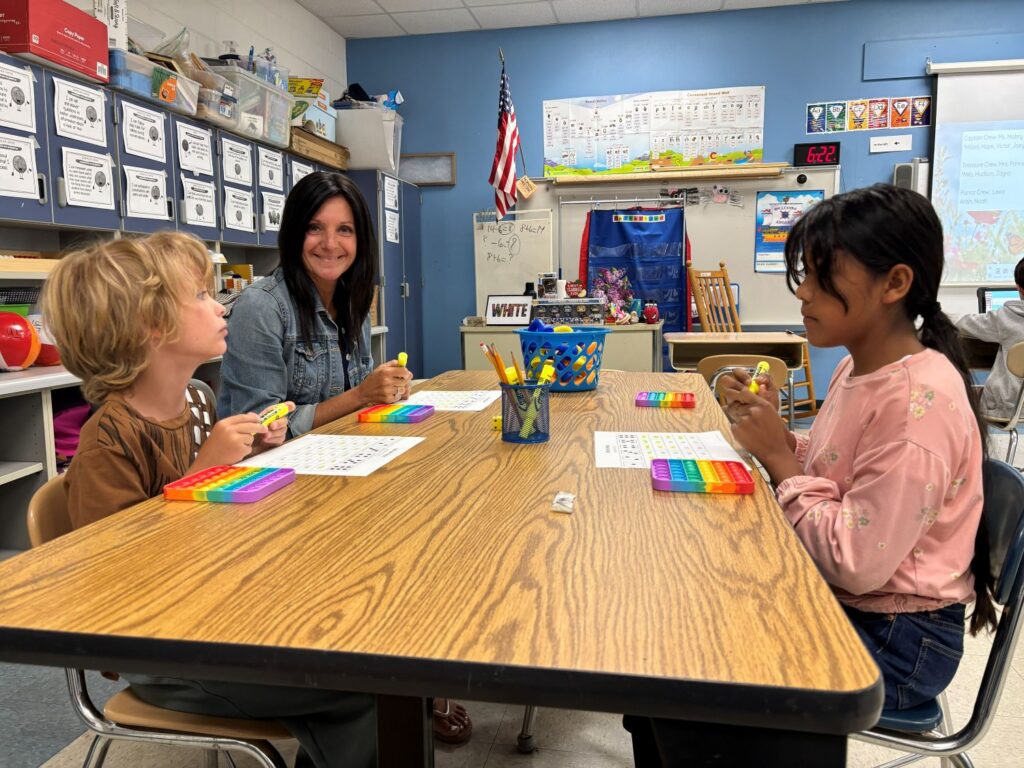
To address this need, Jada Jonas and the ISS Communications Team created dedicated Summer Reading Camp ParentSquare groups that connect families, staff, and site coordinators through a single communication process. The new approach helped ensure that important information reached every family, regardless of their home school, while also making it easier for parents to stay engaged throughout the summer.
The impact was evident from the very beginning. Open House events at each camp site had more than 70% parent participation, a level of family involvement that had not been achieved in previous years.
The streamlined communication process not only improved the flow of information but also strengthened the connection between home and school, helping families feel like active partners in their child’s summer learning experience.
Planning the next voyage: Continuous improvement mindset
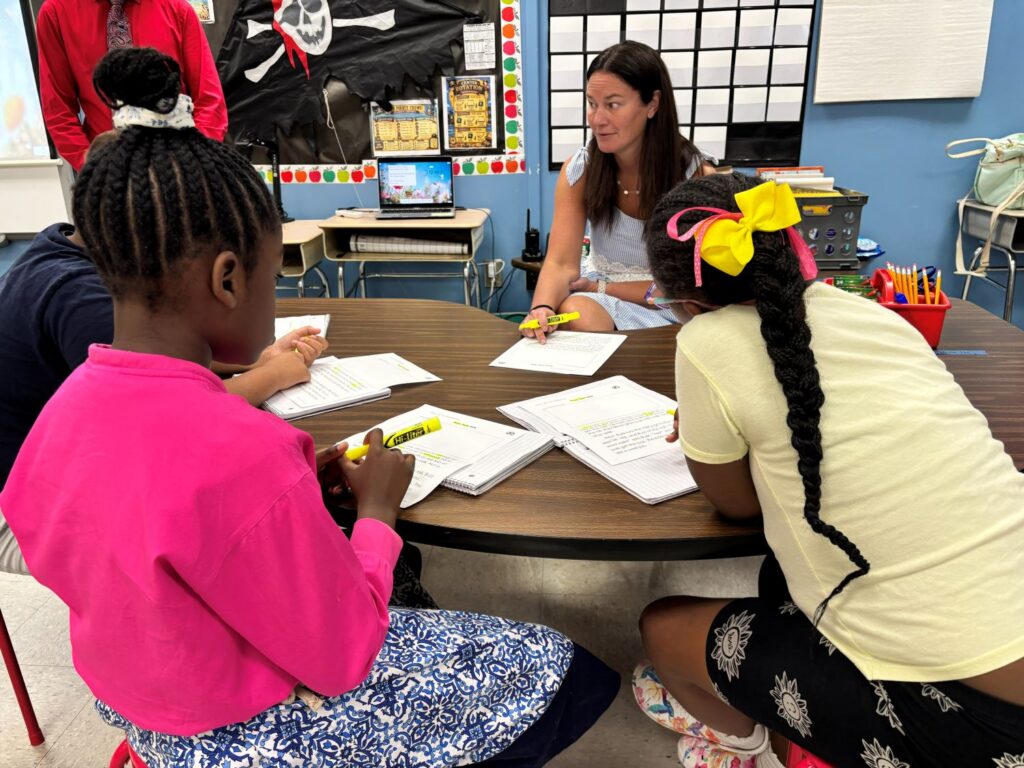
As district leaders look ahead, their discussions and planning focus on continuous improvement.
“Next year, I would like to see us move our summer reading camp process earlier, beginning with student data since it is an extension to the traditional school year,” Laurie Spice, director of curriculum support for elementary, said reflecting on this year’s work.
The goal is to shift districtwide processes and practices so that summer reading camp is viewed as a seamless extension of the instructional year, building on the literacy foundations established during the regular school year.
As the team continued to discuss the successes and challenges of the summer camps, one lesson stood out as the summer unfolded: The work is stronger when everyone is moving in the same direction, speaking the same language. Having common resources, shared expectations, and ongoing collaboration helped create a more consistent experience for both students and teachers across the district.
Diana Jones, chief elementary academic officer, emphasized the importance of consistency, noting, “With 9,000 elementary students, a common language is essential for the district since we also have around 54% of non-traditional teachers coming in.”
Looking ahead, district leaders plan to build on the momentum created through summer reading camp by expanding opportunities for collaboration, including job-alike meetings and professional learning. Their goal is to continue strengthening aligned processes, instructional practices, and expectations so that every teacher has the support they need and every student has access to high-quality literacy instruction, regardless of the school they attend.
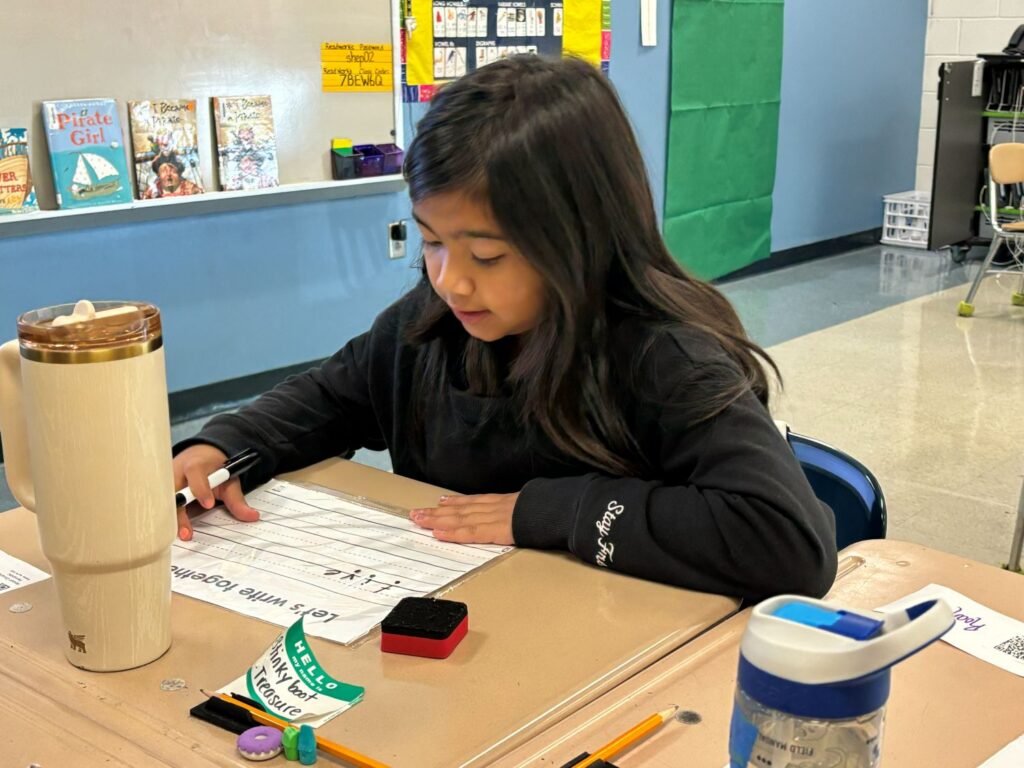
As the final treasure maps are packed away and summer reading camp comes to a close, the most valuable treasure discovered was not gold or jewels, but the growth, confidence, and excitement students developed as readers.
Through intentional planning, strong instruction, meaningful family partnerships, and a shared commitment to literacy, Iredell-Statesville Schools created opportunities for students to continue building essential reading skills beyond the traditional school year. While the district awaits final outcome data, one thing is already clear — when educators work together around a common vision and provide targeted support for students, every child has the opportunity to uncover the treasures that reading can provide.