
How 16 coaches are helping teachers reach all learners

This is the fourth article in a series about the Teach for All-Oak Foundation Reaching All Learners Fellowship experience in New Zealand. Read the rest of the series here.
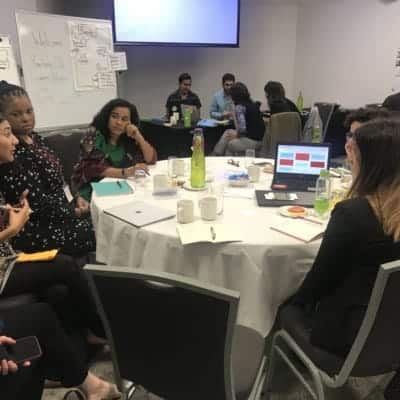
For a week at the beginning of May, 16 teacher coaches from 16 different countries gathered in Auckland, New Zealand to learn different strategies to better reach students (and adults) with learning differences. The fellows are part of the Teach for All-Oak Foundation Reaching all Learners Fellowship.
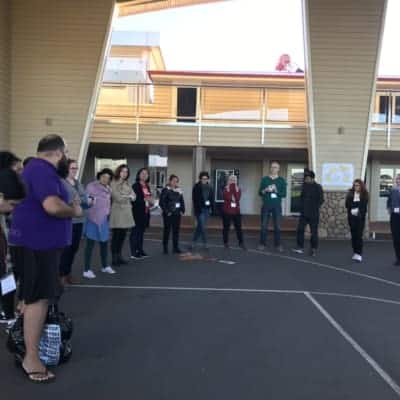
Over the course of a month before the trip, the fellows completed an online module exploring various strategies to better serve students with learning differences, including a focus on metacognition, culturally responsive teaching, and Universal Design for Learning. During their time in Auckland, the fellows learned about New Zealand’s history and shift towards biculturalism and how New Zealand approaches reaching all learners through their education strategy Ka Hikitia. They visited schools in Auckland, were taught Māori customs and history by high school students, and reflected on how they could help their teachers better reach their students.
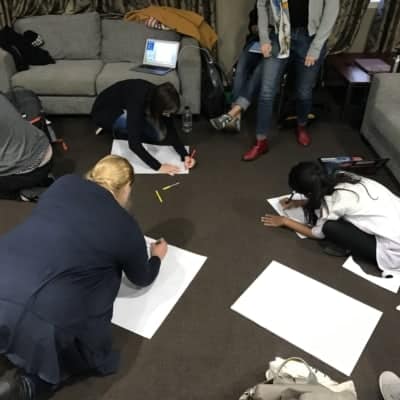
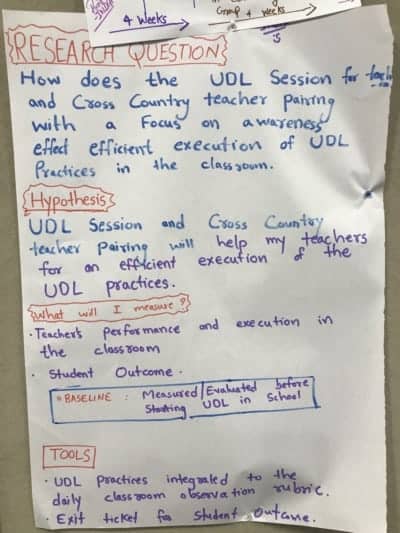
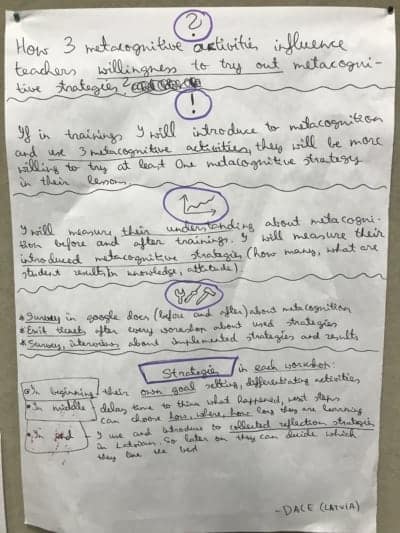
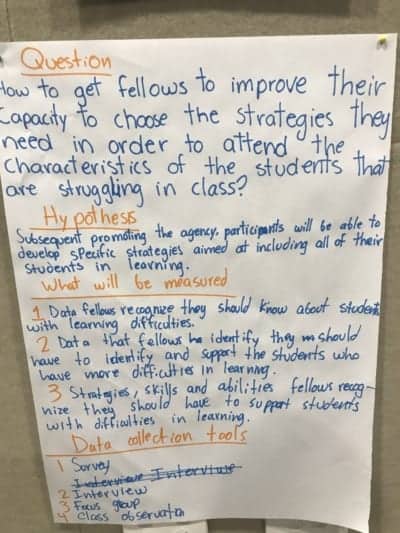
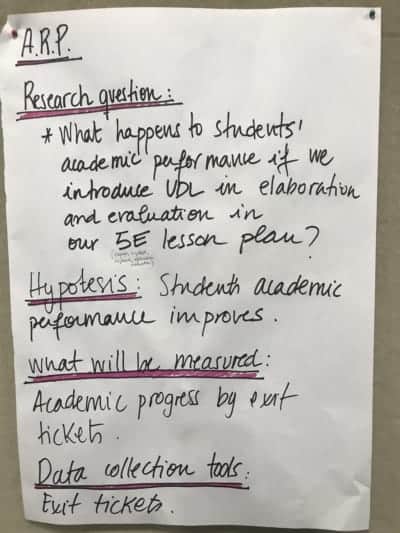
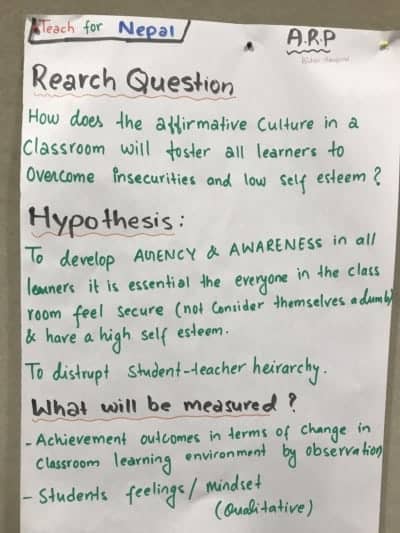
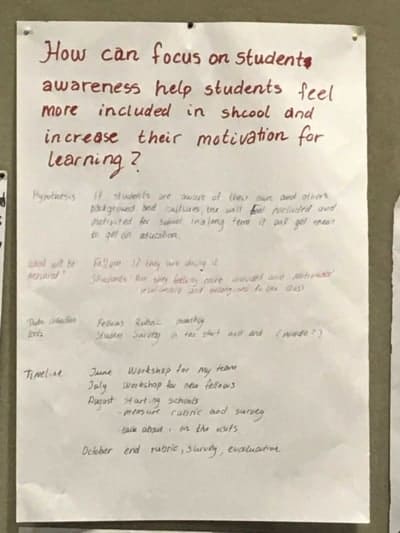
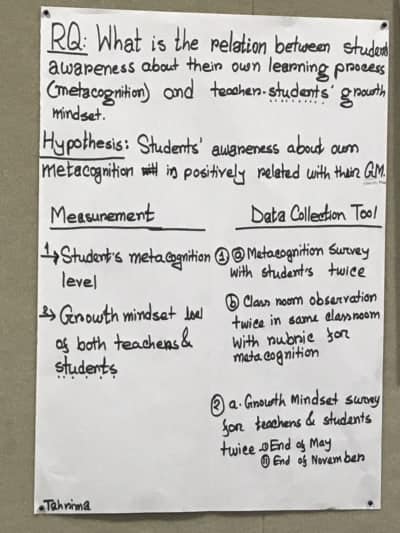
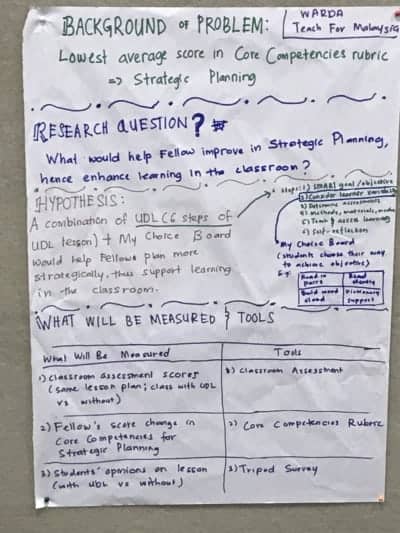
At the end of the week, the fellows created their action research plans to implement over the next three to four months. For their action research plans, fellows came up with a question to research, wrote a hypothesis, and developed a plan for implementation, data collection, and measurement. Afterwards, they’ll write a case study about their findings.
One of the fellows from last year’s cohort who was a facilitator this year, Emilio Rodriguez Caceres, shared his research question and findings. As a fellow with Teach for Paraguay, he realized many of his students were not coming to class prepared to learn due to traumatic situations they faced at home or in their communities. He decided to research, “How can emotional awareness strategies affect students’ ability to master content during a lesson?”
Over the course of two weeks, he tested his hypothesis that learning emotional awareness strategies would lead his students to have better mastery of content. When he compared his students’ exit ticket scores from the week before he taught his students the strategies to the week after he taught them, he saw higher scores and better mastery of content, confirming his hypothesis.
Because the fellows this year are teacher coaches instead of teachers themselves, their projects involve the teachers they mentor and their students. Some projects involve using metacognitive strategies with the teachers themselves, while others involve coaching the teachers to use metacognitive strategies with their students and measuring the impact. Below is a snapshot of some of the projects this year.
Universal Design for Learning
Many of the projects involve UDL, or Universal Design for Learning, which is one of the topics the fellows explored during the online learning module as well as in Auckland. The New Zealand Ministry of Education promotes the use of UDL as a way to improve inclusive education. So, what exactly is UDL?
“UDL is a design framework. At its heart, it is about designing a learning experience,” said Steve Nordmark, the Director of Business Development at CAST.
The idea behind UDL is that all students learn differently, and teachers should design a learning experience that embraces learner variability in all stages of the lesson. UDL is based on three main principles:
- Multiple means of representing content
- Multiple means of action and expression
- Multiple means of engagement in learning
Nordmark explained that UDL is like a GPS system. You define a goal (your destination), you know where you are starting (your current location), but you have many ways of getting to that destination. Understood.org, which has many resources for teachers thinking about using the UDL approach, states, “When taking a UDL approach, teachers prepare the learning environment with flexible means, methods, and materials that will allow them to better meet the needs of every student.”
To learn more about UDL, check out the following resources:
Looking ahead
Spending the week in Auckland was an impactful experience for the fellows. They were able to share and receive feedback from their peers, reflect on their own practice, and emerge re-energized for the work to come. Meet five of the fellows and hear what they are bringing back from the experience in the videos below.
Editor’s note: The Oak Foundation supports the work of EducationNC.