At North Newton Elementary School, dual immersion is not a program tucked inside a master schedule. It is the foundation of the school’s culture.
As a K-5 global school implementing the 50-50 dual immersion model, students learn in both English and Spanish every day. But the deeper story unfolding inside the building is not just about bilingualism.
Principal Leah Hayes said, “It is about shared ownership, instructional precision, and a schoolwide commitment to ‘our kids.'”
A culture shift embraced schoolwide
Throughout the halls of North Newton, “our kids” is heard as a common statement made by staff, reflecting the mindset that every student belongs to every adult.
Assistant Principal Jill Hager said, “Each grade level highlights a different country of focus, reinforcing the school’s global emphasis.” Global committees support schoolwide goals, ensuring that cultural awareness is embedded into the fabric of the school experience.
International teachers are not treated as visitors, but as part of the schoolwide family. Each leaving behind their homes, relatives, and friends — arriving in the U.S. with only two suitcases — to serve students in North Carolina. Their cultures are celebrated, school leaders said, and their contributions are valued.
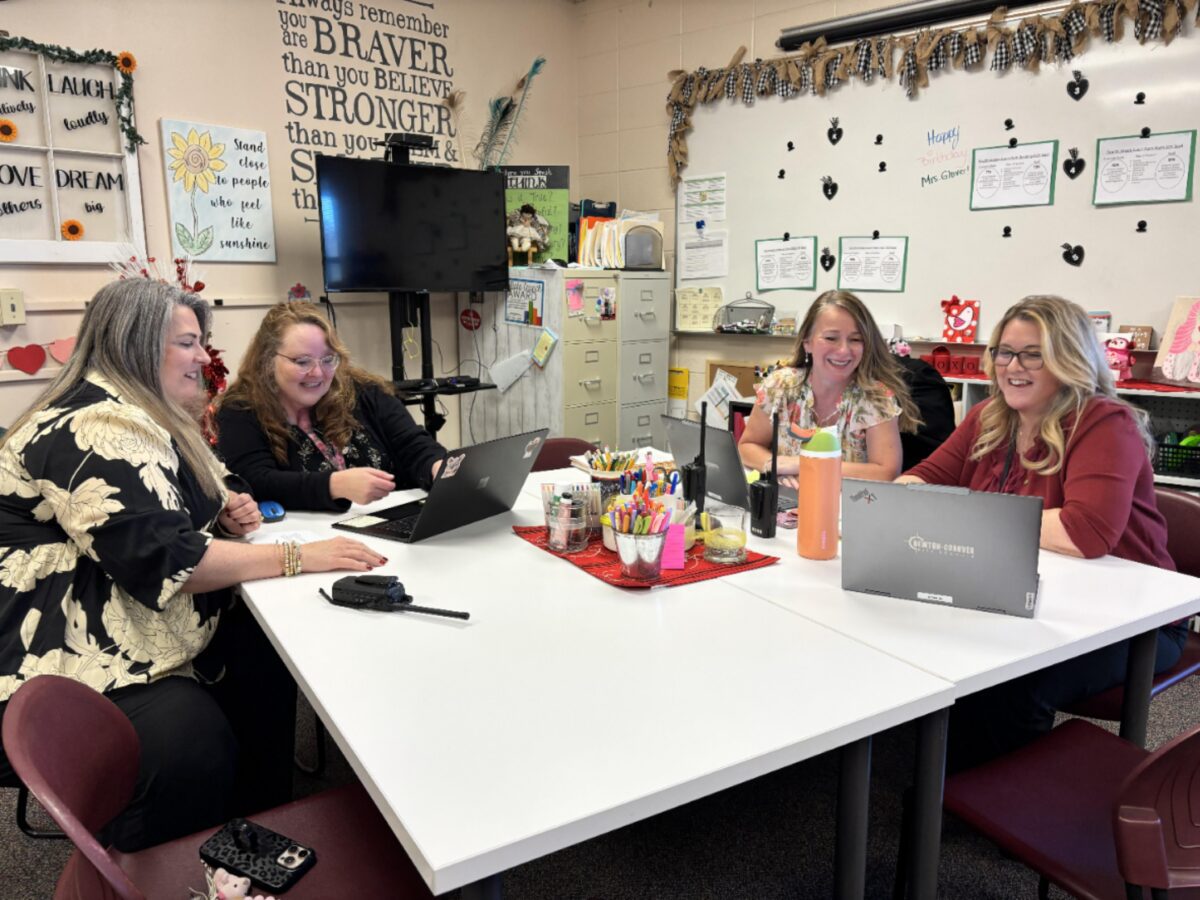
School leadership has fostered an environment of high expectations and collaboration. Lessons are planned collectively and implemented seamlessly across classrooms within each grade level. Teachers learn from one another, take risks together, and push one another toward excellence.
At North Newton, literacy time is sacred.
Kindergarten through third grade students receive 150 minutes of literacy instruction daily, plus an intervention block.
Fourth and fifth grade students receive 120 minutes of literacy instruction, plus an intervention block.
Instructional time is maximized and authentic engagement is intentional. Every minute counts!
All teachers, including international educators, have completed Language Essentials for Teachers of Reading and Spelling (LETRS) professional development. While many educators had previously encountered reading theory in college coursework, LETRS provided a deeper, research-based understanding of how students learn to read and how to respond when they struggle.
This matters at North Newton, where the student population is transient and students do not always enter at grade level with proficient reading skills. Teachers must be equipped to respond instructionally to a wide range of needs. Literacy is integrated across content areas, rather than confined to isolated blocks.
 Sign up for the EdWeekly, a Friday roundup of the most important education news of the week.
Data drives action for students and staff
Mischele Glover, an instructional coach explained, “Core data is reviewed regularly to organize flexible intervention groups.” Staff members across roles are utilized to support both intervention and enrichment.
The school’s Multi-Tiered Systems of Support (MTSS) structure ensures that no student falls through the cracks, and that high-performing students are also challenged. As the number of advanced learners has increased, the school has intentionally expanded its professional development focus and support on the full continuum of learners.
Early literacy coaching has been a critical lever for growth, leaders said. Monthly professional learning communities (PLC) support, classroom modeling, co-teaching, and ongoing coaching have strengthened instructional consistency across grade levels.
Professional development is differentiated to meet the varied needs of educators. Teachers are not expected to grow in identical ways; instead, professional learning is tailored based on student data and specific instructional needs.
This year’s focus areas include:
- Liben and Pimentel’s “Text at the Center” framework,
- Hennessey and Salamone’s “The Reading Comprehension Blueprint,” and
- Explicit instruction, authentic engagement, and systematic vocabulary routines grounded in structured literacy research.
Vocabulary instruction, in particular, has been a major schoolwide implementation focus. Staff received thorough training, leadership communicated clear expectations, and fidelity checks ensure consistent practice. Follow-up coaching supports teachers as needed.
The impact is beginning to show in student data on the Dynamic Indicators of Basic Early Literacy Skills (DIBELS) assessment. In prior years, Grade 2 end-of-year assessment results were noticeably higher than the same group of students’ performance at the start of Grade 3. While the gap was often attributed to summer learning loss, school leaders recognized that the difference was too significant to be explained by regression alone. Instead, leaders said it suggested possible inconsistencies in instructional alignment and implementation across classrooms.
Recent literacy data reflects a shift. Grade 2 end-of-year results on the DIBELS assessment now closely mirror Grade 3 beginning-of-year outcomes. The increased consistency indicates stronger alignment in instructional practices and shared expectations among teachers, providing evidence that literacy instruction is being delivered with greater coherence across grade levels.
The results are not just visible in classrooms; they are reflected in performance data. At least 70% of students are now proficient, the school met expected growth, and North Newton has moved from a “D” school designation to a “B.”
While leaders are careful not to reduce their work to a single letter grade, they acknowledge that the shift affirms the systems, collaboration, and instructional focus they have been building steadily over time. The improvement signals a sustained commitment to doing what works for students — more than a change in status.
Classrooms where engagement is visible
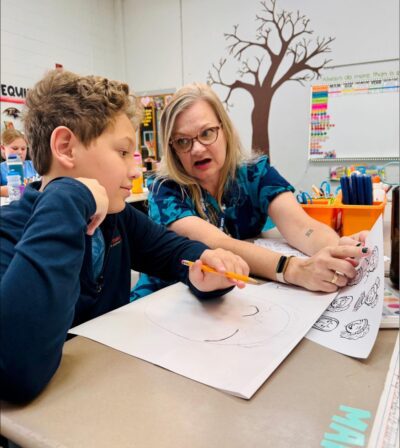
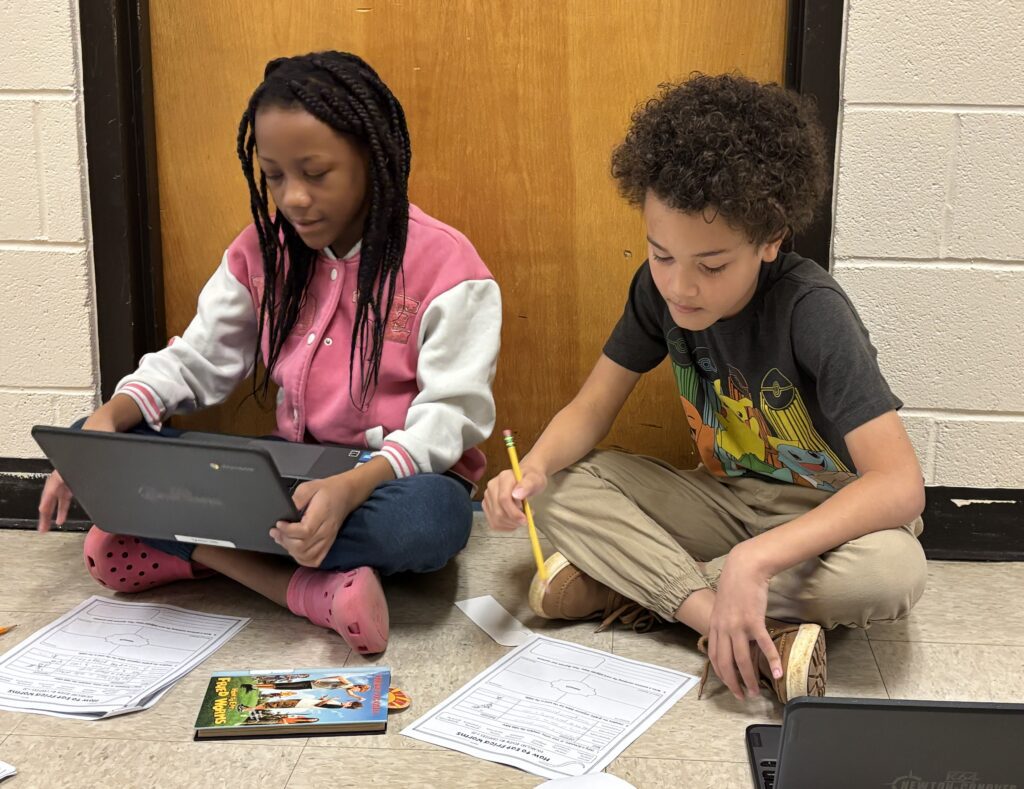
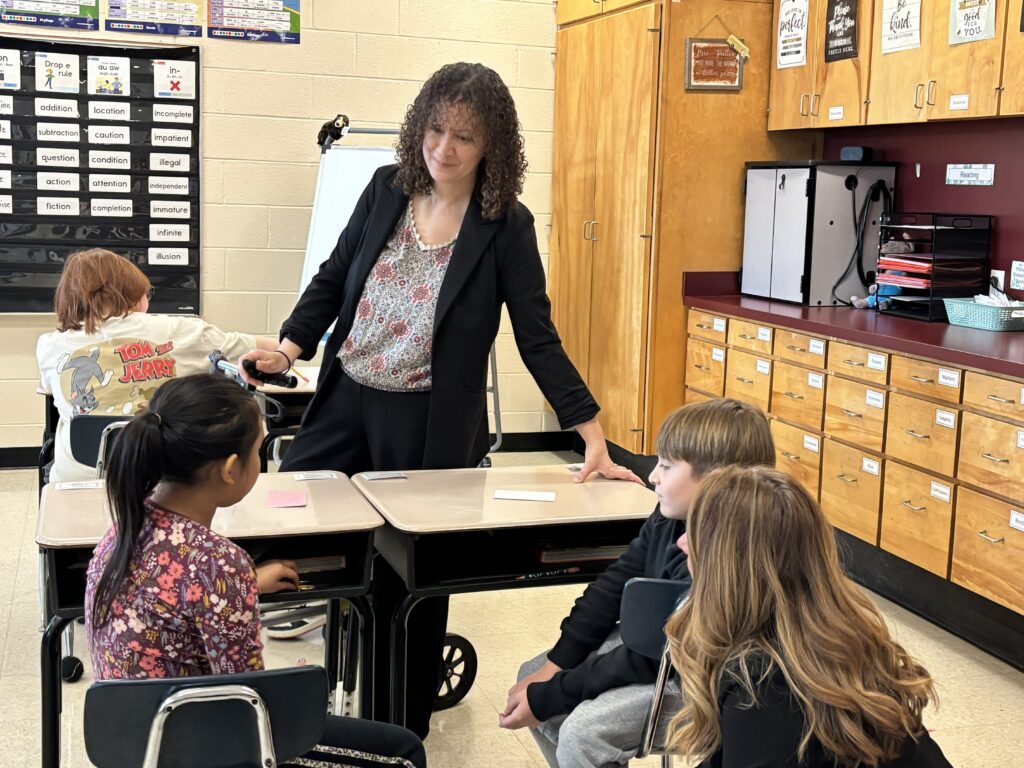
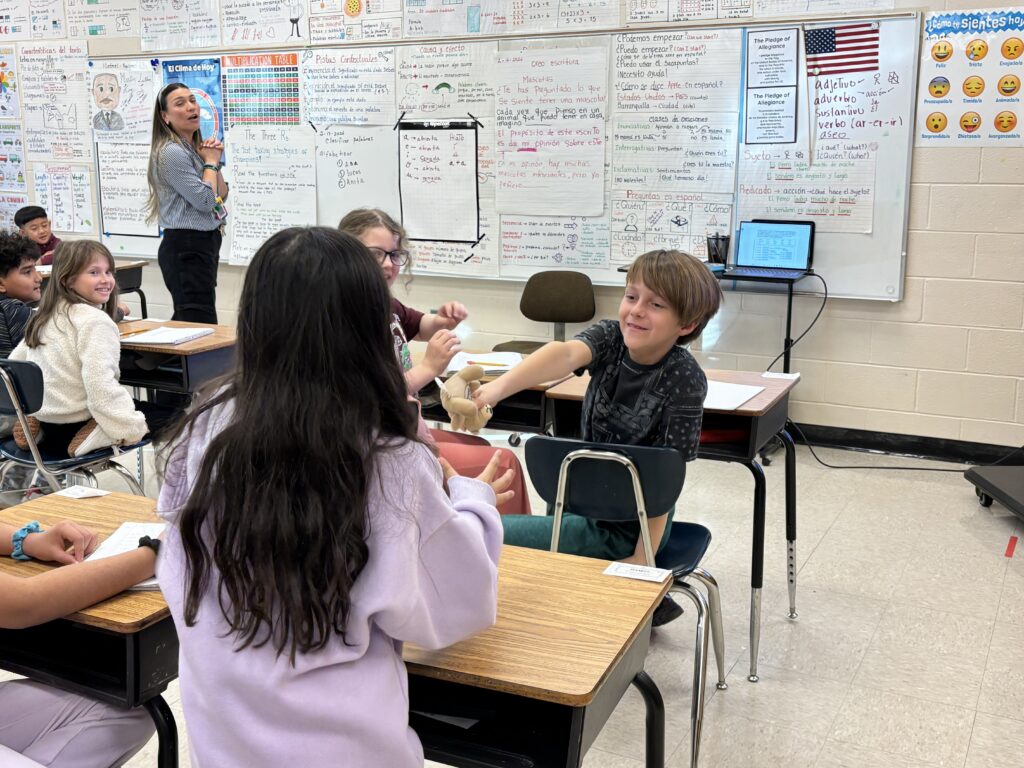
In Kathleen Bravo’s third-grade Spanish classroom, students work in partners to complete open sentences, focusing on comprehension and vocabulary. The room hums with steady collaboration. After practicing together, students share their responses through a game of Tingo Tango while smiles and laughter reinforce the level of authentic engagement.
Across the hall, Allison Patton, third-grade English partner teacher, leads the same intentional structure. Students discuss vocabulary words, generate personal sentences, and take structured turns sharing with every student participating throughout the entire lesson.
Both teachers emphasize maximizing instructional time and using strategies that enhance learning, rather than distracting from it. Each shared how LETRS had strengthened their ability to apply research daily, not just understanding it theoretically.
Instructional practices are intentional and culturally responsive. Spanish vocabulary is reinforced with hand motions. Student partnerships are strategically organized to build both language skills and classroom community.
Like most classrooms, challenges exist. Spanish instructional resources are not always readily available to align with English-based programs, and are often created by the teacher. Language barriers may also limit a family’s ability to support instruction practice at home. Yet teachers do not use this as an excuse for failure. Instead, they maximize every moment and opportunity they have with the students in-person daily.
Fourth and fifth grade Spanish teachers describe learning as a formative process. Data is reviewed daily, and small groups shift fluidly to meet students’ needs. Teaching in two languages is complex, and also deeply rewarding.
One benefit is that Latino students have role models they can identify with and take pride in their culture. Leadership encourages creativity within clear expectations. Teachers are eager to try new approaches and are always learning together.
Beyond academics, partnerships between English and Spanish teachers have grown into genuine friendships. Trust runs deep and cultural exchange flows both ways. Teachers speak openly about admiration for colleagues who have left everything familiar behind to serve students here in North Carolina.
For some international teachers nearing the end of their time in the United States, the experience has proven deeply transformative. While professional growth is evident, they say the relationships formed along the way are what matter most.
Bravo is completing her fourth year as an international teacher through Participate Learning. Reflecting on her English teaching partner, she shared: “Ms. Patton has helped me learn to let go of what I thought I needed to do so that I could prioritize what matters most for our students in the limited time we have them. She helped me become more intentional with my instructional time, where every minute counts. On a personal level, she also helped me love Jesus even more.”
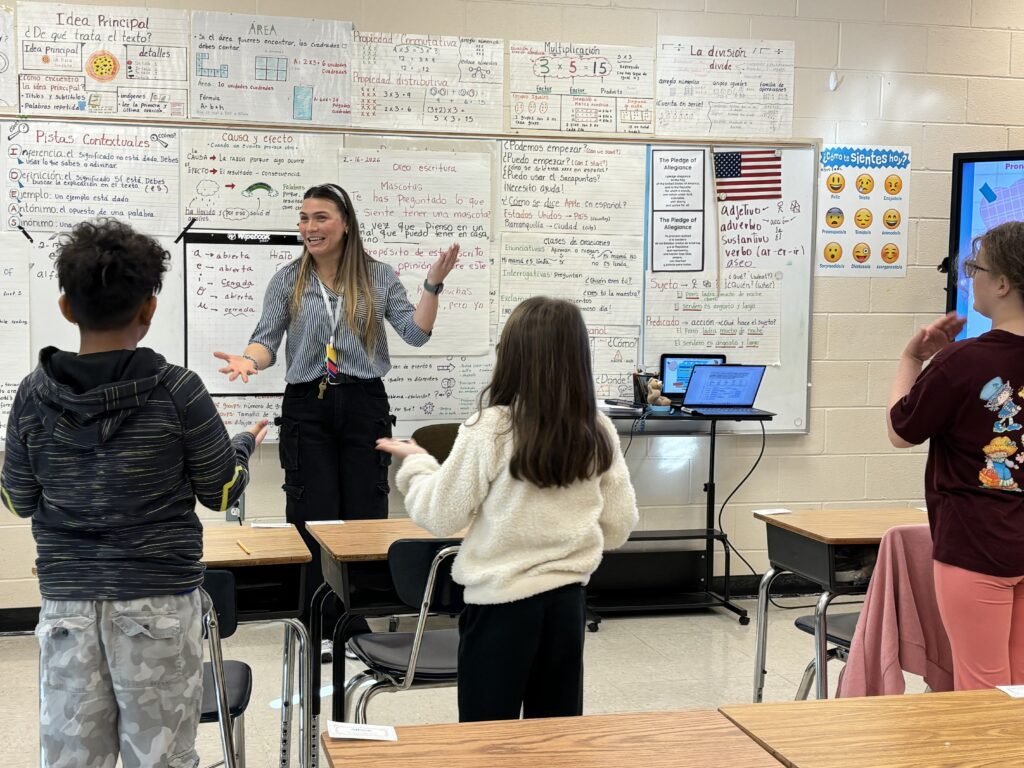
Sylvia Ordoñez, a fourth grade Spanish teacher completing her fifth and final year, gestured around the room as she spoke. “This staff has become my second family,” she said. “We have made so many great memories that make it hard to leave. I want to take them with me.”
Her words prompted a brief pause as colleagues wiped away tears, a visible reminder that international teaching partnerships extend far beyond instructional models. In the coming months, the school community will once again prepare to say goodbye to educators who have become integral members of both the staff and the broader school family.
More than bilingualism
Moments like these reveal that dual immersion extends beyond language acquisition or instructional structure.
What began as a program designed to strengthen academic outcomes has evolved into something less measurable but equally significant — a school culture shaped by shared responsibility, mutual learning, and deep human connection.
In classrooms where teachers learn alongside one another and students experience cultures not as lessons but as lived relationships, the impact reaches far beyond vocabulary or proficiency scores.

Recommended reading