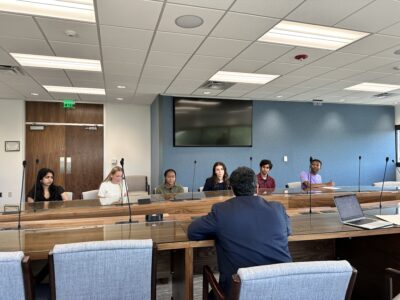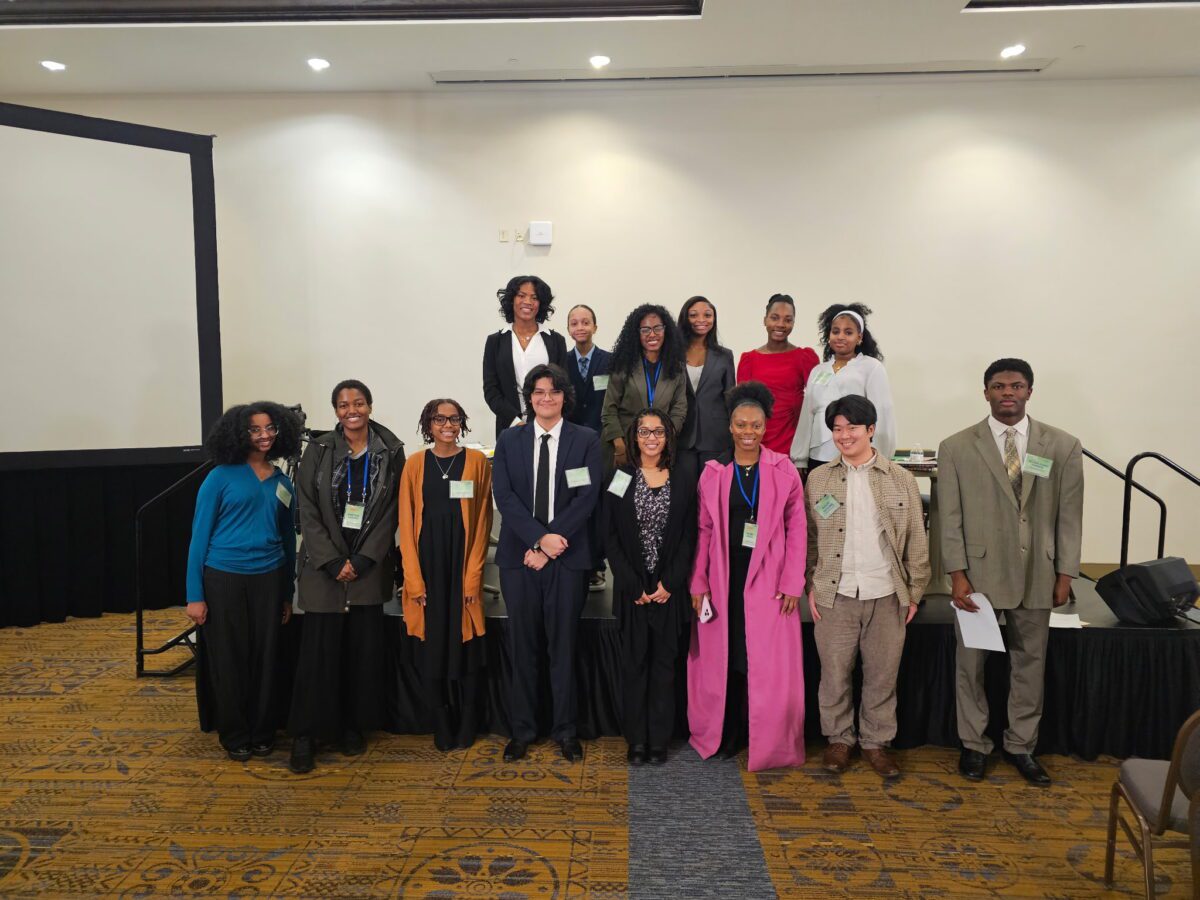
The Beloved Community Center, a Greensboro-based organization rooted in justice and community engagement, opened the first day of its annual NC Truth, Justice, and Reconciliation Commission Summit a bit differently this year. Instead of a keynote, the first voices at this year’s summit came from students arguing a case. The roles of attorneys, witnesses, and jurors were all taken on by students, who presented arguments, questioned testimony, and weighed the evidence before them.
The case focused on Jordan Johnson, a fictional 17-year-old Black high school senior whose disagreement in the classroom led to a suspension and possible expulsion. Even though the courtroom was imaginary, the questions that motivated the case were real: When does speaking up get seen as a disruption? How are students viewed during conflict? And how should schools respond when students challenge authority?
 Sign up for the EdWeekly, a Friday roundup of the most important education news of the week.
Through the youth-led mock trial titled State v. Jordan Johnson, local students used storytelling and legal arguments to explore these questions and to think more deeply about school discipline and student voice. The mock trial was part of the Beloved Community Center’s February summit in Greensboro, which every year focuses on creating space for dialogue around justice and equity. This year, youth organizers played a key role in shaping programming that centered on student experiences and perspectives.

For the students involved, the mock trial was not just an activity. It was a way to engage with pressing issues while also learning what advocacy can look like in practice. Jaelle Garvin, a senior at The Early College at Guilford who helped lead the effort, said the idea came from her passion for mock trials and her desire to ensure young people were included in conversations about justice.
This case was handcrafted. Usually in a mock trial, you’re given a case, but we built this one from scratch.
— Jaelle Garvin, a senior at The Early College at Guilford
The student meetings for this effort started in the summer. Each session consisted of hearing from community speakers and exploring topics like education, housing, and the justice system before deciding to center their case on schools.
As they developed State v. Jordan Johnson, many students drew inspiration from personal experiences. Students from different schools and backgrounds across Guilford County participated. Different perspectives from public and private schools, along with homeschools, shaped the way the case pushed students to think through multiple sides of the issue.
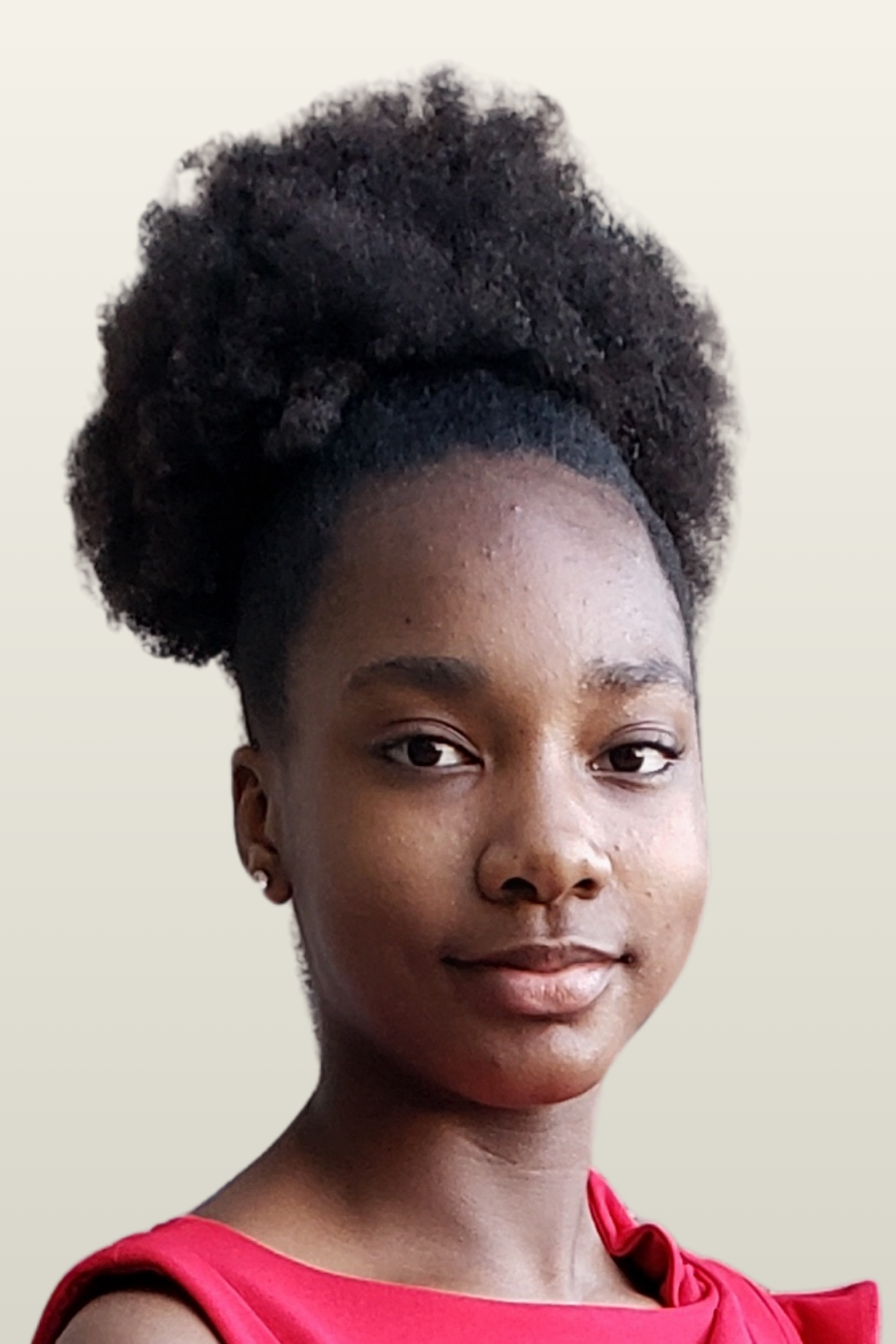
Garvin said one of the biggest goals of the mock trial was simply showing that young people are paying attention and care about what happens in their schools. The experience also highlighted that advocacy does not look like just one thing, but can take shape across different platforms, including the courtroom.
For many students, the program was also their first introduction to a mock trial. Yaliz Swindell, an eighth grade student at Summit Creek Academy, said she first got involved after a teacher encouraged her to join an introductory meeting.
I joined the intro call, and I just loved it. So I stayed on until I was actually able to be a part of the case.
— Yaliz Swindell, an eighth grade student at Summit Creek Academy
Students met regularly to practice, run through their roles, and build confidence in their arguments. Swindell served as an attorney during the trial and, despite feeling nervous at first, she left the experience feeling proud.
Beyond teaching students how to present a case, the mock trial helped them think more deeply about the school systems they experience every day. Taking on different roles helped them to see the situation from multiple perspectives and better understand decision-making. It also gave many of them a stronger sense of confidence when it comes to speaking up.
Garvin emphasized the importance of continuing to create spaces where youth can participate in conversations about education and justice, especially when those conversations directly impact them.
Through the mock trial, students learned that exploring complex issues can be done in an interactive, collaborative way rooted in their own experiences. Above all, this event was a reminder that student voices matter and that advocacy can take many forms, including stepping into a courtroom and making a case.
Interested in hearing the final verdict? Watch the full mock trial here.

Recommended reading