Every child, every community: Building a life with books

What if a child’s journey as a reader began not on the first day of kindergarten, but at birth, and the adults, organizations, schools, and communities surrounding that child shared responsibility for keeping books, language, and literacy within reach along the way?
Long before a child enters a kindergarten classroom, the foundation for reading is already being built. It happens when a parent opens a book with an infant. It happens through conversations, songs, stories and the everyday interactions that introduce children to words, ideas, and experiences. It happens when families have access to books and when communities have the resources and support to help parents and caregivers understand the important role they play in their child’s early development.
 Sign up for Early Bird, our newsletter on all things early childhood.
Across North Carolina, that work is taking many forms. But running through those efforts is a shared idea that children need opportunities to experience books early, often, and beyond the classroom. For Dr. Laura Bilbro-Berry, literacy manager for Smart Start, the commitment can be captured in four words: “Every child, every community.”
North Carolina’s Smart Start network reaches all 100 counties through 75 local partnerships. Those communities vary in size, resources, priorities and needs, but early literacy is one of Smart Start’s four priorities.
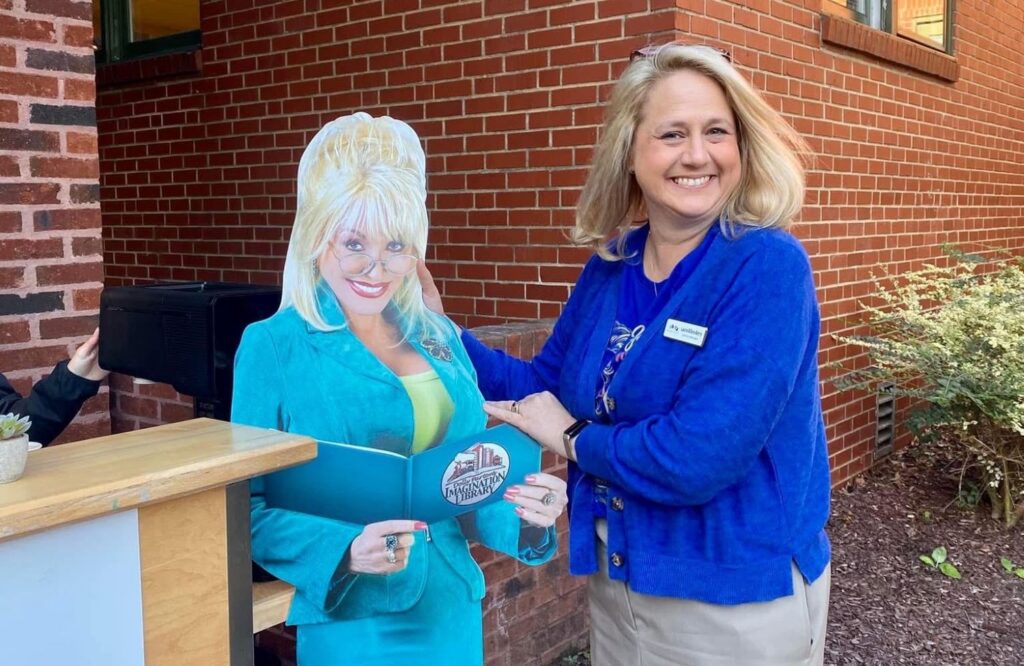
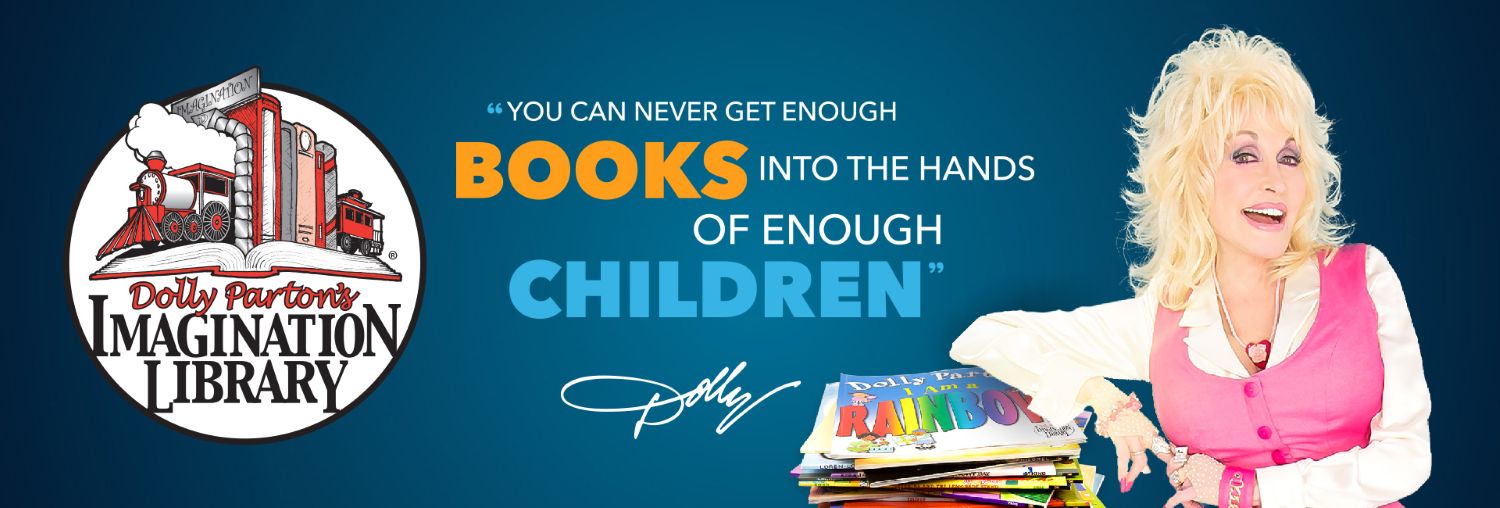
Local partnerships invest in literacy in different ways, from book programs and book drives to programs such as Raising a Reader. One literacy initiative connects every partnership: Dolly Parton’s Imagination Library.
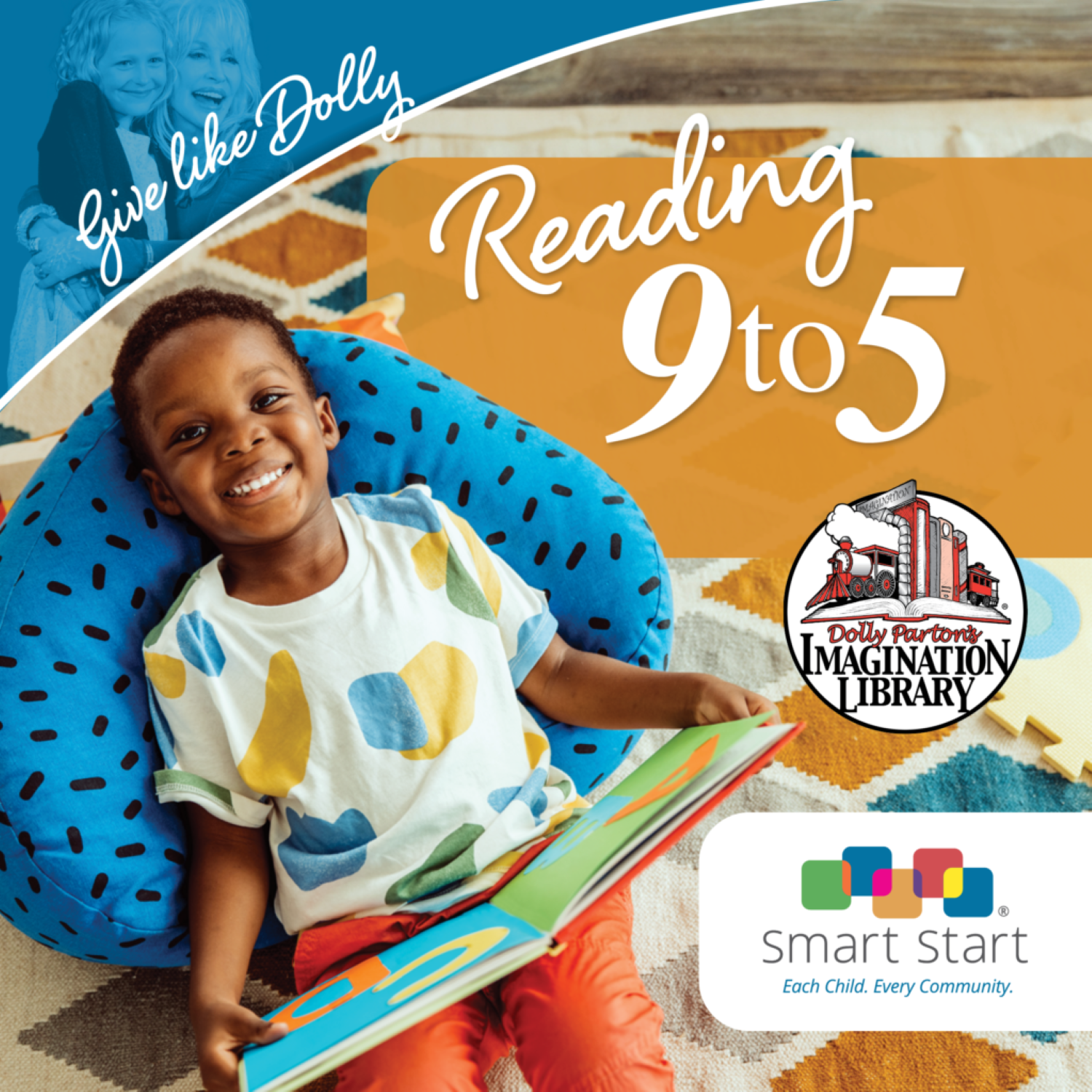
The program began in Tennessee in 1993, and some North Carolina Smart Start partnerships initially participated through local fundraising. In 2017, funding from the North Carolina General Assembly supported expansion across all 100 counties.
Since the initial expansion, nearly 28 million books have been mailed to North Carolina children and families, according to Bilbro-Berry. Today, nearly 260,000 children across North Carolina are being served through Imagination Library every month, a number that changes daily as more children are enrolled. In the past month alone, enrollment increased by approximately 16,000 children.
Its premise is straightforward: put books into the hands of young children and encourage families to read together. Yet what happens around those books is just as important as the books themselves.
Reading aloud, talking together, and exposing children to language and ideas can help build the experiences and background knowledge they will eventually carry into the classroom. The years before kindergarten aren’t separate from a child’s later reading development. They are part of the same continuum.
Sometimes that continuum begins remarkably early. Bilbro-Berry recently heard about a family whose baby was registered for Imagination Library at just one day old. For that child, literacy support didn’t begin at kindergarten registration. It began at birth.
From book ownership to abundance
That same belief, that a child’s relationship with books can begin at birth, is also at the heart of Book Harvest. Since 2011, Book Harvest has focused on ensuring children grow up with home libraries. The organization describes its goals as books for every child, support for every parent, and literacy for every community, with the dream of a home library for every child.
Book Harvest and Dolly Parton’s Imagination Library share an important belief in the value of children having books of their own. Both elevate the importance of book ownership. Both recognize the home as an important place for literacy development. And both place books in children’s hands before they are old enough to read those books independently.
Book Harvest describes what it hopes to create as “book abundance,” where books are readily available for children to choose, explore, reread, and call their own in each home throughout every community. And while Imagination Library concentrates on the years before kindergarten, Book Harvest’s work creates an opportunity to follow that idea of book ownership further into childhood. Its programs span birth through age 10. One of those efforts actually brings several of these organizations together.
With support from The Leon Levine Foundation, Book Harvest is bringing Books from Birth to select hospitals across rural North Carolina, partnering with the Smart Start Network to also connect families to Dolly Parton’s Imagination Library. In participating hospital systems in Tier 1 counties, newborns leave the hospital with a starter home library of 10 board books, along with literacy resources designed to encourage families to read, talk, and learn together from the very beginning. As children grow, families are connected with opportunities to continue building their home libraries.
It is one example of how organizations across the state can work together rather than in isolation. A child may encounter books through a hospital, the mailbox, a pediatric visit, a home visitor, a community organization, or, eventually, a school. The setting may change as the child grows. But the books keep coming.
Supporting the adults alongside the child
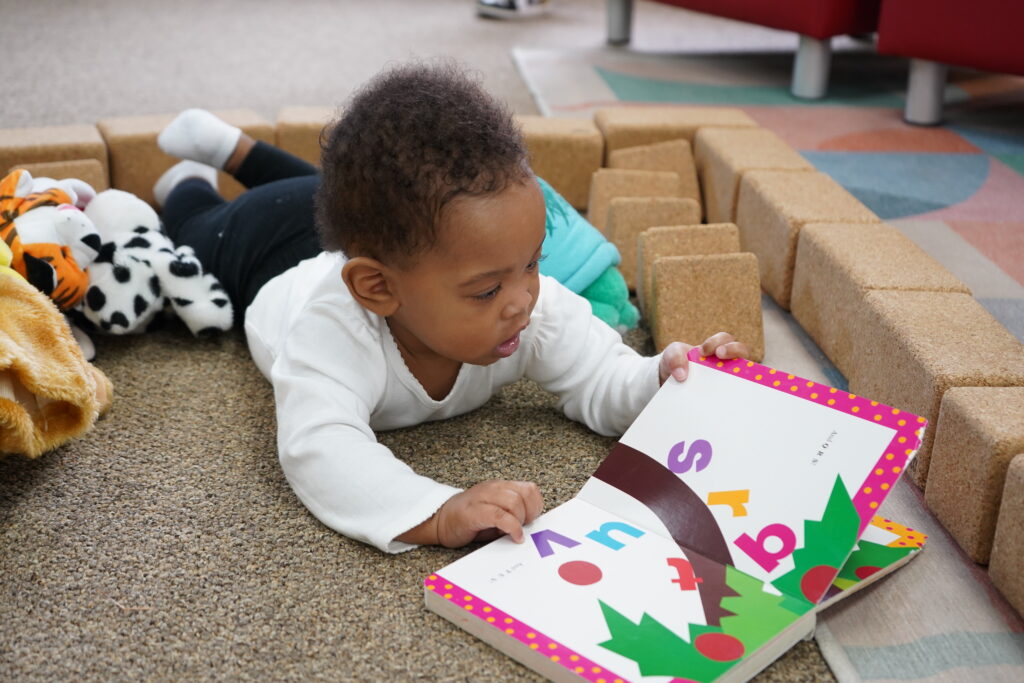
Both efforts also recognize that putting a book into a child’s hands is only part of the story. For young children especially, adults help bring those books to life.
Book Harvest’s Book Babies program combines book ownership with literacy-focused home visiting for Medicaid-eligible families in Durham and Forsyth counties. Families receive books quarterly while parents and caregivers receive coaching on ways to support their child’s language and literacy development. By the time participating children enter kindergarten, they will have received 100 books of their own.
That emphasis on families echoes the work happening through Smart Start partnerships. With Imagination Library, a book arriving in the mailbox creates an opportunity for a parent and child to open it together, share a story, talk about the pictures and ideas, and return to the book again and again.
Over time, those experiences add up. The impact is about more than the number of books provided. Books can become a way to build relationships, spark conversation, develop language and curiosity, and create shared experiences between children and the adults who care for them.
A child can then arrive at school carrying more than a backpack. That child may arrive having heard hundreds of stories, encountered thousands of words, developed curiosity about the world, and experienced the simple joy of sitting beside someone who made time to read. And as that child grows, the opportunity shifts from having someone place a book in their hands to reaching for one themselves.
When children enter school, the books don’t stop
Kindergarten marks an important transition, but it doesn’t have to mark the end of building a child’s home library. Book Harvest carries that opportunity into the elementary years.
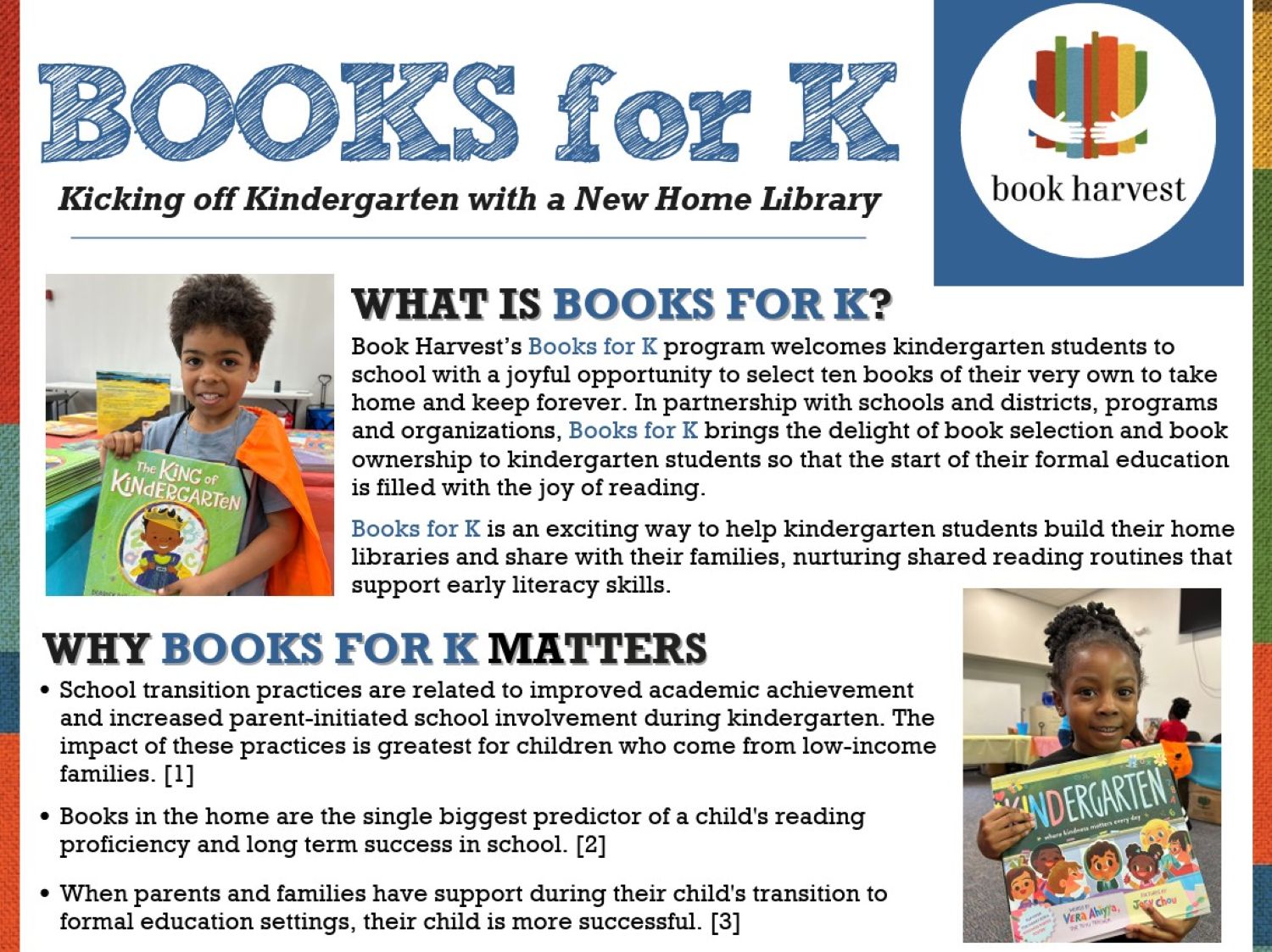
Through Books for K, kindergarten students receive 10 new books to take home and keep. The program currently operates in Bladen and Durham counties, with smaller implementations in Forsyth and Pitt counties.
The experience is intentionally about more than provision. Children experience book selection and ownership while families are encouraged to continue shared reading and establish reading routines at home.
Then comes summer.
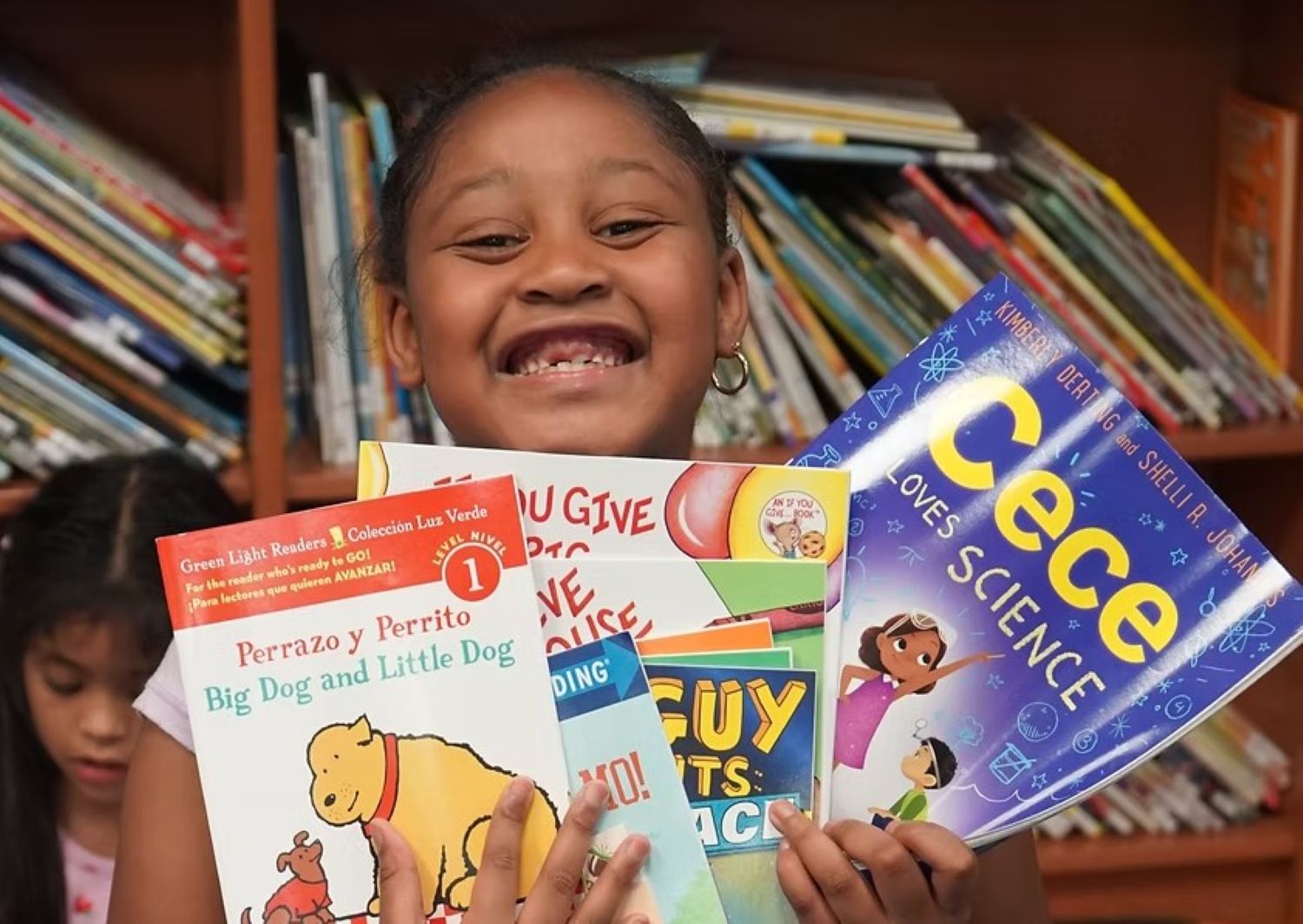
Through Books on Break, one of Book Harvest’s longest-running programs, children in kindergarten through fifth grade choose 10 brand-new books before summer break. The program has also expanded into after-school and summer programs.
Giving children the opportunity to choose their own books is a subtle but significant shift. Adults are still creating access to books and experiences around reading, but children are also beginning to discover what interests them, develop their own preferences, and see themselves as readers.
A shared responsibility
Together, these efforts remind us that literacy happens in many places. Schools have an essential responsibility for teaching children to read, but they don’t carry that responsibility alone. Families, early childhood providers, healthcare systems, libraries, nonprofits, and communities all have a role.
Smart Start allows local partnerships to respond to the unique needs and resources of their communities, while Book Harvest takes a broad approach to book ownership by serving children across participating settings. Their approaches may differ, but they are working toward something similar: putting books within reach early, helping families make reading part of everyday life, and giving children opportunities to build their own libraries and discover what interests them as readers.
That same idea is now taking shape at the state level, according to a presentation to the State Board of Education by Chief Communications Officer Mark Dessauer. Through its 10 Million Book Challenge, the Department of Public Instruction is inviting public school students to collectively read 10 million books, bringing schools, families, libraries, nonprofits, businesses, and other community partners around a shared goal. The voluntary initiative is designed to make reading accessible, joyful, and celebrated, while building a statewide culture that encourages children to keep reading.
From the first book shared with a baby to the books children eventually choose for themselves, the opportunity is to keep books and reading within reach as they grow. No single program, organization, or school can do that alone. But together, families and communities can help create a life with books — one child, one family, and one community at a time.