
‘Building steady hope’ in western North Carolina
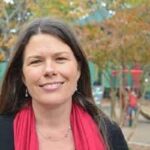
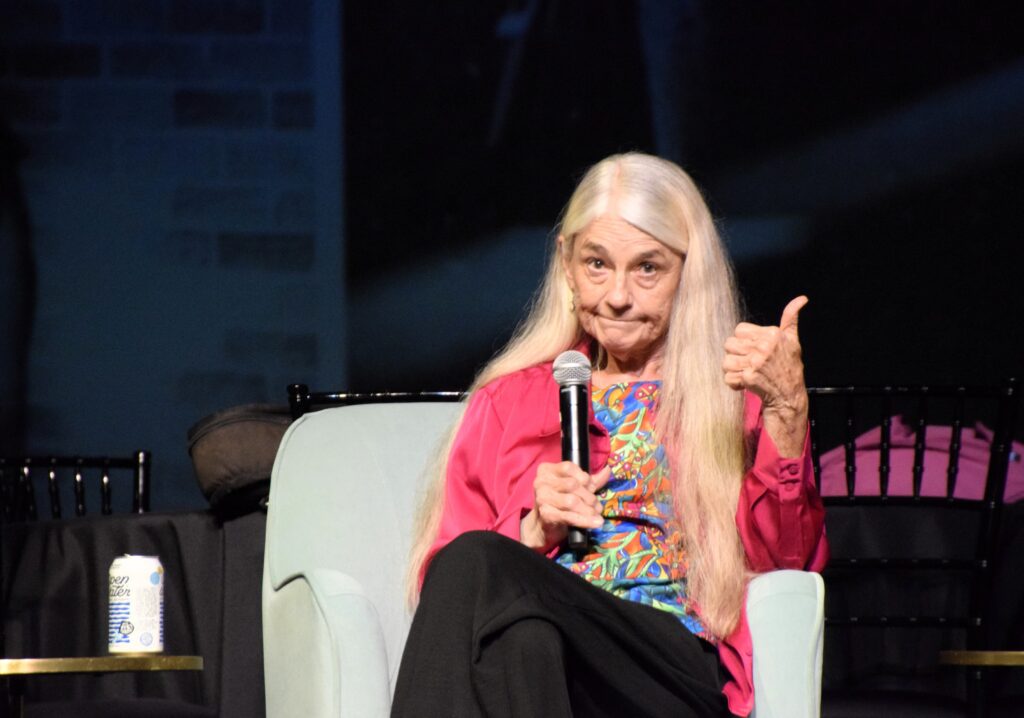
“Two years ago, the people of this region showed the world how we work together, and how we care for our neighbors,” said Jackie Godlock, vice chair of the Dogwood Health Trust Board of Directors, remembering the aftermath of Hurricane Helene.
“Together,” Godlock said, “we’re advancing comprehensive community development across our region, in our rural communities, and in our small towns and cities.”
Dogwood Health Trust held their annual partner convening and meeting on Wednesday, bringing together more than 350 partners, grantees, and speakers at Isothermal Community College in Spindale in Rutherford County, the place Godlock calls home. Many more joined the annual meeting virtually.
Dogwood says its community investment philosophy shapes its work through two principles: “We are community-focused in all we do, and we view equity as a means and an end for our work.”
“These are not just words. These are actions,” said Godlock. These principles define how Dogwood leads, she said, and help to ensure the people Dogwood serves “feel seen, heard, valued, and supported in all of our communities.”
She reminded Dogwood’s partners how important it is to imagine and reimagine possibility.
This annual meeting, said Susan Mims, Dogwood’s president and CEO, marks the trust’s “seventh year investing in all things that create community well-being.”
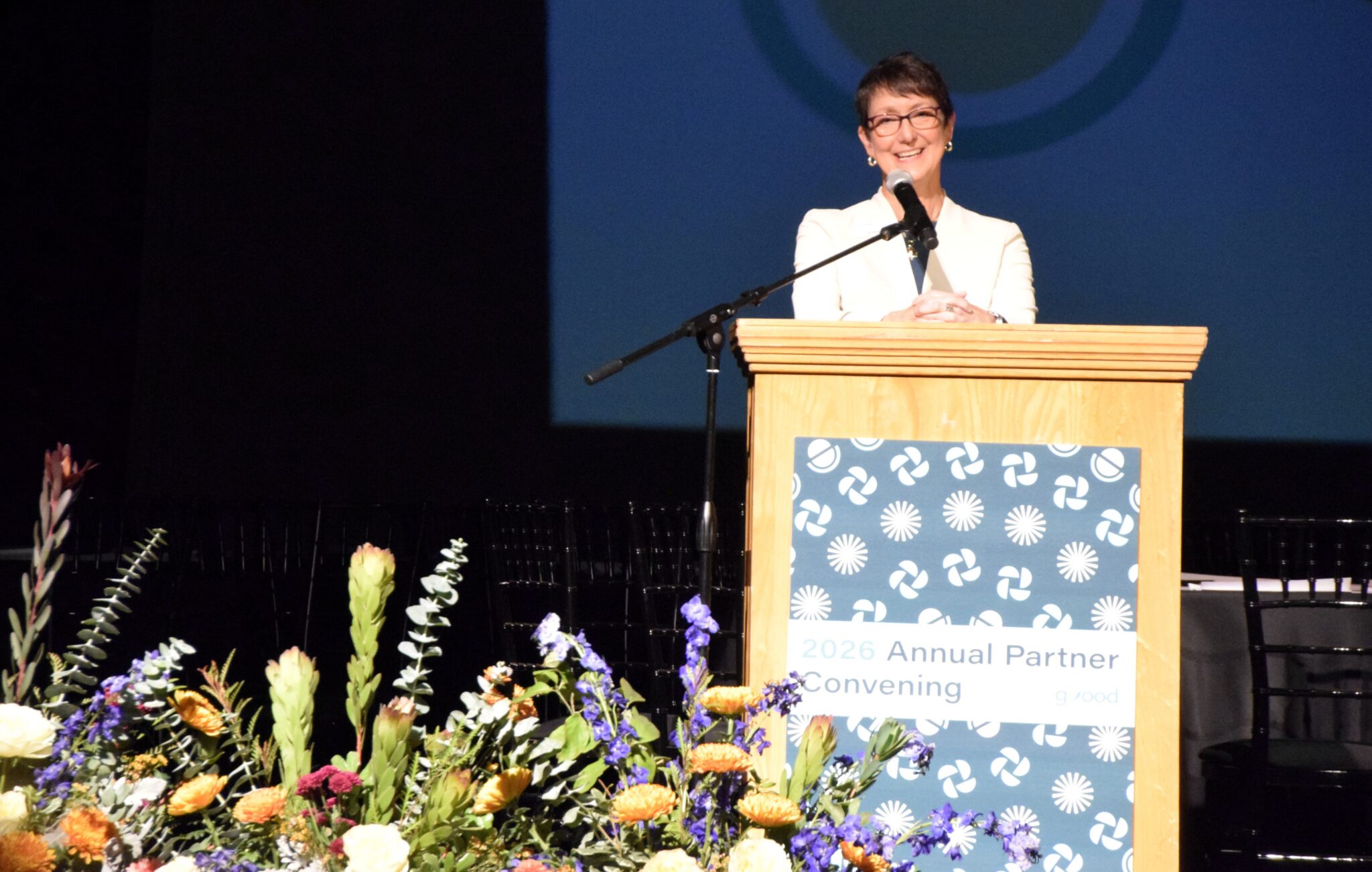
With much of the region still focused on recovery after Hurricane Helene, according to the annual report, Dogwood’s community investments “ensured stability, offered flexibility, developed capacity, supported creativity, and encouraged leaders and organizations to think collaboratively about rebuilding with resilience for our future.”
Building steady hope has been a consistent theme since the hurricane in the leadership of the Dogwood Health Trust, grantees, partners, and communities across the region.
“It’s grounded in relationships, strengthened through action, and sustained through our commitment to one another,” said Mims.
 Sign up for the EdWeekly, a Friday roundup of the most important education news of the week.
‘What could we accomplish together that would be difficult to do alone?’
Informed by extensive community listening, 2025 was the first year of Dogwood’s new five-year strategy, which focuses on four Cs: Connections, Capacity, Collaboration, and Capital.
Connections | Dogwood convenes and connects leaders and organizations doing work across the four strategic priorities and across the region so that dynamic networks of new relationships and ways of working together emerge. Examples include Dogwood’s disaster response playbook, community engagement team, and grantee cohorts for those addressing shared challenges.
Capacity | Dogwood strengthens the WNC nonprofit sector through multi-year, unrestricted general operating support and capacity building grants.
Collaboration | Dogwood invests in innovative ideas and collaborative efforts led by organizations and communities responding to the challenges and opportunities in our post-Hurricane Helene environment. Examples include the WNC Affordable Housing Loan Fund, Primary Care Development Corporation, and Economic Development Administration Matching.
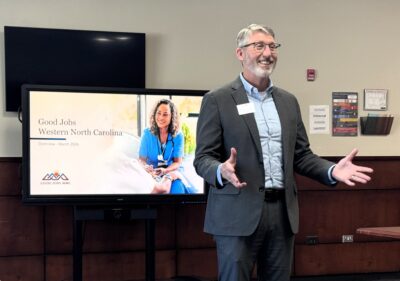
Capital | Dogwood helps partners attract more financial resources from public and other philanthropic sources. An example is Good Jobs WNC.
— Dogwood Health Trust
Read more about Good Jobs WNC
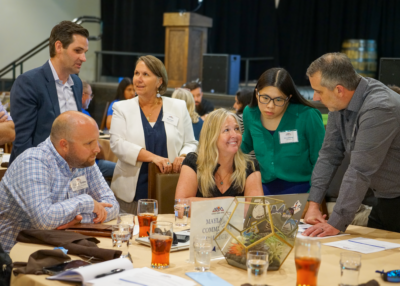
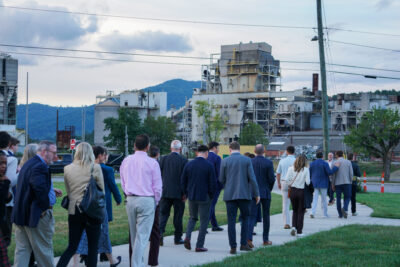
During the annual convening, Dogwood’s partners had time to discuss the four Cs, collectively asking, “What could we accomplish together that would be difficult to do alone?”
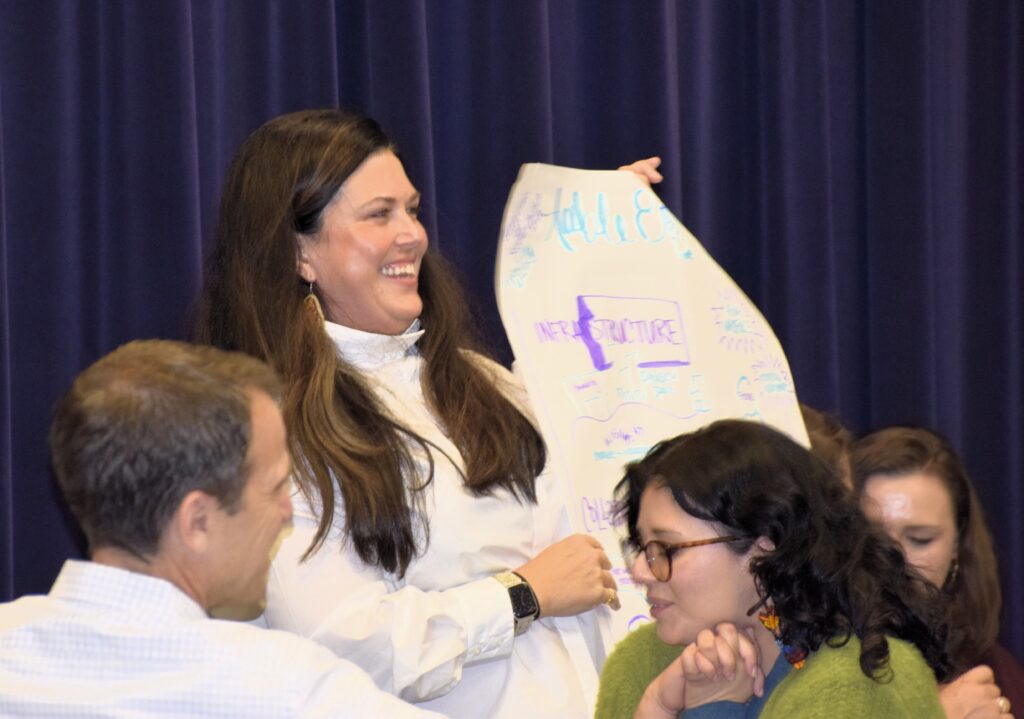
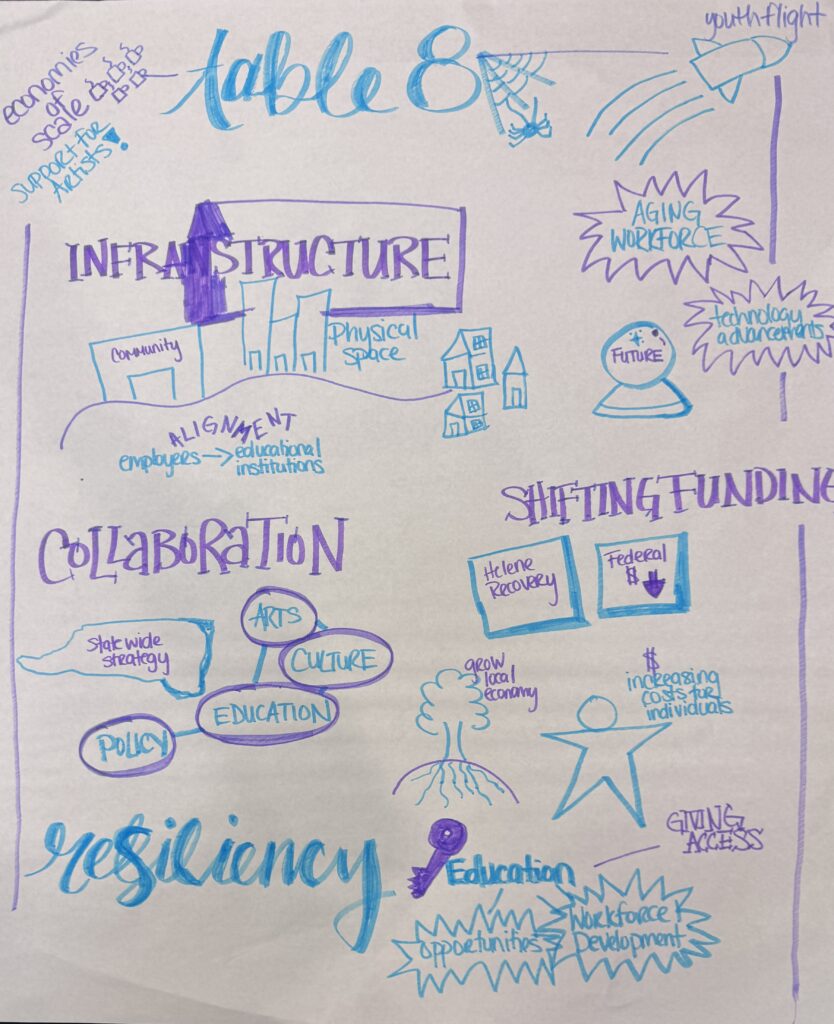
Dogwood’s community engagement team will sustain the momentum generated across the four Cs at the convening.
Sarah Grymes will be leading in Buncombe, Clay, Graham, Haywood, Madison, Polk, Qualla Boundary, and Swain. Trina Stokes will be leading in Avery, Buncombe, Burke, Henderson, Jackson, Macon, Mitchell, and Qualla Boundary. Stephen Blount will be leading in Buncombe, Cherokee, McDowell, Qualla Boundary, Rutherford, Transylvania, and Yancey.
Well-being rooted in place, fellowship, and community
Along with water and wind, Hurricane Helene brought the region the primary and secondary trauma that accompanies natural disasters.
A beautiful panel on well-being rooted in place, fellowship, and community focused on local leaders from Madison County, and how their stories of fellowship, music, healing, and hope contribute to their personal well-being as well as that of their community.
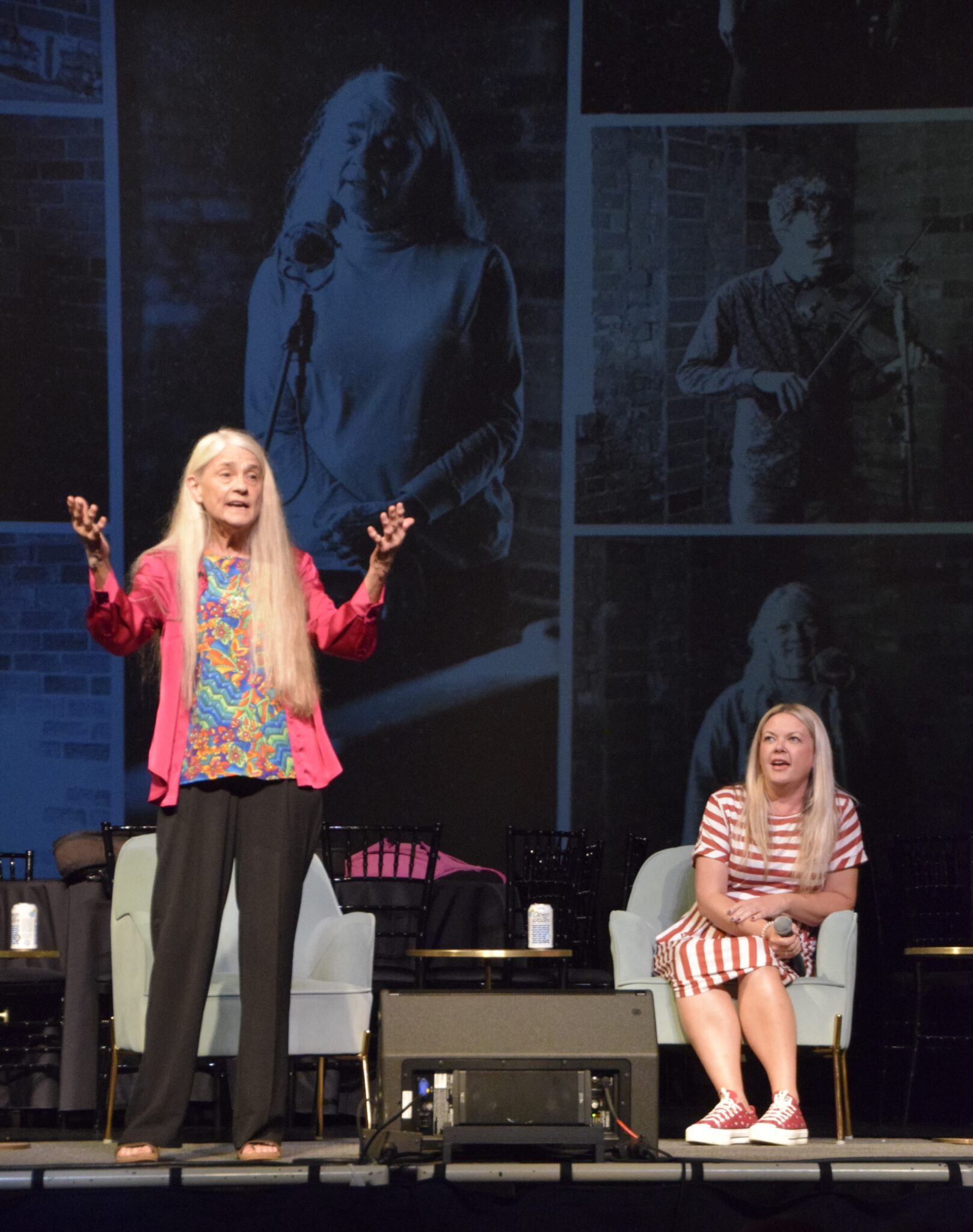
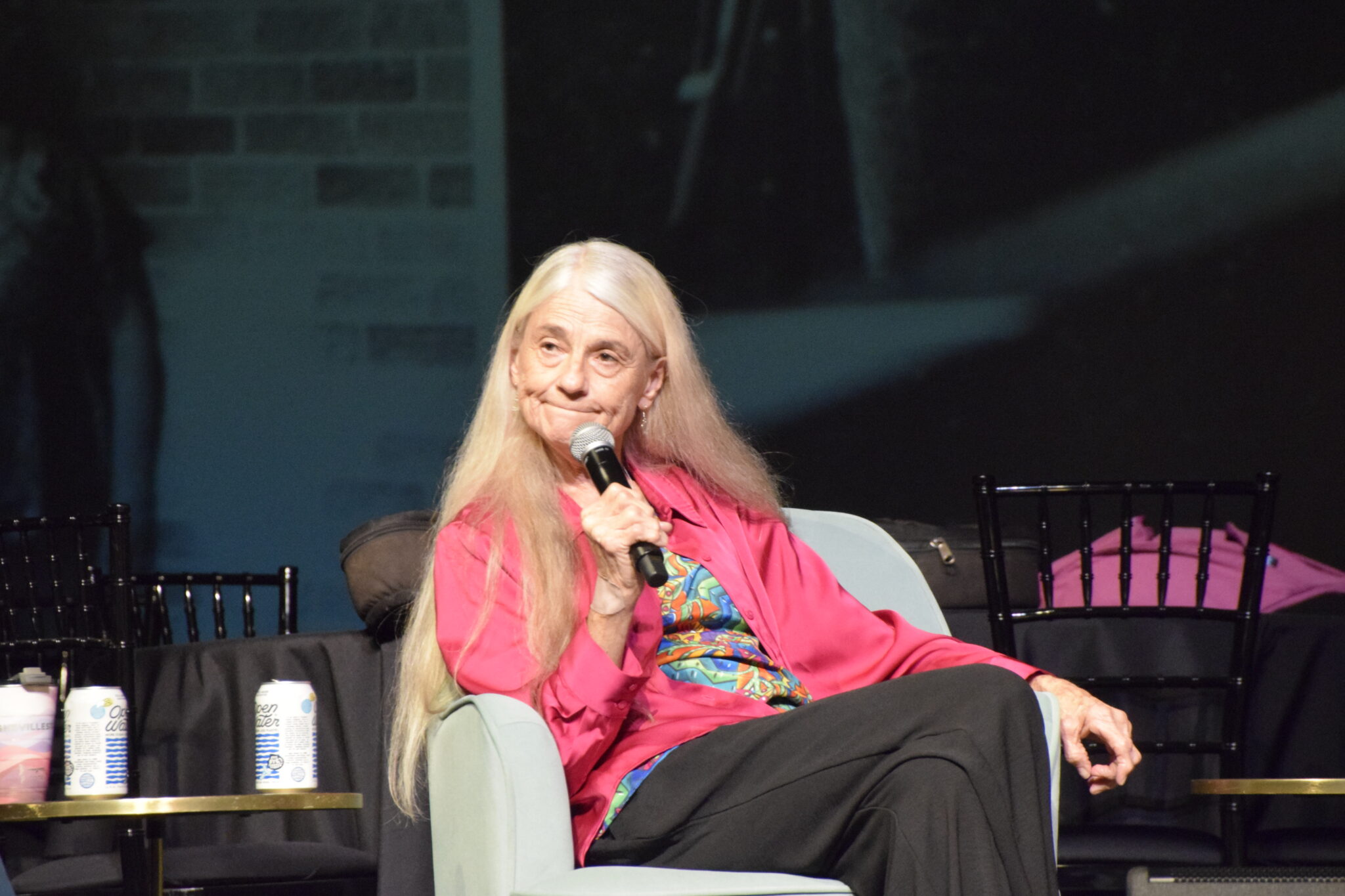
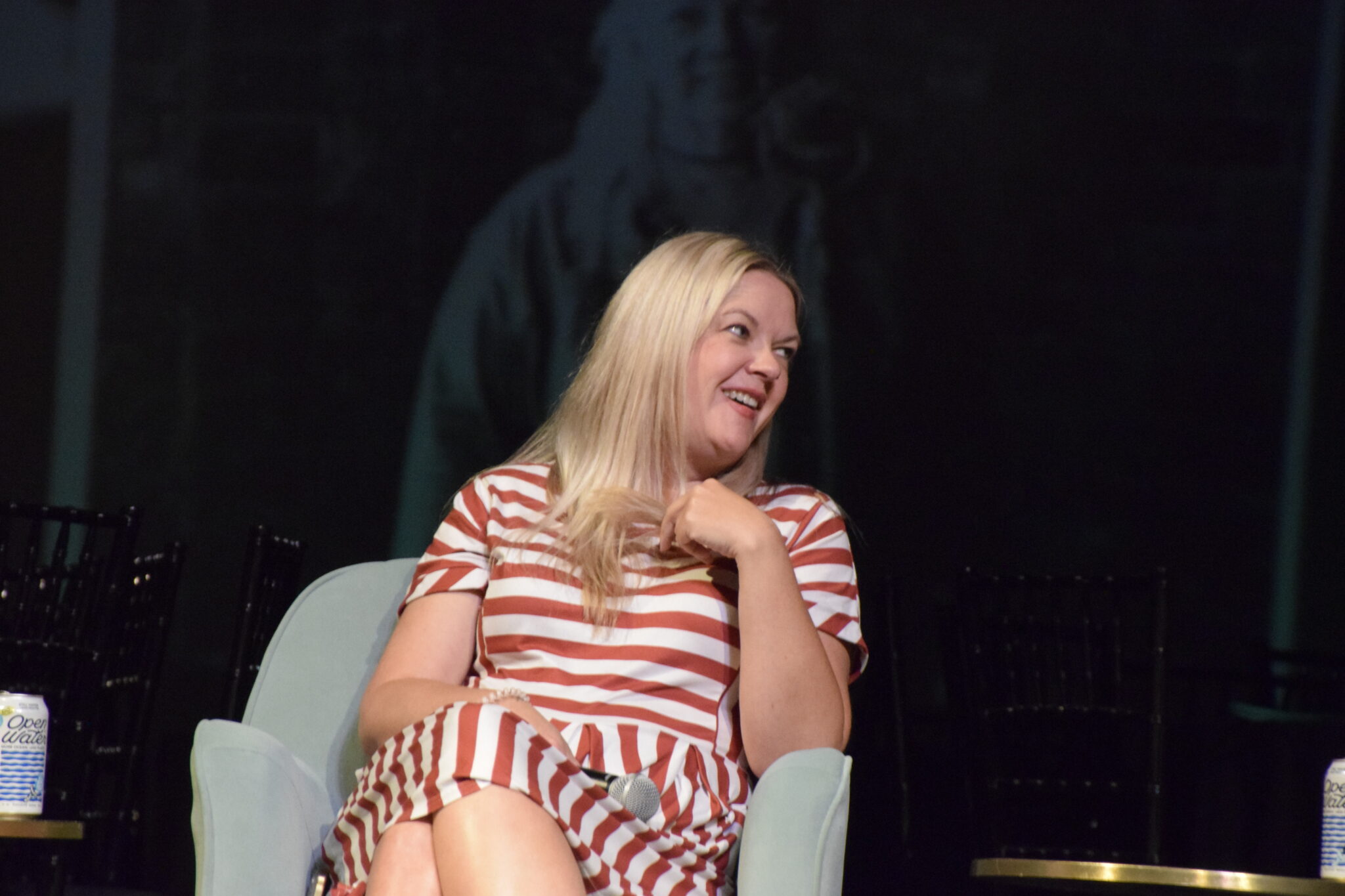
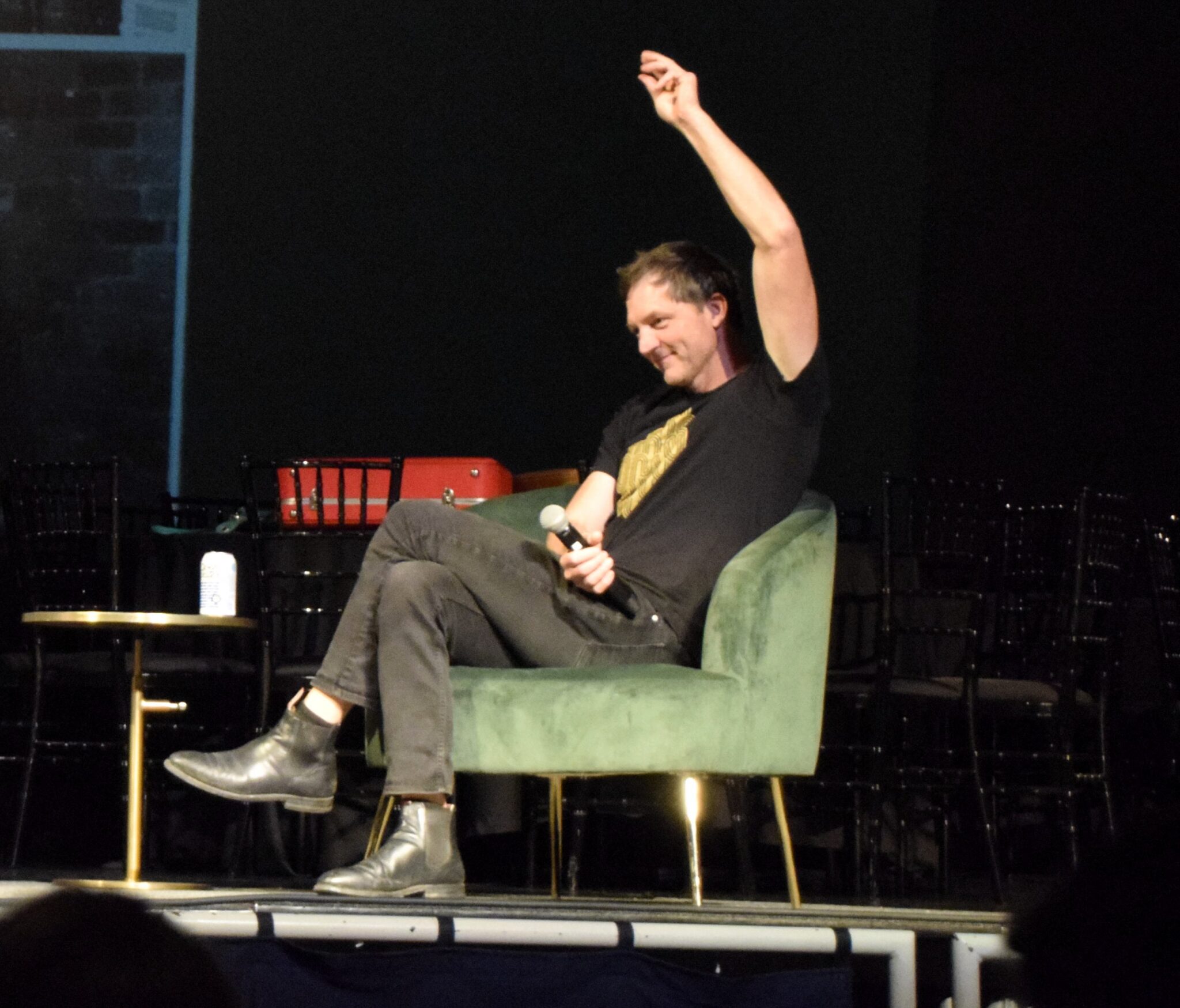
Meet Josh Copus, a ceramic artist and creative entrepreneur. The Old Marshall Jail turned hotel, bar, and restaurant in Madison County is his largest piece of art, according to its website.
He calls the jail a “social practice art installation.”
The jail is the vessel he created to “make place,” Copus said. Then people fill the vessel through human interaction and community collaboration. Often, he said, that filling of the vessel is better than what even he could have imagined.
One example is the local Appalachian ballad swap held at Zadie’s Market — the restaurant on the first floor of the jail — every second Wednesday of the month from 6-8 p.m.
Sheila Kay Adams and Donna Ray Norton lead “the nest of singing birds,” a cooperative of singers from the community who share these stories told through song unaccompanied by instruments at the swap.
Adams, a 2026 United States Artist, is a seventh-generation ballad singer from the Sodom Laurel community in Madison County, and Norton, a 2026 South Arts Emerging Artist and a second cousin to Adams, is an eighth-generation ballad singer from the same community.
On the Oct. 7 after Helene, Copus promised that the ballad swap would go on. “We did it just for the community,” said Norton.
In these stories from Madison County, the importance of Dogwood’s four Cs can be seen.
Copus said the selling of sandwiches in the market subsidizes the ballad swap. The space in the jail provides “contemporary relevancy,” he said, for the community’s traditional music and its ongoing importance.
When they ask at the swap how many people are there for the first time and hand after hand goes up, Copus said, “that is the success I am interested in creating.”
“In Marshall right now we are in an amazing place,” he said. “Opportunities that weren’t available are being created.”
That would not have happened without capital, connections, capacity, and collaboration.
About Dogwood Health Trust
Mims said between October 2024 — just after the storm — and October 2027, Dogwood has and will invest $500 million in the region and the future.
According to its website, “Dogwood Health Trust is a private foundation based in Asheville, North Carolina with the sole purpose of dramatically improving the health and well-being of all people and communities of 18 counties and the Qualla Boundary in Western North Carolina.” Mims called it a “place-engaged foundation.”
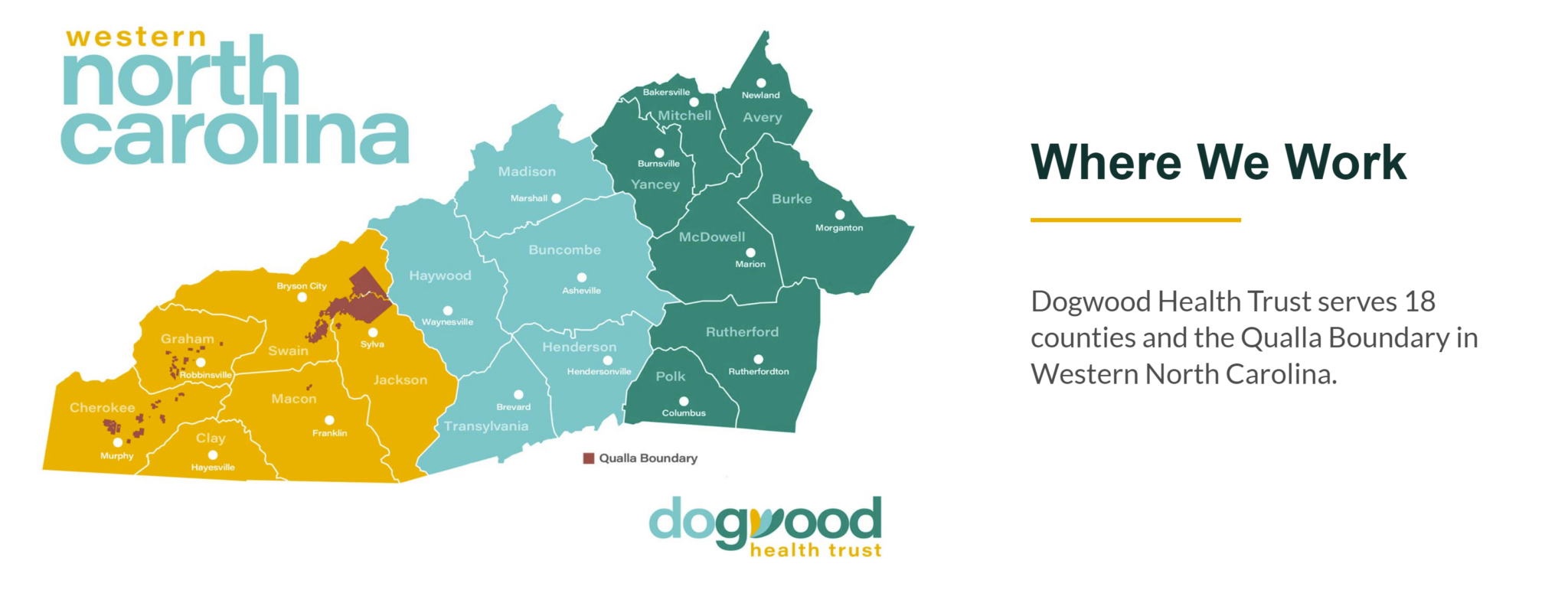
Dogwood was established on May 16, 2018, and it has been fully operational since Feb. 1, 2019.
In 2025, Dogwood distributed more than $134 million through 687 grants, including $55 million for Hurricane Helene relief and recovery. It also approved $149 million in 455 new grant commitments, some of which will be paid in future years, according to the annual report.
Dogwood has four interconnected strategic priorities: housing, education, economic opportunity, and health and wellness.
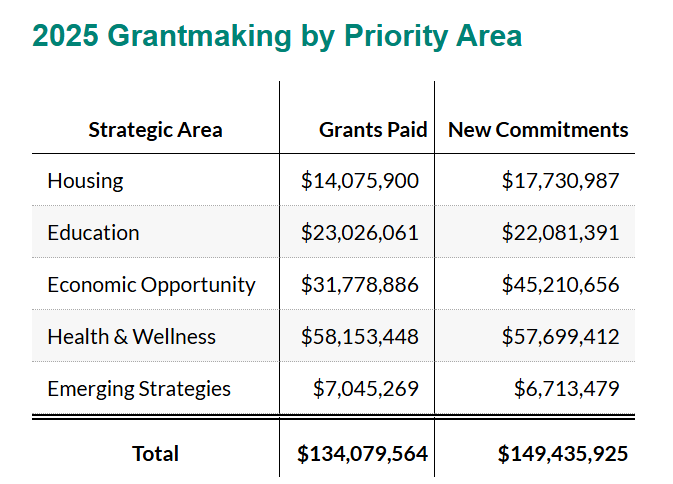
Here is more information about Dogwood’s grantmaking.
“It’s this kind of strength, care, energy, and leadership that builds steady hope for our region, its ongoing recovery, and the future,” said Godlock.
Editor’s note: Dogwood Health Trust supports the work of EdNC.