
Back to school in NC: By the numbers

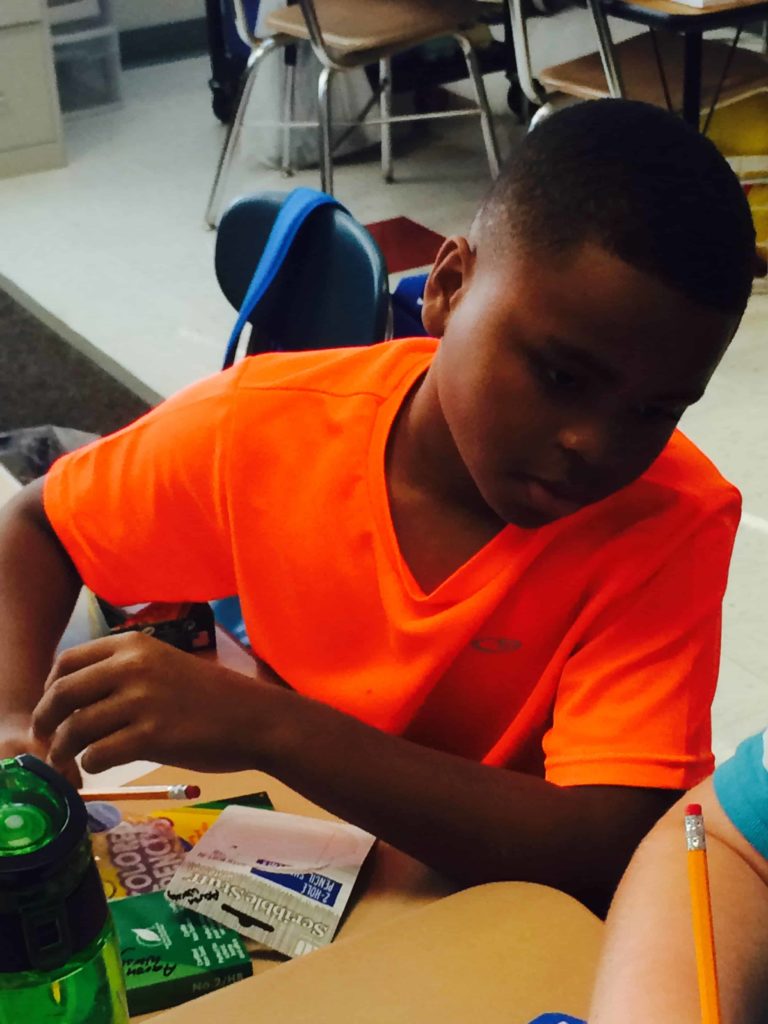
According to a press release issued by the N.C. Department of Public Instruction today, an estimated 1,537,643 students will kick off a new school year this week while students at North Carolina’s nearly 130 year-round schools jumped back into the swing of things earlier this month. This number of students represents an increase of 17,000 from last year and an increase of more than 61,000 from 2008-09. Among these students, an estimated 1.459 million will attend one of North Carolina’s 2,442 traditional public schools while an estimated 78,000 plan to attend one of the 160 charter schools. And so far nearly 20,000 students have enrolled to take at least one online course this fall through the nation’s second largest state-supported virtual school, the North Carolina Virtual Public School.
“This new school year brings students more options for learning than they have ever had before,” said State Superintendent June Atkinson in the press release. “Technology is helping students learn from anywhere at any time. Teachers can now use handheld devices to deliver formative assessments that offer real-time results. Educators and school leaders are collaborating with colleagues across the state through Home Base. There are many exciting things happening in public schools and I am hopeful this year is going to be full of success stories for students and teachers.”
Other highlights for the 2015-16 school year include:
- A new required hand signal all bus drivers will use to tell students when a street is safe to cross. Drivers are receiving training in using the signal in the months to come and must start using it by January 1, 2016. An estimated 800,000 students statewide ride on one of their districts’ 13,500 school buses. For more information, visit www.ncbussafety.org.
- Use of the Standard Course of Study content adopted in 2010 and implemented for the first time in 2012. These content standards identify what students should know and be able to do as result of their educational experiences. Teachers use these standards to select or develop curriculum and to determine developmentally appropriate strategies.
- A new pilot study in which 9,000 5th- and 6th-grade students will take three shorter tests throughout the year and a shorter End-of-Grade assessment in math or English language arts. Some people call this “through-grade” testing. A State Board of Education task force on testing supported the idea for the study to explore a different approach to statewide testing that would be more favorable than a single test given at the end of each year. Learn more in the PowerPoint presentation here.
- A 10-point grading scale for all high school students. This change addresses concerns expressed by school and district leaders, educators and parents regarding equity within classrooms and athletic eligibility. Additional changes to quality points and course weights will be phased in this year, beginning with ninth graders.
According to the press release, districts and charters are beginning a new school year with no state budget in place, and funding for teacher salary increases, teacher assistants, textbooks, professional development, driver’s education and other public school resources is uncertain at this time.
“I am hopeful that our lawmakers will recognize that districts and charter schools need to make funding decisions now and that the final budget will include the resources our public schools need to provide all students and opportunity to be successful,” Atkinson said.