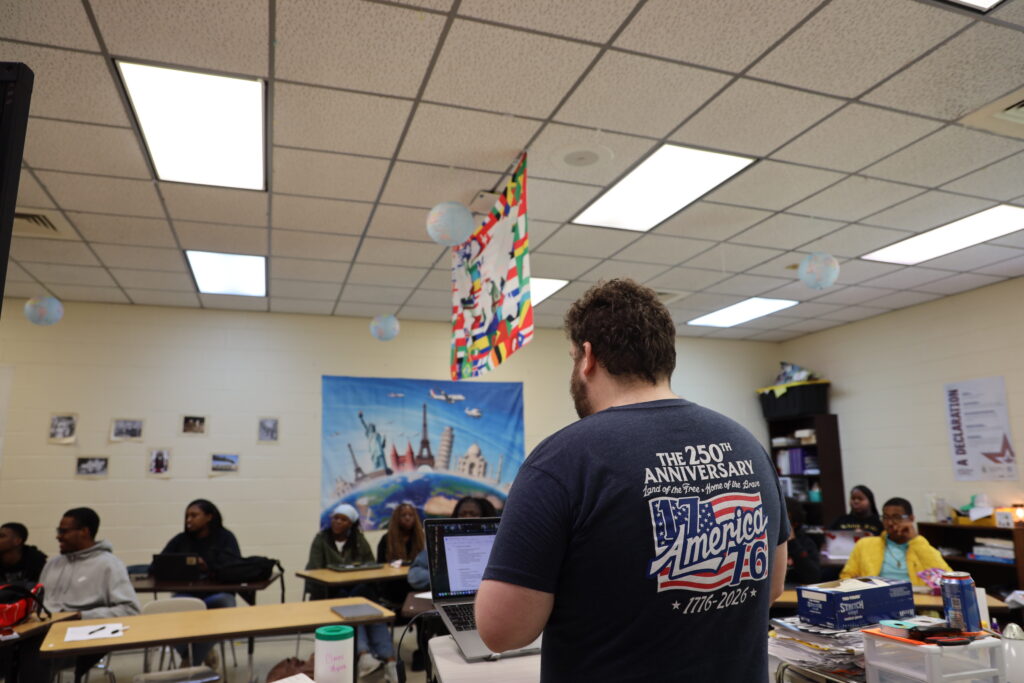
A ‘Civic Star’ educator brightens up his classroom by creating community
From the ambulance to the classroom
For Charles Oliver, the pathway to becoming an educator began in an ambulance. He grew up in Roanoke Rapids, but headed east and studied at Carteret Community College to become a paramedic.
As a paramedic in Nash County, Oliver was called into communities when people were in dire need. He saw how a patient’s circumstances were sometimes beyond their control, and saw how those circumstances shaped their lives and overall safety.
His position in emergency medicine was a reactionary one. He started thinking about what career could change one’s circumstances and how he could help people before they were in emergencies.
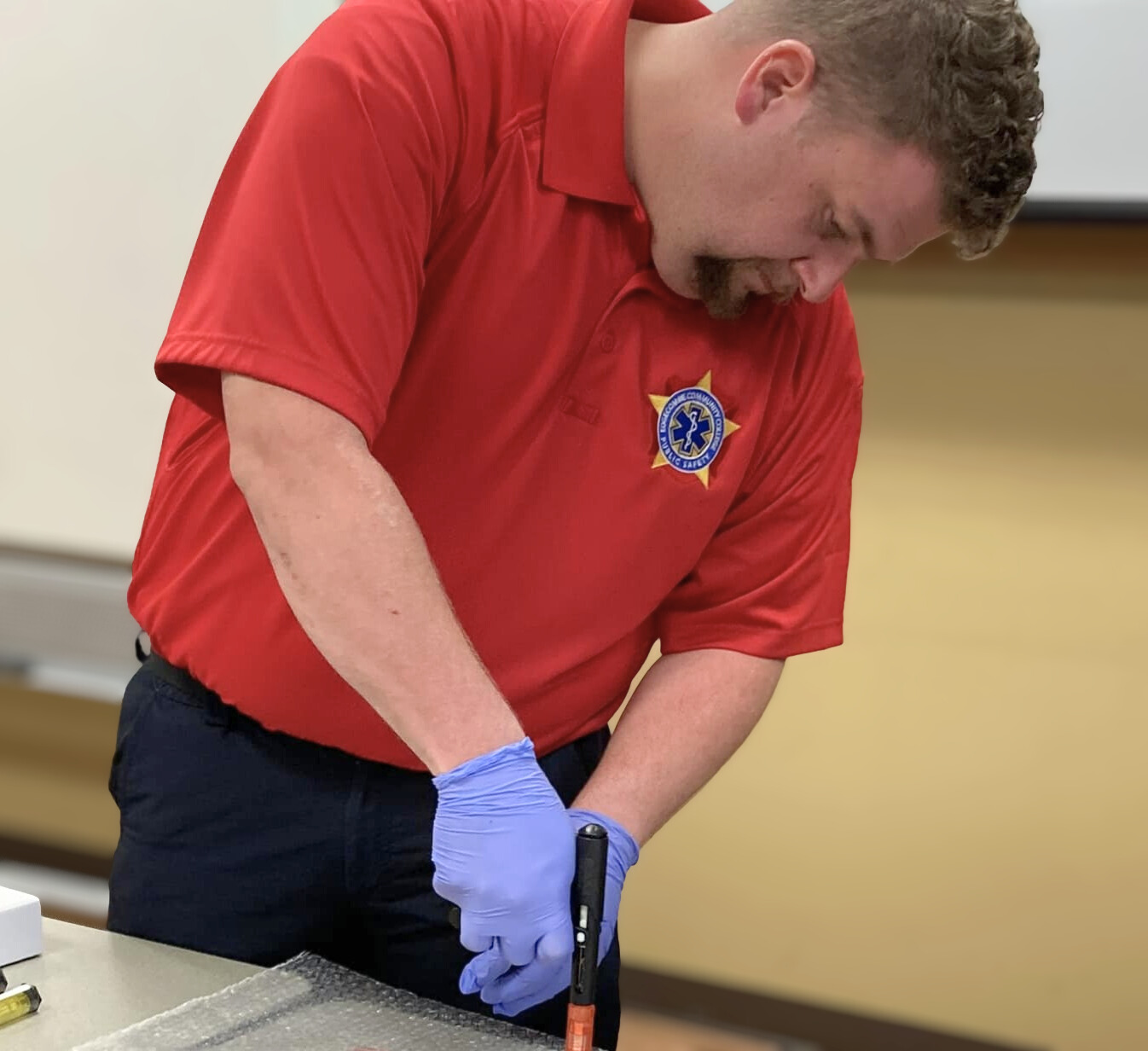
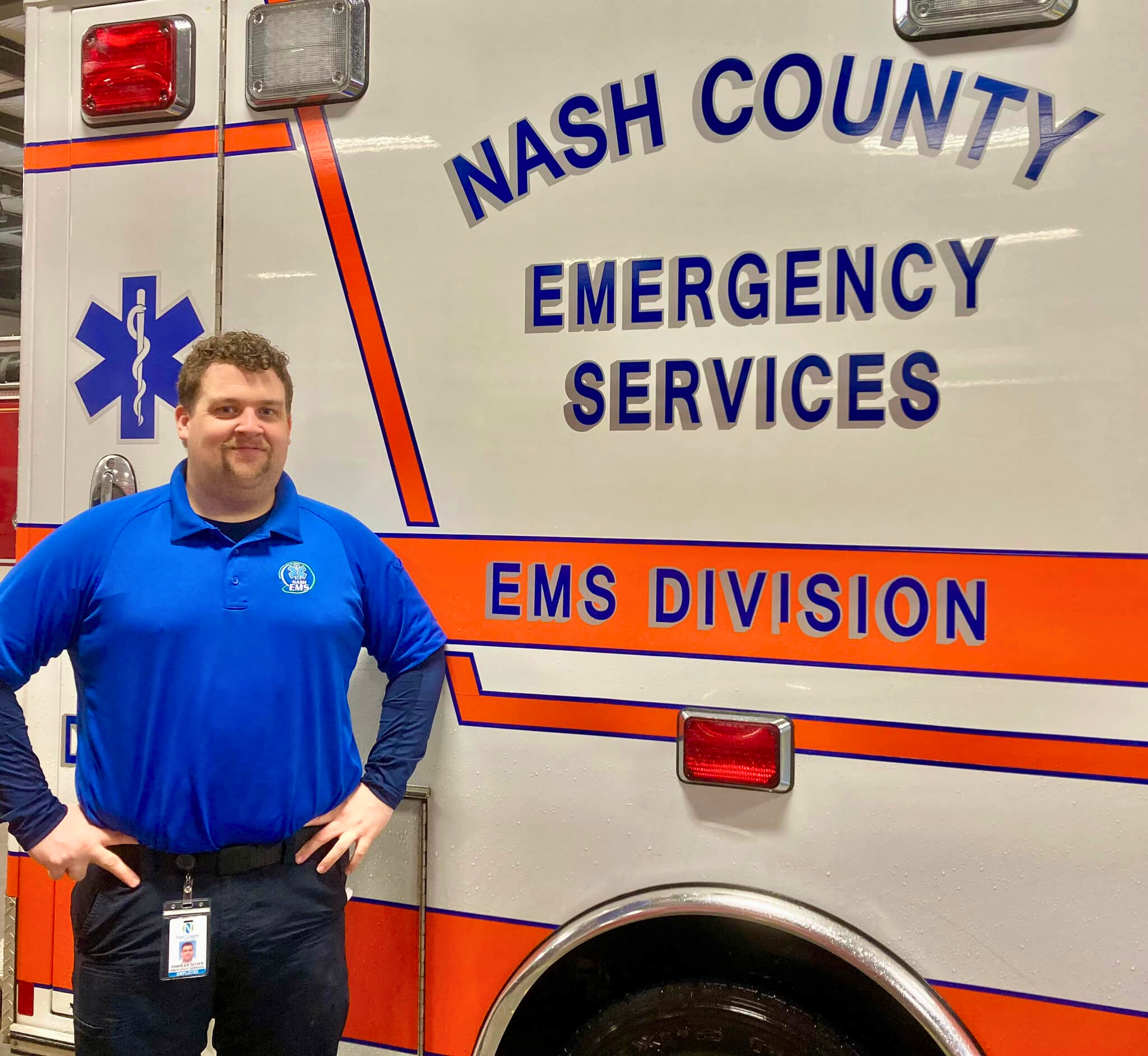
Oliver decided to get his master’s in public administration, believing that by working in local and state government he could help create that change. He was a teacher’s assistant while in school, and trained new paramedics. “I realized that I love teaching others,” Oliver said of his time as a teacher’s assistant.
Fast forward to 2026, and Oliver is nearing the end of his second year at Roanoke Valley Early College teaching social studies. His students, and the organization iCivics, think he is right where he belongs too.
“I love Mr. Oliver’s class. He just makes the learning environment so safe and calm, and he’s a fun teacher to be around,” said 10th grader Jariyah Bookhart.
In February Oliver was named a Civic Star Challenge winner by the Bill of Rights Institute and iCivics. As the United States’s 250th anniversary approached Oliver — along with educators from around the country — was invited to submit an essay about the importance of teaching civics in the classroom.
Oliver learned in mid-May that he was one of 20 Civic Silver Star award winners and earned a $2,000 grant for his school.
“This recognition means a great deal to me,” said Oliver. “I look forward to using these funds to make civic education more engaging, meaningful, and relevant for my students.”
 Sign up for the EdDaily to start each weekday with the top education news.
Civic Lit with Mr. Oliver
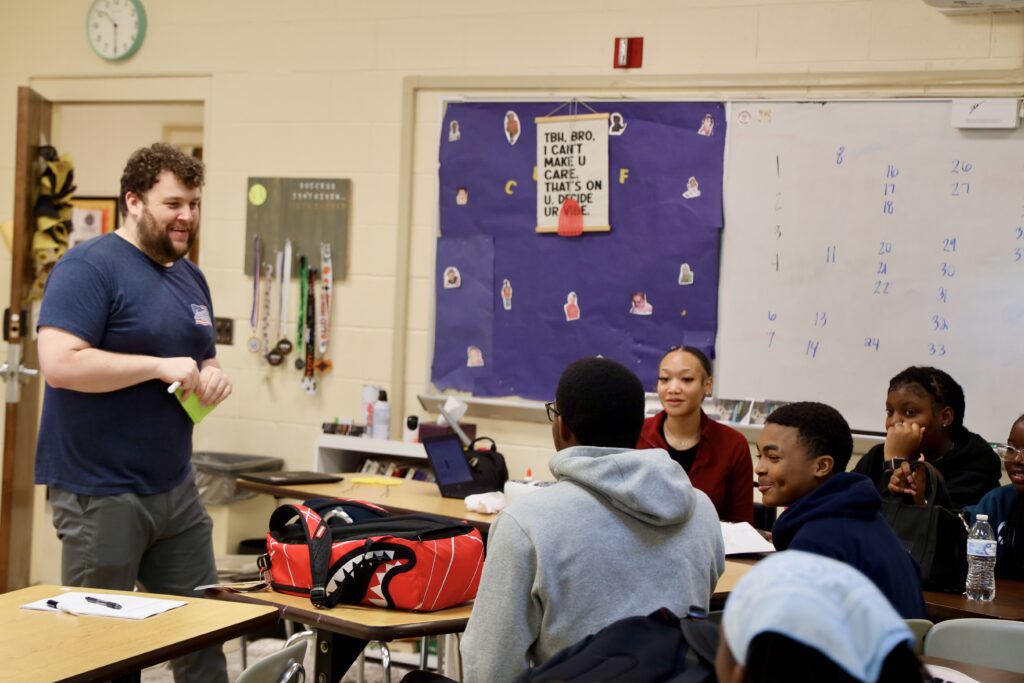
Oliver has 28 students, ranging from ninth to 12th grade, in his flagship class, “Founding Principles of the United States & North Carolina: Civic Literacy.”
According to the syllabus, “this course emphasizes understanding, application, and real-world relevance,” of how and why the government started, while exploring the everyday impacts it has on United States residents. In his classroom, Oliver asks that students listen carefully, speak thoughtfully, and they learn to respectfully disagree if there are disagreements.
“We’re going to attack opinions, we’re not going to attack people,” Oliver said.
Having students in various grades challenges Oliver to diversify his lesson plans and approach. In class, Oliver plays games, pivots discussions and class structure around real world events, and engages the project-based learning model to reach all 28 kids.
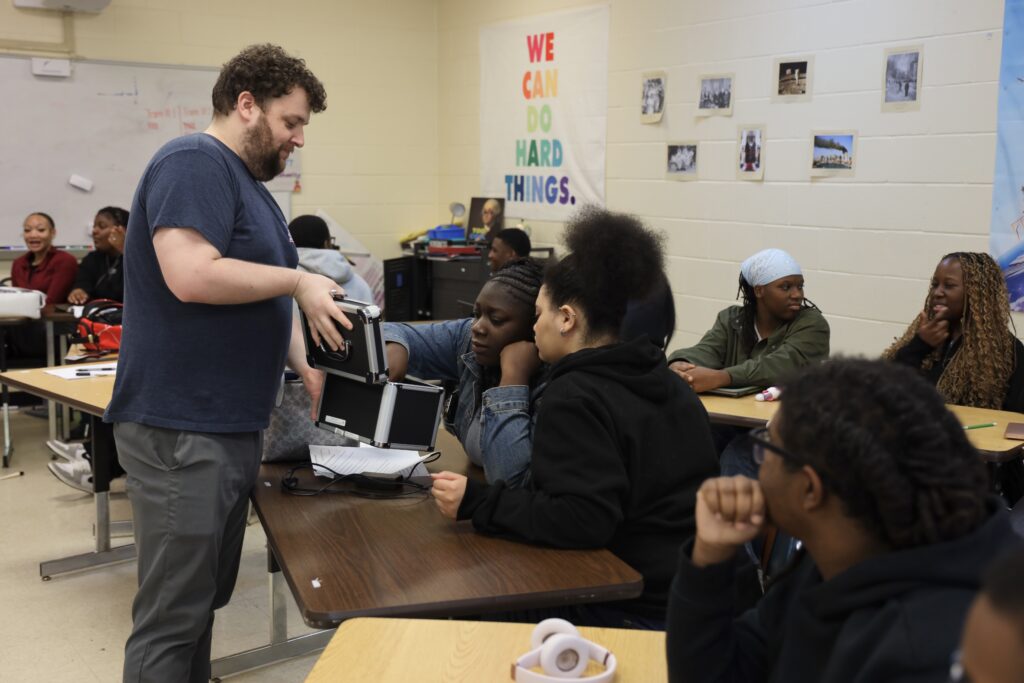
“He puts so much effort into his lesson plans, and how we want to grasp the concept, so it’s just amazing,” said Bookhart, who is also on the school’s civics bowl team. “Mr. Oliver likes to teach us everything so we can get our own political opinion about stuff, and I really like that.”
It may seem challenging, but having that range of ages cultivates a real community in class, and that was one of Oliver’s original hopes. “I want to make sure my students have a space where they’re heard and respected, and we can discuss things without being judged,” said Oliver.
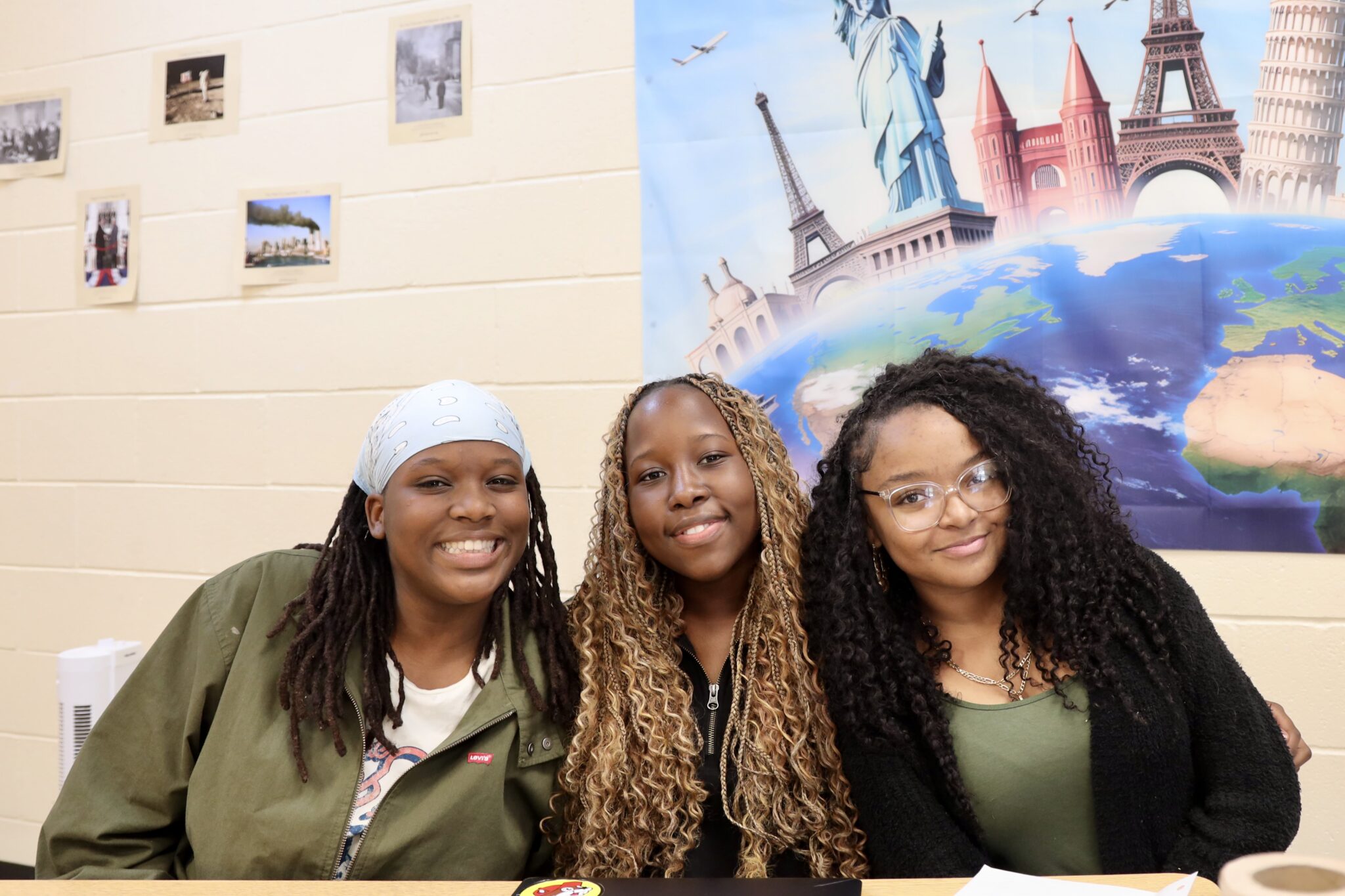
“I like that he goes in-depth and he really gives real life examples, like comparing what’s going on in government and how it affects us in our daily life,” said ninth grader Emaria Alexander.
“I like how he’s really honest about what’s actually going on in the government,” added 10th grader, Denice Manyanga. “He doesn’t sugarcoat or anything, and he actually helps us understand it better.”
Olivia Strachan, an 11th grader, chimed in, “I love this class actually. This is probably the most interested I’ve been in a history class.”
Alexander, Manyanga, and Strachan were all in a group project together along with 11th grader Alexis Flores. The task was to choose a policy or law you want to change, and explain why. Together they created a presentation and song that discussed the current confusion around immigration policy and what entity — federal, state, or local police — has the responsibility of enforcing it.
The song ends with this verse:
Searching for justice, trying to find
— Emaria Alexander, Denice Manyanga, Olivia Strachan and Alexis Flores of Roanoke Valley Early College
a balance of law and humanity,
not just rules but morality.
So build up trust, don’t tear us apart.
Policy matters, but so does the heart.
Through assignments like this, Oliver is building a community in class, and cultivating civically minded young citizens.
Bookhart is grateful for a teacher who pauses and breaks down the Constitution, its concepts, and who doesn’t shy away from hard topics. “In the next presidential election, my class (of 2028) is going to be the class that is going to be able to vote,” she said. “So I want to make sure that I’m educated (and) well-rounded about what’s going on.”