
Current events, the Constitution, and critical thinking: How one educator brings civics into the classroom
‘Surprising, interesting, or troubling’
One Wednesday in late April at Rockingham Early College High, students in Valencia Abbott’s 10th grade civics class read an article involving Medicare, the Affordable Care Act, and other real-world examples of rising health care costs.
Abbott, who was named the Gilder Lehrman Institute’s 2025 National History Teacher of the Year, asked her class a familiar question: “What did you find surprising, interesting, or troubling?”
Abbott presents students with this question — which she adopted from the organization Facing History & Ourselves — every Wednesday after they collectively read a recently published article.
She guides the conversation and introduces foundational constitutional concepts, but never makes the connection for her students. In this particular discussion about health care, she brought up the ideas of federal power, the Commerce Clause, and the 10th Amendment.
Abbott listens, helps foster conversation, and lets her students come to their own conclusions. “If I’m going to teach civics, it means I have to teach the Constitution,” said Abbott. That’s the key to her success, and the goal of everyone’s favorite day of class — current event Wednesdays.
What happens on Wednesdays
Every current event Wednesday begins with a news article. The current event coincides with an article or amendment in the Constitution in some way.
“I try to pick a topic that is going to be most relevant to their lived experience,” said Abbott, who has taught at the early college for over 13 years.
Her students have access to the recent news article from Sunday to Wednesday. But at the top of class mid-week, they are given a print out and read it again (or for the first time).
Students share their perspectives and sometimes a debate ensues.
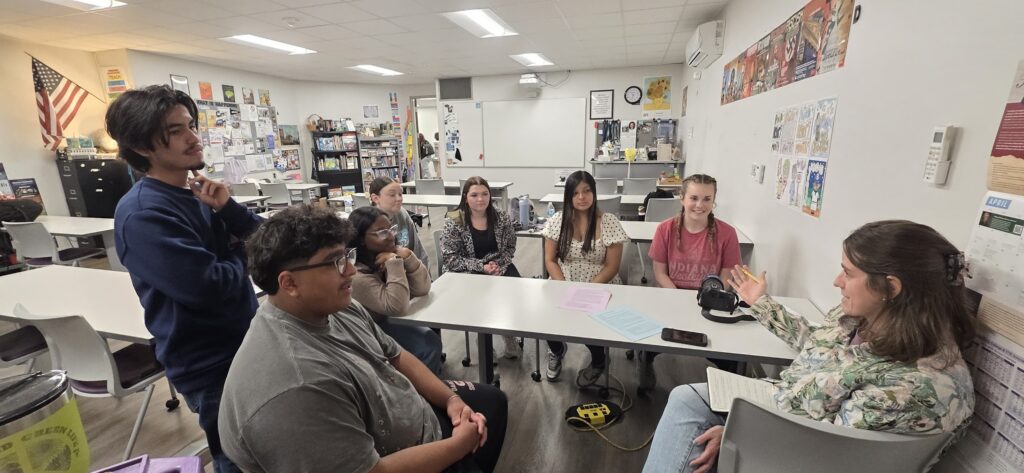
“This class has made it easier to come to… what would you say?” asked 10th grader Victor Ibarra to his classmates. Maddie Morrison helps him out, “Resolutions.”
Juan Pacheco continued, “And just having debates without it getting heated… honestly, that’s a big part of this class.”
 Sign up for the EdDaily to start each weekday with the top education news.
After the debates, Abbott has follow up activities. After the article and discussion on health care, she divided the class into three employee groups: teachers, Walmart truck drivers, and biomedical engineers.
Each group had a different paycheck, and students were in charge of calculating deductions, taxes, and living expenses. Then they determined the health care costs for a family of four.
Once they came up with a number, Abbott gave each student a piece of paper listing a different health care crisis. They deducted more from their paycheck. The exercise taught the challenges and financial consequences of our health care system. Students also learned from their discussion at the beginning of class that the federal government has power in shaping this system. “We were all surprised at how it ended up,” said 10th grader, Morrison.
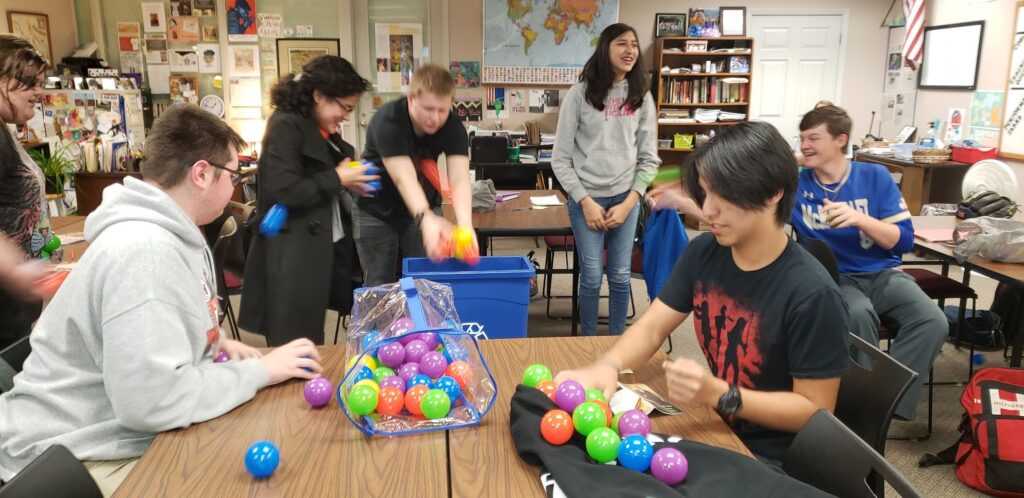
The class has covered federalism, freedom of assembly, citizen juries, due process, immigration, and much more. Something that really matters to Abbott is that after discussion, the class reads aloud the Constitution. “I want them to read it for themselves, not have somebody else to tell them what’s in it,” said Abbott.
The entire semester — 18 Wednesdays, 18 different current events, and the subsequent 18 different critical discussions — are what make this civics experience special.
“I want them to leave my class know(ing) the rights and responsibility of living in this country,” Abbott said.
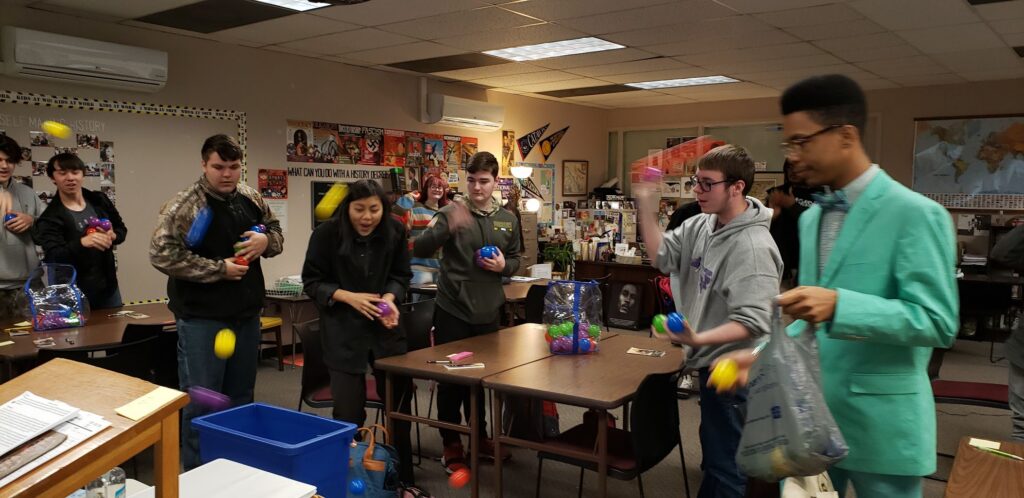
The 2025 National History Teacher of the Year
Abbott began her teaching career at 40. After losing her job in customer service, she took a long-term substitute position teaching English and history at Reidsville Middle School. By the end of the year, “I knew that I was supposed to be a teacher,” she said.
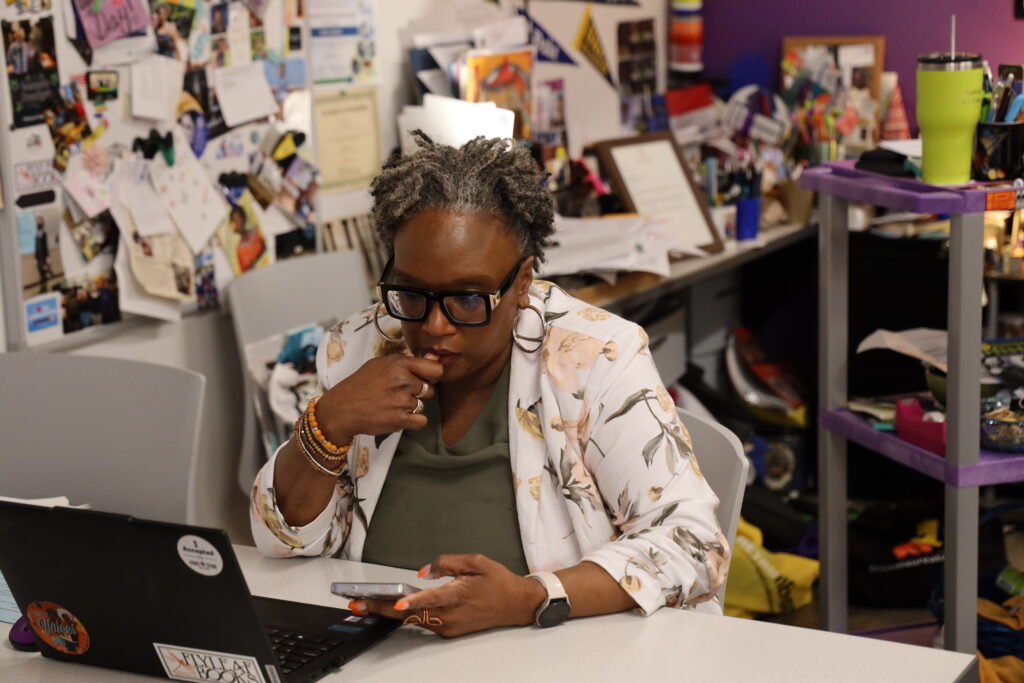
Abbott had an undergraduate degree in political science, and began lateral entry to get her licensure. She was a full-time graduate student and working full-time as a teacher. She ended up moving and had to start the educator requirements over again in Virginia. Abbott returned to North Carolina in 2010.
“The passion, the underlying desire for the content, was already there,” she said about her original major in college. “Being put in the classroom,” she reflected, “just made it evolve.”
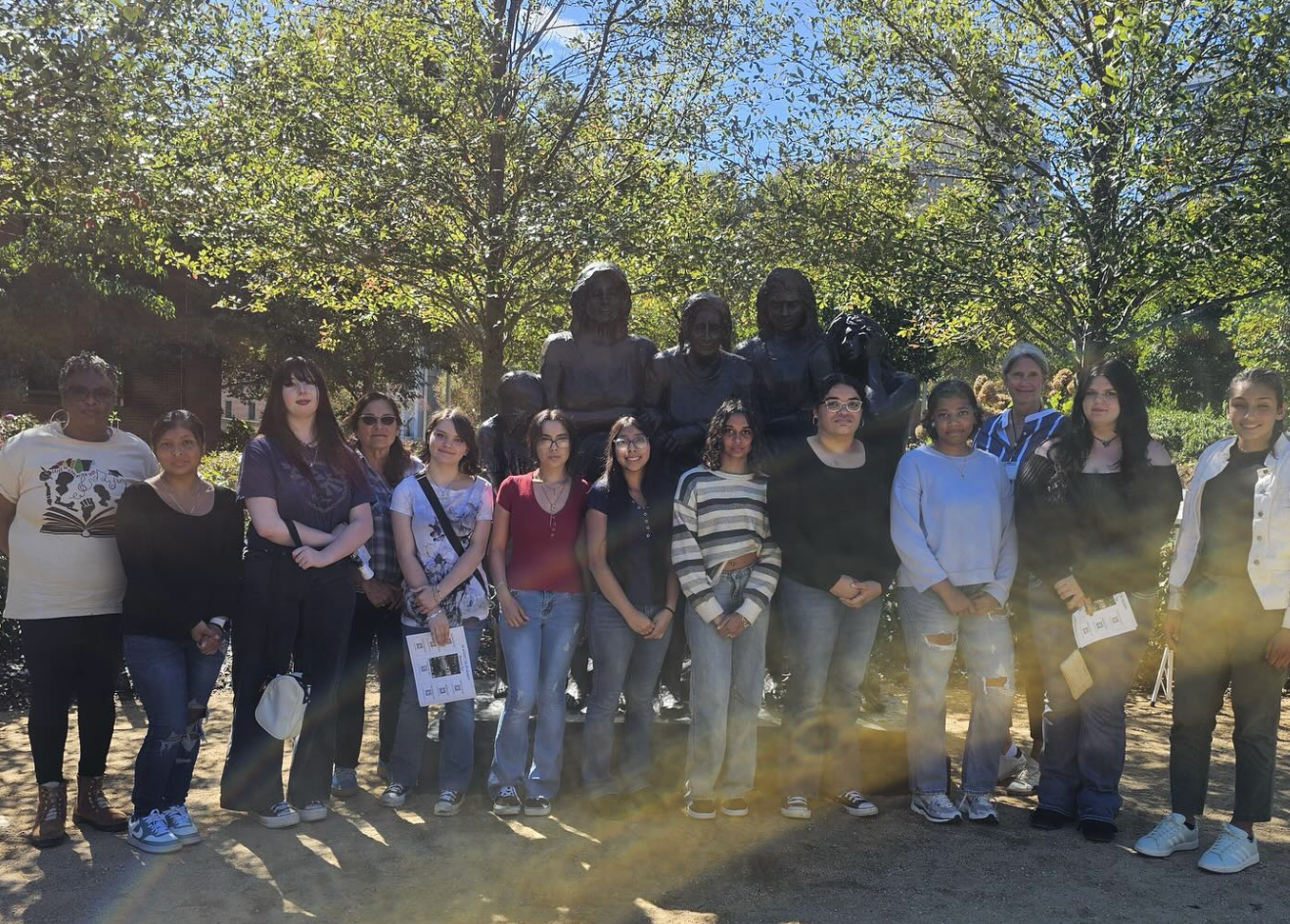
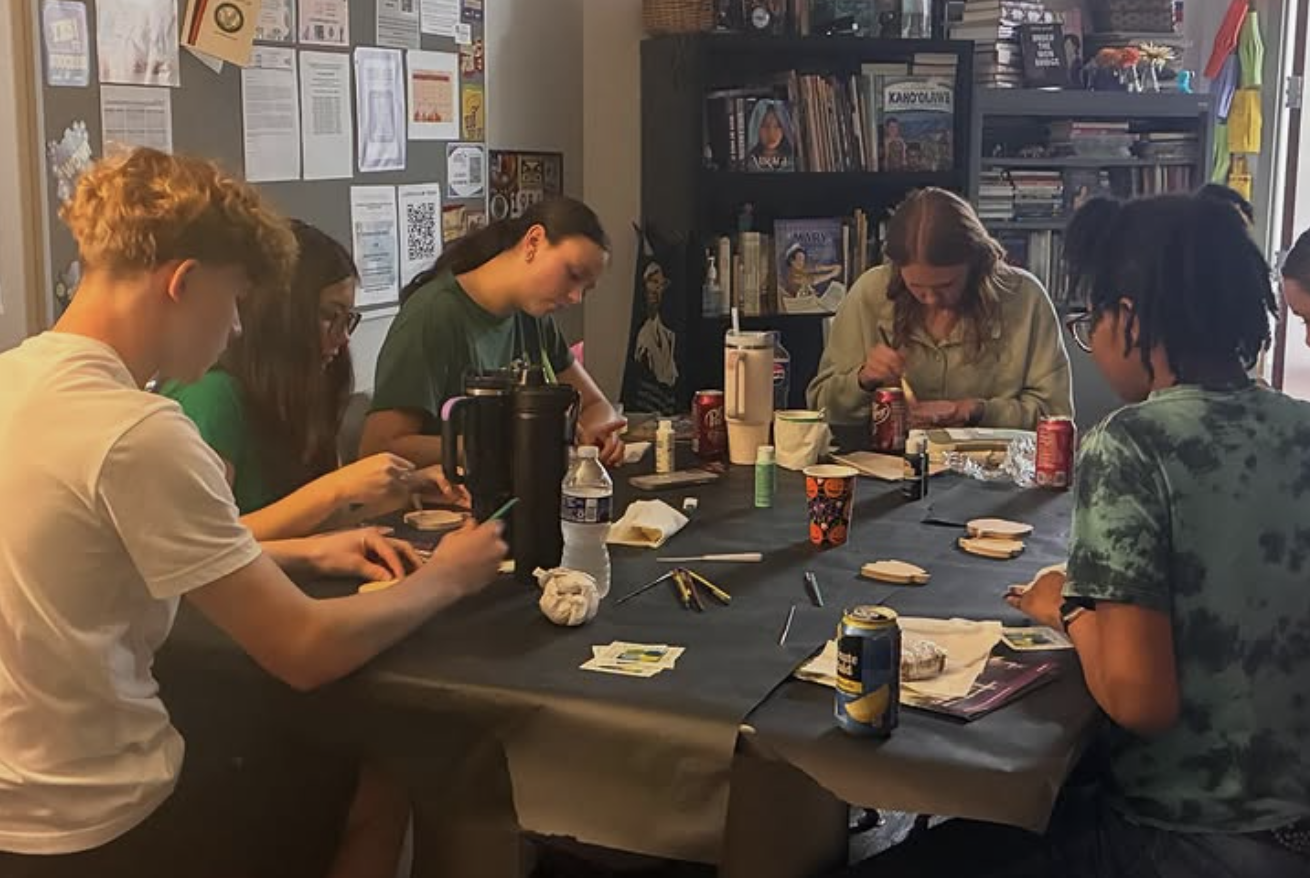
Outside of the classroom, Abbott’s love for the subject bore the Rockingham Early College High History Club. Students get together once a month to talk about different topics, and Abbott showers them with opportunities they wouldn’t get otherwise.
Through the History Club, Abbott takes students on field trips, sends them writing contests, internships, and encourages their cultural passions.
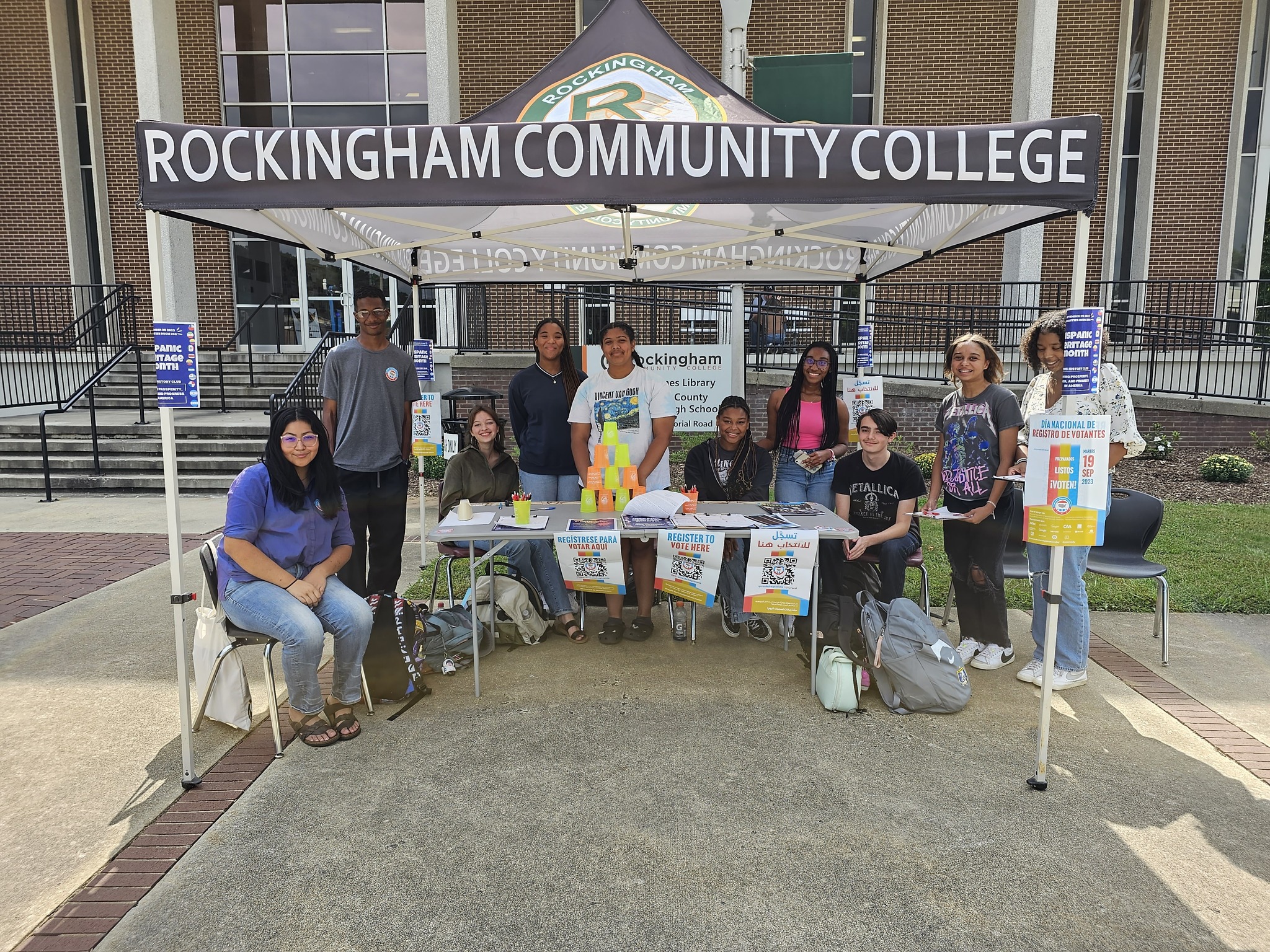
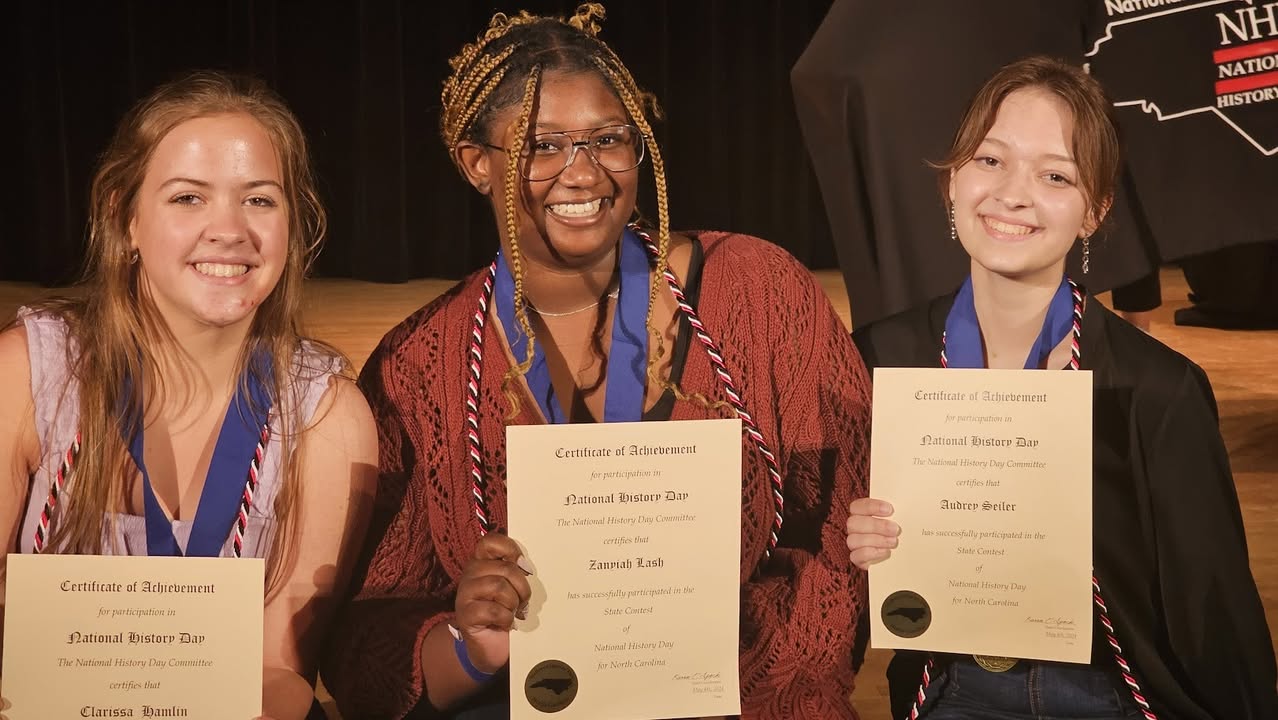
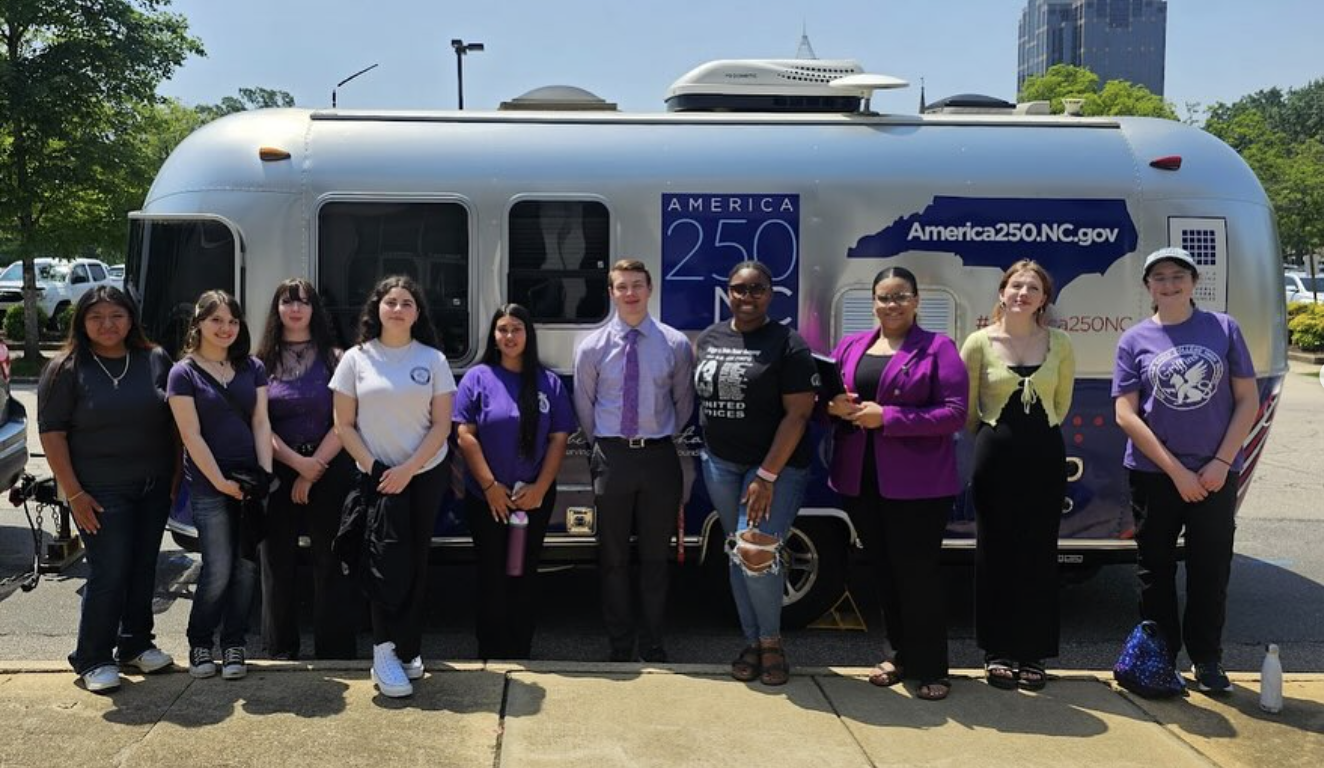
Helena Ortiz learned about a PBS News Student Reporting Labs hosting job through Abbott’s History Club last year. She applied and was selected from a pool of nationwide applicants to co-host the sixth season of the “On Our Minds” podcast.
Inez Zuniga-Monroy is a current member of the club and learned of an essay contest through Abbott. She recently won first place in the High School Writing Division of the NC Holocaust Writing & Art Contest.
Abbott has three daughters, and they inspire her attitude in the classroom.
“If I want my daughters to have their their best life,” she said, “Why would I want less for the students in my classroom? Right? That really, truly drives me.”