
‘A North Carolina girl’: NASA Astronaut Christina Koch speaks to Little River Elementary school

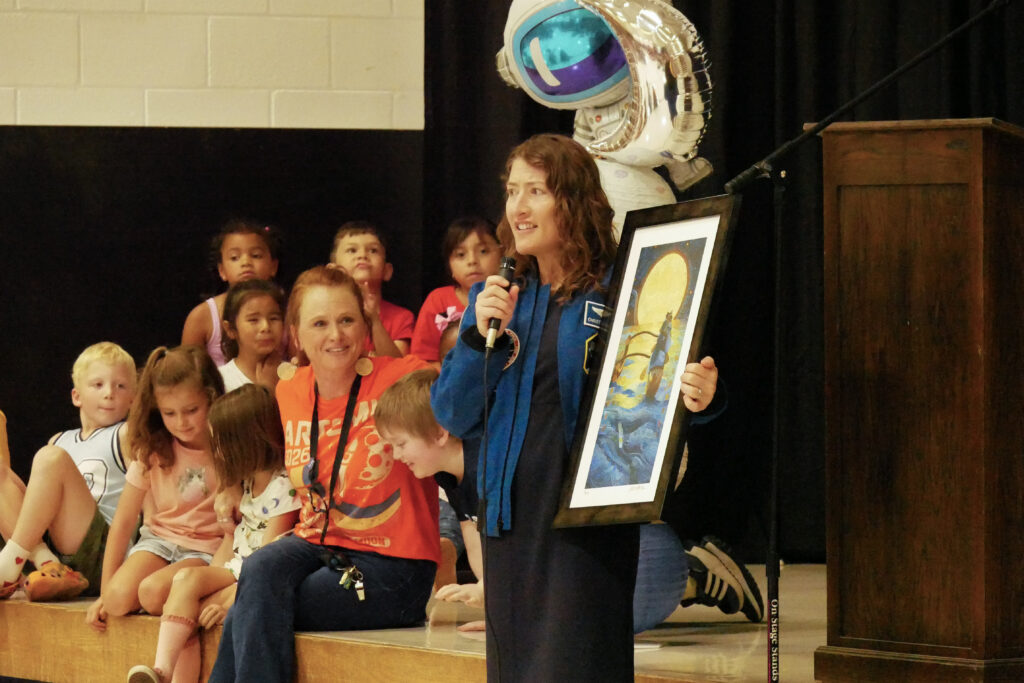
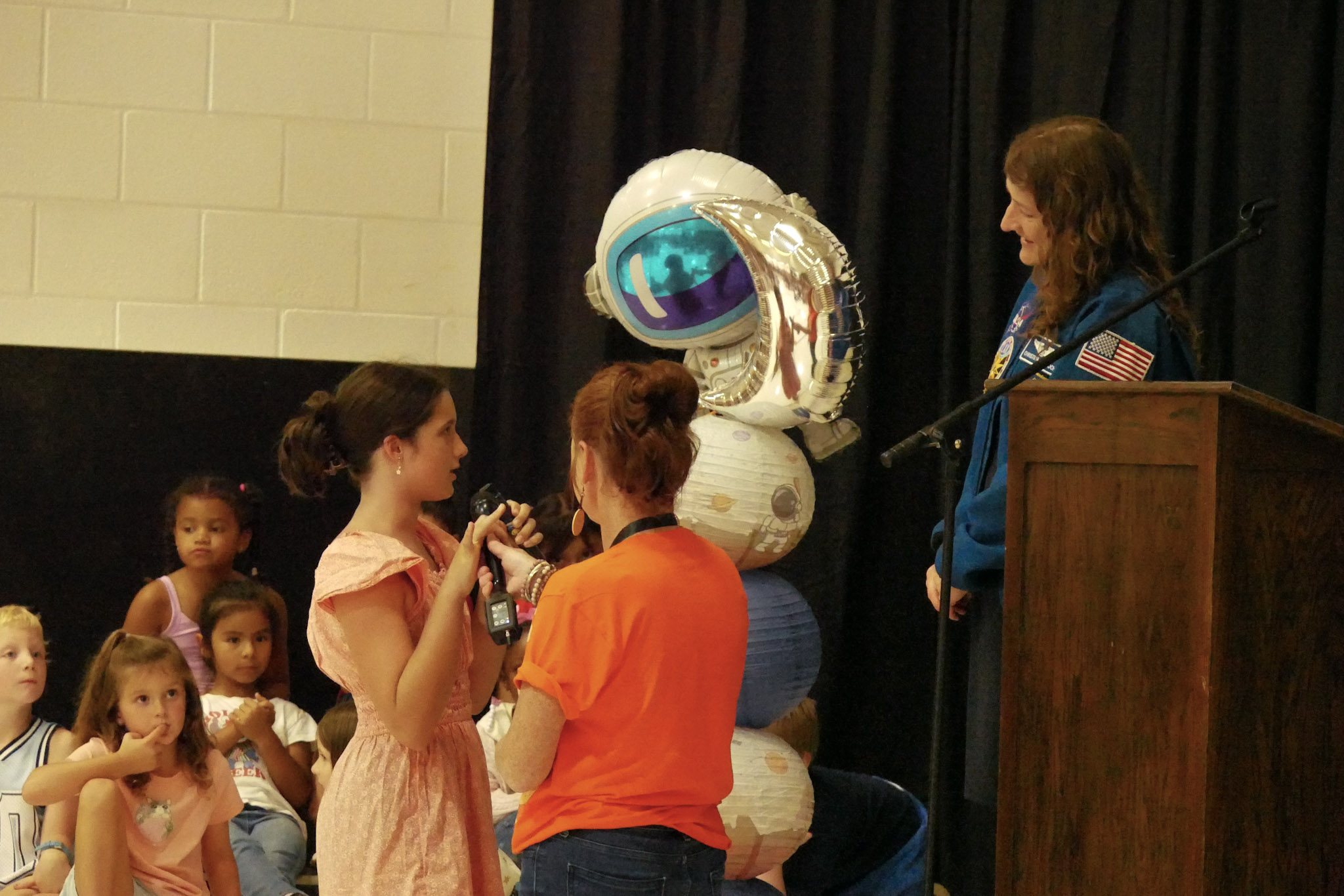
Standing in an elementary school gymnasium, crowded with cheering students — some of whom were experiencing their first day of school ever — Artemis II Mission Specialist Christina Koch asked her eager audience if they ever look up and see the stars in the sky.
“How does that make you feel?” she asked students at Durham’s Little River Montessori Elementary School, home of the Beavers. “Do you want to go fly among the stars and explore other places? How about the moon? Does anyone want to be a Little Beaver astronaut and go to the moon?”
Children’s hands shot up into the air, others shouted out their answers, to which Koch just smiled and said, “I think that it just might be possible one day.”
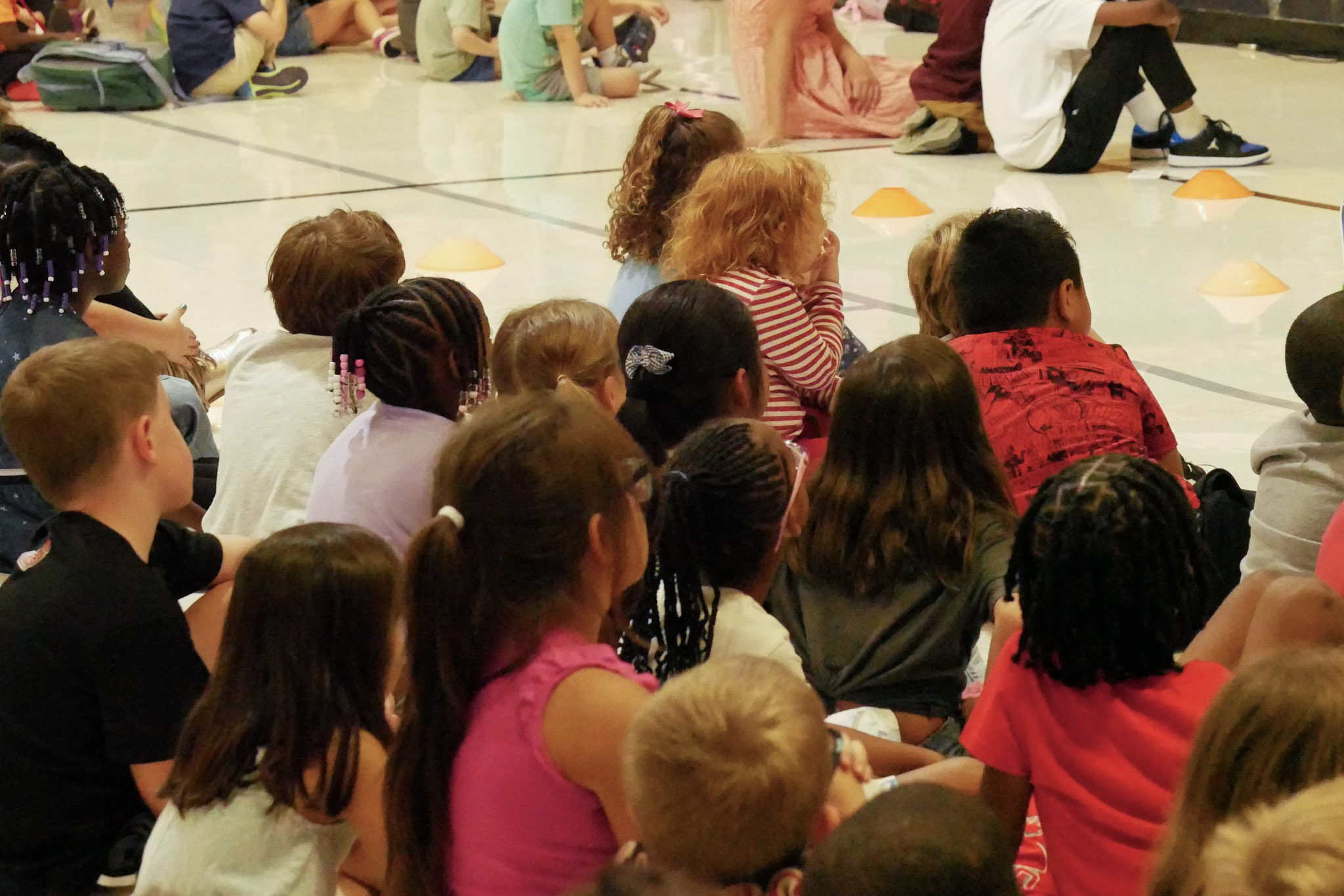
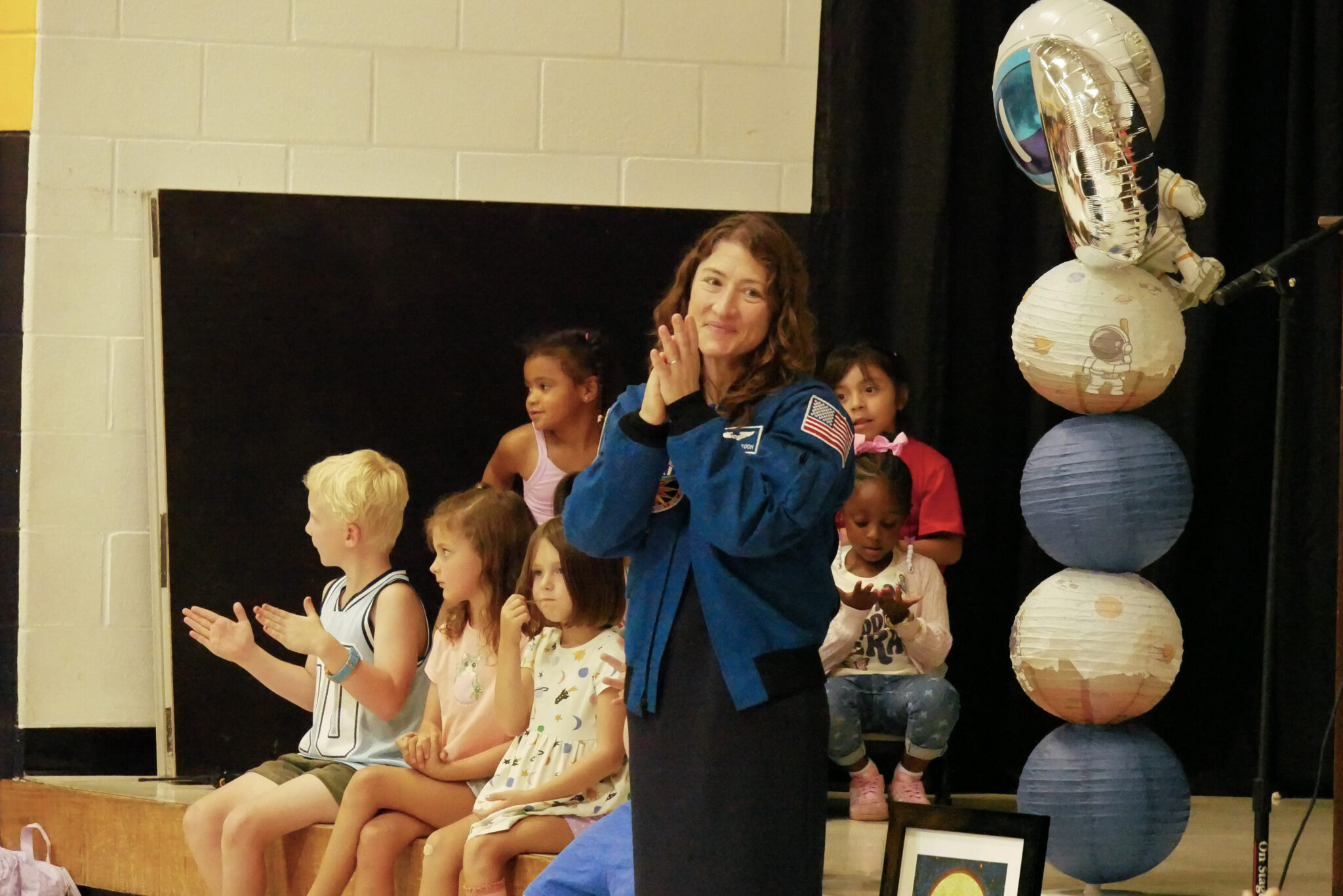
Koch — a NASA astronaut and engineer — is also “Aunt Tina” to one of the students in Katherine McGonnell’s pre-K class at Little River.
McGonnell said that once it became clear that Aunt Tina really was an astronaut, her students’ excitement and curiosity ignited. They embarked on an “epic journey of learning together,” which culminated in the visit from Koch herself. McGonnell described how her class, or “crew,” came to study the astronauts of Artemis II, following their preparation, journey into space, and their triumphant return to Earth.
“They showed us what is possible,” said McGonnell. “My class held our collective breath and watched. We watched. We waited. We cheered, and when Artemis II splashed down safely, we celebrated.”
On Wednesday, dozens of students, teachers, and staff at Little River had the chance to hear Koch’s story and ask her questions about her experience in space. While the very fact that Koch went to space is incredible enough, her North Carolina roots made her journey even more of an inspiration to the listening children.
“Today at Little River, we get to talk with a woman who was once a little girl with a dream, a North Carolina girl, who looked up at the moon and wondered what might be possible,” McGonnell told the room full of students.
Koch explained to the students that she grew up similar to them, even attending school in Durham. She grew up in Jacksonville, North Carolina, attended the North Carolina School of Science and Mathematics, and went on to NC State University, where she earned degrees in electrical engineering, physics, and a master’s degree in electrical engineering.
 Sign up for the EdDaily to start each weekday with the top education news.
Superintendent of Durham Public Schools Anthony Lewis said that Koch’s visit exhibited the true range of possibilities that exist for their futures. He said that he wanted students to realize that they can “do it too.”
Lewis hoped that students would say to themselves: “I can do anything I want to do, and I can go any place I want to go, even to the moon, because I had someone in my school today that has gone to the moon. They’re from Durham, and I can do it too.”
Koch presented a video of her experience on Artemis II, telling the students about her training, the importance of teamwork, her time in space, and all of the tremendous work that goes into making a space mission possible.
She also answered the students’ pressing questions. She told them about what the Earth looks like from the moon (like a crescent), how she had to rely on help from others to perform her job, all her hard work, and all the challenges of her astronaut training. To cheers of the students, she also confirmed that astronauts wear pajamas in space, or “space jammies.”
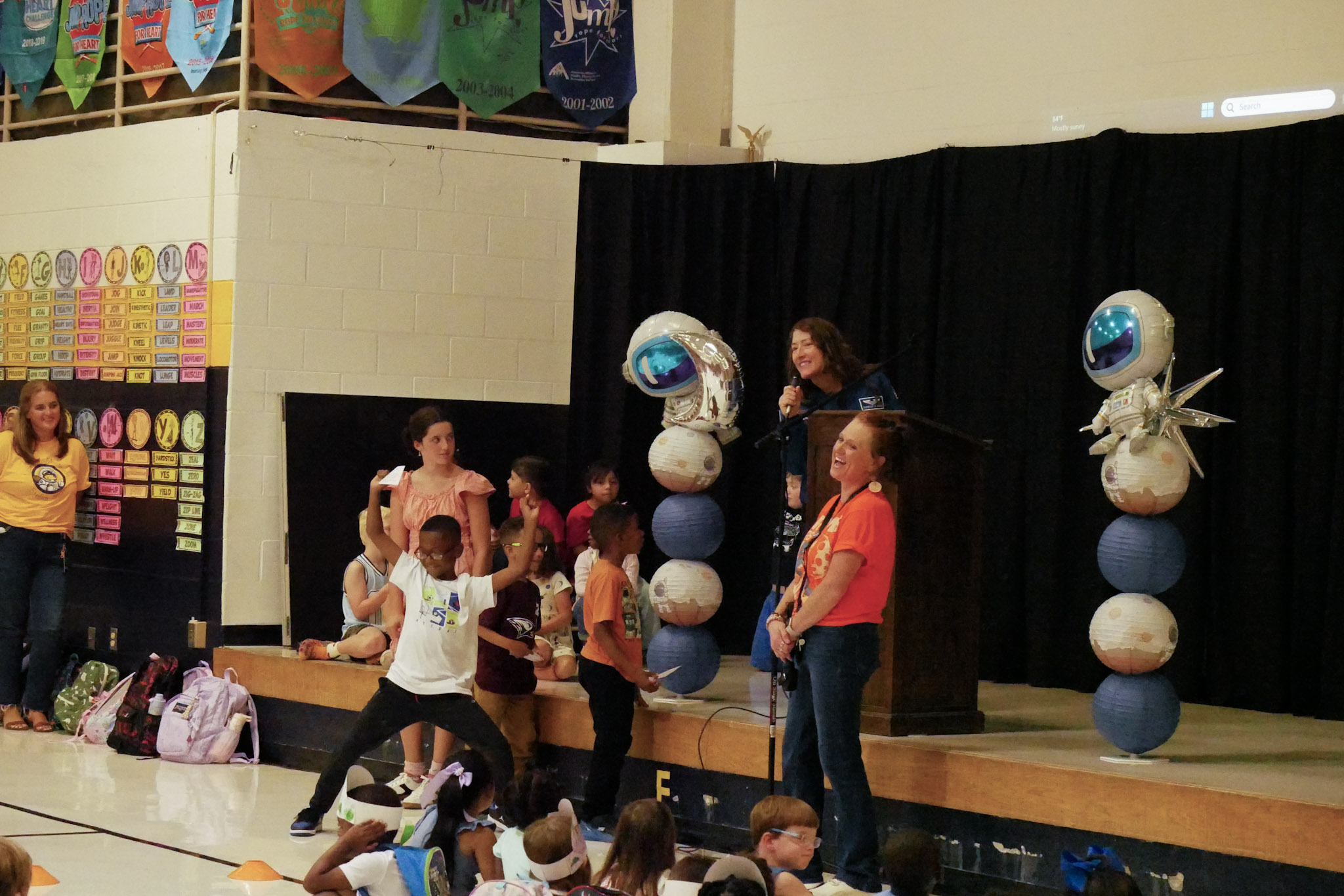
Koch was also a part of the first all-female spacewalk, was the first woman ever assigned to a lunar mission, and she holds the record for the longest single spaceflight by a woman. One student asked her what it was like to be a part of all of those historic moments.
“We’ll be more successful if everyone who has a dream is allowed to contribute to our missions, and that is what’s worth celebrating,” answered Koch. “And that, to me is how I feel, what’s worth celebrating from the first all-female spacewalk. Because the truth is, we can do it. We can do it together, and we love watching teams of women get stuff done in space.”
Lewis explained the importance of the female students in the audience being exposed to Koch’s story.
“For our girls to see and say that yes, ‘I can be that because someone that’s right here from Durham’s has done that,’ it just really speaks to what’s possible,” said Lewis. “When we go in public schools, we talk about igniting the limitless potential. Well, this is limitless potential right here.”