
Experts convene to make the ‘early connections’ that matter for children’s health, learning

As children enter the world, research says the level of support babies, mothers, and families receive makes a lasting impact on children’s health and well-being.
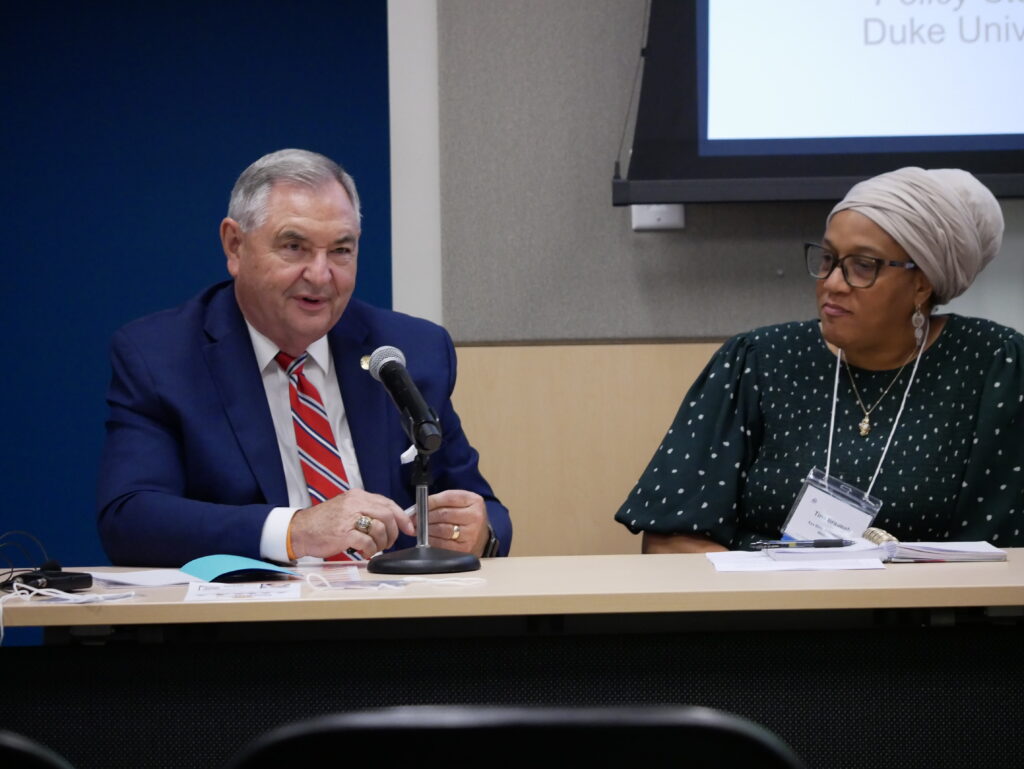
“The bonds formed in the earliest years between caregivers and children, between families and communities, between systems and the people that they serve really shape a lifetime of well-being,” said Alessandra Bazzano, chair of UNC-Chapel Hill’s Department of Maternal and Child Health at a conference in Chapel Hill on June 18.
Yet too often, services during pregnancy and through the early years of life are fragmented — or nonexistent — advocates, researchers, and practitioners said at the event.
“Early Connections: Building Bridges for Brighter Futures,” was hosted by the Equity Research Action Coalition at UNC’s Frank Porter Graham (FPG) Child Development Institute, along with several partners, including the state Division of Child Development and Early Education and UNC’s Department of Maternal and Child Health. It convened leaders across policy, philanthropy, research, advocacy, and practice with the goal of creating new partnerships that better serve young children and families.
 Sign up for Early Bird, our newsletter on all things early childhood.
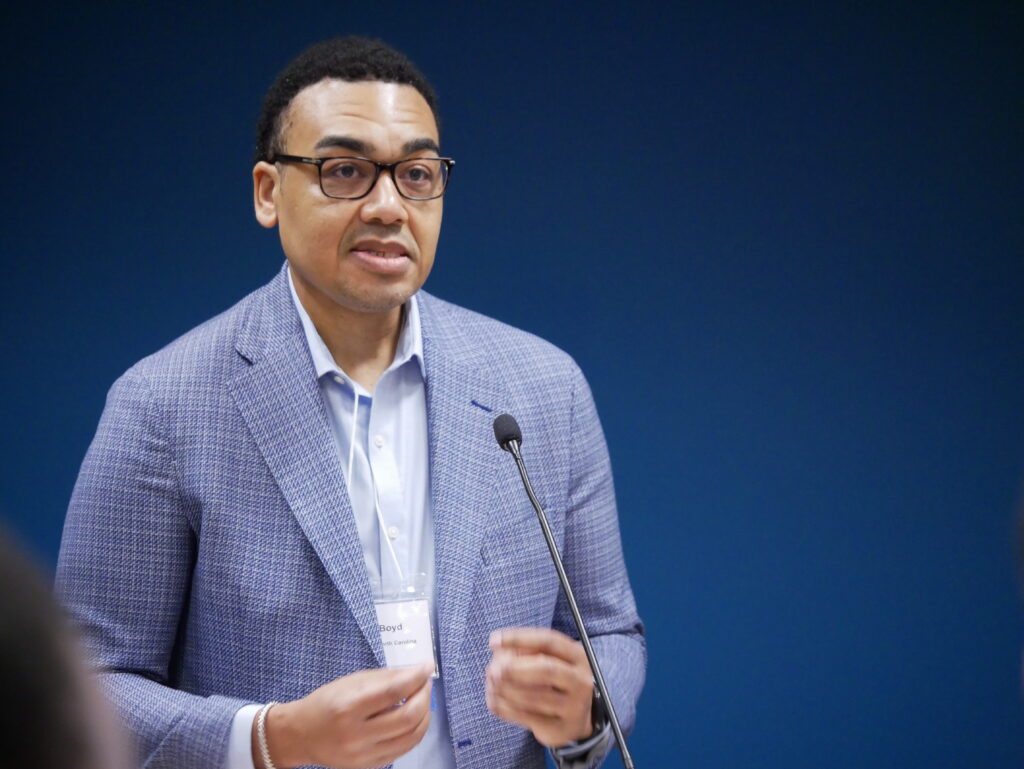
“We must ensure that there’s a through line from healthy pregnancies and births to infancy to entry into high-quality early childhood education settings, because we know that the first three years of life is essential and important for healthy brain development,” said Brian Boyd, director of the FPG Institute.
Iheoma Iruka, director of the Equity Research Action Coalition, planned the event to bring together individuals and agencies that are not often in conversation yet serve the same communities, including experts on early care and education and infant and maternal health.
Related reads
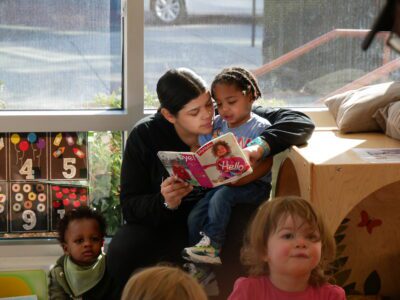
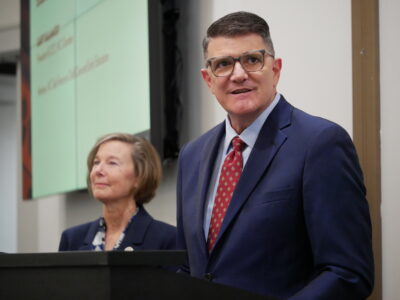
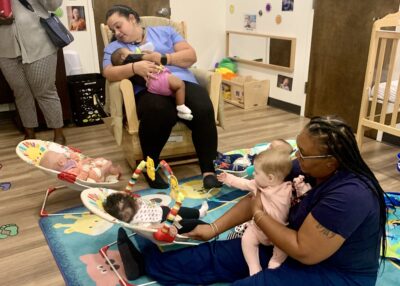
Building authentic and new relationships matters now more than ever, Iruka said.
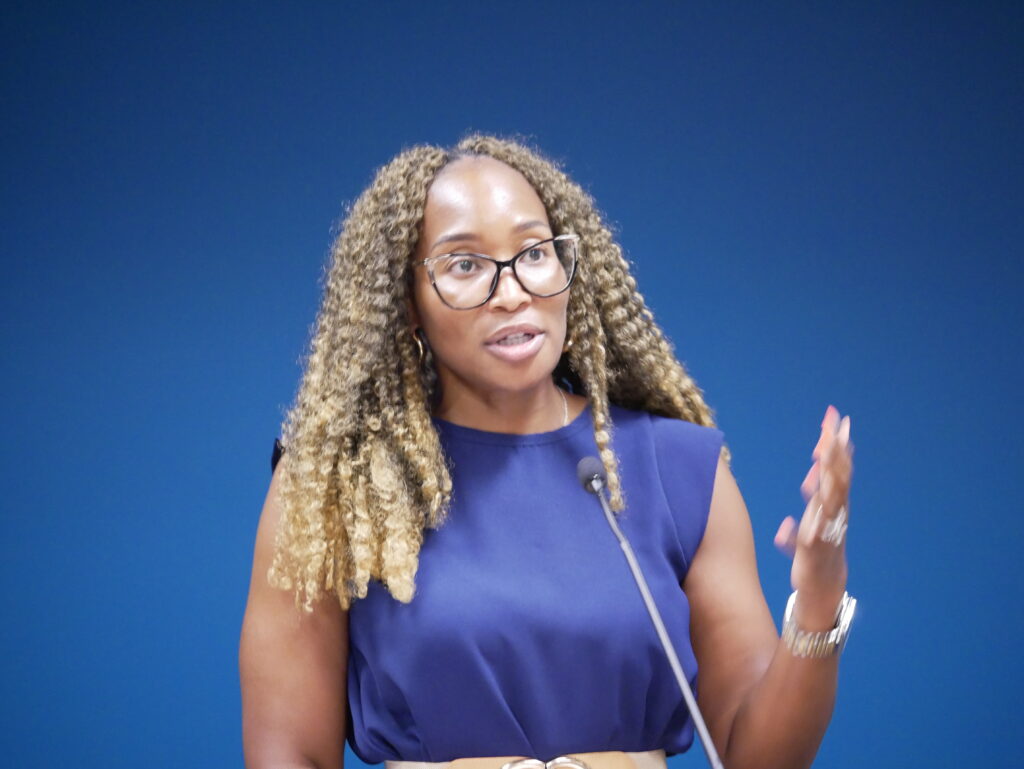
“We are living through a moment of profound change — from climate change and natural disasters, to the rapid rise of artificial intelligence, to shifting global relationships and increasingly complex interdependence across communities, institutions, and nations,” Iruka said. “These changes bring real opportunities for innovation, for collaboration, and for addressing longstanding inequities, but they also bring tension, uncertainty, and difficult questions and conversations.”
‘Prenatal care makes a difference’
During pregnancy, the services available to mothers and families vary widely.
Many mothers, especially in rural areas, struggle to access prenatal care and must drive far from their homes to reach hospitals to give birth. About 28% of mothers in 2024 did not receive prenatal care in the first trimester of their pregnancies, according to the N.C. Maternal and Infant Health Dashboard.
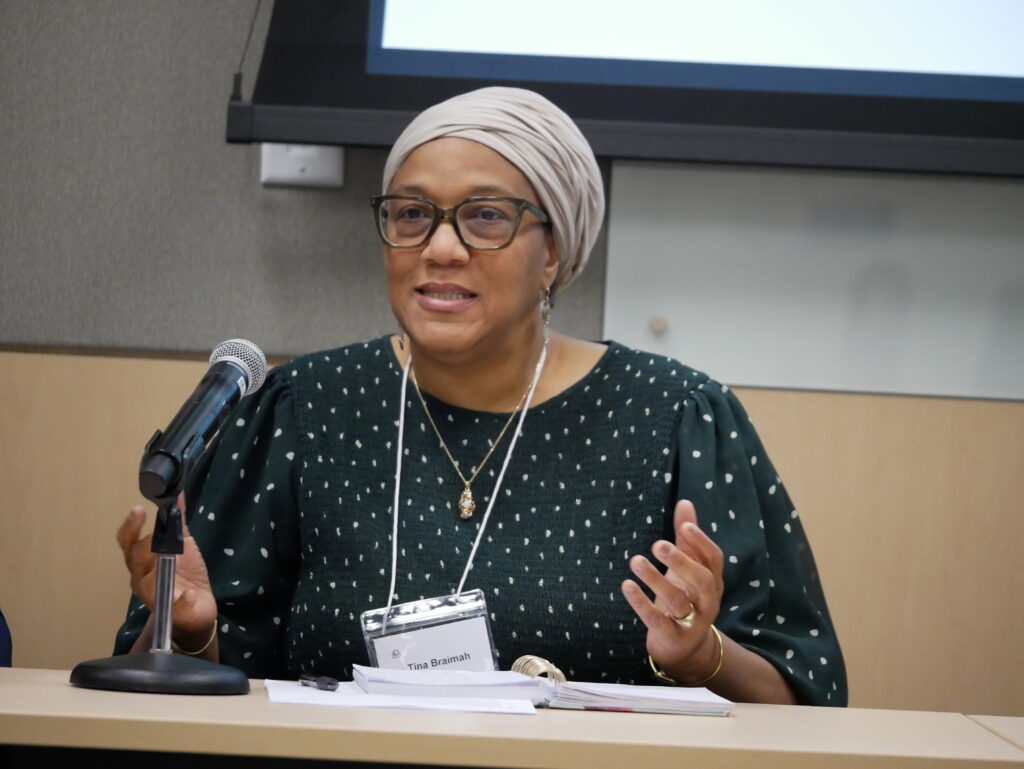
“Prenatal care makes a difference — making sure that they are educated during those visits, that you talk about nutrition, that you talk about hydration and proper exercise, that you get into what kind of food do you have in your cabinet at the house,” said Tina Braimah, director of Aya Birth & Community Wellness in Durham and a panelist at the convening.
Thirteen counties in northeastern North Carolina have no hospital, according to an investigation published in March 2025 by Carolina Public Press on the “the desertification of women’s health care in rural counties.” The region experienced a net loss of 11 delivery rooms from 2013 to 2023. In the far western part of the state, five counties have no hospital, and the region had a net loss of 13 delivery rooms over the same period.
These gaps in access show up in babies’ birth outcomes, several experts at the convening said. North Carolina had the 18th highest infant morality rate in the country in 2024, and mortality rates are uneven across race.
Black babies were nearly three times more likely to die in the first year of life than white babies in 2024. Black mothers were 1.6 times more likely to die from a cause related to their pregnancies than white mothers in 2018 and 2019, according to a February 2024 report from the North Carolina Maternal Mortality Review Committee.
“That ought to be a great concern to all of us,” said Sen. Jim Burgin, R-Harnett, on the racial disparities in infant mortality. Burgin, a panelist at the convening, has advocated for maternal and infant health efforts at the state legislature.
“One of the goals I set was to reduce infant mortality in the Black community by half, and I don’t see that happening,” Burgin said. “So you all need to tell us what we need to do.”
Improving maternal and infant health requires ensuring families’ basic needs are met, Braimah said.
“The other part of it is making sure they have everything they need — that they’re not stressed out, that you have access to medicine … that you have access to food,” she said. “It’s about so much more than just the prenatal care and having a baby.”
Transforming rural maternal health
Researchers from NC Central University’s Center for Health Disparities Research shared several efforts to link families, particularly those in marginalized communities, with research and services that improve their health.
For example, the university’s Rural Health Hub, based in Halifax County, launched a Community-Based Doula Program in 2025 that trains individuals from rural northeastern counties to work as doulas in their communities. The program has graduated 22 doulas, 18 of whom are focused in northeastern counties, with another cohort planned this year.
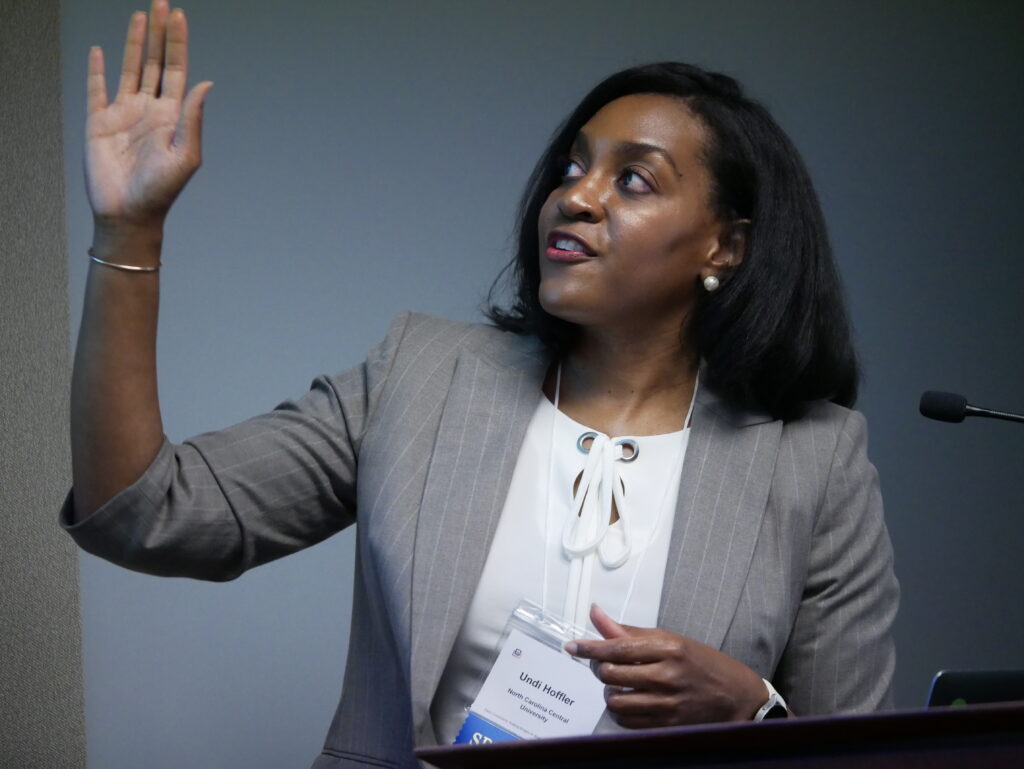
“Our goal is definitely to be able to utilize this program as a means and a way to help transform maternal health outcomes across rural North Carolina,” said Undi Hoffler, director for the Office of Research Compliance and Technology Transfer at NC Central. “We’re starting in the northeast, but we hopefully will be expanding widely.”
The hub provides scholarships for those who already live in the counties in which they will provide doula services.
“We are also establishing trust, because these are people that you see in the grocery store, you go to church with, you work with, and so there’s a relationship already there,” Hoffler said.
The researchers said their efforts are informed by the families and communities they serve.
“We don’t want to just work on the community, we want to work with the community, and that’s our role,” said Seronda Robinson, an epidemiologist. Robinson leads a “Community Engagement Core,” a team that “serves as the bridge between NCCU researchers and the communities most affected by health disparities,” according to its website. “The CEC ensures that community voices inform every stage of research.”
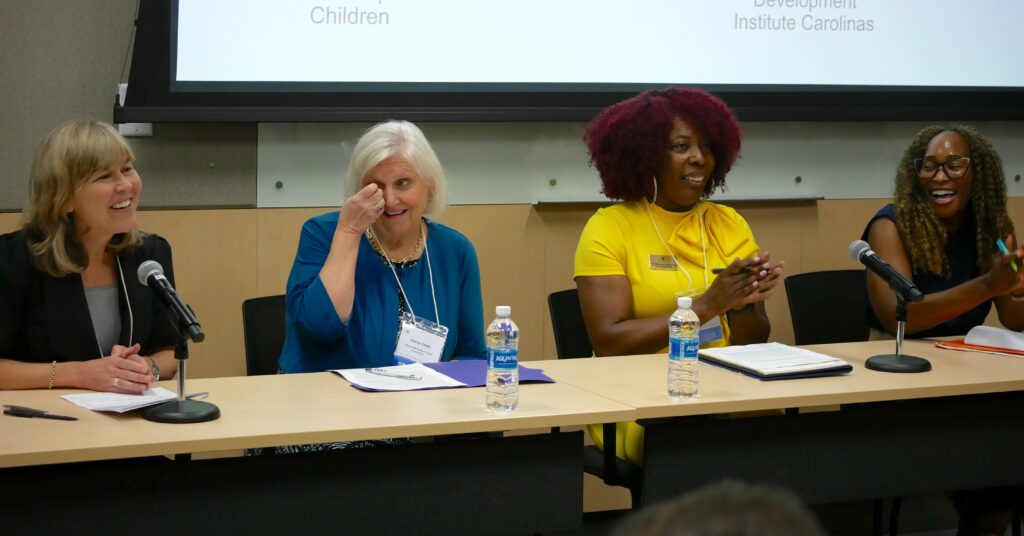
Professionals shaping policy and systems need to do a better job of listening to and learning from the experiences, needs, and assets of marginalized communities, several speakers said at the conference.
“We gain truth when we center families and their experiences,” said Devonya Govan-Hunt, executive director of Black Child Development Carolinas, an advocacy nonprofit.
‘North Carolina … at the forefront again’
Communities need research, advocacy, and policy that does not just respond to their needs, but capitalizes on their strengths, experts said.
“Even when people are living in great travesty and adversity, those communities are pretty powerful and strong, and it shows,” Iruka said. “And it’s showing up today when all the social nets are being ripped.”
Graig Meyer, former state legislator and new executive director of the North Carolina Justice Center, called on attendees to appreciate the intersection of vulnerability and opportunity at which their fields sit. Meyer said that progress for young children, mothers, and families will come through mobilization that creates links between their interests and that of lawmakers.
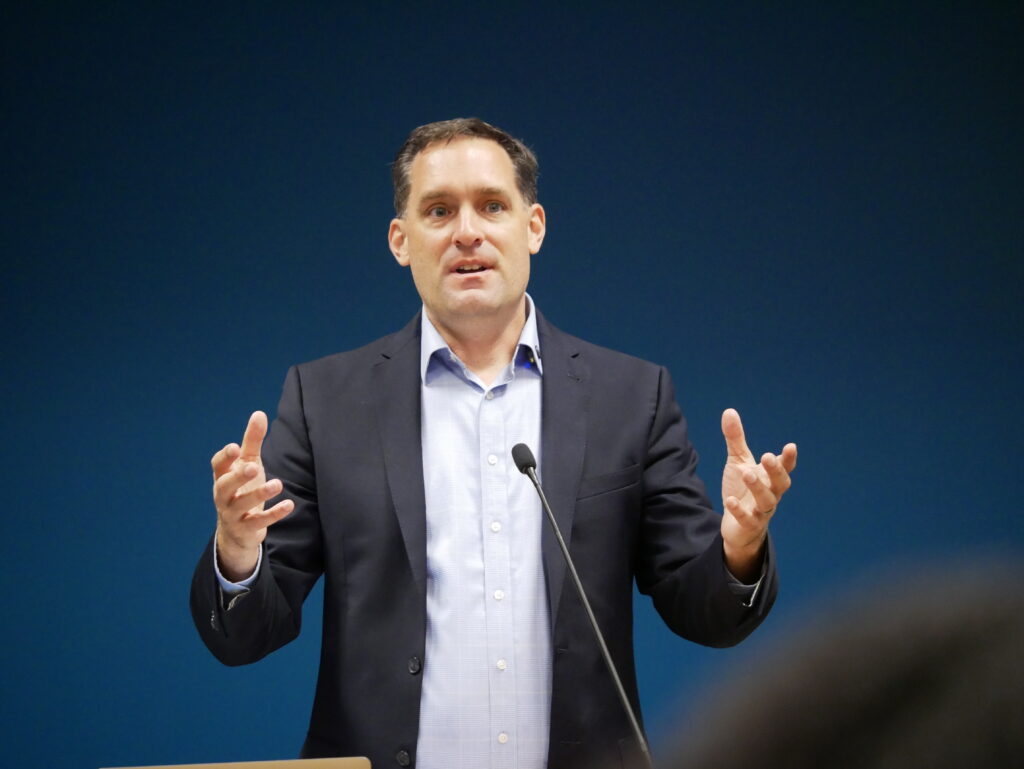
“We have to create a narrative … that having strong workers requires strong families and strong beginnings,” Meyer said. “… Raising children and going to work are both essential contributions to a long-term, healthy, thriving economy. We should have policies that support both.”
Several speakers pointed to North Carolina’s history as a leader in both early care and education and infant and maternal health, including models such as Smart Start and Family Connects.
“We were like the talk of the country — everybody wanted to learn from what we were doing in North Carolina,” said Gerry Cobb, director of the Pritzker Children’s Initiative, a national philanthropic early childhood effort. “And now, other states are talked about, which is great … but I want our state, North Carolina, to be at the forefront again.”
Lt. Gov. Rachel Hunt, whose father, former four-term Gov. Jim Hunt, launched Smart Start, called for better early childhood systems, including expanded access to high-quality, affordable child care. Hunt and Burgin are the co-chairs of the North Carolina Task Force on Child Care and Early Education.
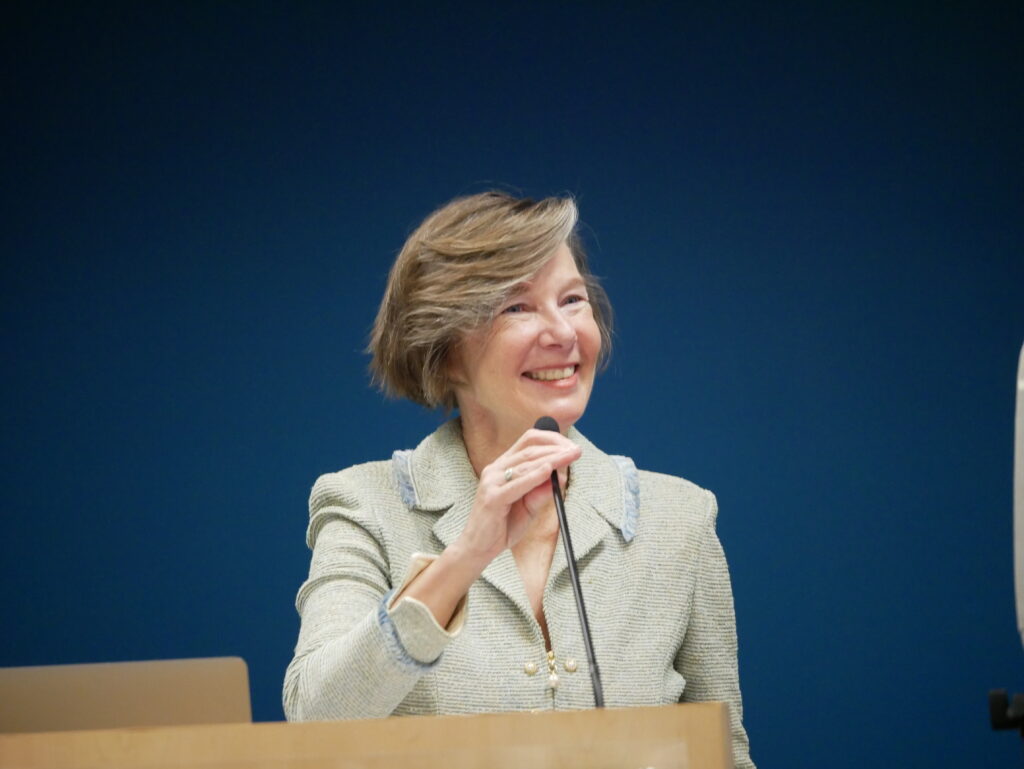
Licensed child care programs are meeting about 55% of the potential need, according to a national analysis from Child Care Trust, and rural communities are particularly struggling.
Throughout the event, experts said the state should scale high-quality child care programs and fairly compensate early childhood educators. Burgin, when asked for a single wish for change in the early childhood period, said this year’s state budget should include new child care investment.
Hunt also highlighted Tri-Share, a pilot to split the cost of child care between eligible parents, state government, and participating employers.
“Our goal should be nothing less than making North Carolina the best place in the country to raise a child, the best place to have a baby, the best place for a child to grow, learn, and thrive, and the best place for parents to know they are not navigating life’s challenges alone,” Hunt said.