
‘Relief, recovery, and rebuilding’: Dogwood Health Trust releases Hurricane Helene response playbook

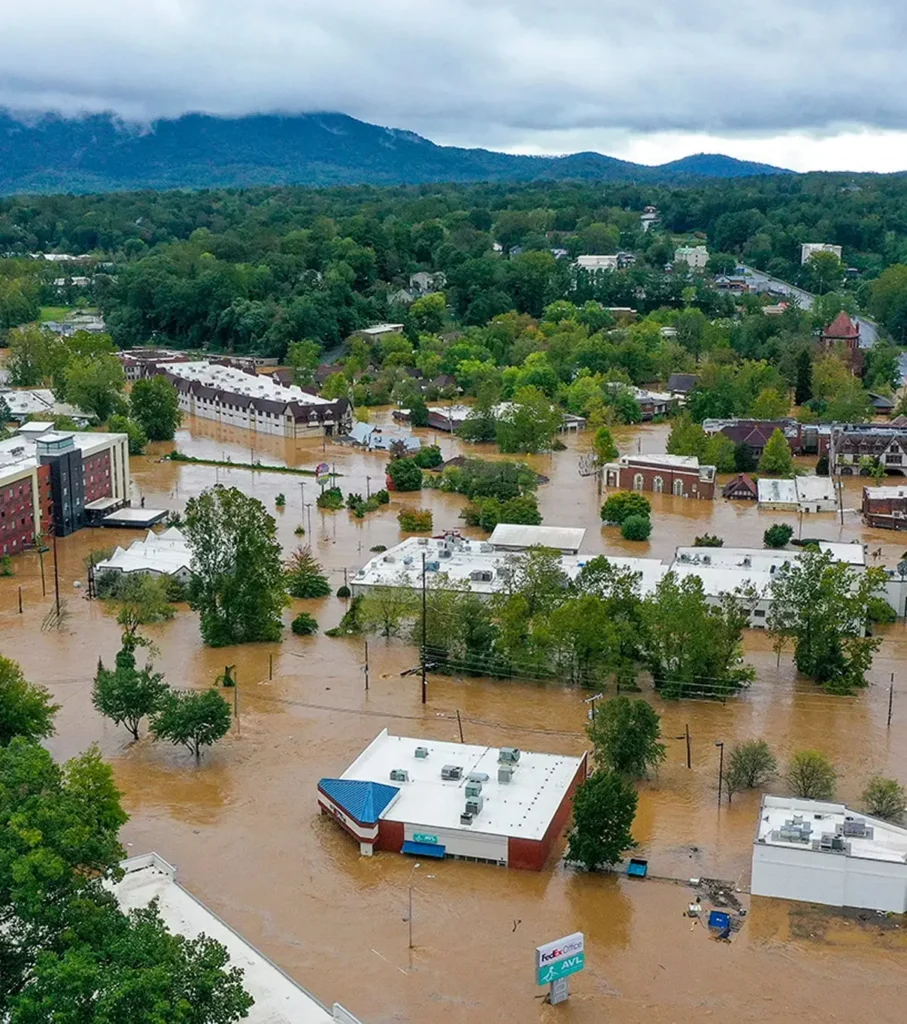
Dogwood Health Trust — a nonprofit that exists to “dramatically improve the health and wellbeing of all people and communities in the 18 counties and Qualla Boundary of Western North Carolina” — recently released a disaster response playbook including lessons learned in the nearly two years of recovery following Hurricane Helene.
Their playbook includes a look at what happened when Helene first hit, a detailed timeline of the nonprofit’s disaster response response, key lessons learned in their efforts, and a look at the future work of recovery. The playbook “offers practical guidance to help funders and organizations prepare to respond to future crises,” a press release says.
Dogwood emphasized how their response to Helene was shaped by the wisdom of others, saying, “we hope that our story and lessons will serve as a resource as well.”
“As we enter another hurricane season, Dogwood is sharing the story of how we responded alongside communities in the days and months following the storm, what we learned and how those lessons can inform funders who want to support their communities after a disaster,” Dogwood President and CEO Susan Mims said in a LinkedIn post.
Key lessons
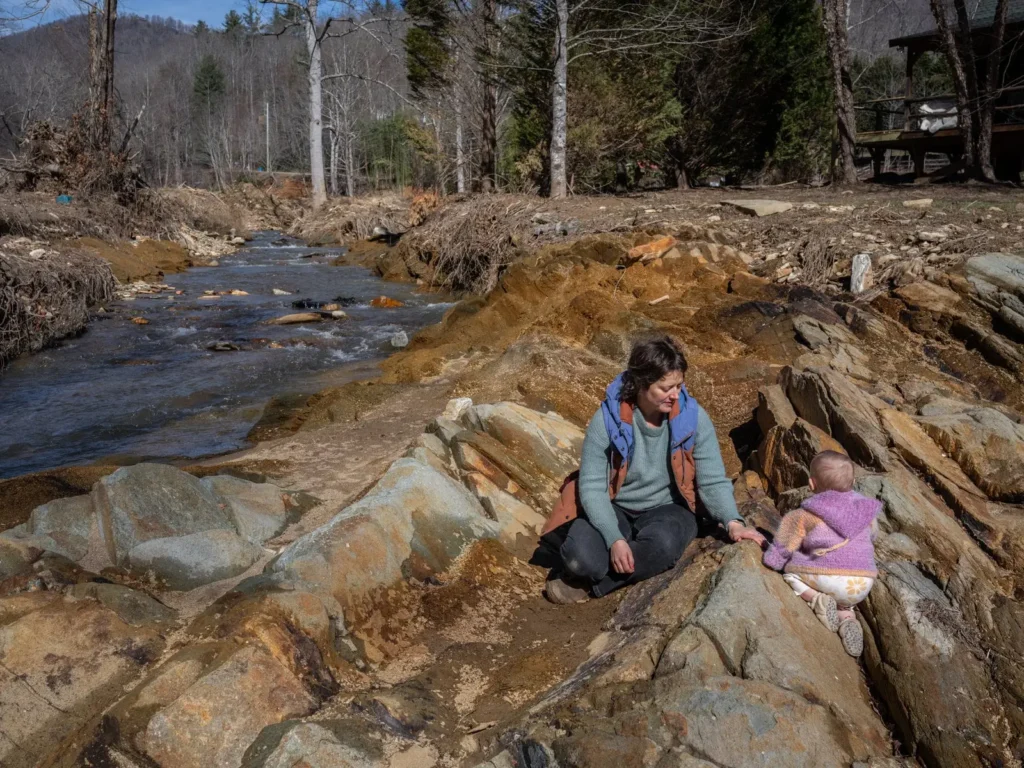
In the playbook, Dogwood lists the four biggest takeaways they learned from their ongoing response to Hurricane Helene in western North Carolina.
1. Stay true to purpose
When deciding how to respond, Dogwood said they acted within their existing strategic priorities of “housing, education, economic opportunity, and health and wellbeing.” They wrote that holding their values close did not mean refusing to change. Instead, “it means using your mission as a guide while responding to real-time needs.”
Dogwood learned that they had to listen to their partners and community to understand what systems were already working so that they could best work within their priorities to help where there were challenges and needs, the playbook says.
2. Trust enables impact
Dogwood said they also learned that you have to trust the people you are helping. In their approach to funding, they prioritize flexible funding that “allowed organizations to respond immediately without waiting for approval or navigating complex requirements,” the playbook says.
Speed was of the essence, so it was critical that processes be as simple and independent as possible. Localized action was more effective than broad action, they said.
3. Relationships and networks make things go
The aftermath of Helene taught Dogwood that no one can do recovery alone, so their response to this disaster was shaped by networks of partners — not just one partner. Throughout the disaster, they worked with many other philanthropic groups to coordinate efforts, align resources, and respond to the most urgent needs.
Therefore, “building relationships and strengthening networks before a disaster occurs is what makes coordination possible when it matters the most.”
4. Speed and equity both require intention
Decisions after the storm had to be made quickly, and it took significant effort to understand who was most affected and how they could be reached. With incomplete information, leaders had to be intentional about finding the gaps in their response.
Dogwood said, “equity is about more than distributing resources evenly; it is about understanding who has been most affected, who was already experiencing disinvestment or disconnection before the disaster, and what support is needed to ensure resources reach those communities effectively.”
A practical application
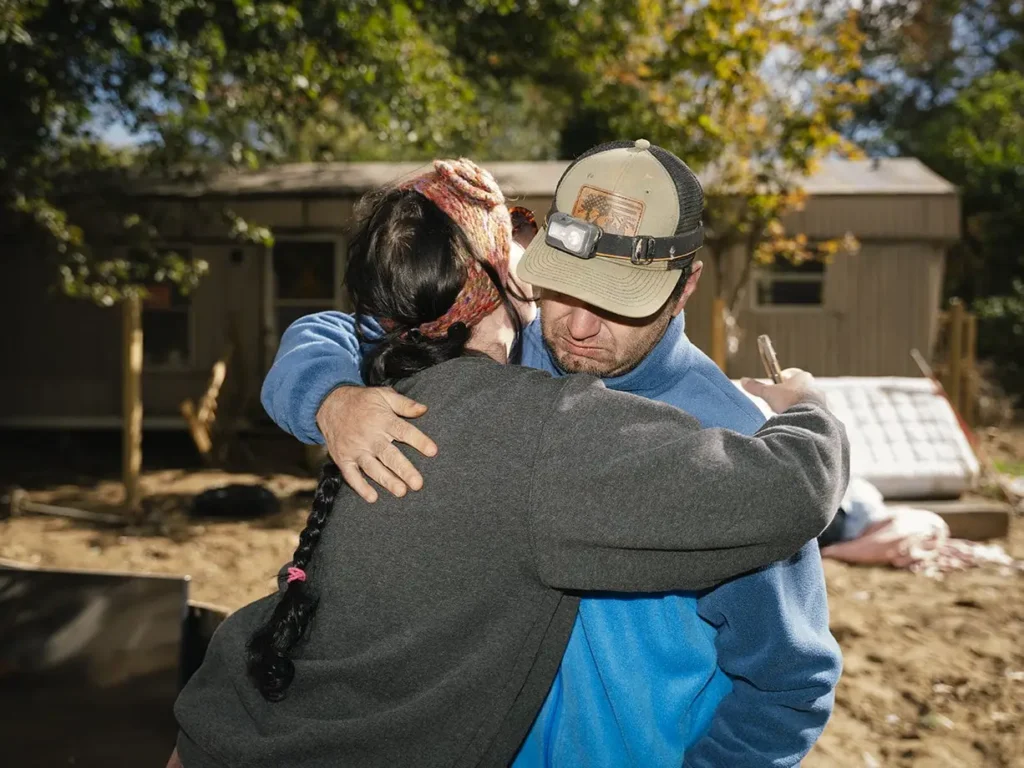
As a part of their playbook, Dogwood assembled a disaster readiness and response checklist for funders, which can be used before and after a disaster strikes a community. The checklist breaks response into four distinct phases: preparation, immediate response, early response, and ongoing recovery and rebuilding.
Each phase poses questions for groups to consider and offers a checklist that is meant to help readers “prepare, act with intention, and learn as you go.”
Phase one encourages readers to consider the gaps in their disaster readiness, the strength and state of their community relations, and their group’s ability to contribute to disaster response already. This section is meant to organize communities before a disaster is even on the horizon. The checklist includes tasks like identifying collaborators, learning federal disaster response systems, and codifying internal leadership roles.
Next, phase two outlines how Dogwood recommends organizations serve their communities in the first few days after a disaster.
By understanding what is actually happening on the ground, how the situation might be changing, and how philanthropic groups can be of best assistance, phase two ensures that groups strive to see the whole picture of a disaster even when it is recent. It emphasizes communication and immediate coordination of flexible aid.
Phase three offers guidance in the first week to first few months after a disaster. It asks how groups can best protect people, what they are learning that should inform their response, what gaps exist in their strategy, how they can support their partners and staff, and how their response might be more equitable.
Phase four is for everything that comes after the immediate recovery period — recognizing the long-term impacts of disaster, asking if funding is remaining flexible and going to areas that need it most, and supporting the community in telling their stories. The work of recovery is not a quick process, the playbook says, and requires “strong relationships, clear and consistent communication, flexibility, and a willingness to listen and learn alongside your partners and community.”
“Because they know the community well and understand the capacity of different organizations, funding could be directed in ways that matched real need,” a Dogwood grantee partner said in the playbook.
Read more about Hurricane Helene
The work continues
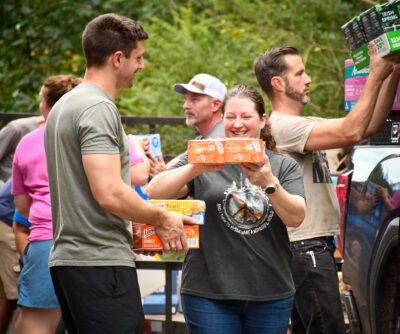
Dogwood emphasized that “no response will ever be perfect.” However, their playbook, along with their checklist, shows that disaster response can and must be thoughtful — understanding the current needs of a community while being prepared to evolve as those needs change during disaster.
Western North Carolina is still recovering, the playbook says, but the people there have shown enormous resilience and perseverance. Dogwood said it will continue to support western North Carolina as the healing continues.
“Leaders across the region continue this work every day with Dogwood’s support, and I hope these reflections and practical checklist tool will help strengthen disaster response and recovery efforts in communities far beyond WNC,” said Mims. “I encourage you to take time to explore WNC’s story and the lessons shared throughout it.”
Explore Dogwood’s full playbook on their website.
 Sign up for the EdWeekly, a Friday roundup of the most important education news of the week.