
App State awarded $1.4 million to bolster western NC’s special education workforce, partner with local school systems

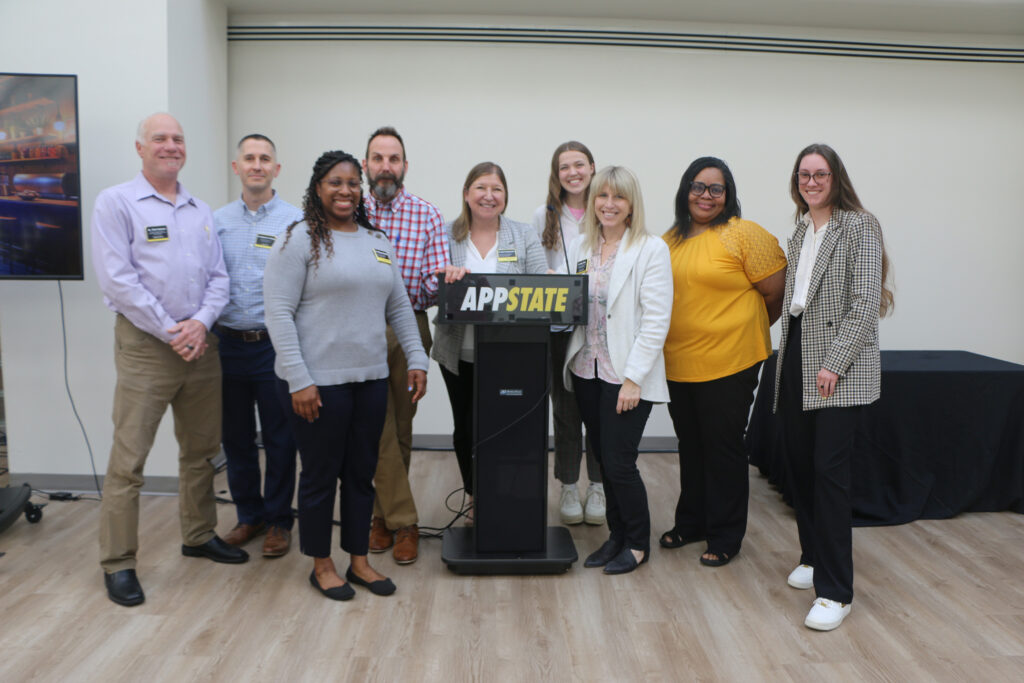
A new career pathways program at Appalachian State University kicked off in fall 2025 designed to “address the shortage of special education teachers in rural Appalachia,” according to an article from Appalachian Today. The program is funded by a more than $1.4 million grant from the U.S. Department of Labor (DOL), providing “tuition assistance, stipends and professional development.” The article says over 100 teaching assistants, educators, and administrators from Watauga, Caldwell, and Catawba county schools will participate in the program, gaining important training in special education.
Special education, or exceptional children (EC) services, is a broad term referring to the ways the needs of children with a disability, health impairment, or learning difference are met. According to the article, “special education teachers work with students with a wide range of learning, intellectual, emotional, neurological and/or physical disabilities, providing specially designed instruction that meets the students’ individual needs.”
In recent years, as EdNC has reported, the EC teacher pipeline has faced stress, including factors like pay, resources to recruit candidates, and the daily needs and demands of teachers.
In 2024, about 70% of public schools across the country “reported having vacancies for special education teachers.” In North Carolina, the 2023-24 school year saw a 28% increase in EC teacher vacancies, or roughly 1,544 positions. A 2024 EdNC survey found that 75% of educators in these roles felt the EC teacher pipeline at their school was “stressed.”
This program at App State is designed to relieve some of that pressure.
“By investing in the development of a strong, well-supported special education workforce, we are not only addressing a critical need in our rural communities, we are also creating meaningful career pathways for individuals who are passionate about making a difference,” said Dr. Melba Spooner, recently retired dean of App State’s Reich College of Education, in the article.
Supporting EC teachers in North Carolina
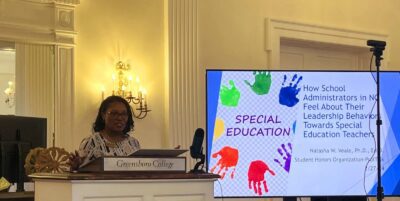

This program is a partnership between App State’s Reich College of Education; school districts in Watauga, Caldwell, and Catawba counties; and community partners like the High Country Workforce Development Board, myFutureNC, and Watauga Opportunities. Through their efforts, the program will provide many resources and pathways to participants, including:
- Training programs for paraprofessionals (special education teaching assistants).
- A residency program for future special education teachers.
- Professional development for current teachers.
- Special education training for school administrators.
- Mentoring, coaching, and financial support to remove barriers.
“In the Reich College of Education, we are proud to lead this collaborative effort to ensure every student has access to the high-quality education they deserve,” Spooner said in the article.
Caldwell County Schools has 57 of their staff enrolled in the program, taking advantage of the new pathway and “expanding the number of administrators who have advanced training in Exceptional Children programs,” according to Heather Wilson, former EC director at the district.
“Passionate educators in our district are dedicated and motivated to continually improve and grow through expanding their professional licensure and qualifications,” Wilson said in the article.
 Sign up for the EdWeekly, a Friday roundup of the most important education news of the week.
Associate professor Dr. Kelly Clark — who co-leads the program and works in App State’s department of child development, literacy and special education — described the specific kinds of support and the opportunity this program offers educators.
“The program’s courses in special education law, behavior management, and the unique working conditions of special educators will better equip administrators to support and retain their special education staff,” said Clark. “Additionally, this grant creates opportunities for current special education teachers to strengthen their leadership skills and advance their careers by taking courses in educational leadership or by obtaining their National Board Certification.”
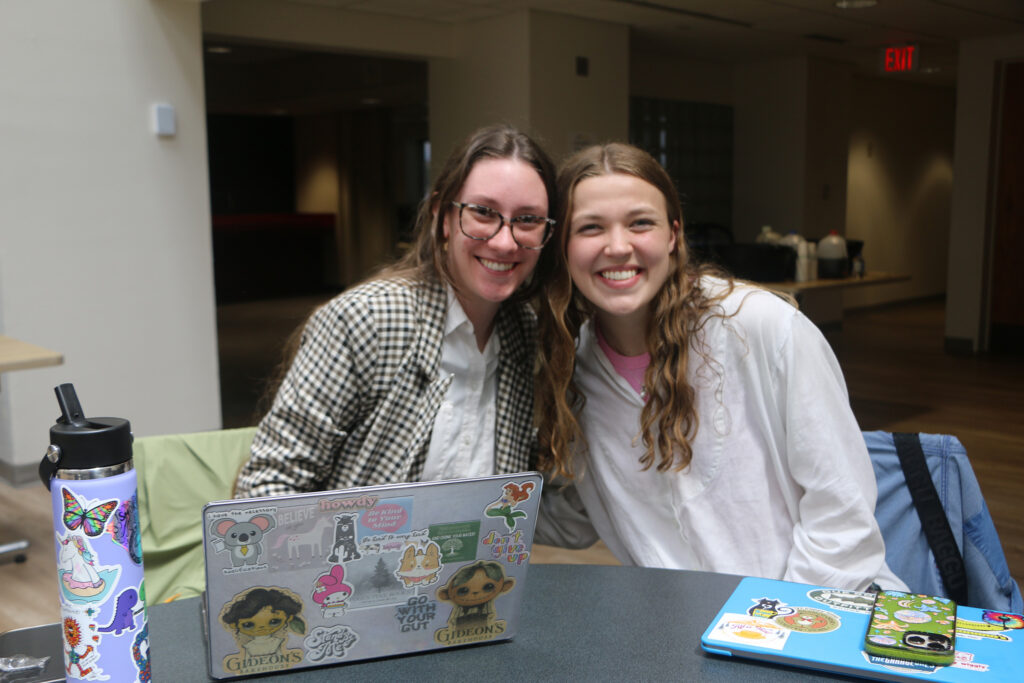
For current App State students, the program expands their educational options, the article says, allowing them to participate in “hands-on research and experiential learning opportunities.” Two students have already served as graduate assistants to the program as it developed, aiding the leaders of the program in research.
“As a future Exceptional Children teacher, this research is close to my heart — and my future,” said graduate assistant Lauren Young, who grew up in rural Appalachia and plans to return to a similar place for her teaching career, in the article. “Being involved in this initiative helps me learn how to better support my classroom, my paraprofessionals, and myself in creating a positive and effective learning environment.”
The leaders of the program plan to continue growing it and use it as a model “for broader implementation across other districts in North Carolina and nationally,” the article says. They also plan to seek additional funding outside of the DOL grant to sustain that growth.
“By aligning university preparation from App State with the real-world needs of our local schools, we’re building a stronger, more resilient future for special education in our region,” said Co-Director of the program and Associate Professor Dr. Debra Prykanowski.