
North Carolina High School Athletics Association votes to support ‘Coaches Care Act’

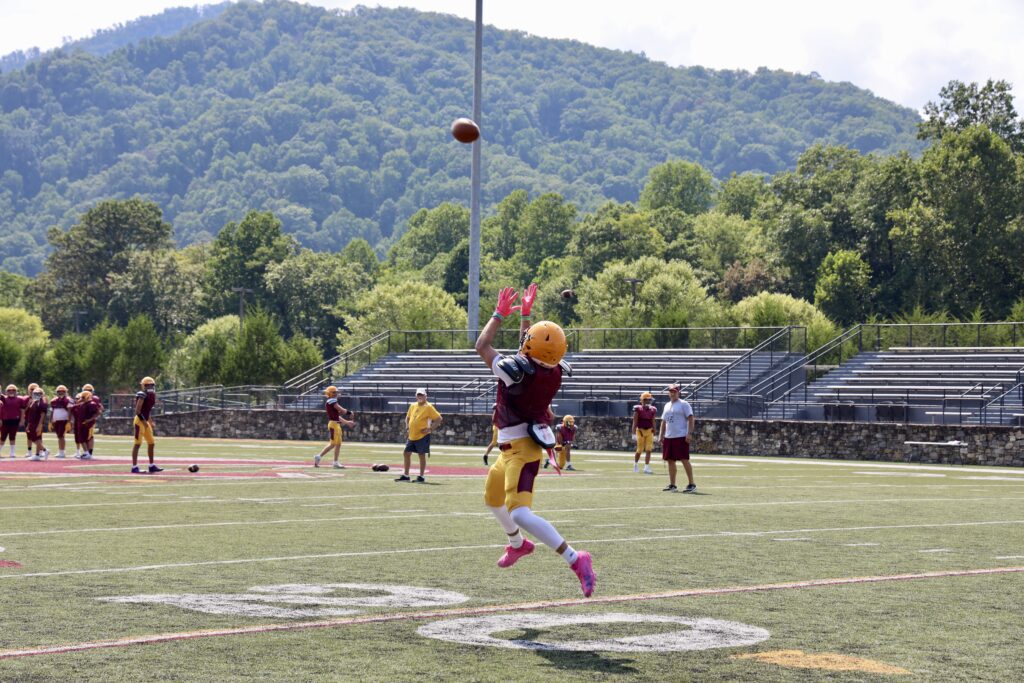
The North Carolina High School Athletics Association (NCHSAA) has unanimously voted to mandate mental health training for high school head coaches.
The vote comes following the introduction of Senate Bill 550, also known as the Coaches Care Act, during the 2025 legislative session. The bill was referred to the rules committee in March.
“This requirement ensures that our head coaches are better prepared to recognize and respond to the mental health needs of student-athletes, and it reflects our shared responsibility to support the whole student,” the NCHSSA said in a statement. “The NCHSAA is grateful to be part of an effort that prioritizes the well-being of young people in such a meaningful way.”
 Sign up for the EdDaily to start each weekday with the top education news.
The bill describes a broader requirement that all middle and high school coaches and athletic directors possess an unexpired certificate from their approved mental health training programs. The courses are designed to help coaches recognize symptoms of mental health challenges and substance abuse so they can support youth with those challenges and connect them with professional resources.
While the bill did not make crossover and still sits in committee, the NCHSAA voting to partially adopt it shows that the policy has support, lawmakers said at a press conference on May 7.
If all of the coaches in a youth athletics organization do not have a current certificate from the mental health training, under the new policy adopted by the NCHSAA, they will not be allowed to access city or county facilities.
The specific trainings selected are called the “Youth Mental Health First Aid” course and the “Teen Mental Health First Aid” course.
Bill sponsor Sen. Caleb Theodros, D-Mecklenburg, said the unanimous vote sent a very clear message about the urgency of the work in the mental health space. At the May 7 press conference, he said the act would ensure coaches are, “equipped not just to lead teams, but to support lives.”
“Coaches are often among the first to notice when something is not right. They see the long practices they have, the quiet moments, and the changes in behaviors that others might not see,” Theodros said. “But for too long, we have expected them to carry that responsibility without giving them the proper tools or the training that is necessary.”
Read more
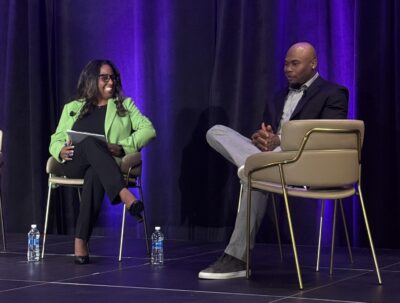
April Simpkins, who has three children who played sports at Division I programs and who identifies as an athlete herself, also spoke at the press conference. She said that she became more vocal as a mental health advocate after the death of her daughter, Cheslie Kryst.
“I myself am Mental Health First Aid certified. And I can tell you that not only does it teach you how to help others, it teaches you how to help yourself,” Simpkins said. “And for our coaches who sometimes carry weight personally and professionally, for them to have tools that will support them that they can also share once they’ve cited a young person who may be struggling is critical.”
Simpkins then said that the training highlights issues people are generally not exposed to.
“You are not being trained to be a psychiatrist or a therapist. You are trained on how to open up that conversation and move them to the necessary resources.” Simpkins said.
Theodros said the specific mental health training they selected is affordable, at about $30-40 per coach.
The next step is for NCHSAA to facilitate implementation. The source of funding is still being discussed amongst legislators in committee, but they have community partners willing to support the program, Theodros said.
Theodros said the training will provide coaches with a mental health tool kit with a variety of options, like a physical first aid kit would for an injury. Coaches can then use this tool kit if they need to guide students to get help they may need.
“If we are equating mental health and physical health, then you also need that tool kit to figure out what to do next,” Theodros said.