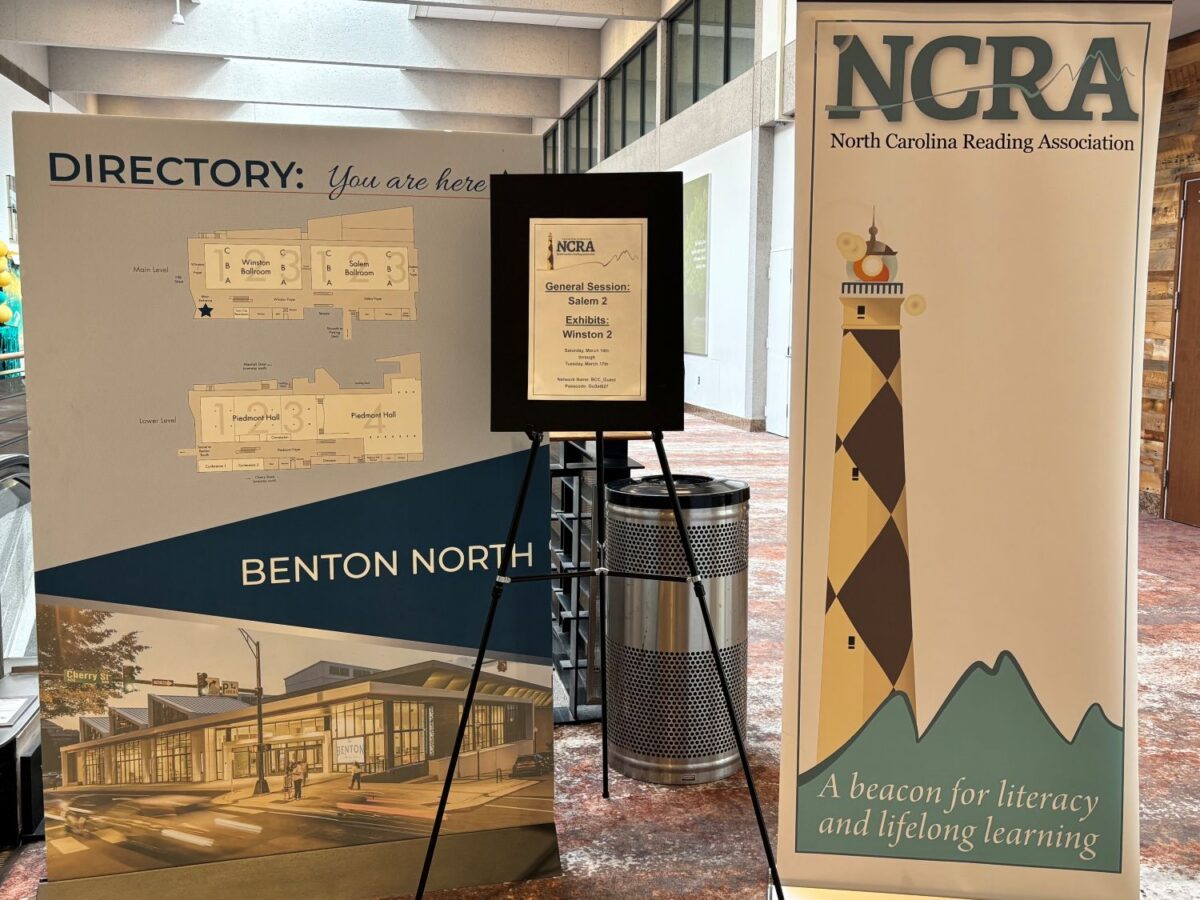
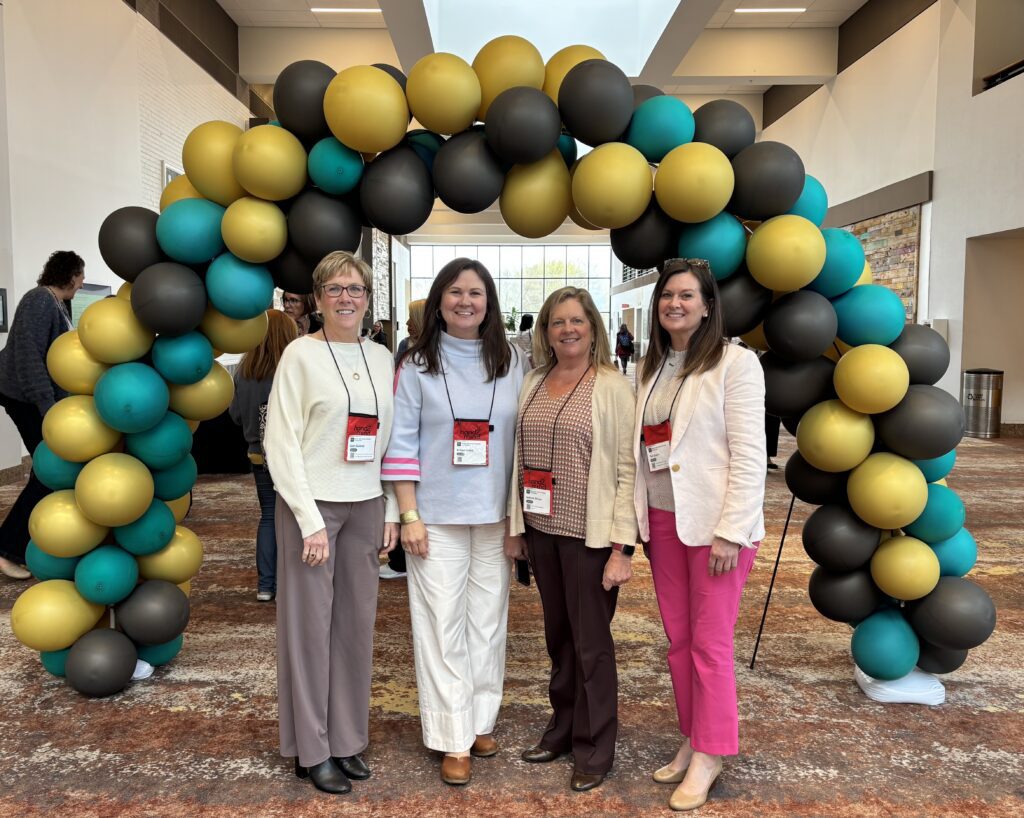
North Carolina educators arrived at the Benton Convention Center in Winston-Salem this week under dark skies, pounding rain, and high winds for the 55th annual NC Reading Association (NCRA) conference, held March 15-17. But the weather did little to slow them down.
Their presence carried added weight this year. North Carolina remains without a comprehensive 2025-26 state budget, yet hundreds of educators still made their way to the three-day literacy conference, many securing their own funding or paying out of pocket to attend. The turnout served as its own statement: Even amid policy delays, educators are continuing to invest in literacy learning and student success.
 Sign up for the EdWeekly, a Friday roundup of the most important education news of the week.
NCRA President Heidi Perez opened the conference by thanking attendees for pressing through the storms and tornado warnings. She then brought energy to the room with a quick round of “What’s in the Bag,” inviting audience members to pull items from their totes, discovering books and coupons for T-shirts.
Then she asked whether anyone had found an “Educate. Advocate. Empower.” sticker or pen, and a few attendees spoke up. Two attendees won free three-day passes to the 2027 annual conference, while another received a complimentary hotel stay with breakfast.
“We do this together,” Perez wrote in a letter on NCRA’s website about the conference, regarding literacy instruction. “Because to educate is to plant seeds. To advocate is to raise your voice. And to empower is to ensure no one is left out of the story.”
Rigorous learning
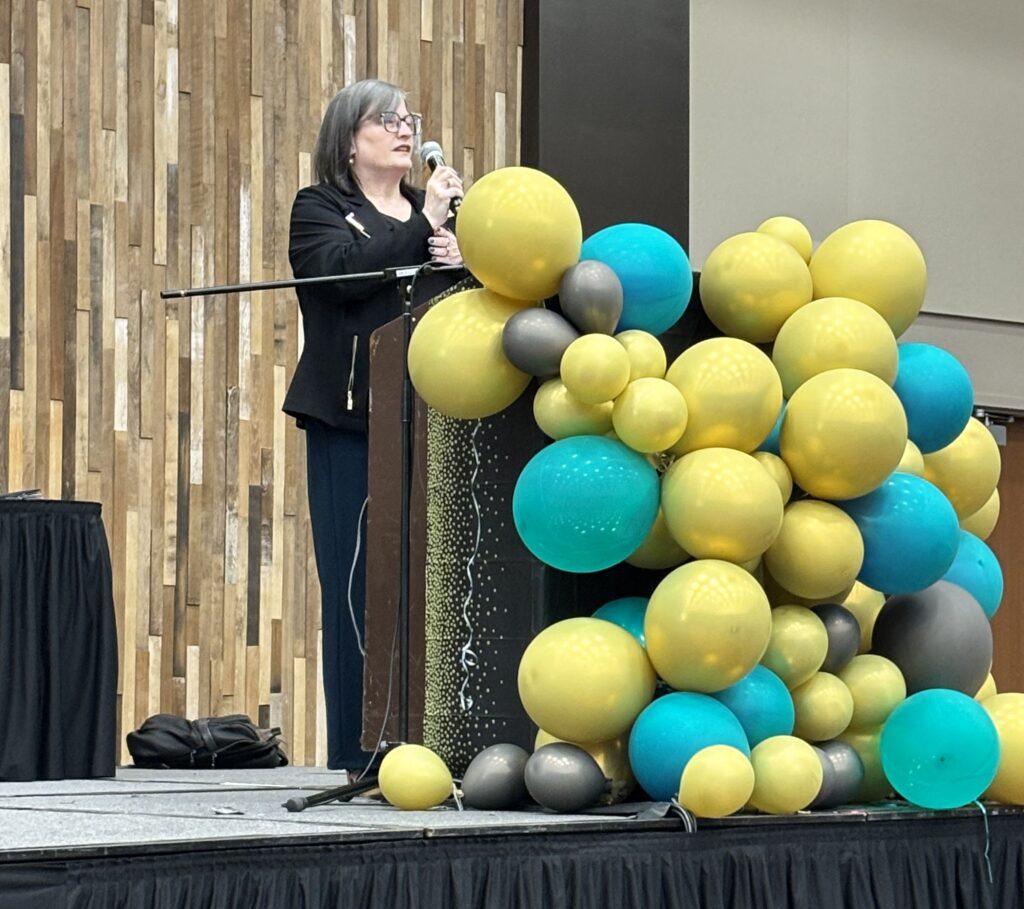
Keynote speaker Doug Fisher challenged educators to think deeply about rigor and what it takes to accelerate student learning. He pointed to The New Teacher’s Project (TNTP) 2024 report, “The Opportunity Makers,” which identified about 1,300 “trajectory-changing schools” across the country, schools that consistently help students who start below grade level make enough progress to catch up over time.
TNTP found that these schools shared three common commitments: creating a strong sense of belonging, delivering consistently strong grade-level instruction, and building a coherent instructional plan across the school.
That message connected directly to Fisher and Nancy Frey’s definition of rigor: challenging students with high expectations, engaging them in deep and meaningful learning experiences, and supporting them to achieve their full potential.
Fisher urged educators to examine the messages they send students every day. Through their actions, decisions, and language, he said, teachers “telegraph” whether they truly believe students can learn at high levels.
Low-expectation classrooms often center on deficits, rely on rigid grouping, and limit discussion and student agency. High-expectation classrooms, by contrast, make room for collaboration, student voice, flexible groups, and data-informed support aimed at helping all students reach the same outcome.
The central question, then, is not whether expectations matter, but how schools help educators adopt high-expectation practices. Fisher argued that one answer lies in how learning is structured. By chunking instruction in ways that reduce unnecessary cognitive overload, teachers can better support students in doing challenging work successfully.
He pointed to a five-part framework known as TIRES, a mnemonic for essential elements of learning — task, input, responses, evidence, and success. Together, the components remind educators to clarify what students are doing, how instruction supports them, how they demonstrate understanding, what counts as evidence of learning, and what success looks like.
The framework is designed to keep rigor anchored not in harder work for its own sake, but in purposeful, well-supported learning.
So many choices, so little time: Learning across every strand of literacy
Breakout sessions at the conference spanned a wide range of topics designed to meet the diverse literacy needs of educators serving learners from preschool through adulthood.
From intergenerational relationships and inclusive practices to instructional strategies aligned to each strand of Scarborough’s Reading Rope, participants had no shortage of meaningful learning opportunities. Sessions also highlighted the urgency of writing instruction, the integration of the arts to reflect student interests, and the growing role of artificial intelligence (AI) as a planning tool.
If there was one session missing, it might have been how to be in two places at once, a common sentiment among attendees navigating a schedule full of compelling options.
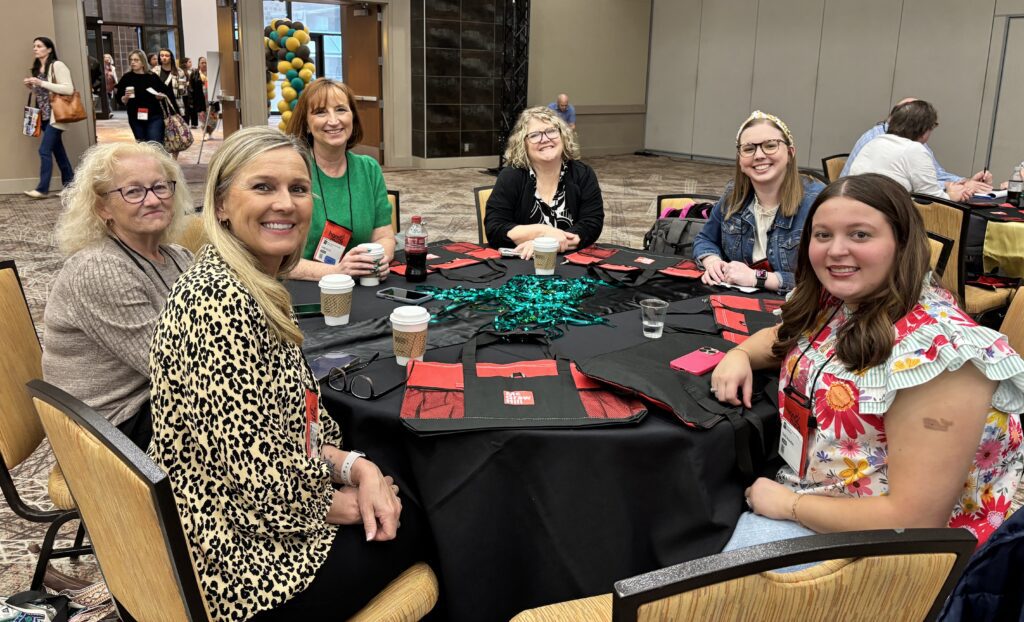
Midway through one breakout session, the sound of ringing phones and alert notifications filled the room as a tornado warning was issued for the area.
Thanks to clear communication and preparation from the NCRA team shared during the opening session, attendees knew exactly what to do for the shelter-in-place procedures. Doors closed, presentations continued, and learning did not pause. Even under the threat of severe weather, the focus and momentum remained steady, a testament to the thoughtful planning and leadership behind the conference.
Writing as a bridge
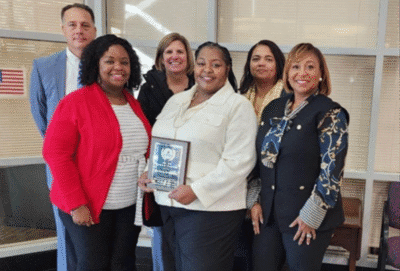
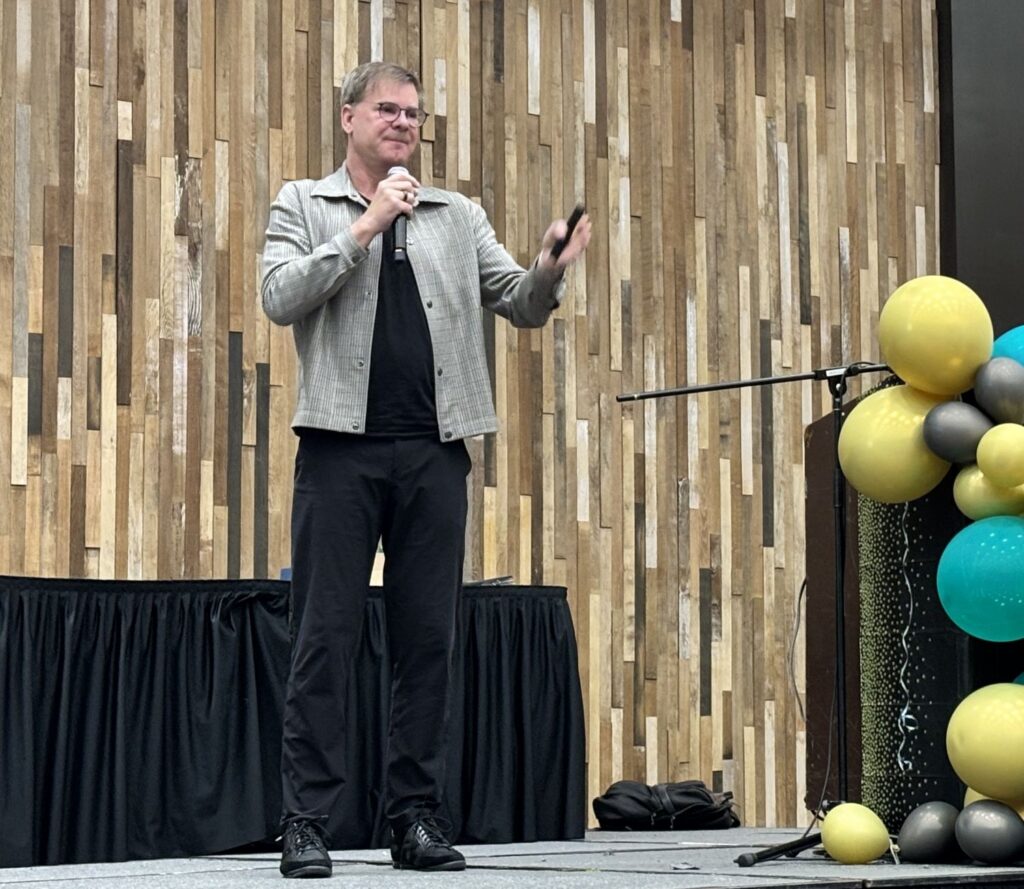
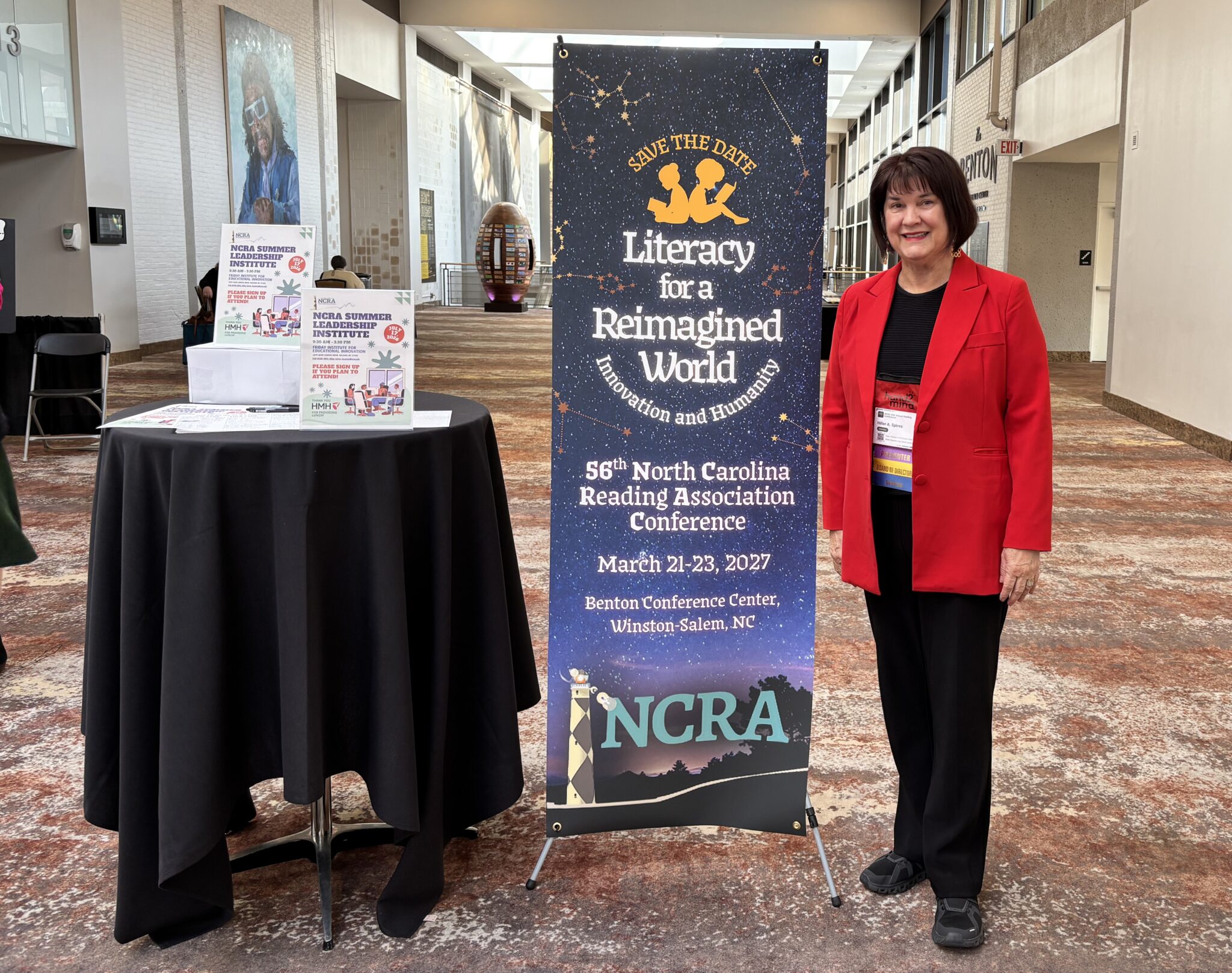
Following the NCRA Awards Celebration and the introduction of President-Elect Hiller Spires, author Natalie Wexler delivered a keynote centered on the power of writing instruction. She emphasized writing as a critical lever for building knowledge, strengthening reading comprehension, and developing analytical thinking.
Wexler noted that while it is difficult to read about a topic without prior knowledge, it is nearly impossible to write about one independently. Students should write about topics they are learning, she said.
To reduce cognitive overload, learners benefit from first hearing, discussing, and reading about content before being asked to write. Additionally, this process is most effective when writing is embedded within content areas rather than treated as isolated tasks.
Wexler’s focus on writing resonated with educators, addressing one of the most pressing needs identified throughout the conference.
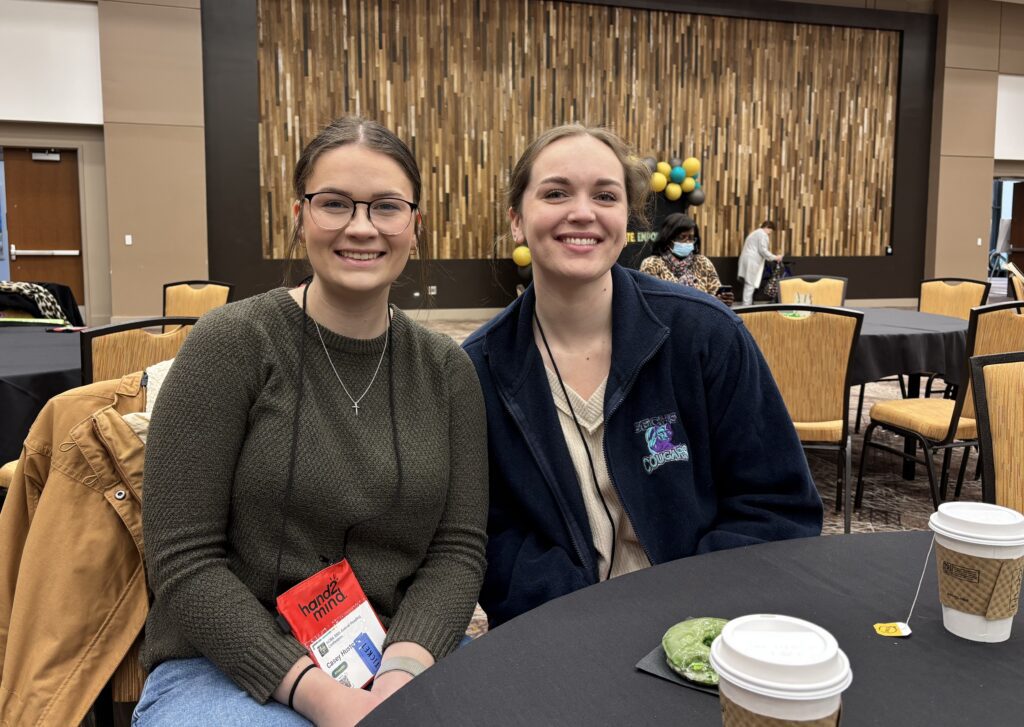
Casey Huston and Ali Lewis, English teachers from Greene Early College, attended the conference eager to learn new strategies to strengthen students’ writing and vocabulary. They are leaving not only with fresh ideas to support those goals, but also with additional tools to help shape this year’s summer reading program.
A shared commitment and growing hope for literacy
A panel discussion featuring leaders from the N.C. Department of Public Instruction’s Office of Early Learning (OEL) and educators across the state provided insight into the current state of literacy in North Carolina.
Panelists included OEL Senior Director Dr. Cynthia Barber, OEL Assistant Director of Early Literacy Mary Derfel, Dr. Kenneth Bowen of North Carolina A&T State University, Sonia Márquez of Doris Henderson Newcomers School, and Lauren Johnson of Chocowinity Middle School.
Panelists pointed to encouraging trends, including increased urgency and investment in literacy aligned to the science of reading at the elementary level, with early signs of impact emerging across grade levels. At the same time, they raised ongoing concerns about gaps in support before kindergarten and beyond fifth grade.
The conversation also highlighted the importance of expanding how student success is measured, calling for accountability models that move beyond a single proficiency score or letter grade. Participants emphasized the critical role of instructional coaches, particularly in supporting beginning teachers, and expressed optimism about North Carolina’s 2027-28 English Language Arts standards, which offer greater opportunities for text complexity and variation across grade spans.
Looking ahead, panelists stressed the need at the local level to frontload professional learning and create space for educators to collaboratively analyze curriculum resources, identifying strengths, gaps, and areas needing clarity as they prepare to implement the new standards.
Despite the challenges, the tone remained hopeful. Barber reflected on what she has seen across the state, noting, “Teachers really want to get this right for the students they serve.”
Belonging first: The foundation for meaningful literacy growth
Dr. Dominique Smith, principal of Health Sciences High and Middle College in San Diego, opened the final day with music, energy, and interactive moments that quickly pulled the audience in. His message was clear: Before we attempt to teach students, we must first create a climate where every individual feels genuinely welcomed, in a place rooted in belonging, not labels.
Early in the presentation participants were asked to close their eyes and listen to a song by Teddy Swims. Then Smith shared a personal story. After recognizing Teddy Swims on one occasion, Smith was unexpectedly invited to his concert and an after-party that same night at no cost.
What stood out most to Smith wasn’t the free access, but the interaction that followed. As the night wound down, the artist asked Smith to sit and share about his work as a principal, his books, and his school. For over an hour, Swims listened, asked questions and engaged in the conversation.
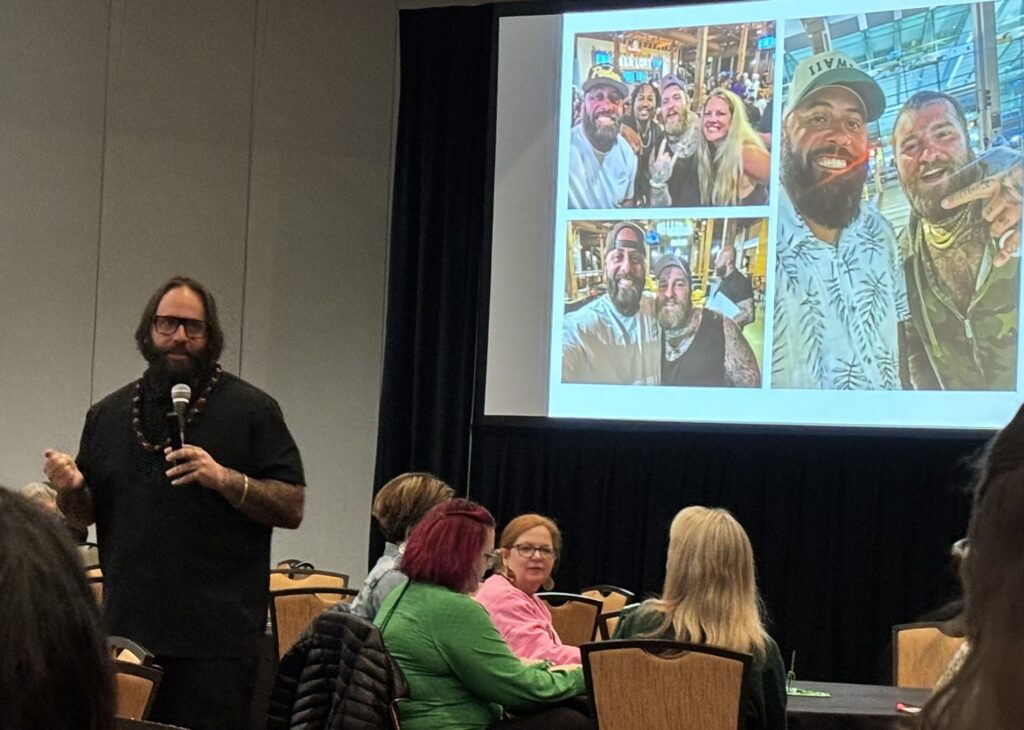
Driving home, Smith reflected on how that experience made him feel. It didn’t cost anything to be kind. It didn’t require a program or initiative. Rather, it created a genuine sense of belonging that he carried with him and applied in his work.
Before students learn to be successful readers, learners or students, “they have to believe in the person in front of them,” Smith said. This requires that the adult in charge creates a space where each student feels a sense of belonging.
He challenged educators to look beyond intentions and examine reality. Many schools, he noted, operate under an illusion of belonging — a belief that the conditions exist, without evidence to support it. Instead, Smith urged schools to clearly define “belonging.” Without shared definitions, he said consistency across classrooms is impossible.
What does belonging look like in your building and classrooms? How do you measure it? What does it sound like? What does it feel like?
Smith also emphasized that relationships, engagement, respect, and success cannot be left to interpretation. They must be explicitly defined, modeled, and expected from every adult in the building. Nonnegotiables matter, he said, including a simple but powerful one: Every student must feel welcomed by every staff member, every day.
In his search for models that successfully measure and sustain belonging, Smith pointed to an unexpected source — the Savannah Bananas baseball team, whose mission reads: “Fans First. Entertain Always.” Smith brought that mindset back to his staff.
If lessons are boring and do not help students, get rid of them, he said. We have so many tools at our fingertips with technology to create engaging lessons. Why do we continue to use outdated material?
Smith applied this same mindset to the current conference. Adults would not return to a conference filled with disengaging speakers or ineffective sessions, he said. They expect quality, energy, and value. So Smith posed the question, “If we won’t accept this as adult learners, why do we expect students to?”
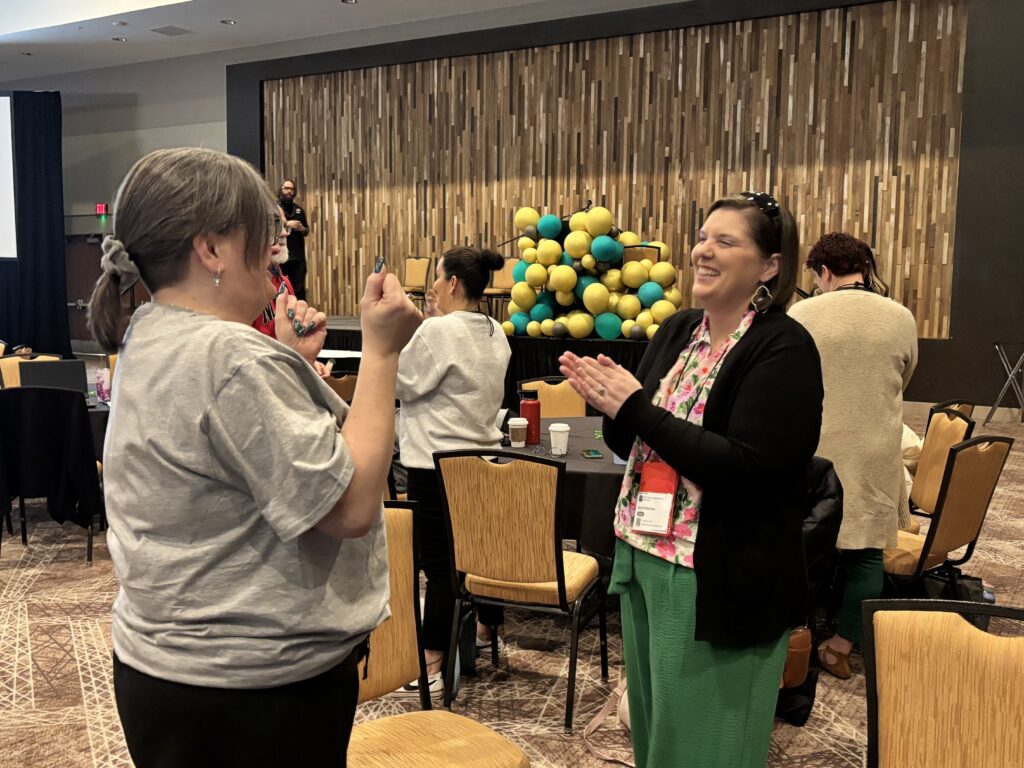
Across sessions, speakers returned to research, instructional practices, and the science of reading. But Smith’s message served as a reminder that even the strongest instruction cannot take hold in the absence of belonging.
When students feel seen, valued, and safe enough to take risks, they are more willing to engage in the hard work of reading and writing. Belonging is not an add-on to instruction. It is the foundation that makes meaningful learning, and lasting literacy growth, possible.


Recommended reading