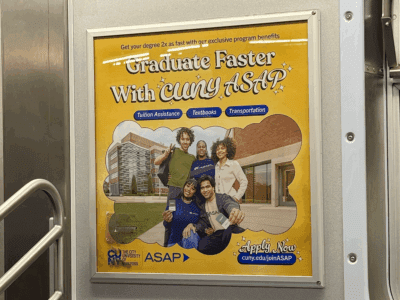
CUNY ASAP, an initiative that provides comprehensive wraparound supports for low-income students, has been shown to significantly increase college graduation rates, spurring replications across the country.
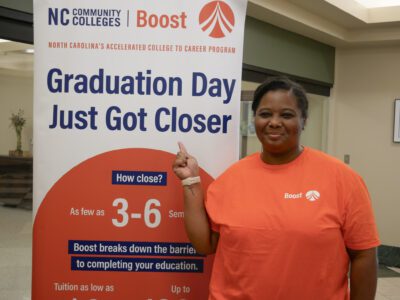
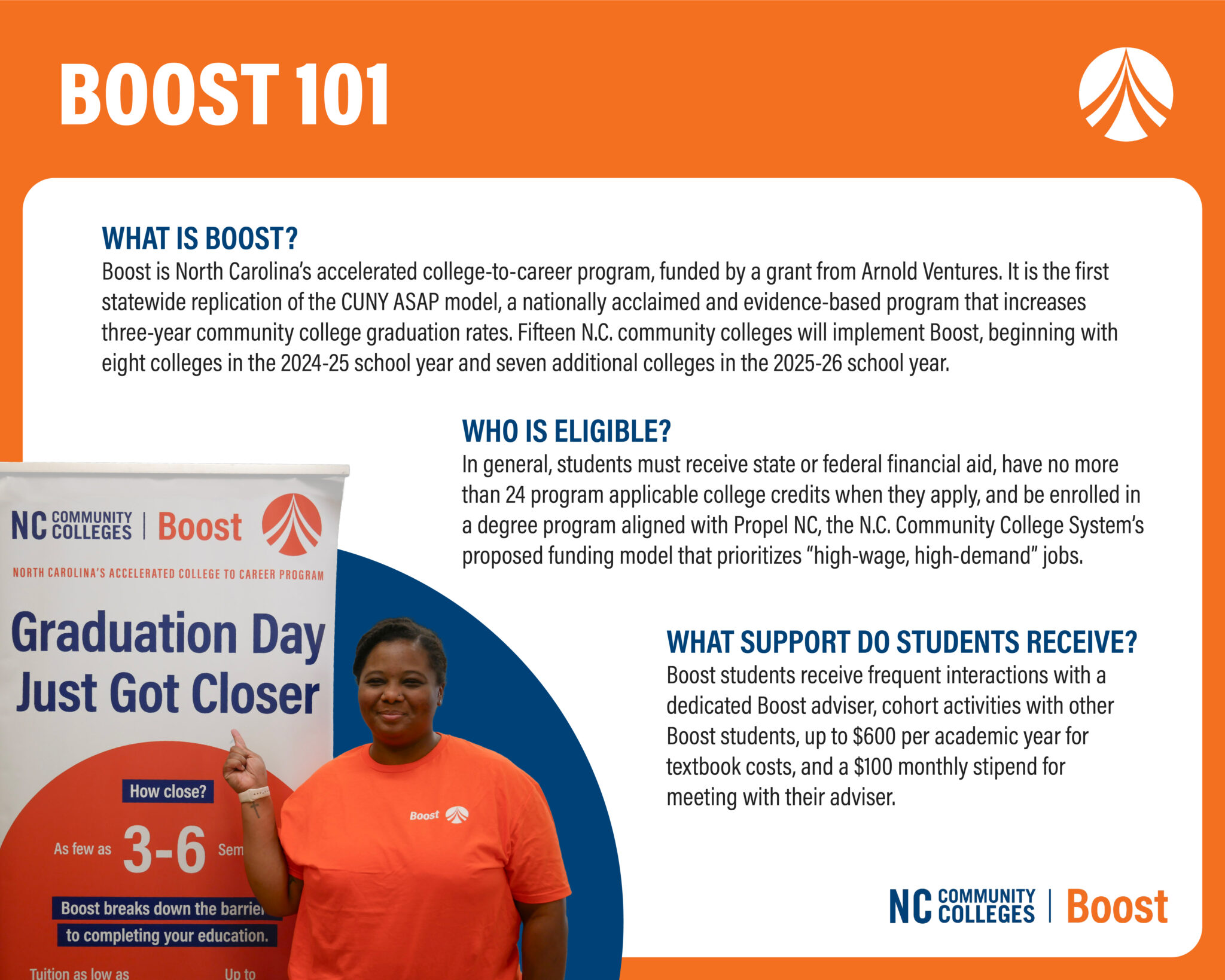
North Carolina’s replication of CUNY ASAP — called Boost — launched in 2025 at eight community colleges, with seven additional colleges joining in fall 2026. The initiative is the first statewide replication of the model, and the first replication designed specifically to meet the state’s workforce needs.
Now, a new report from the Belk Center for Community College Leadership and Research, the research and evaluation partner for Boost, sheds light on initial findings and recommendations for the program.
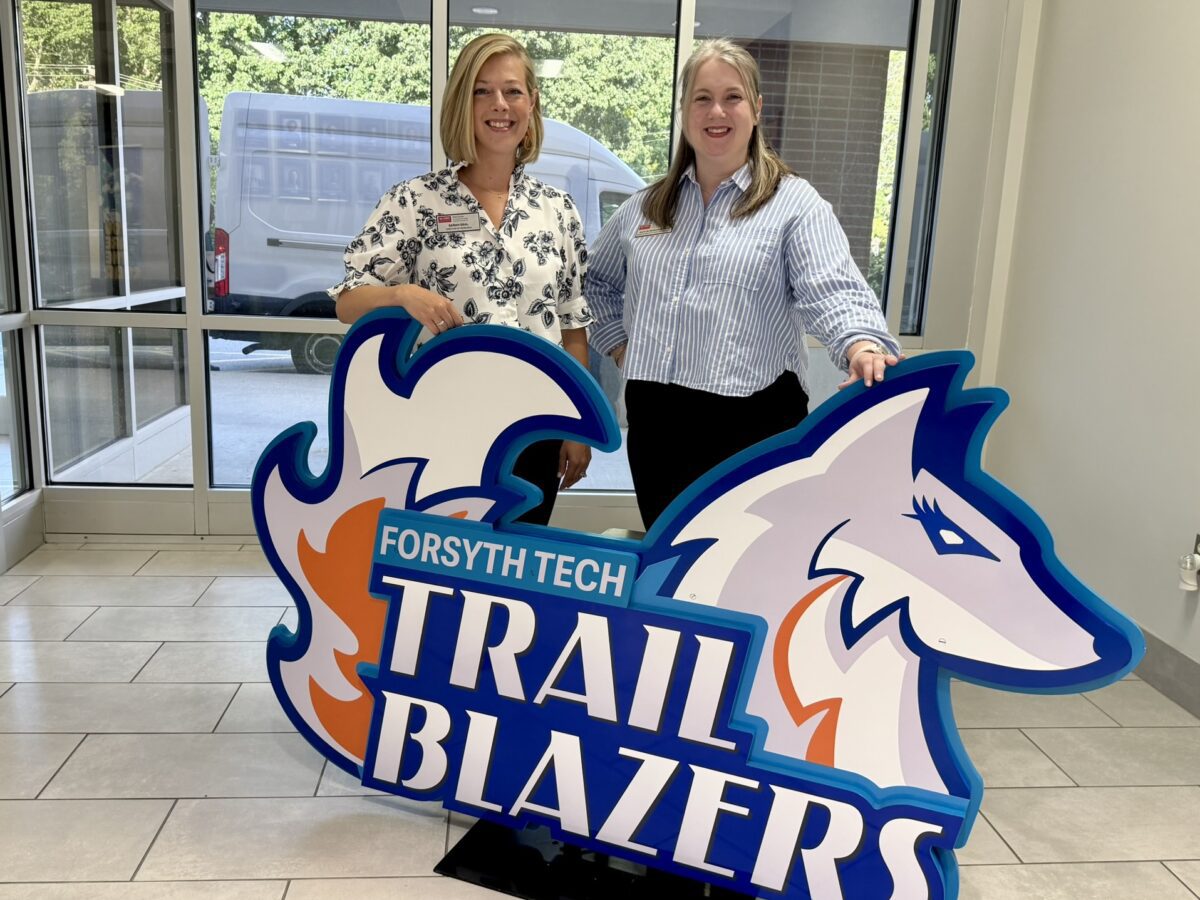
Insights for the report, which is a year one implementation study, were collected through site visits to each of the community colleges implementing the program in fall 2025: Alamance Community College, Caldwell Community College & Technical Institute, Cape Fear Community College, Central Piedmont Community College, Cleveland Community College, Forsyth Technical Community College, Johnston Community College, and Wake Technical Community College
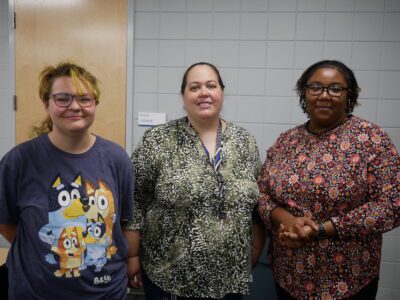
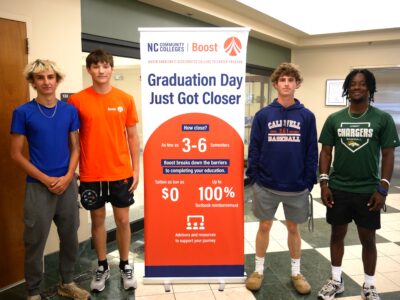
During each visit, Belk Center staff toured campus and held interviews with the Boost director, Boost adviser, and a group of Boost students. EdNC and representatives from the N.C. Community Colleges System (NCCCS) joined the Belk Center on these visits, holding meetings concurrently.
The study was designed to include a “rapid feedback cycle,” according to the report, ensuring that data was analyzed quickly and findings were shared with the individual colleges and the NCCCS in a timely fashion. Each college received a brief with their individual findings within 10-13 weeks after the site visit.
The report’s findings are divided into three sections — staffing, student eligibility and recruitment, and program benefits — followed by a set of recommendations.
Read more about Boost

Staffing
Each college participating in Boost employs a Boost director, who oversees overall implementation, budget, and compliance, and a dedicated Boost adviser, who is assigned a caseload of 150 Boost students.
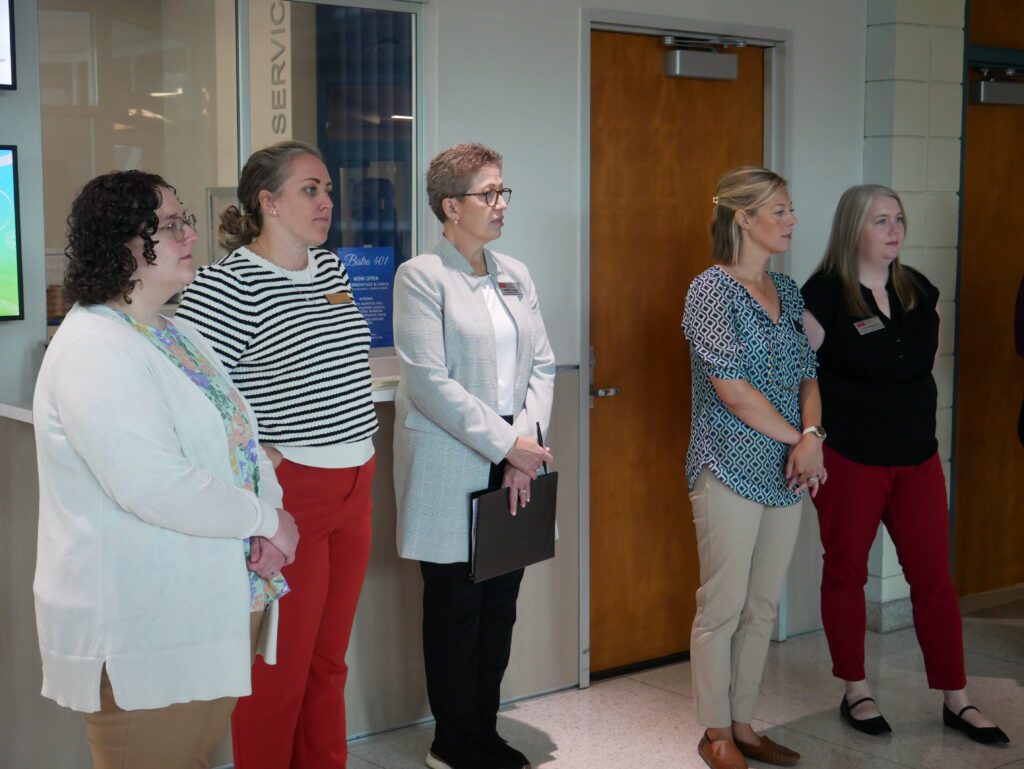
The report finds that, in order for Boost to be implemented successfully, these staff had to build relationships across the college, including with colleagues in financial aid, career services, and more. Developing these relationships was time-intensive yet often the “key to success,” the report finds.
“We know how highly siloed these organizations (community colleges) can be — so this is actually one of my favorite findings,” said Kaitlin Newhouse, senior associate director of research at the Belk Center. “In some cases, these Boost advisers and directors were brand new … they had no clout or history on campus, and they were having to work really closely with the business office, the bursar, the bookstore, folks at the VP level, in order to get students the resources that were promised to them.”
According to Newhouse, Boost staff had to use purposeful and consistent efforts to forge these connections, including stopping by colleagues’ offices in person and setting up meetings that included all key stakeholders. Boost staff also worked to collaborate with faculty, spreading word about the program by attending faculty orientations, tabling at registration, and engaging with faculty associations.
Student eligibility and recruitment
Each college aimed to enroll 150 students in the first year of Boost. This required marketing the program, collecting student applications, assessing eligibility, and enrolling eligible students.
To enroll in Boost, students have to meet a variety of eligibility requirements, including being a North Carolina resident, receiving state or federal financial aid, having no more than 24 program-eligible credits already earned, and enrolling in a degree program aligned with high-demand, high-wage jobs, as determined by Propel NC.
According to the report, many colleges leveraged customer relationship management (CRM) tools to identify potentially eligible students and send them personalized recruitment contacts. Although this technology allowed for the easy distribution of mass email campaigns, the report finds that “relying too heavily on automated contact may not capture the interest or attention of all eligible students.”
Instead, colleges found that in-person efforts, including attending registration events and visiting classrooms, resulted in the most applications.
“(We) were a little bit surprised initially that the program seemed to be kind of a hard sell,” said Newhouse. “There are so many incredible benefits to the program, that most of them (students) thought it was fake. They had never heard of it before.”
While CRMs were necessary to cast a wide enough recruitment net, Newhouse said, relying on technology alone wasn’t sufficient to close the loop with all students.
“It was really the personal touch — getting a phone call, getting tracked down, seeing somebody on campus at a tabling event — that it seemed like really was the thing that moved the needle on recruitment,” she said.
Program benefits
Students participating in Boost receive a variety of wraparound supports, including frequent interactions with a dedicated Boost adviser, cohort activities with other Boost students, up to $600 per academic year for textbook costs, and a $100 monthly stipend for meeting program requirements.
With caseloads capped at 150 students — often far lower than the typical average at a community college — advisers have the capacity to provide comprehensive, personalized support.
The report finds that relationships with the Boost adviser and director were “some of the biggest draws for students,” adding that first-time students found the adviser to be an “anchor: someone who checked in regularly, offered encouragement and helped them chart a clear path to completion.”
“The adviser was able to help untangle things that weren’t going well for students already — things like students were already enrolled in the wrong classes,” said Sarah Deal, director of research at the Belk Center.
Since Boost advisers map students’ coursework all the way to graduation, they can quickly identify if students are enrolled in the correct classes, compared to traditional advising that might only consider the current semester, Deal said.
This finding is particularly notable because the Belk Center conducted site visits early in the fall semester, which demonstrates how quickly relationships with students were built.
“Even in the early days when we were on campus, students were telling their Boost adviser, after a couple of weeks, about their housing insecurity or about having just gotten pregnant,” said Newhouse. “Having that go-to person that you knew you could tell things about your degree, about your financial aid, about your personal life … really speaks to the tremendous work early on that advisers were doing to cultivate trust and to really get to know the students.”
Recommendations
The report concludes with a set of recommendations related to policies and procedures that the NCCCS could consider to strengthen the program. Deal said the structure of the study’s site visits allowed researchers to understand the context of the program deeply enough to provide recommendations that are relevant and actionable.
“Our goal was to come alongside the colleges the whole time, so that when we set a recommendation, it was possible,” she said.
Recommendations include:
- Find ways to communicate the full and accurate financial aid picture to students.
- Create and/or inform protocols and strategies to ensure the right people have access to advising technology and data.
- Expand textbook supports to be more accessible.
- Facilitate continuous training and development opportunities for advisors and directors to both learn and build community.
- Clarify program marketing and reduce use of “accelerated” descriptor.
According to Deal, many of the recommendations have already been acted upon, such as improving data and technology access for Boost staff, holding communities of practice for Boost directors and advisers to learn from each other, and expanding the definition for how the textbook stipend can be spent.
“Our colleagues (at the system office) are as critical to the success of the program as the individual folks on campus — if they can’t be responsive to what the colleges are saying, the colleges can’t be effective, and if we can’t help them do their job, then the recommendations are irrelevant as well,” said Audrey Jaeger, executive director of the Belk Center.
Looking ahead
In addition to implementation studies, the Belk Center’s multiyear evaluation of Boost will include a study on economic costs and impact and a study on educational impact.
In fall 2026, the Belk Center team will visit each of the seven new colleges joining Boost to study program implementation. That includes Central Carolina Community College and six other colleges participating through two consortia.
The western consortium will include Isothermal Community College (the lead college), Western Piedmont Community College, and McDowell Technical Community College, and it is expected to serve 150 students per year.
The eastern consortium will include Robeson Community College (the lead college), Sampson Community College, and Bladen Community College, and it is expected to serve 275 students per year.
Read the full report below.

Recommended reading