
Breaking down transportation barriers in rural communities

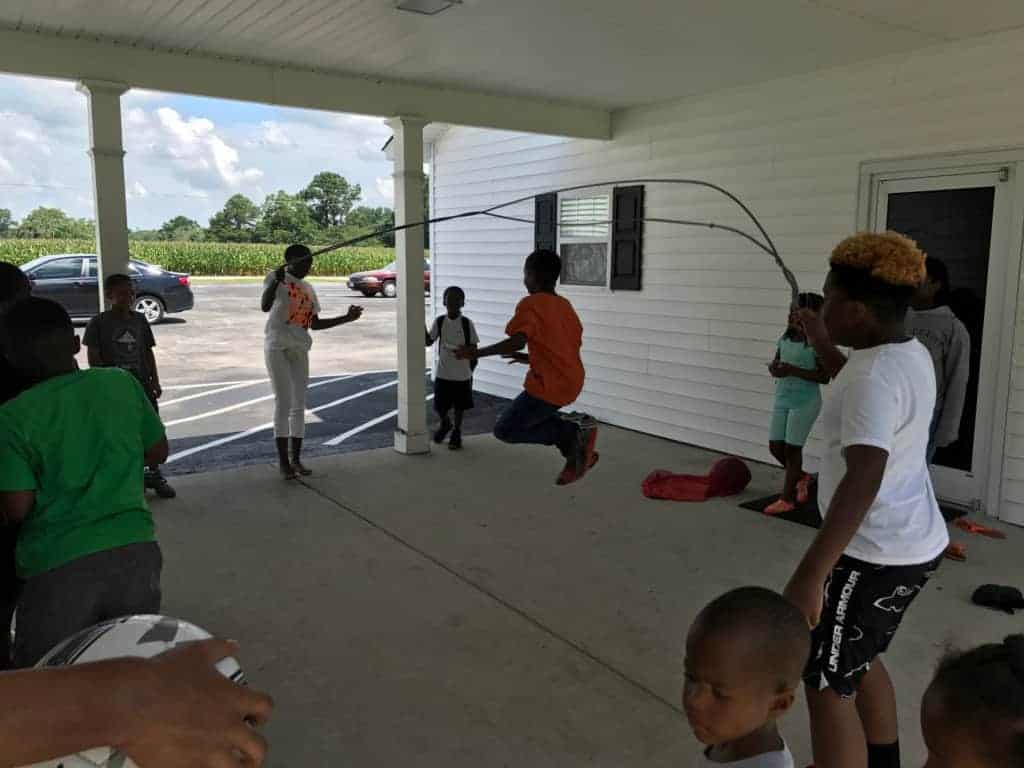
Tucked between corn fields and U.S. Route 70 is the Bryant Chapel AME Zion Church in Cove City, North Carolina. The nonprofit Adelphia CDC, in partnership with the church, offers one of the 160 Kids Summer Meals sites sponsored by the Food Bank of Central and Eastern North Carolina.
What sets this site apart from so many others is its approach to tackling the transportation barrier that may prevent many students in a rural community from accessing no-cost summer meals. If the students in Cove City can not get to the church, the church comes to them.
Every day this summer, Rev. Stephanie Hargett, director of evangelism at Bryant Chapel AMEZ Church, drove a church van along a 28-mile round-trip loop. Along the way, she stopped door-to-door at the homes of children in the community who wanted to attend the summer meals program.
Establishing this pick-up program for their summer meals site was no easy feat. Before the summer began, Hargett and her team advertised the program through the school system and social media and spent time in the surrounding communities to spread the word about the program and build trust about their intentions.
“It was key to put a face to our work and develop relationships with community members,” Hargett said. “I used local contacts that knew the neighborhoods well, and who knew where the children were.”
This program launched after church leadership recognized a need in their community could be met with the assets they already had available. A building that would otherwise go empty, meals provided by the Food Bank of Central and Eastern North Carolina, two church vans and a dedicated group of volunteers come together every weekday to provide about 30 students with healthy meals and meaningful enrichment activities.
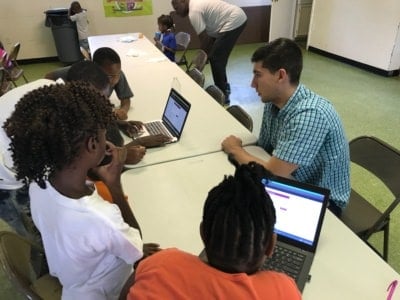
Around 11 am, students are dropped off at the church eager to eat lunch and engage in activities with their peers. Students may choose to participate in yoga classes, weekly dance lessons, outdoor sports with local ROTC volunteers, indoor board games and many other activities.
Rev. Brian T. Cornelius, one of the site directors, emphasized that the summer meals program has allowed them to reach an entirely new group of people – not by promoting a specific religion, but by meeting their expressed needs.
“I stress that this program is unconditional,” Cornelius said. “There’s nothing they have to do besides be human and in need of food.”