
National survey finds supportive communities make a difference for LGBTQ+ youth

This article discusses LGBTQ+ mental health, suicide, and bullying. If you or someone you know needs help, reach out to the National Suicide and Crisis Lifeline by calling 988. Queer and questioning youth in need of support may call, chat, or text with crisis counselors at the Trevor Project.
The Trevor Project, a nonprofit working toward suicide prevention and mental health advocacy for LGBTQ+ youth, has released its sixth annual National Survey on the Mental Health of LGBTQ+ Young People for 2024.
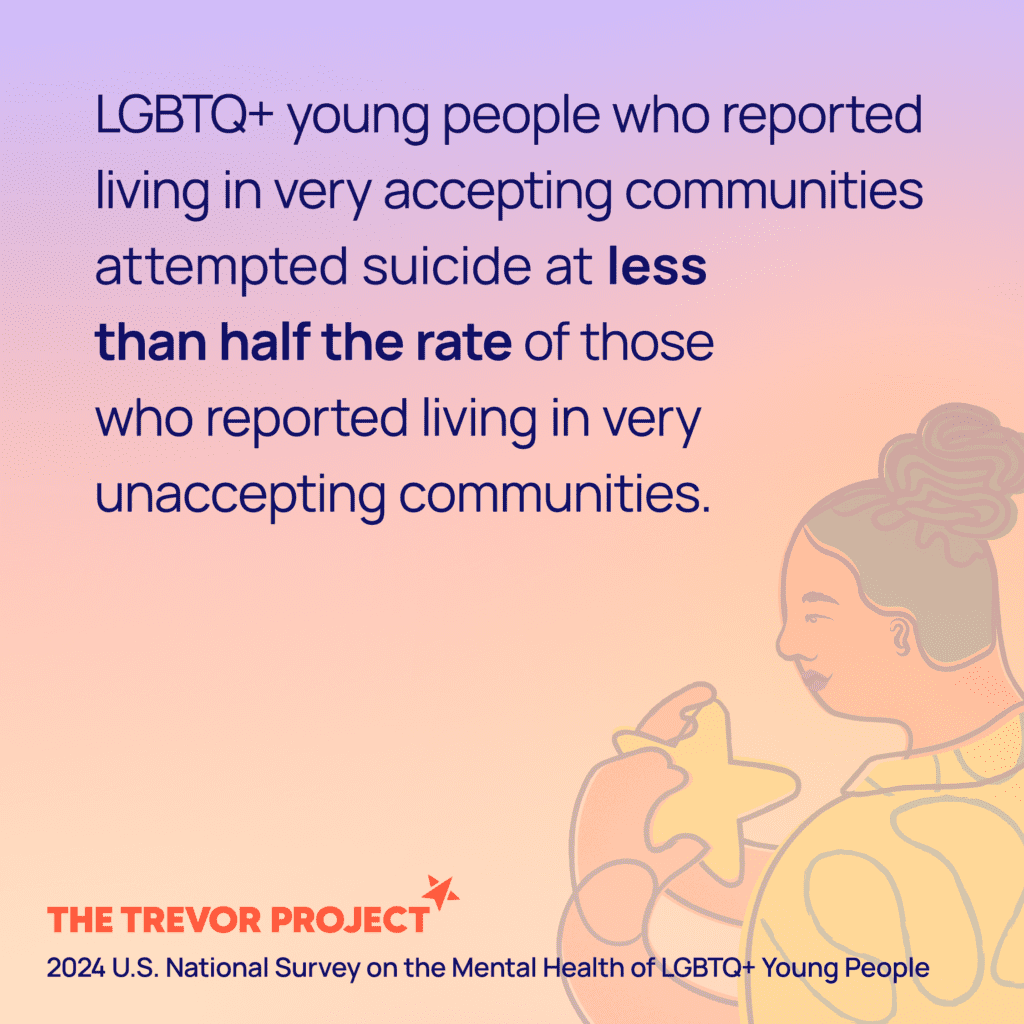
While the survey found that high numbers of LGBTQ+ youth deal with mental health issues such as anxiety, depression, and suicidal ideation, those living in supportive and affirming communities and schools reported lower rates of attempted suicide.
The survey comes amid recent legislation that advocates say target LGBTQ+ students in North Carolina, such as Senate Bill 49, known as “The Parents’ Bill of Rights,” and House Bill 574.
 Sign up for the EdWeekly, a Friday roundup of the most important education news of the week.
SB 49, among many other things, requires school personnel to notify a student’s parents if they change their name or pronouns at school while also prohibiting instruction of sexuality and gender in kindergarten through fourth grade. HB 574 bars transgender athletes from playing on sports teams aligned with their gender.
Brennan Lewis, education policy associate for Equality NC, said their organization has had many students report feeling unsafe and unwelcome at school as a result of this legislation.
“We’re definitely hearing from students that are scared or frustrated about the way that the new policies have been impacting them,” Lewis said. “And I think we’re really in a moment where it’s sort of a challenging space for all students in K through 12 schools in North Carolina, as far as mental health and still handling the lasting impacts of the pandemic and what that did to learning.”
Survey results
The report details the mental health status of American LGBTQ+ youth based on a survey of more than 18,000 LGBTQ+ young people ages 13 to 24 within the United States over the past year.
Of these LGBTQ+ youth:
- 66% reported anxiety symptoms
- 53% reported depression symptoms
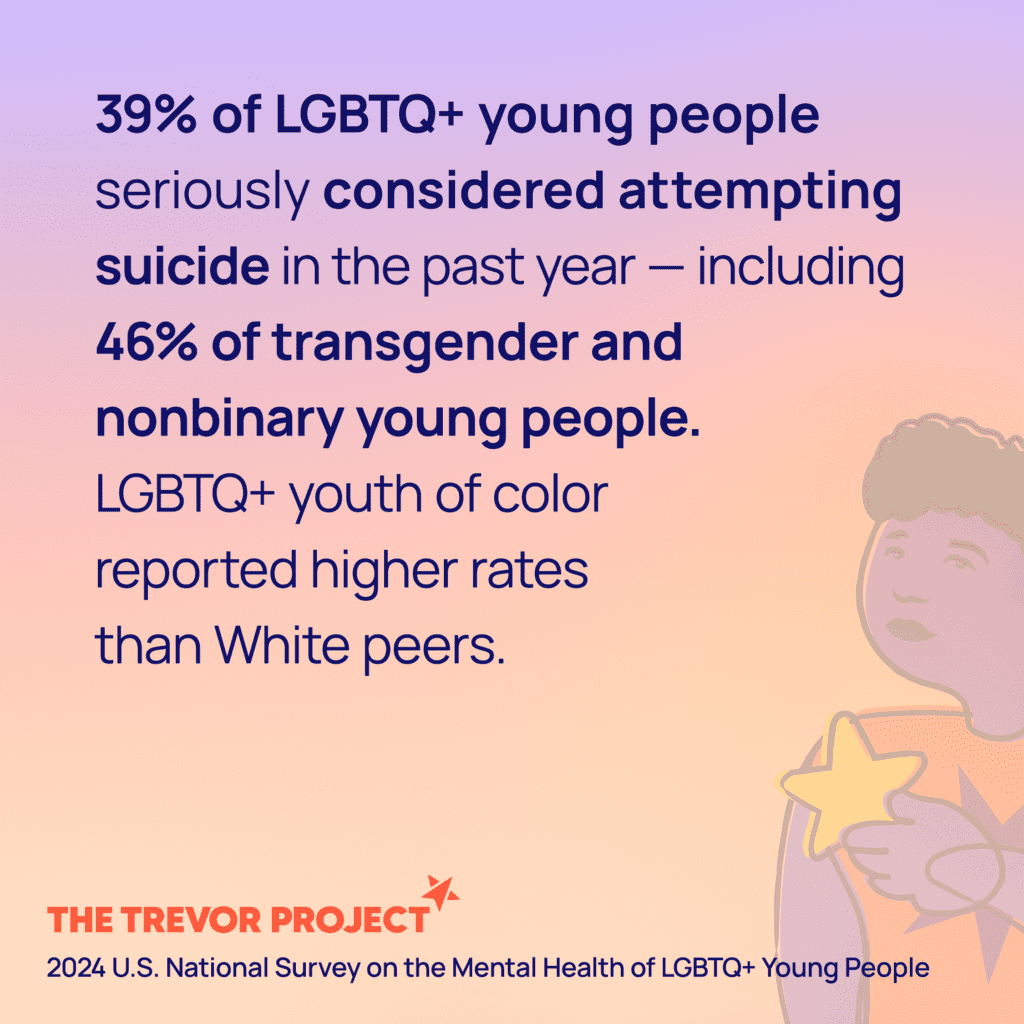
- 12% reported attempting suicide, and 39% “seriously” considered making a suicide attempt
Of this total, 46% of transgender and nonbinary young people seriously considered attempting suicide. Queer youth of color were also more likely to report having made this consideration than their white counterparts.
Other notable findings included:
- The vast majority of LGBTQ+ young people reported that “recent politics” have taken a negative toll on their overall well-being, at 90%. Anti-LGBTQ+ politics and legislation prompted 39% of LGBTQ+ young people or their families to consider leaving their state. That number was 45% for transgender and nonbinary youth and their families specifically.
- Just over half of transgender and nonbinary youth reported attending a gender-affirming school, at 54%. These young people people reported lower amounts of suicide attempts.
- 49% of queer students ages 13 to 17 reported being bullied. Those who were not bullied reported lower rates of attempting suicide.
What does a supportive school look like?
Queer students are less likely to report attempts of suicide when they are surrounded by a supportive educational environment. The Trevor Project released a report in August 2023 detailing attributes of what makes a supportive school environment for LGBTQ+ youth.
Affirming and supportive schools work to prohibit bullying based on sexuality or gender while carefully implementing Title IX to prevent discrimination and promote equal access to school amenities and extracurricular activities, such as athletics, according to the report.
Supportive schools also promote allyship among faculty and staff while providing training to school personnel on how to create an inclusive and safe environment, the report said. This also includes encouraging clubs for LGBTQ+ students and allies, promoting queer mental and physical health, and providing resources to families and students.