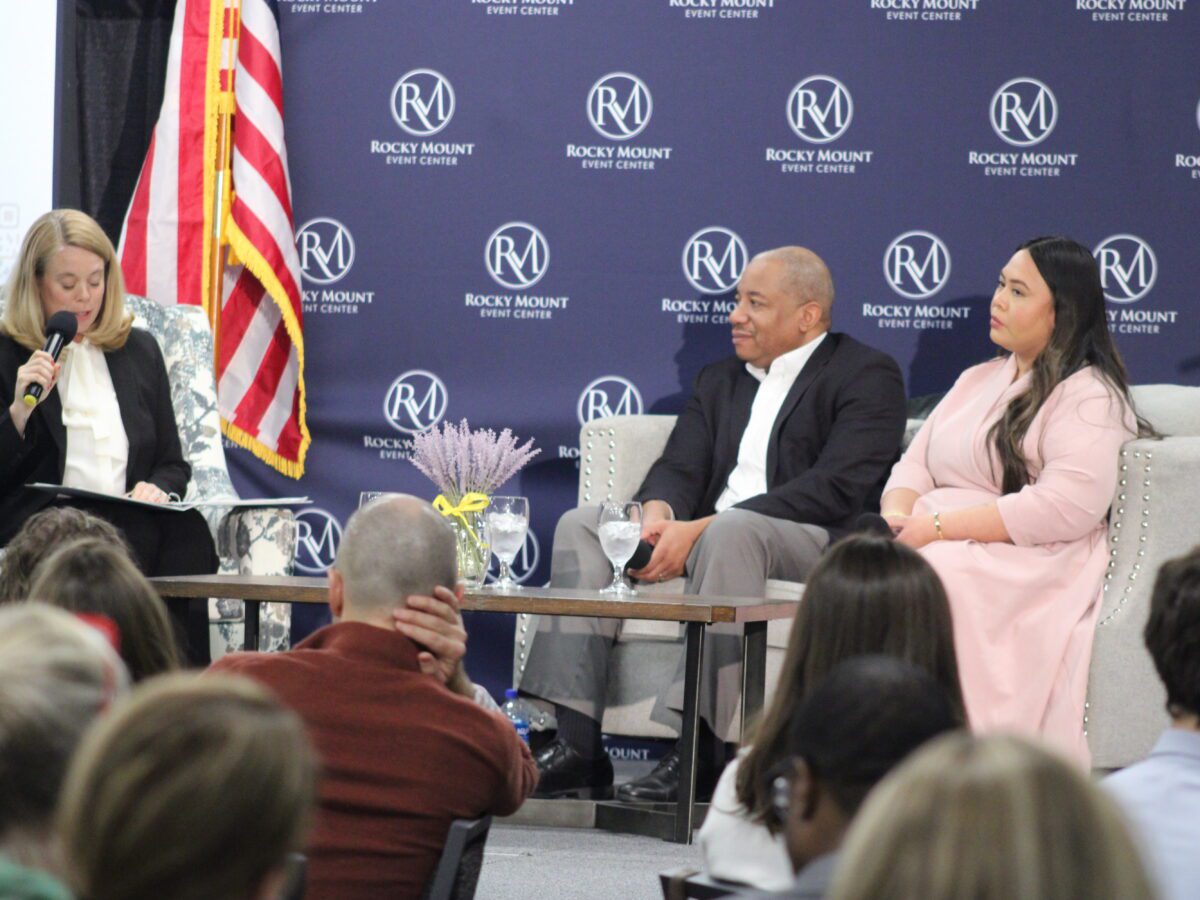
Teach For America North Carolina (TFA NC) hosted a panel discussion on Monday about the future of education with state leaders at the Rocky Mount Event Center.
The conversation was led by TFA NC Executive Director Robyn Fehrman, who said this was part of a series of events TFA NC is hosting with the Rocky Mount Area Chamber of Commerce to celebrate the work being done in North Carolina public schools. State Superintendent Maurice “Mo” Green and 2025 Burroughs Wellcome Fund State Teacher of the Year Rachel Candaso were guests on the panel.
 Sign up for the EdWeekly, a Friday roundup of the most important education news of the week.
TFA NC works to “expand educational opportunities for students in North Carolina,” according to its website.
Since 1990, TFA NC has recruited over 4,200 first-year corps members, according to its 2024-25 impact report. The organization also said that it continuously supports alumni through local programming and professional development.
“At Teach For America, we’re working for the day when all children have the opportunity to attain an excellent education,” Fehrman said at the event. “We know that day is possible, and we believe that leadership is the key to reaching that vision. That leadership starts in the classroom, and in order to attract and retain our top talent across this country and across North Carolina, we certainly know that we need a culture where teachers are revered.”
In a press release, the organization cited recent state data on educator vacancies as driving their sense of urgency and reason for the discussion regarding teacher recruitment. On Monday, Fehrman said North Carolina educators should be respected, paid a living wage, and given opportunities to advance in their careers.
As a TFA NC alum, Candaso said she attributes her success as an educational leader to the program. When beginning teachers feel isolated, she advised them to find ways to celebrate and share the good happening in their schools.
“I’ve had the opportunity to do this storytelling fellowship with Teach For America, and that really taught me the importance of leveraging social media to share what’s happening in our public schools,” Candaso said. “And so I just think utilizing those tools that are out there is just such an incredible way to share the good that’s happening, because sometimes you don’t get to see that in typical media.”
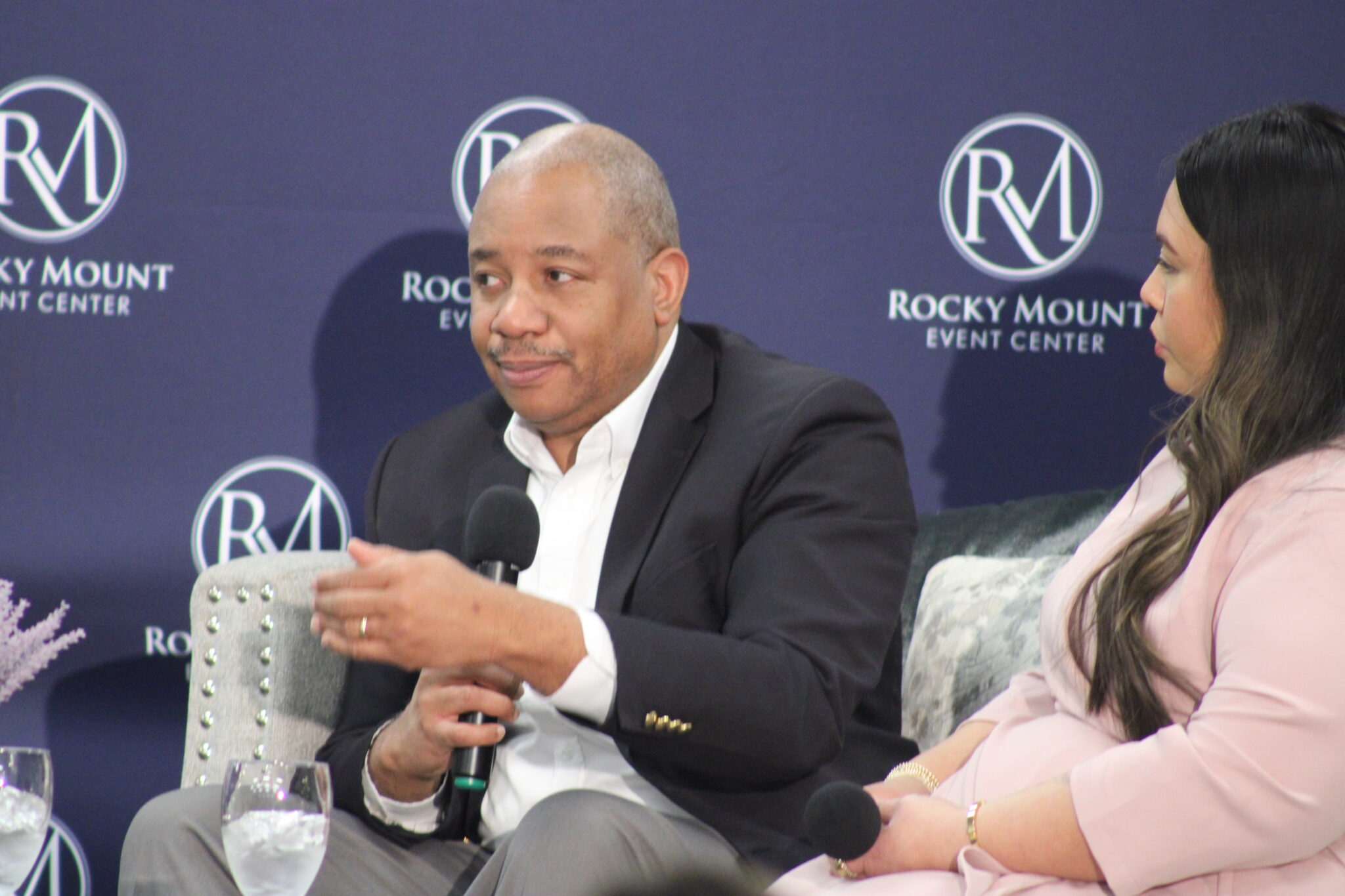
The panel’s audience included TFA NC alumni and stakeholders. During the discussion, Green mentioned that one of the goals of the Department of Public Instruction’s (DPI) strategic plan is to make the North Carolina public schools system the “best in the nation” by 2030.
“Perhaps the most critical component” of that goal, he said, is educators. He said teachers must be compensated at a higher rate — noting they are making less than they were 10 years ago when you account for inflation.
Green also said that over time, navigating the teaching licensure process has become increasingly complex. Just this month, the State Board of Education announced a task force to look into how to streamline and reform the state’s teaching licensure model. Green also cited “grow your own” programs as a way to take members of the education community and produce more teachers.
“We also then have to change the atmosphere for educators, right? I believe there was a time where educators were indeed revered in our communities,” Green said. “We have lost our way, and so we have to get it back.”
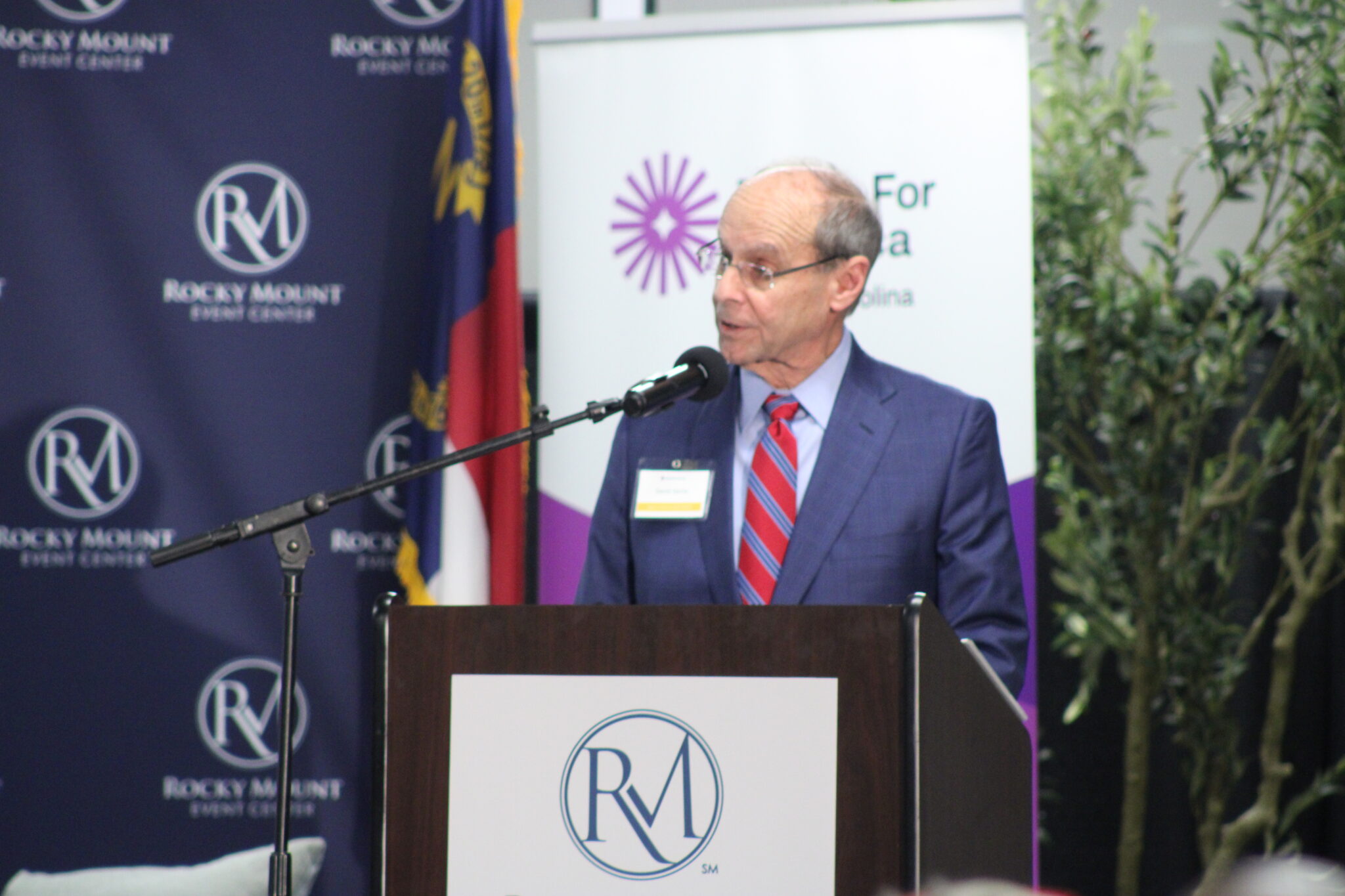
David Farris, president of the Rocky Mount Area Chamber of Commerce, said it is especially important to recruit teachers in eastern North Carolina. He added that the education system must also be able to keep up with changes that industry and business need.
Read more


Fehrman then asked the panelists about where they see the state positioned in terms of what the future of artificial intelligence (AI) tools in the classroom. DPI released an official set of AI guidelines in 2024.
“I will tell you where I think we are as a state in this true exploration phase, right? Where educators are being given opportunities to try different things using that guidance,” Green said. “And we’ll sort of see where things go with it, rather than to simply say, ‘No, don’t do this. Don’t do that.’ Here’s some guidance. Here’s some things to think about, but let’s explore.”
Candaso said that she believes that AI is a tool that can help educators build human connections. To do that, it can start by saving teachers some time.
“AI is a tool for us to use, whether it’s creating lesson plans or differentiating information or translating information for our students,” she said. “It’s a tool for us to explore and apply as educators in our classroom with the work that we do, so that we have more time with our students to build those human connections.”
During a pre-panel interview, Green said that educator preparation programs (EPPs) can help beginning teachers learn how to lessen their loads with AI and prevent inappropriate uses.
“I do believe that EPPs can assist teachers in understanding these tools, being comfortable with them, and bring them into our classrooms,” he said. “The last thing I’ll say is I do think that our EPPs also have to be sure that they’re helping our teachers teach ethics and appropriate use of technology.”
To conclude the panel, Fehrman asked how the state can ensure students in rural areas are as prepared for the next phase of life as their urban counterparts.
Candaso responded by saying the best thing that a member of the business community can do to help is support public schools. She gave the example of First Flight Credit Union donating the use of a financial literacy program to Wellcome Middle School in Pitt County Schools.
“Come in and volunteer, whether it’s giving financial support or inviting a classroom in for a field,” Candaso said. “It really helps our students see the opportunities that are within their backyard.”
The event concluded with TFA NC asking the audience to support its mission.
Dr. Felisha Whitaker, director of secondary education in Edgecombe County Schools, said she related to a comment Candaso made about TFA teachers becoming “rooted in the community.”
“I have high expectations for my students, and so I didn’t need to coax my TFA teachers on why it was important for us to have high expectations for students,” Whitaker said. “They knew that, and they bought into the vision that we had, which was transforming our culture, transforming our school and transforming lives.”

Recommended reading