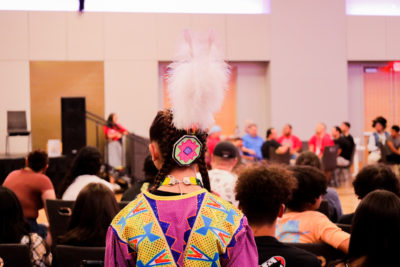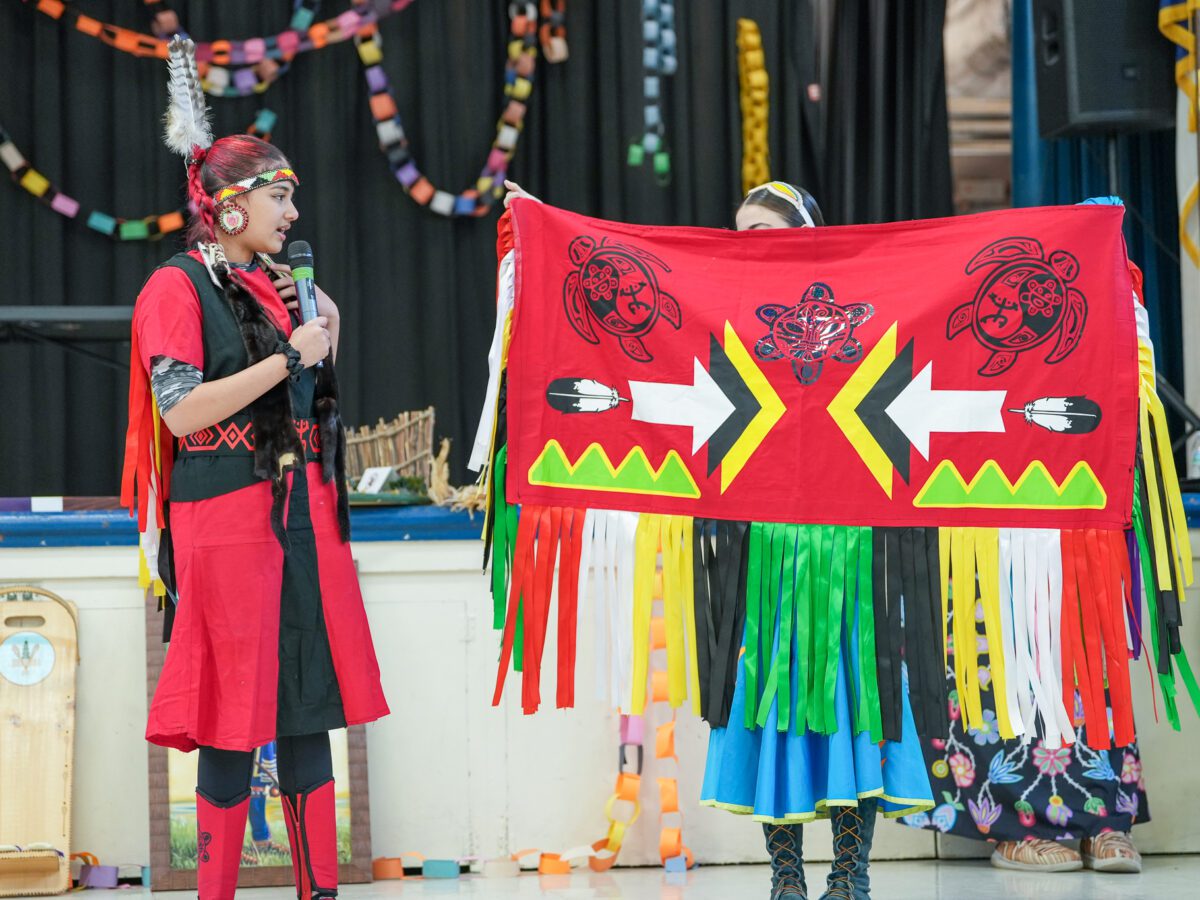
Each November is designated as American Indian Heritage Month (AIHM), a time to celebrate the histories, contributions, and traditions of Indigenous people across the nation. According to the 2020 Census data, more than 130,000 Native American and Alaska Natives call North Carolina home, though many come from nations and tribes who’ve called this land home for much longer.
This year, the North Carolina Museum of History and the North Carolina American Indian Commission hosted a virtual Cultural Education Day to celebrate. The celebration included a collection of storytelling, craft demonstrations, lessons, and music and dance performances from over the years.
Senora Lynch, a master potter from the Haliwa-Saponi tribe, showed students how to make a pinch pot. Chi Shipman, a Cherokee historian and educator, shared her own journey in learning Cherokee language as an adult. Shipman uses her own experiences to teach about Cherokee language, history, and culture. You can watch the full presentation here.
 Sign up for the EdWeekly, a Friday roundup of the most important education news of the week.
Students in North Carolina public schools come from various nations and tribes. This includes students any of the eight state recognized tribes in the state, but also those from other tribal nations across the country and others in North Carolina. Though Indigenous students make up just 1% of students in North Carolina public schools, like other students, they want to see themselves and their cultures appropriately represented in the lessons they learn, the books they read, and the conversations they have with classmates and teachers.
In North Carolina, 18 school districts and two charter schools receive Title VI American Indian Education funds, which equip schools to meet the educational needs of Indigenous students in their districts. According to the most recent report from the State Advisory Council on Indian Education, there were 15,276 Indigenous students in North Carolina public schools during the 2023-24 academic year.
Of those students, nearly 80% attend a school in one of the districts receiving American Indian Education funds. The Title VI American Indian Education program is among many others included in new interagency agreements as part of the ongoing overhaul of the U.S. Department of Education.
EdNC asked Indian Education coordinators across the state how their schools and students celebrated AIHM. You can read about those celebrations below.
Cumberland County Schools
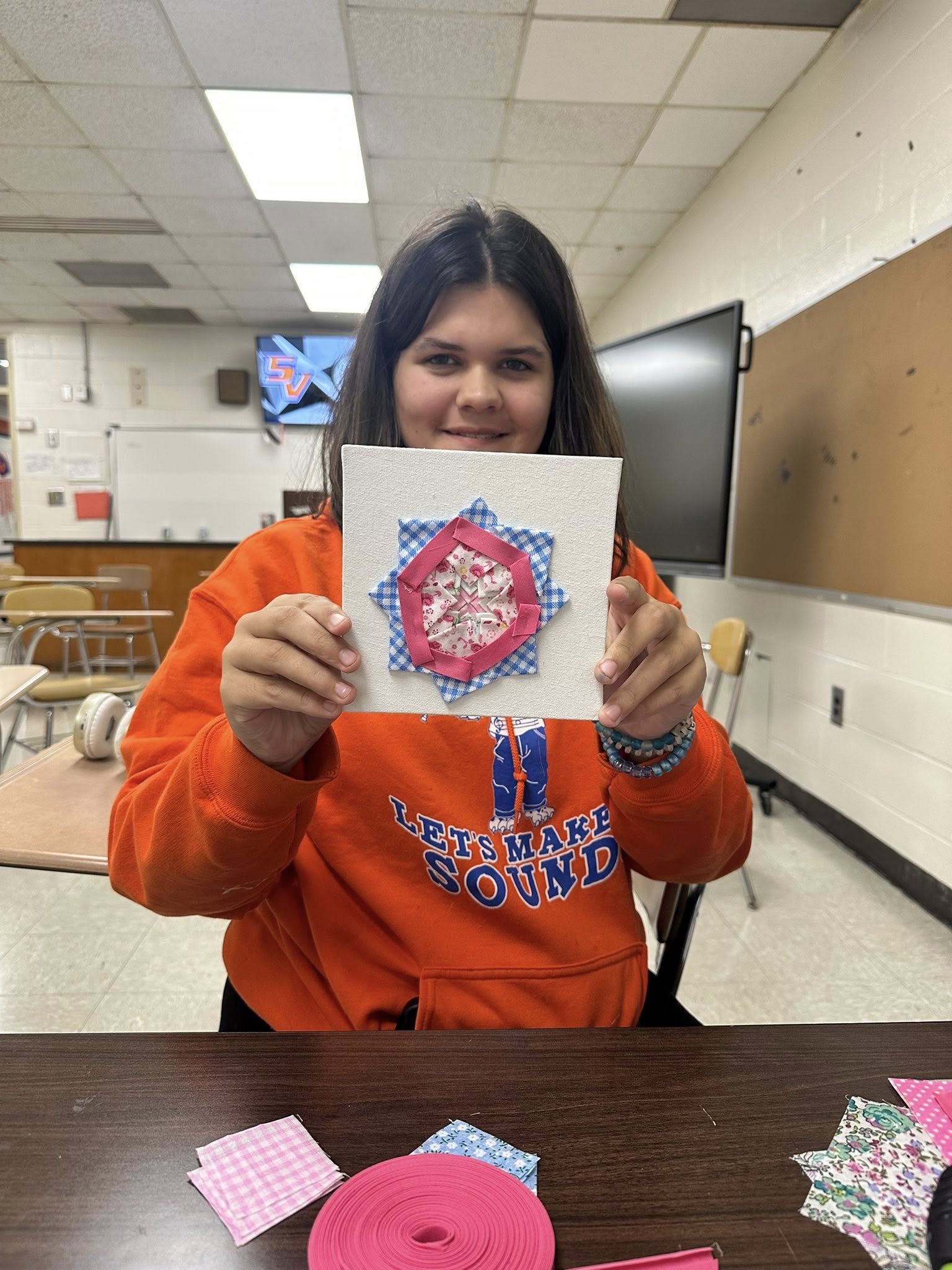
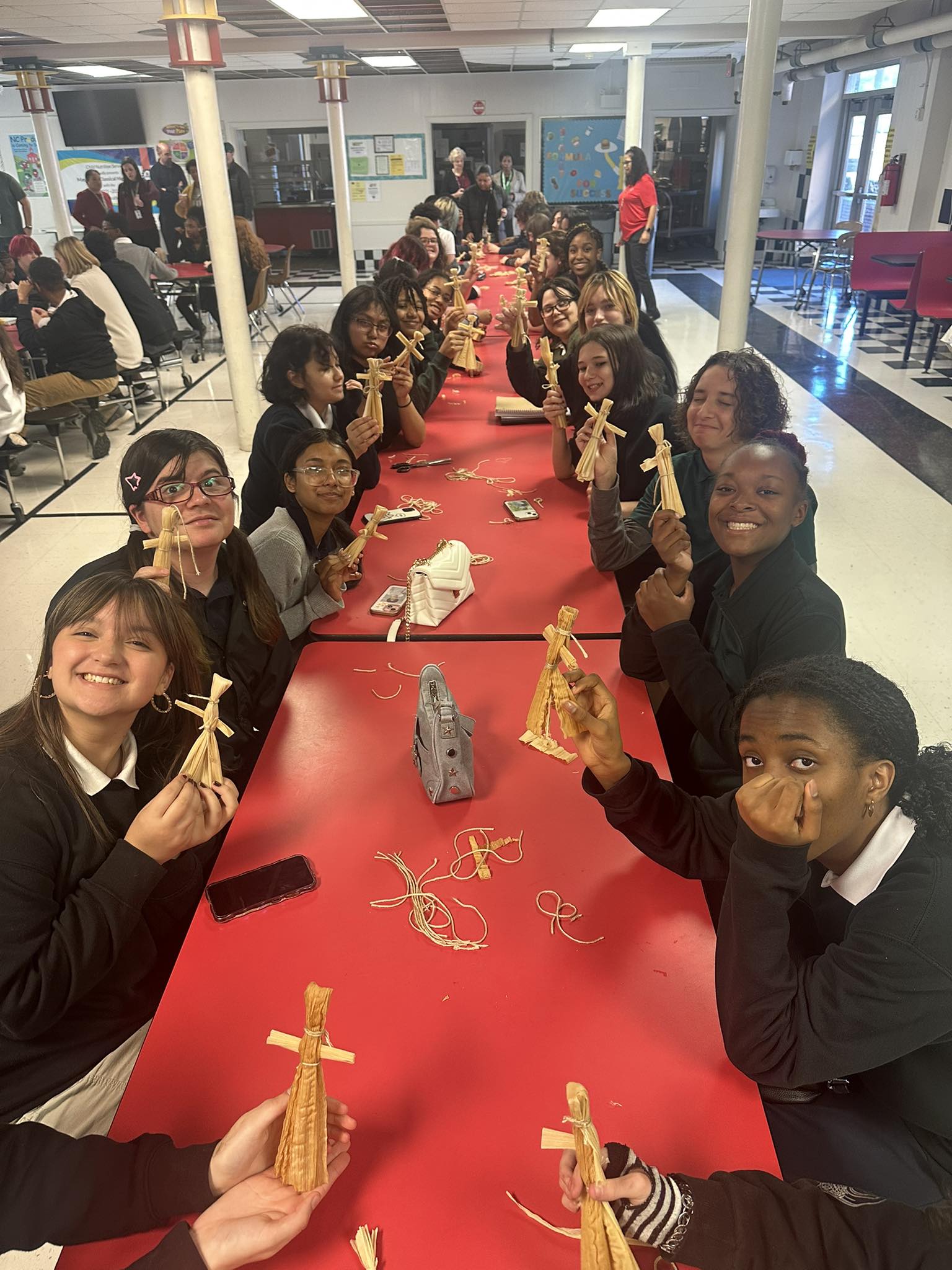
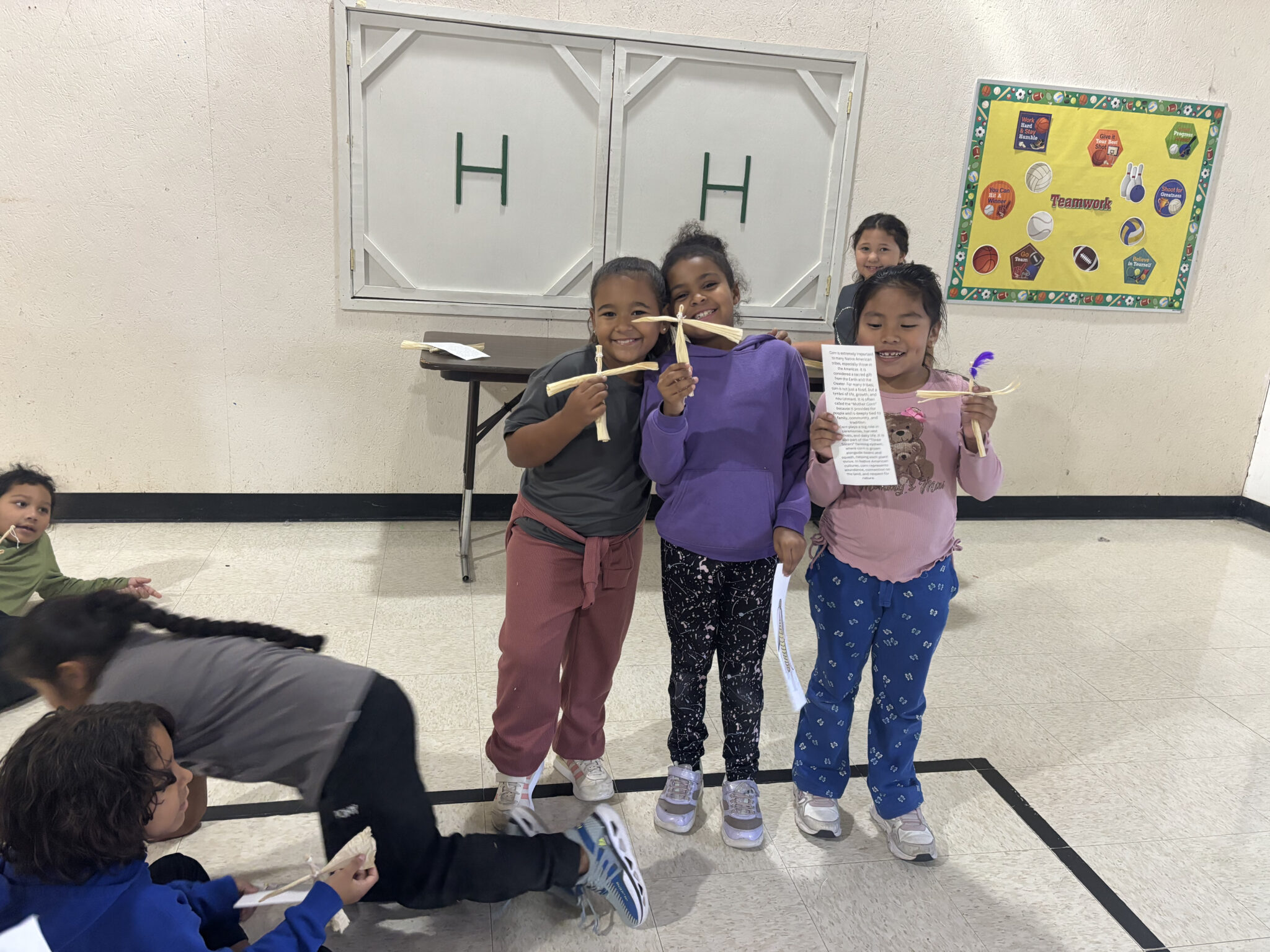
Cumberland County Schools (CCS) offered cultural craft lessons across the district, including creating corn husk dolls, jewelry, pottery, and the Lumbee Pinecone Patchwork design.
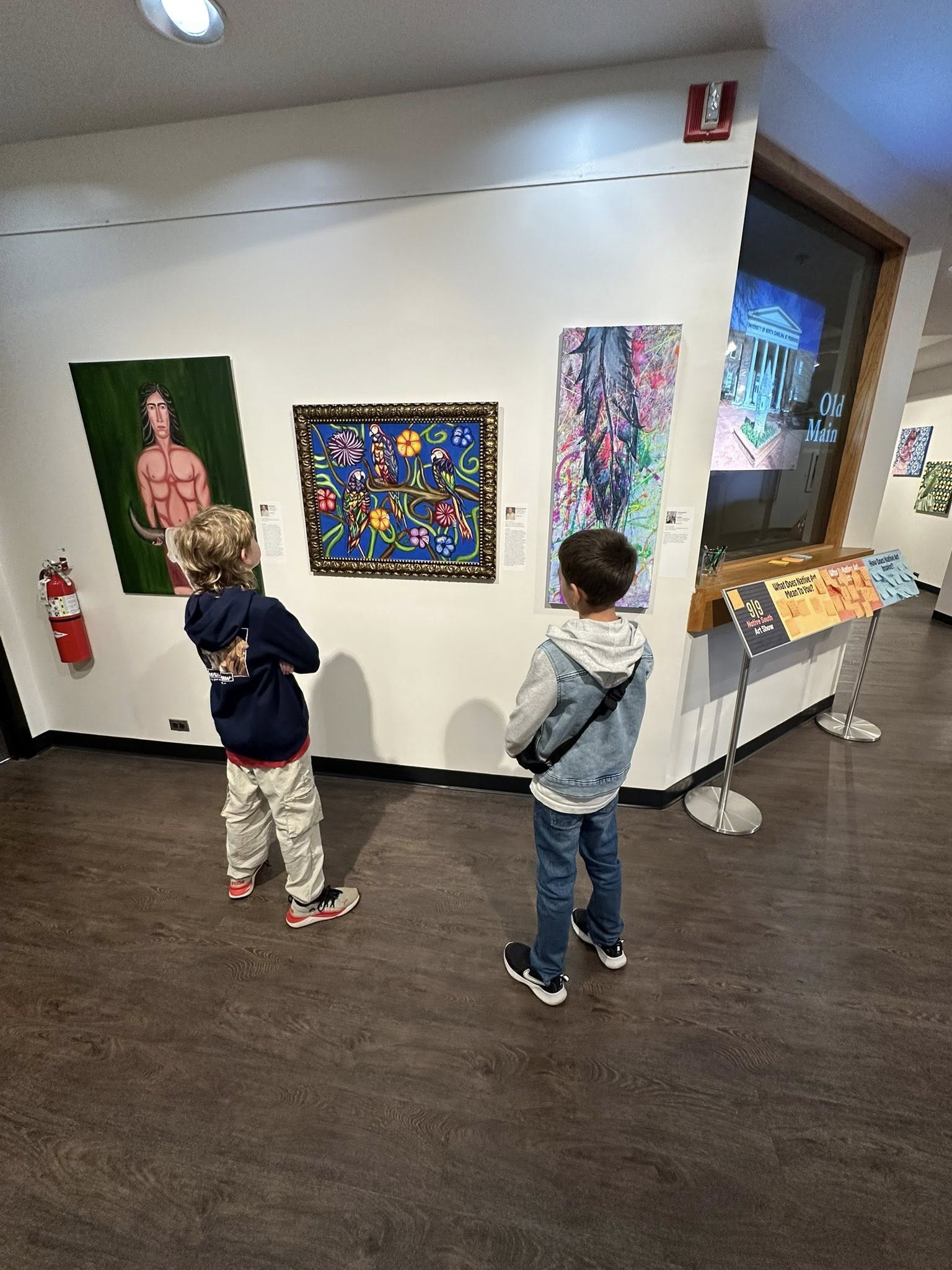
At Jack Britt High School and Massey Hill Classical High School — both in Fayetteville — students organized their own celebrations, which included dance demonstrations, crafts, and a Q&A. The district also offered a powwow showcase for all fourth grade students in the district and a small group of third and fifth grade students attended the Lumbee Cultural Showcase at the University of North Carolina at Pembroke, which included a tour of the Museum of the Southeast American Indian on campus.
Indigenous students comprise 1.3% of the population at Cumberland County Schools.
Hoke County Schools
Several schools in the Hoke County School district hosted programs where students showcased their talents, shared stories, and honored the traditions of Native communities. The district partnered with CTE and hosted a luncheon, giving staff the opportunity to try Indigenous foods.
The district offered workshops highlighting traditional arts like sewing ribbon skirts, creating jewelry and medallions with pine needle work, and painting feathers and gourds.
“These hands-on activities allowed students to connect with their identity, learn from community mentors, and develop new skills rooted in tradition,” said Christina Bullard, the Indian Education liaison at Hoke County Schools.

Public Schools of Robeson County
The Indian Education program at the Public Schools of Robeson County (PSRC) is one of the largest Title VI grant funded programs in the country.
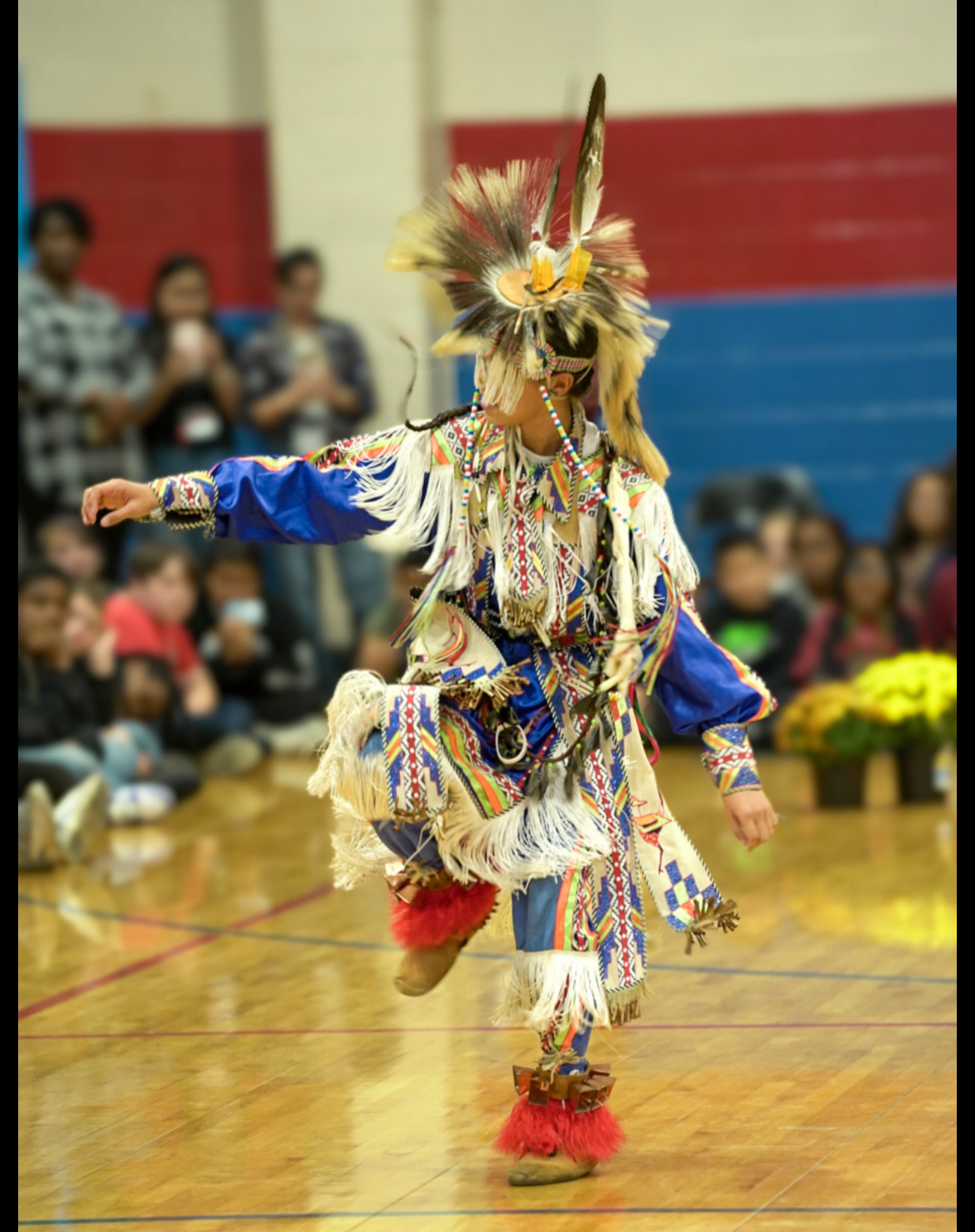
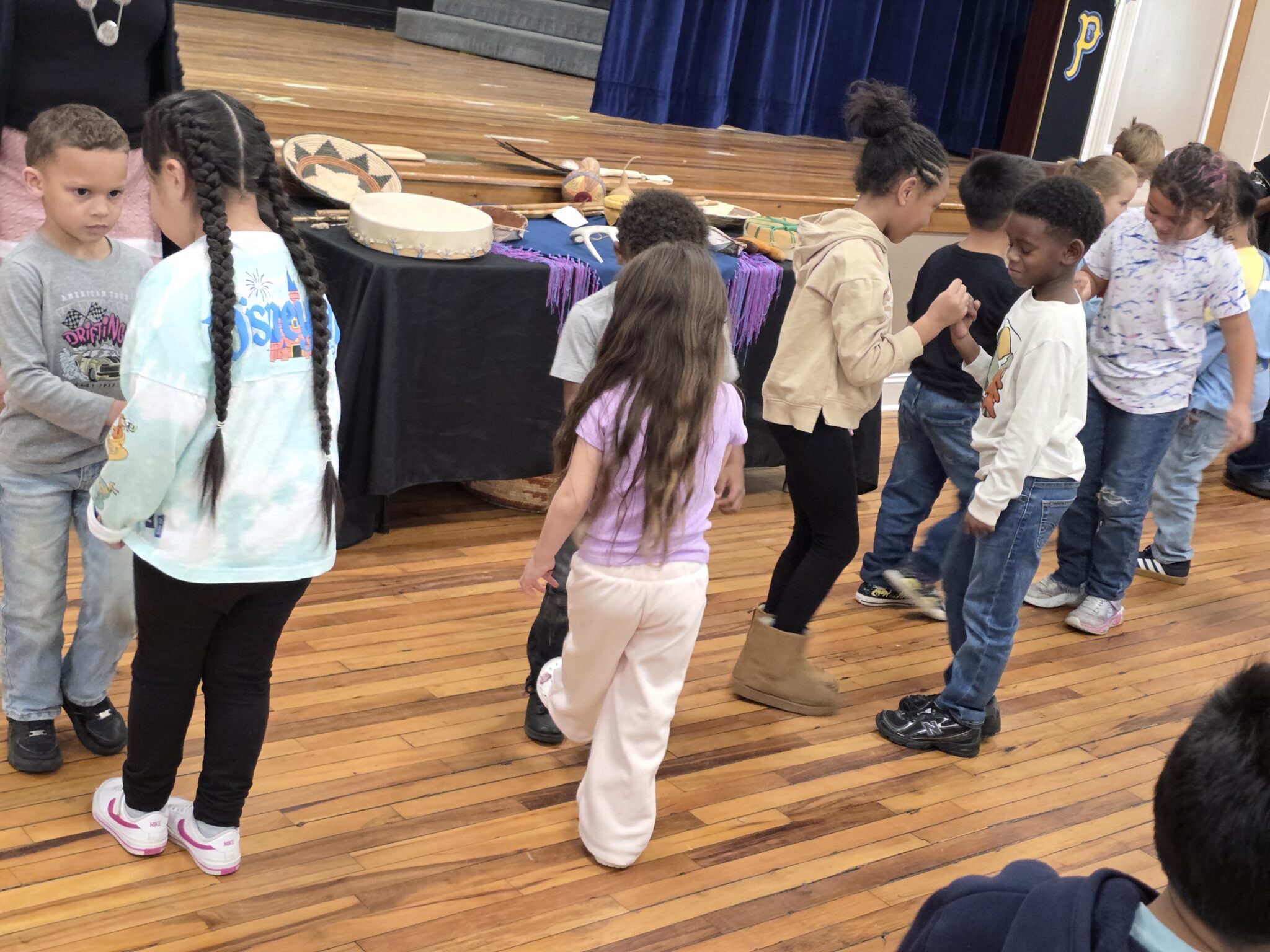
To kickoff AIHM, PSRC hosted Indigenous Foods Day, where a meal was provided by the Indian Education Office. Other programming included dance and cultural presentations, arts and crafts display, Rock Your Mocs day, speaking engagements from Native American leaders, storytelling, a living history museum, a cultural event at Lumbee Tribe Cultural Center, among many other events. Like Cumberland County Schools, students from PSRC also attended the Lumbee Tribe Cultural Celebration at UNCP.
The PSRC Indian Education program serves more than 11,300 students.
Connie Locklear, the Indian Education Director at PSRC, offered an important reminder.
“Many believe that Native Americans are nonexistent, but let me assure this audience that we are a thriving population,” Locklear said.

Coharie Indian Education
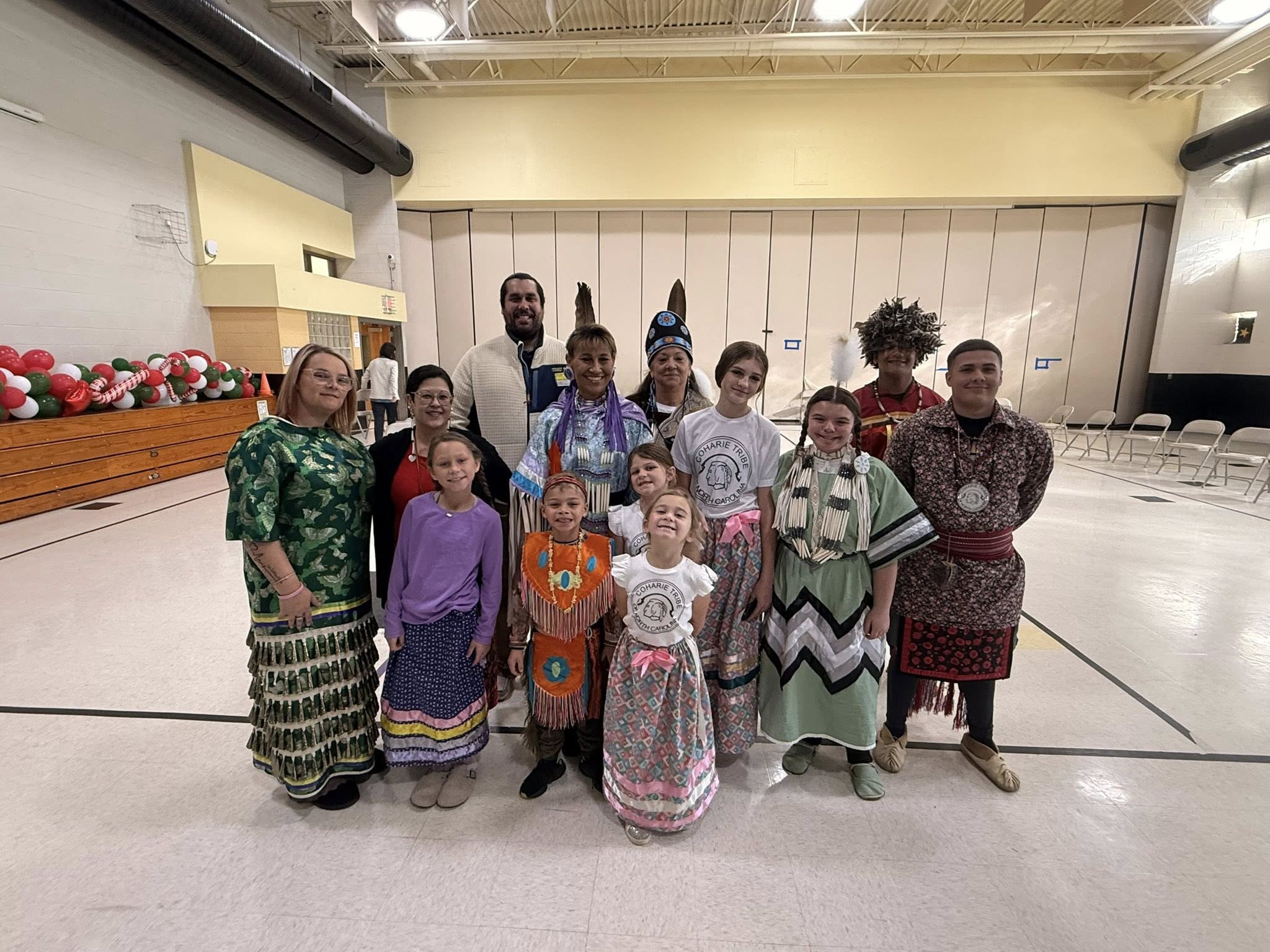
The Coharie Indian Education program is a bit different from other Indian Education programs in the state, as the tribe manages the grant and the program rather than the school district. The program serves students in Sampson County Schools, but can also service students at any charter and private schools in the area.
For AIHM, the program visited three schools districts and four different counties to showcase and celebrate. Students and volunteers visited Pfizer, Campbell University, preschool and elementary students in Sampson County, third graders in Cumberland County, and elementary and middle school students in Robeson County.
The programs also donated books that were written by Native American authors and appropriately represented Indigenous people to teachers in Sampson County.

Guilford County Schools
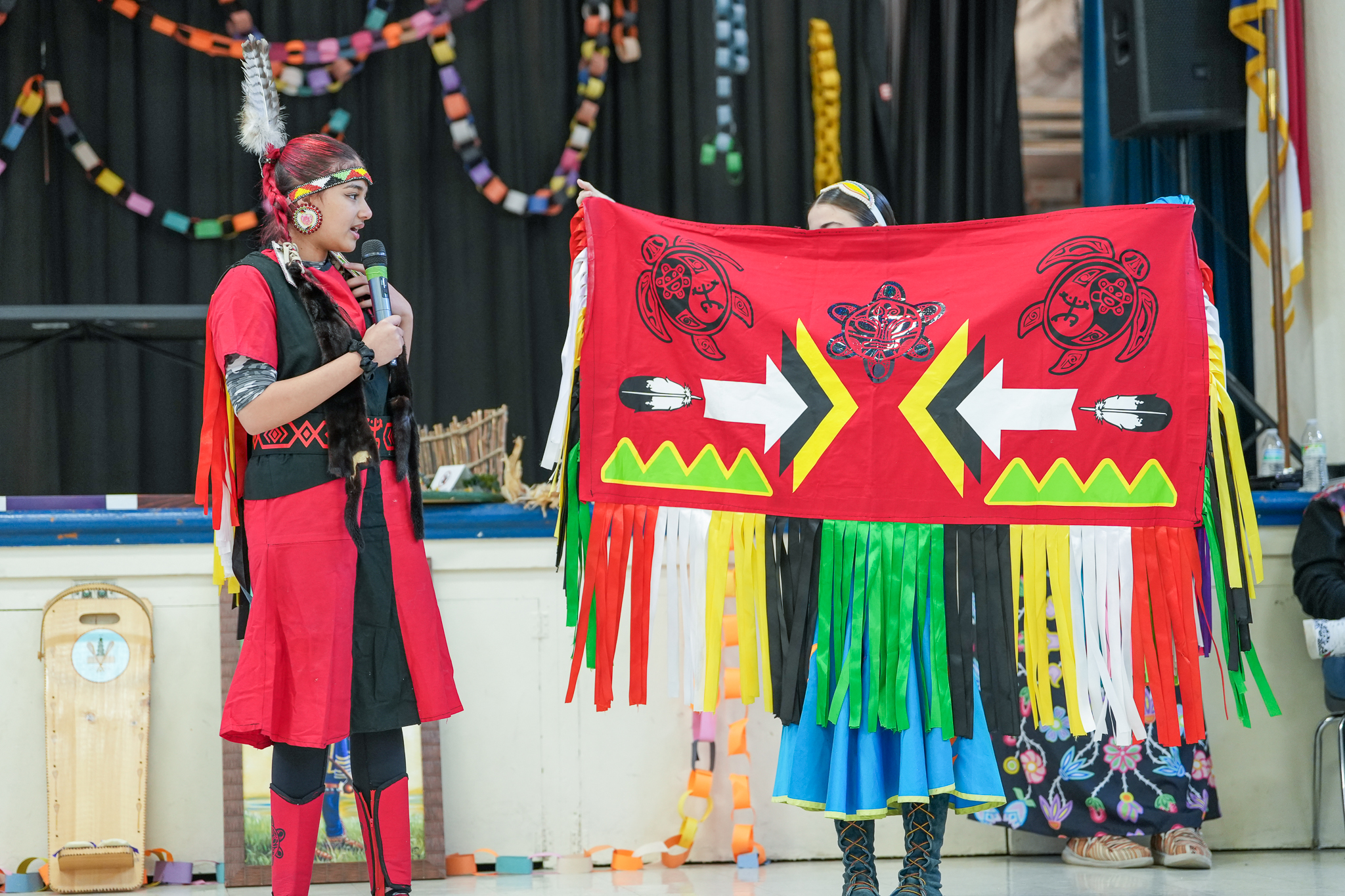
During American Indian Heritage Month, schools across Guilford County Schools (GCS) celebrated and learned by sharing facts about Indigenous people on morning announcements, hosting school assemblies, creating bulletin boards, and having door decorating contests.
“In GCS, 19 schools partnered with the American Indian Education Program to collaborate to bring this to life at their school, giving students an educational and engaging experience that aligned to their curriculum,” said Stephen Bell, the American Indian Education coordinator at GCS.

While November is a time set aside to celebrate Indigenous students, nations, and communities, schools and educators can be more deliberate about doing that year-round. There are plenty of resources available to educators interested in doing so.
The State Advisory Council on Indian Education offers guidance on how teachers can incorporate culturally responsive lessons regarding Indigenous people into their plans. Resources like the North Carolina Museum of History’s virtual American Indian Heritage Celebration are available year-round. If your district has an Indian Education program, reach out to coordinators to collaborate on a lesson. Artists, historians, and educators from any of the tribal nations in North Carolina are likely willing to speak with you or your students.
“Indian Heritage Month Celebration is the month of November, but our culture is celebrated all year. It is important for all educators to ensure that the culture of all students is honored,” Locklear said.
Recommended reading