
Turning struggling readers into avid readers

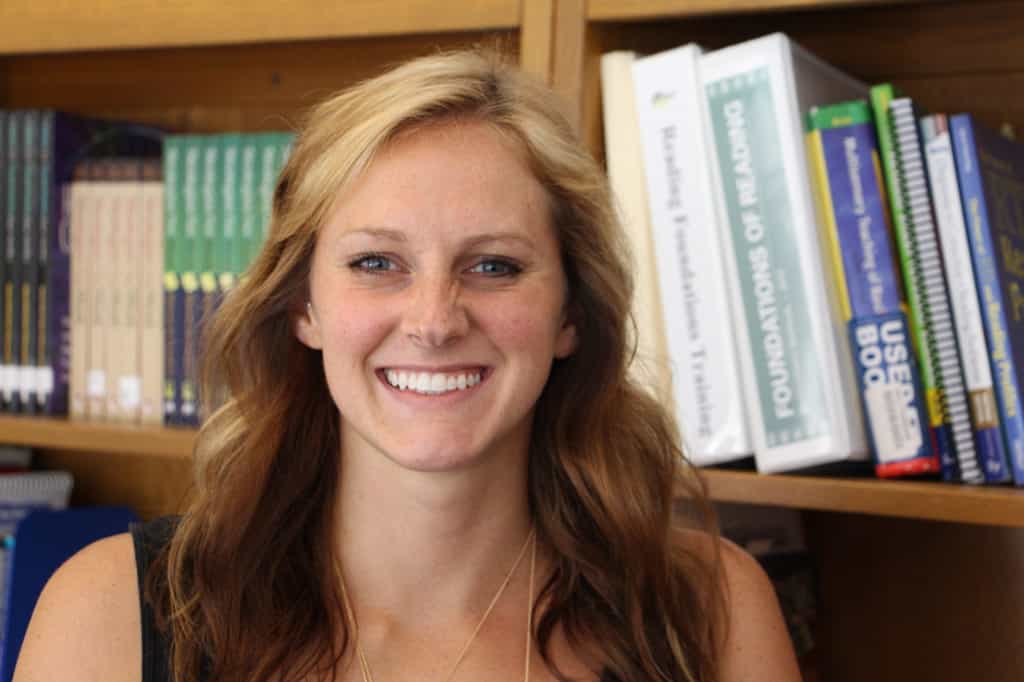
Teacher Caroline Bostian loves to read.
“That’s one of the reasons I wanted to be a teacher,” Bostian said. “I want children to love to read just as much as I do.”
With that in mind, she is switching from teaching kindergarten at Diggs-Latham Elementary to teaching third grade there this year, so that she can help students who have not yet mastered the skills necessary to make reading a pleasure.
“I want to help those children who are struggling,” she said.
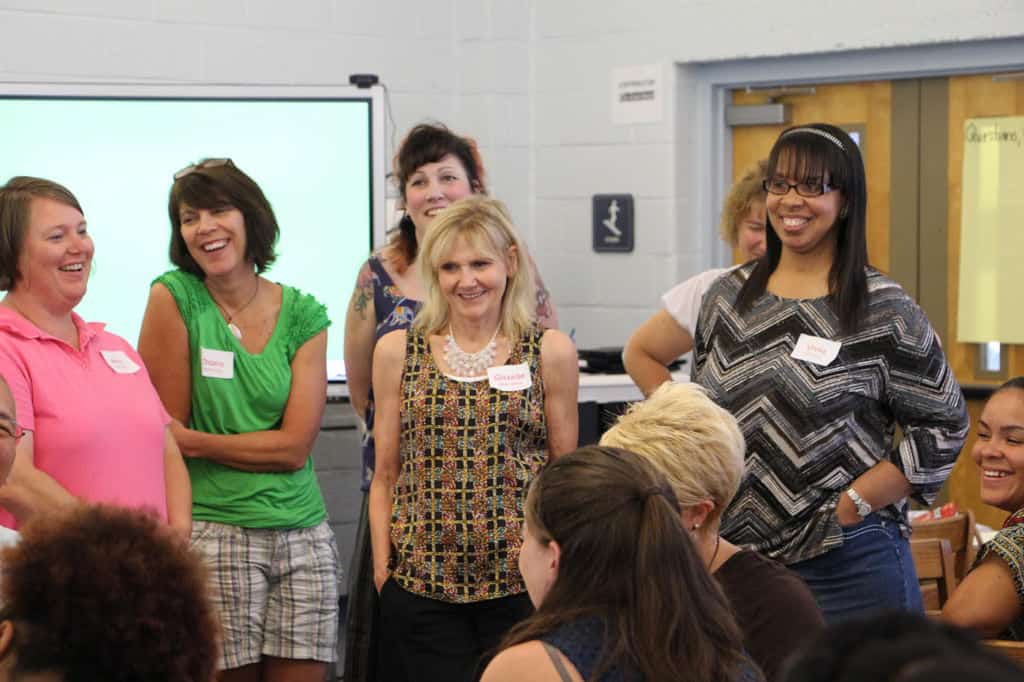
To help her learn more about the best ways for doing that, she signed up to take a week-long workshop in the Orton-Gillingham approach to reading, which combines visual, auditory, tactile, and kinesthetic techniques with an in-depth exploration of the rules of reading.
The workshop – led by Ron Yoshimoto, an expert in the approach who is based in Hawaii – met in August in the media center at Cook Literacy Model School. The elementary school is radically altering its approach this year and, with a staff that is mostly new to the school, Cook is placing developing students’ reading and writing skills at the heart of its approach.
A number of the 36 teachers taking the workshop are teaching at Cook this school year. One of them is Summer Riley, who left Kimmel Farm Elementary to become the literacy teacher leader for pre-kindergarten through second grade. This year, she said, they will be devoting 200 minutes a day to reading and writing, and 45 of those minutes will be devoted to the Orton-Gillingham approach.
“It will be a stand-alone component of our literacy block,” she said.
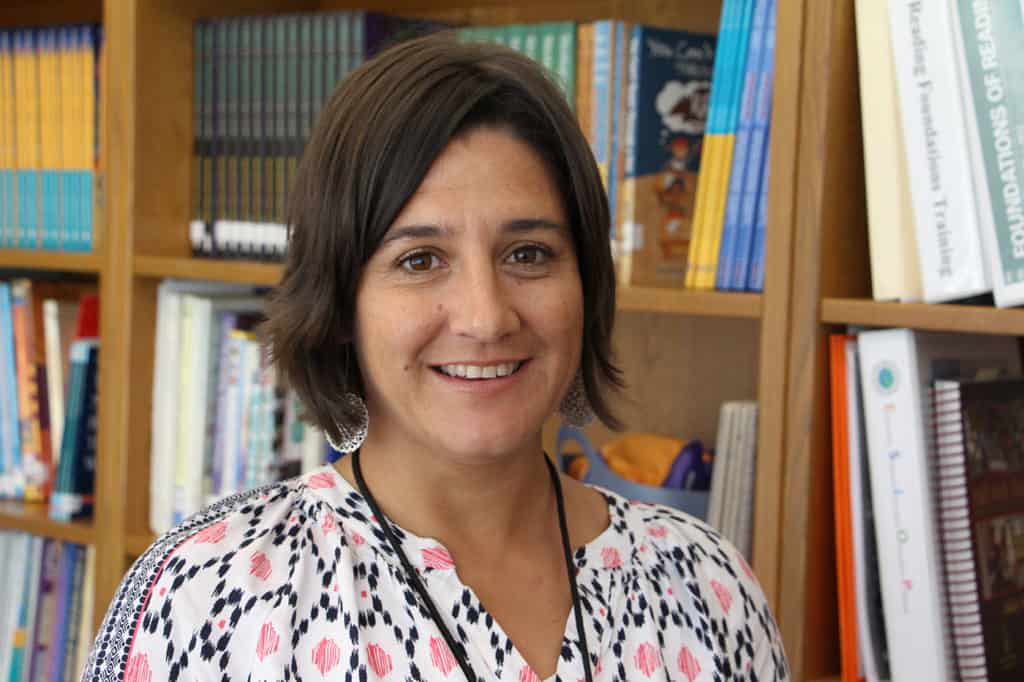
Before participating in the workshop here, Riley – along with Paula Wilkins, the principal at Cook; Ashley Richardson, the school’s literacy teacher leader for grades three through five; and Kelley Bendheim, the literacy coach for kindergarten through fifth grade – went to Indianapolis for an Orton-Gillingham training.
Riley said she came away with a better understanding of how everyone learns how to read. Orton-Gillingham can help all students, not just those who are struggling with reading, she said.
“It is multi-sensory,” Riley said. “I think it is going to be empowering.”
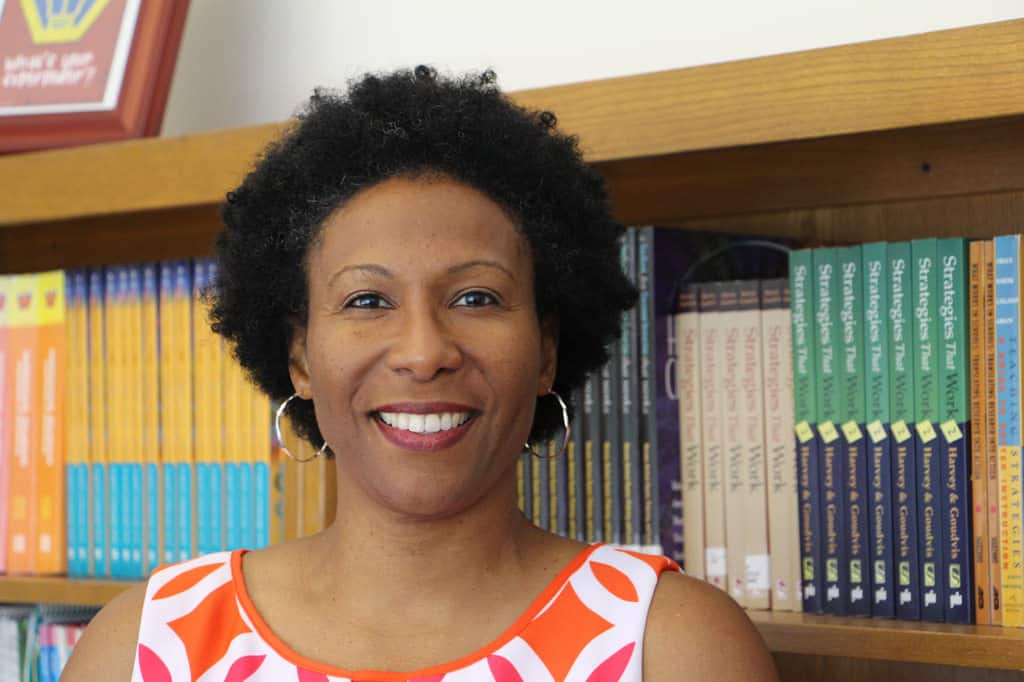
Tamra Stokes, who had been teaching at Summit School, which is a private school, had been thinking about taking a break from teaching when she heard about the new approach at Cook. Already familiar with Orton-Gillingham and knowing what it could do for students, she was eager to become part of the team.
“Everybody is here for the right reasons,” Stokes said. “We’re all getting the same training. I think this is awesome.”
She would like to see the Orton-Gillingham approach become a part of regular teacher preparation programs.
This is the second year that the nonprofit organization ReadWS has sponsored the workshop. It is doing so with the support of Winston-Salem/Forsyth County Schools and money being administered through The Winston-Salem Foundation.
Through its Augustine Project, ReadWS had already been training volunteer tutors to work with students in the schools, and offering it to school system teachers was a way of making it available to children throughout the school system.
Holding the workshop at Cook this year was a way to support the new emphasis on literacy at Cook, said Henri Brown, the director of ReadWS.
Yoshimoto is quite funny and has a gift for making those in his workshops comfortable and eager to share in his humor. During the course of the workshop he and the participants covered such topics as the “magic e,” that is the “silent e” at the end of a word that can transform such words as “can” and “hop” into “cane” and “hope.”
Having such skills will also help teachers prepare students for reading tests. That fits right in with one of the school system’s major goals – having 90 percent of third-graders read on or above grade level by 2020.

Another one of the workshop participants was Jessica Perry, who teaches first grade at Union Cross Elementary. Perry decided that she wanted to take it after Allison Peters, a fellow first-grade teacher who took the first training, spoke highly of it.
“I was excited because I thought it might help some of my kids that I wasn’t able to reach,” Perry said. “I was desperately looking for something to help those struggling students.”
Perry said that she identifies with struggling readers in part because learning to read didn’t come easily for her.
“I wish that, when I was a young first-grader, I would have gone through a program like this myself…It makes better sense than anything I have seen in my career so far.”
Perry wasn’t comfortable with reading until she was in middle school, she said, and her decision to become a teacher grew out of her appreciation for the teachers who helped her along the way.
“I had a lot of teachers who really took care of me and made sure I was where I needed to be,” Perry said.
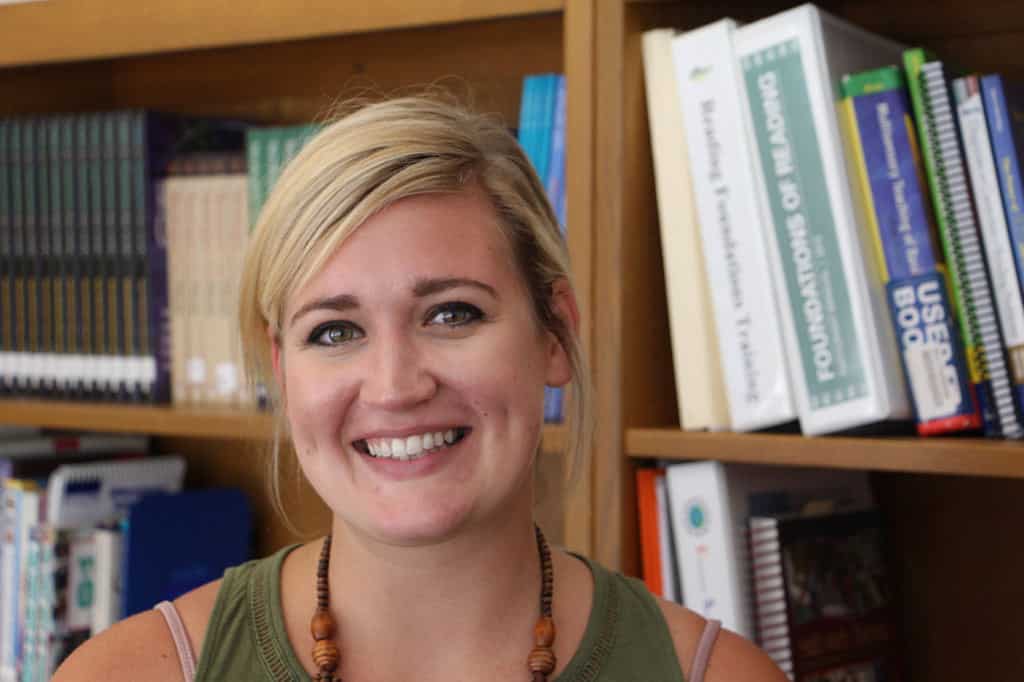
Vivia Scales, who teaches at Old Town Elementary, taught first grade for 25 years. This year, she will be moving to second grade so that she can continue to work with the students she had this past year.
“I think it will be a new challenge,” she said. “I will be excited to see the growth of the students.”
After talking to other teachers at Old Town who took the workshop last summer, she decided to sign up for the August workshop. She’s glad she did. She thinks she is better equipped to help children understand the rules of reading.
“I can see the connections,” Scales said. “The training is really equipping me to help them be more successful this year.”
This article originally appeared at the Winston-Salem/Forsyth County Schools website. It is republished here with the author’s permission.