
Thank you for the bus rides
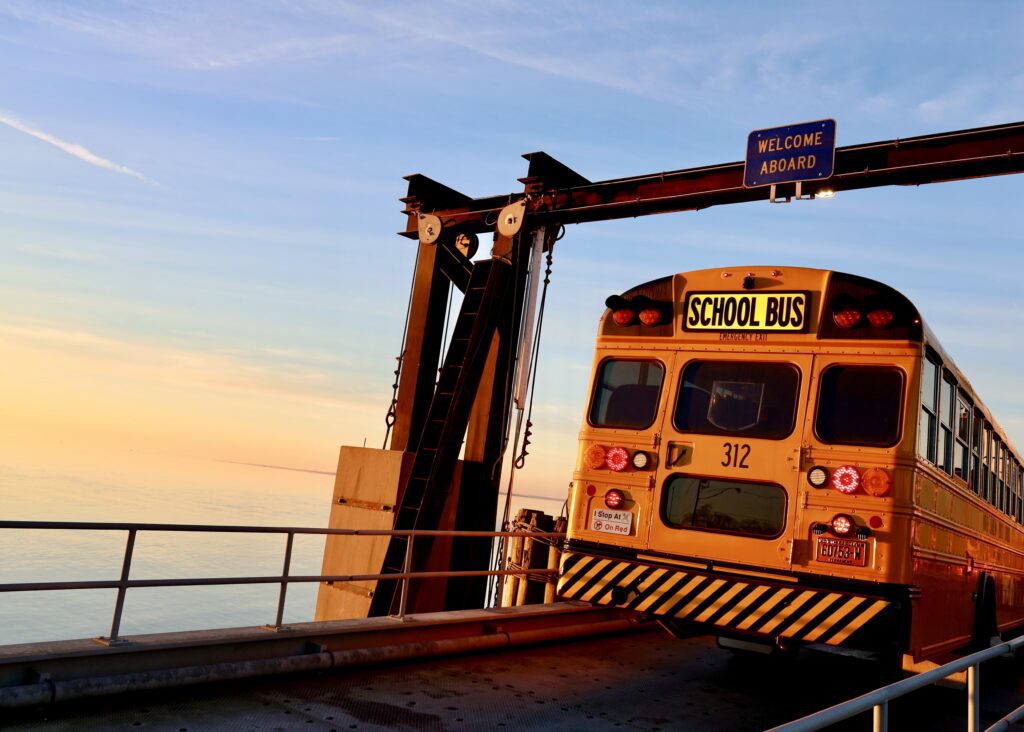
I grew up a 32-minute drive from my school. And that’s if I had door-to-door service. Riding the school bus more than doubled the time, but it turned into a meditative journey along backroads, among fields of peanuts, and ravines of kudzu.
And for me, the bus didn’t just serve as mere transportation — it was also a little society. It was on the bus that I would beg someone to braid my hair, see blue nail polish for the first time, play endless games of slide (if you know, you know), and unbeknownst to me, become a lifelong lover of rural roads, and really, travel.
Of all the bus drivers I had, Mr. Hill was my favorite, and the first I can remember. He allowed me to drink hot chocolate on the bus when it was cold outside, and he hit the bump just right on Joyner’s Bridge road.
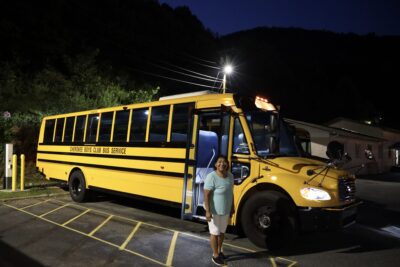
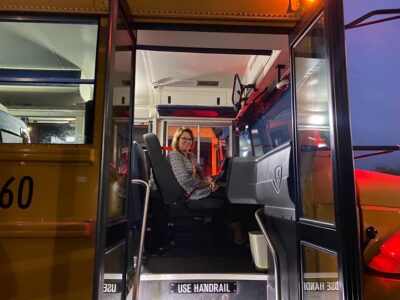
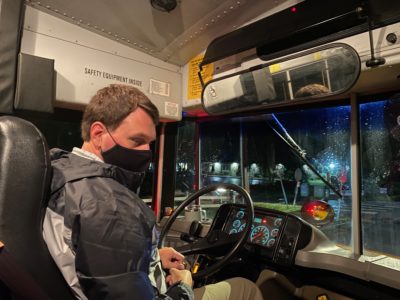
Working at EdNC and writing about our rural school districts, I’ve been fortunate to join drivers like my Mr. Hill all across North Carolina. Bus drivers start their day within the 6 a.m. hour, many before that, and are the first touchpoint students have heading to school.
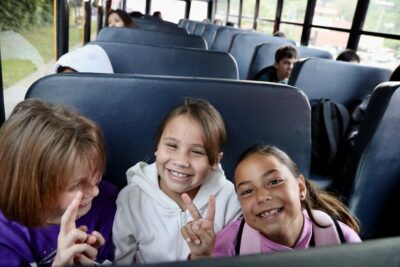
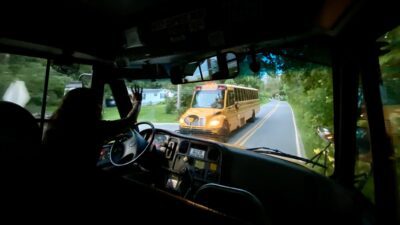
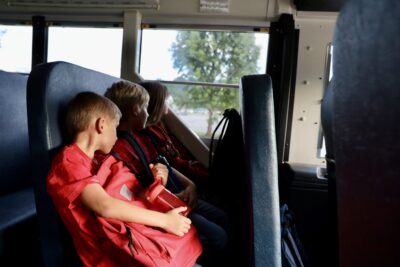
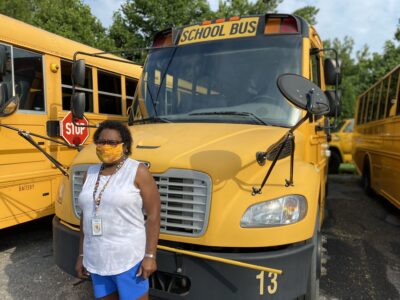
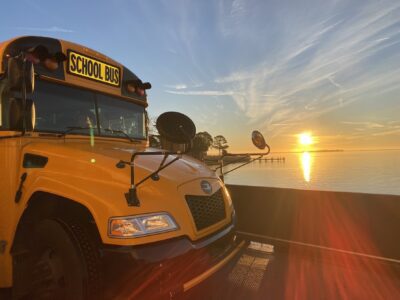
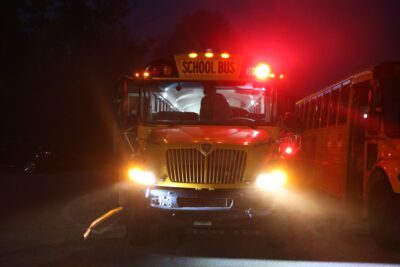

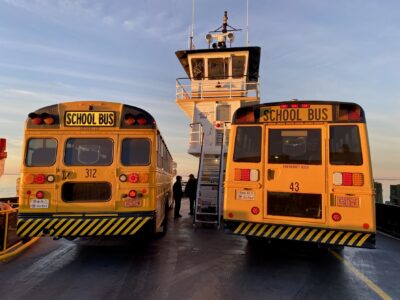

According to the N.C. Department of Insurance, more than 14,100 school buses carry nearly 800,000 students on a typical day in our state. Each year, North Carolina school buses travel over 181 million miles.
In the near nine years I’ve been at EdNC, I’ve ridden buses from the Qualla Boundary to Currituck County. When schools reopened under Plan B during the pandemic, I joined one Brevard High School route.
I was at the Creston Superette bus stop for Ashe County students their first day back after Hurricane Helene closed their district for 33 days. Yancey County Schools was out for seven weeks because of the storm, and I joined Doug Thomas as he scooped students for the long awaited homecoming. “This is the best job I’ve ever had,” he said to me, as we waited for students.
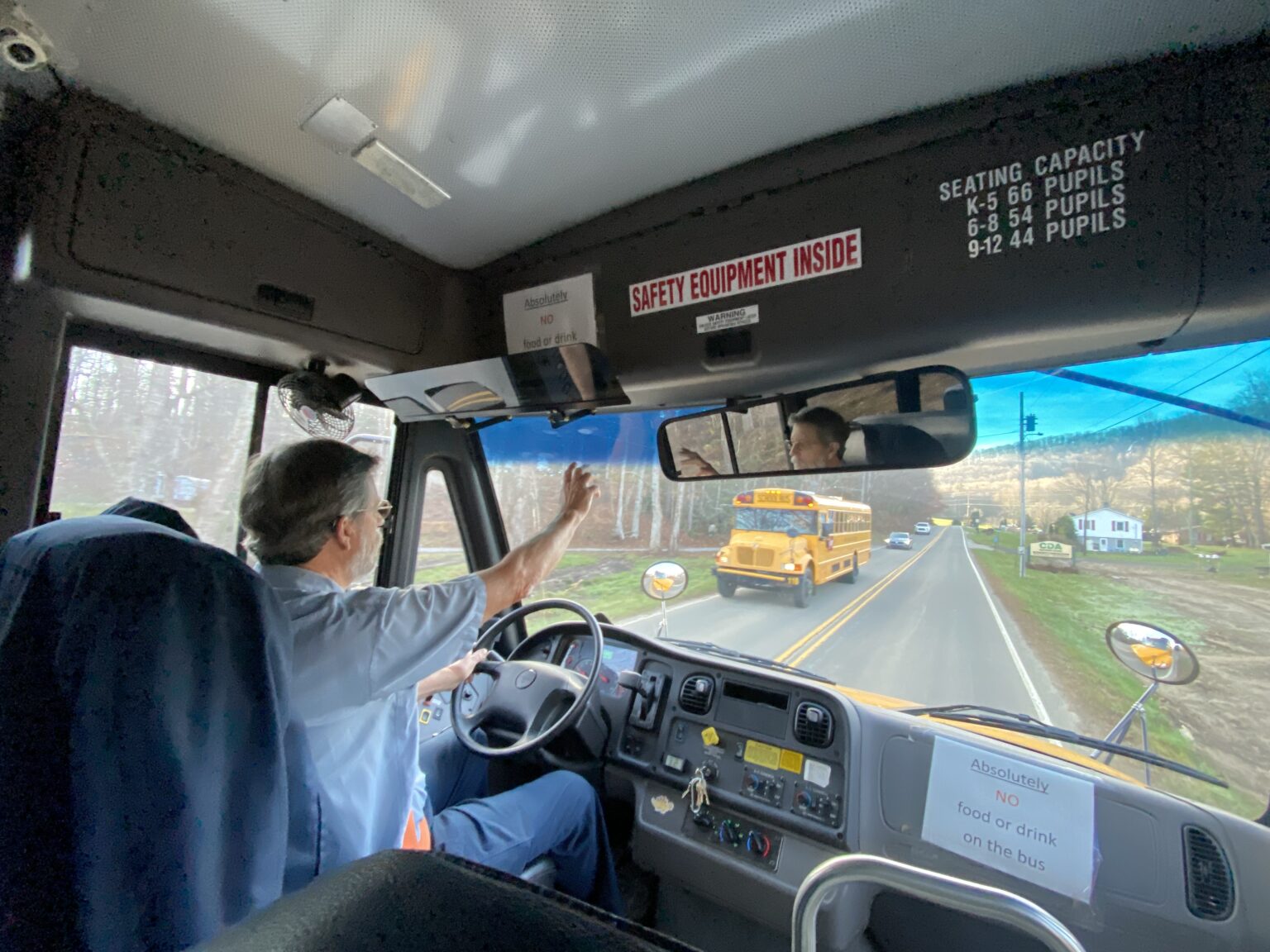
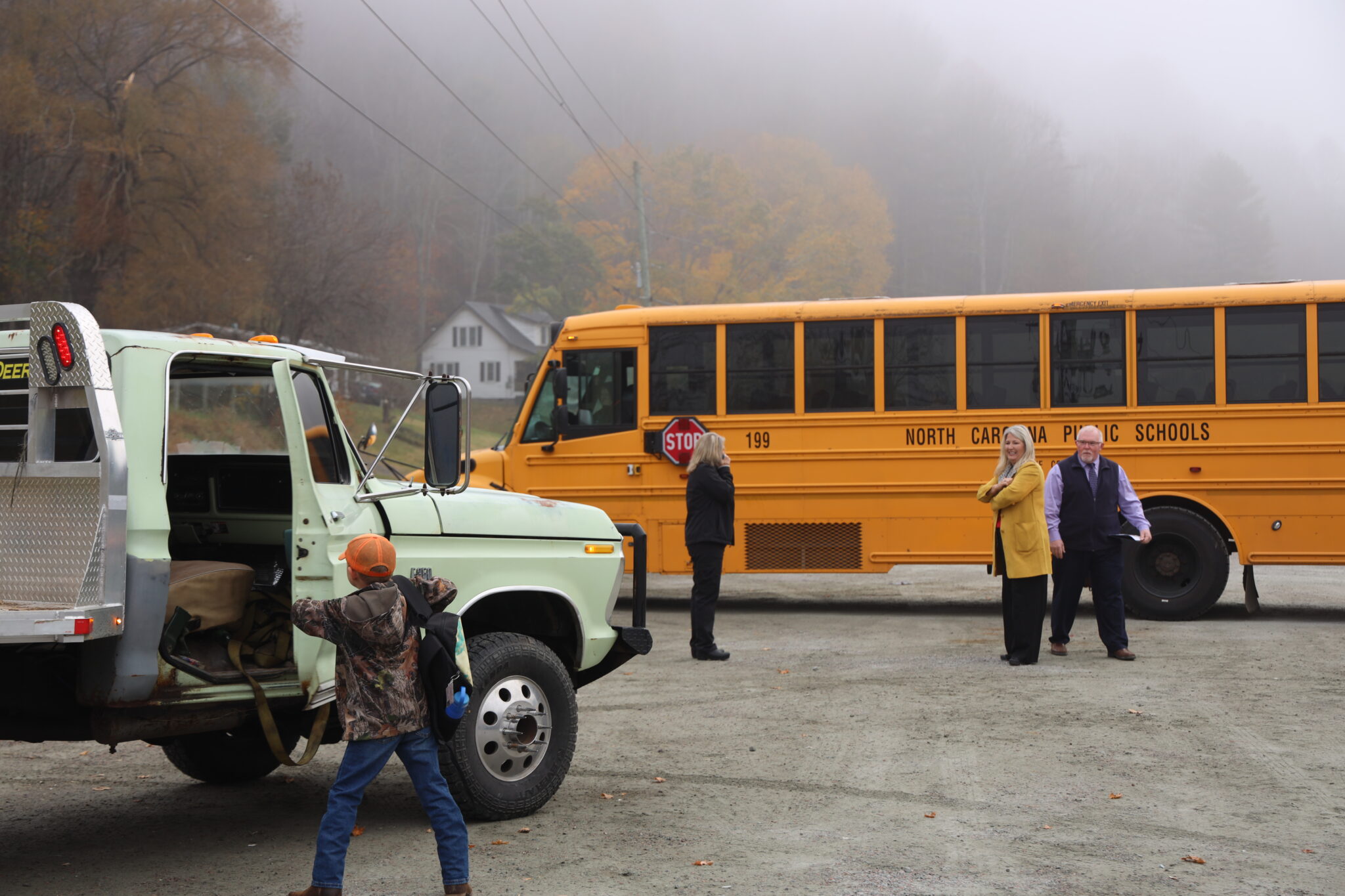
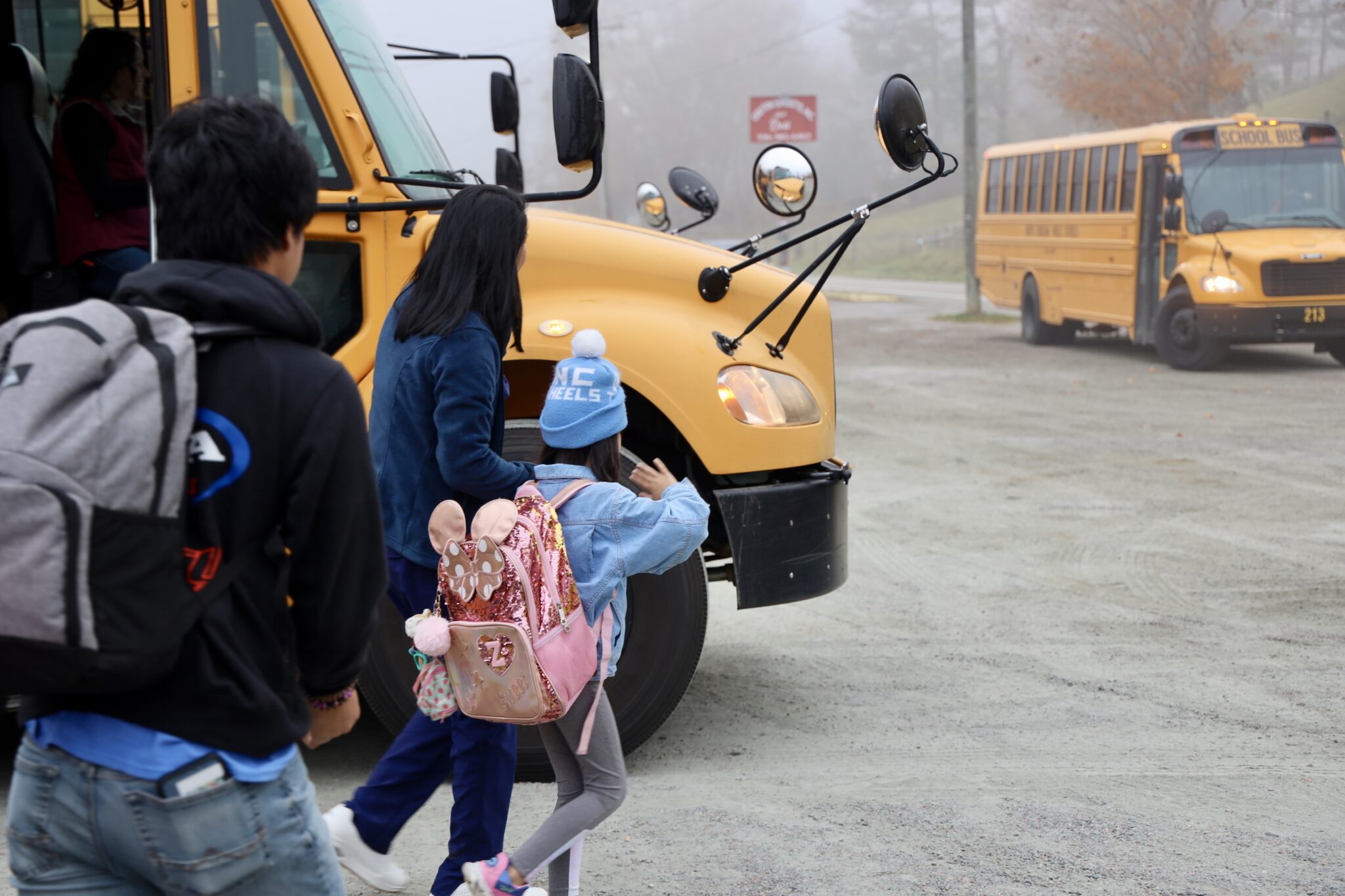
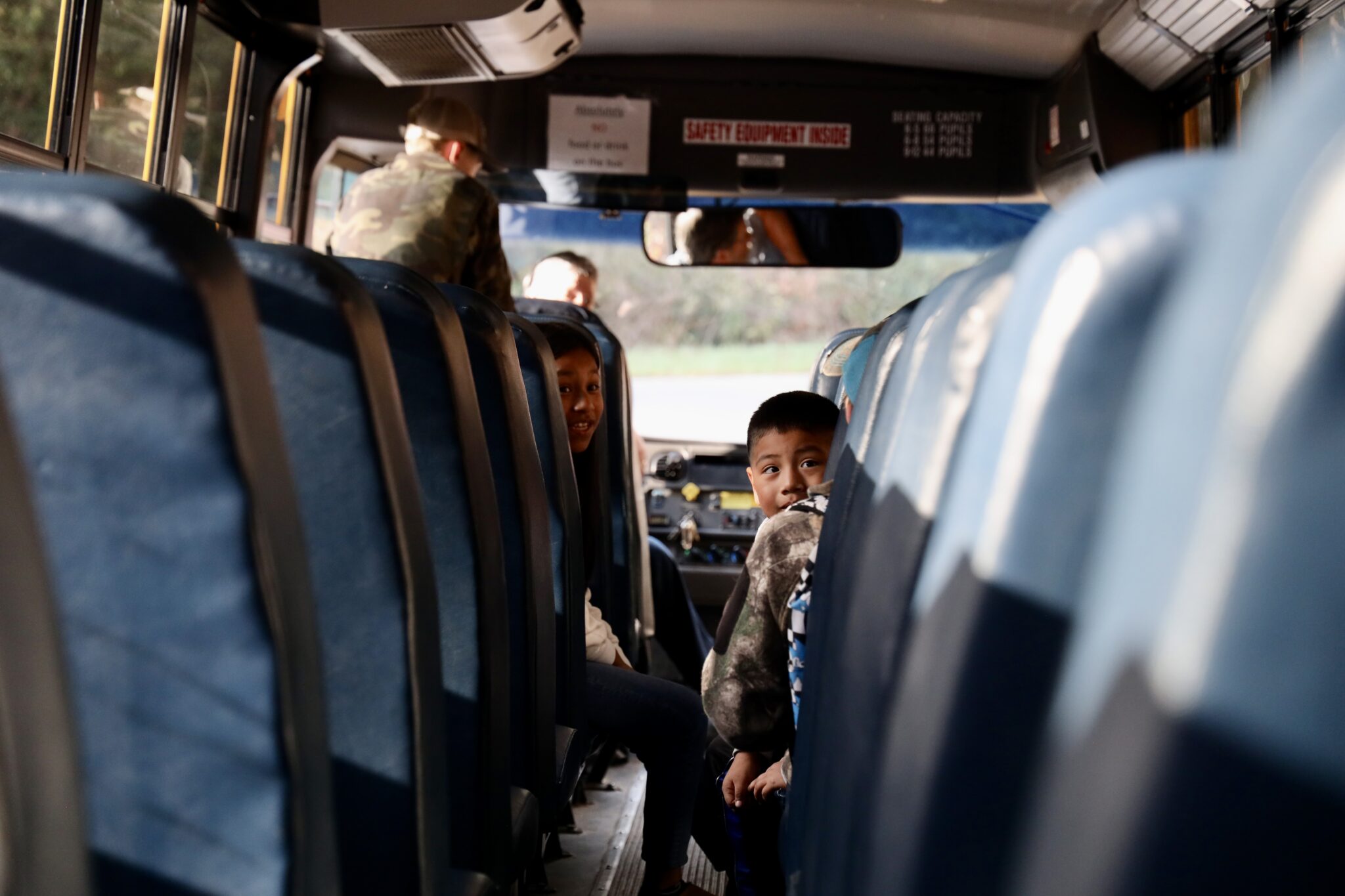
These drivers are custodians and assistant principals, parents and grandparents of students, and local community members who get up with the sun to get our students safely to school. They are a genuine source of inspiration to me, and it’s why I liked starting my day, and my stories with them.
This summer, I am leaving EdNC for a new road, and I can only move forward reflecting on the miles I’ve already driven. North Carolina is the second most rural state in the nation, a stat I’ve repeated hundreds of times to anyone that will listen. The schools in these rural places hold so much legacy, and I’ve tried to convey that through my stories over the years.
The engine of these schools are educators. I really dare you to sit in any classroom I’ve sat in, and not be in awe of the talent and dedication of those teaching our students. They make music and make students laugh, they encourage kids to fail fast, to answer the question, and to celebrate when they do.
I have been welcome everywhere I’ve visited, and that is an incredible thing to say. In a world that feels scary for a variety of reasons, I was blessed to learn my antidote — it’s people. Everyone wants the same thing for their children, they just have different ideas of how to get it. I see that, and hope I honored them all through my storytelling.
To be a metaphorical telephone line for the stories happening in our state’s rural corners has been the honor of a lifetime. Thank you to everyone who allowed me in. My cup, and road, runneth over.