
Suspensions harm students with no helpful effect on school safety
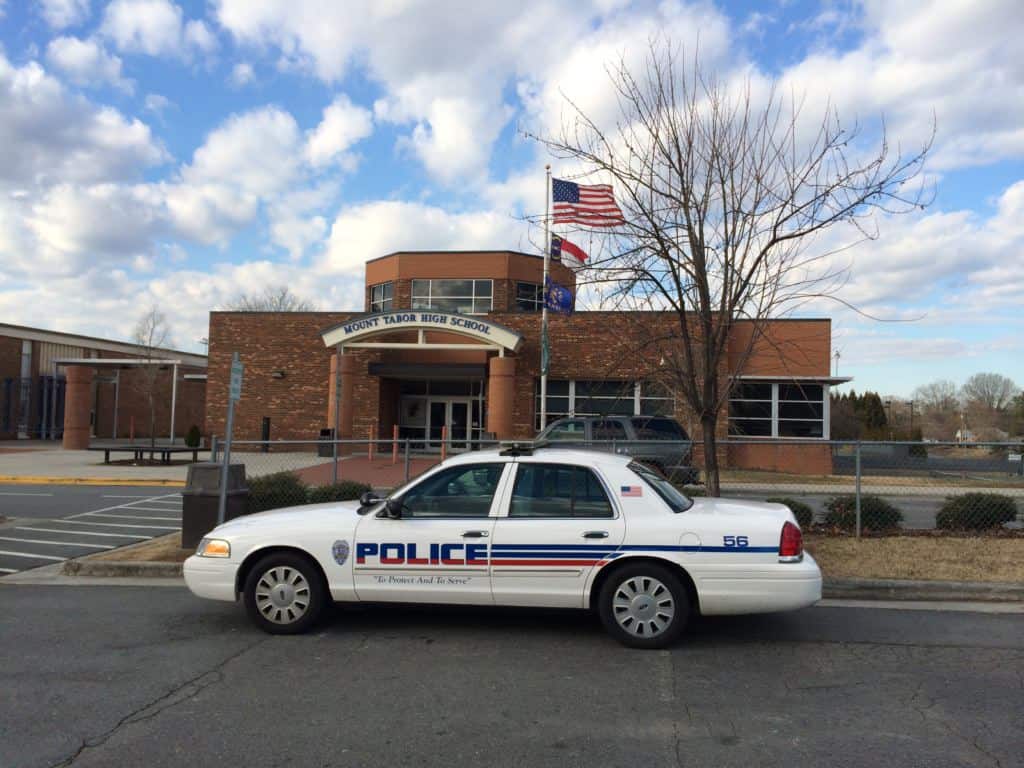
Traditional-school students across the state are preparing for the new year. Unfortunately, if past trends hold, far too many students will spend significant amounts of time out of their classrooms. Based on in-school misbehavior, North Carolina’s students will be suspended as well as sent to the juvenile or criminal legal systems. Rather than sitting in desks, they will be idling at home, or – worse yet – spending time in courts, juvenile detention, or adult jails.
During the 2014-2015 school year, North Carolina’s public school students lost over 700,000 school days to suspension. Schools – and the officers who police them – also send upward of 15,000 students per year into the juvenile justice system, often for offenses for which they already face suspension. Nearly half of all juvenile court cases come from schools, and nearly all of them are misdemeanors. Unsurprisingly, the rise in school-based juvenile court referrals has coincided with the massive growth of police officers in our state’s schools. Studies show that the presence of an officer in school substantially increases the likelihood of arrest and referral to court for low-level offenses.
Scandalously, these minor offenses can land high school students in adult criminal court. North Carolina remains the only state in the country that charges, prosecutes, and sentences all youth 16 and older in the adult criminal system, regardless of the severity of their crimes. A sophomore who gets into a fistfight, a junior who swipes candy from the snack bar, and a senior who gets caught with alcohol at school can all be criminally charged, required to appear in court, forced to pay hefty fines, and saddled with a criminal record.
We’ve met, and represented, many such students. They are typically bewildered at what they perceive as the double punishment of suspension and prosecution. Like suspended students nationwide, they are frequently struggling in school. Many of them have disabilities. They are disproportionately students of color from low-income families.
Studies have shown that suspension actually harms students in the short and long term, with no measurable positive effect on safety. Suspended students are more likely to become involved in law-breaking activity. They are less likely to graduate on time, if at all, which renders them vulnerable to a host of problems later, including unemployment, poverty, and incarceration. Further, studies have shown that schools with very high suspension rates negatively affect the academic achievement of even non-suspended students.
To principals, not police
Sending students to court similarly leads to multiple harms. Students adjudicated delinquent or convicted of crimes may be ineligible for student loans to pay for college, excluded from athletics, and barred from employment opportunities. Such harsh consequences don’t make sense. The teenage brain is different from that of an adult. As the experiences of our clients show, and as the U.S. Supreme Court has held, adolescents are more susceptible to peer pressure, less able to weigh the long-term consequences of their actions, and more likely to act on impulse without regard for risk.
Fortunately, evidence-based practices abound that can keep kids in school without compromising safety:
Legislators should restore funding for teacher assistants, social workers, and guidance counselors. A full complement of support personnel helps prevent misbehavior and can ensure that when minor misbehavior occurs it is treated as a teachable moment rather than a crime.
School districts should adopt practices proven to better deter misbehavior than suspension or criminalization. These include positive behavioral interventions and supports, mediation between, and among students and teachers, and restorative justice programs that create accountability for offending students and ensure that victims are compensated without involving the criminal system. As former Attorney General Eric Holder has said, “a routine school disciplinary infraction should land a student in the principal’s office, not in a police precinct.”
School districts should mandate that administrators rather than school police officers handle school disciplinary problems. Too often, officers become involved in routine classroom management. This is the predictable result of cuts to support staff as well as agreements schools make with police departments that do not clearly define duties of – and limits on – school police officers.
The General Assembly must raise the age of juvenile court jurisdiction. Adolescents who make adolescent mistakes in school should not have to bear the weight of a lifelong criminal record.
Protecting our students by keeping them in school makes all of us better off.
This article was first published in The News & Observer on August 27, 2016.