Today, Jose turns 5 months old. His mother, an immigrant from El Salvador living in Durham, rocks him gently while scrolling through her phone, searching in Spanish for “programas para bebés en Carolina del Norte.” Like so many new mothers, she’s anxious to do everything right. But unlike most, nearly every resource she finds is in English, a language she’s still learning, in a system she’s still trying to trust.
Jose is one of the thousands of babies born each year in North Carolina to Latino parents, a community that now makes up almost 20% of the state’s K–12 student population. As the Latino population grows, so does the responsibility of our education system to understand the realities shaping early care and education for families like Jose’s.
In 2022, ISLA NC (Immersion for Spanish Language Acquisition) launched Padres Investigadores (Parents as Researchers), a pioneering community-based research initiative that remains active and impactful today. Their first report, The Early Childhood and Latino Family Study (2023), was led by Latina mothers and supported by research consultant Daniela Amórtegui, M.A., together with the ISLA NC team.
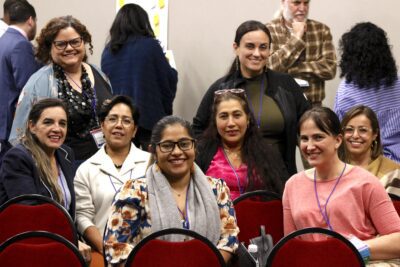
The project empowered parents to become researchers of their own communities, capturing the voices of 54 Latina mothers in Durham and surrounding counties and revealing both the hopes and hardships of raising children in a system that was never designed for them. Two years later, its findings remain as relevant as ever.
‘We want to be informed, supported, and seen‘
For most families, early childhood, those first five years, is a mix of joy and exhaustion. But for many Latino parents, it also means navigating an unfamiliar maze of systems: health care, child care, and school readiness programs that weren’t designed with them in mind.
The ISLA report found that 74% of parents had managed to access at least one early childhood or parent-support program, such as Head Start, LEAP, Welcome Baby, or ISLA itself. Yet language remained the primary barrier. Parents said they often learned about programs through word of mouth, not through official channels.
While 100% of families had internet access, many didn’t know where to look or which resources to trust. As one parent put it, “The information exists… just not for us.”
The quiet crisis behind the numbers
Behind these data points are the daily realities of survival and resilience.
Seventy percent of families relied on food assistance programs like WIC or SNAP to get by. Sixty-two percent of mothers worked full time, often without benefits or child care. Many others stayed home — not by choice, but because care options were unaffordable or inaccessible in Spanish.
And yet, these families showed immense creativity and solidarity by sharing child care, trading shifts, and relying on churches and neighbors.
The report also highlighted a quieter issue: mental health. More than half of participants reported anxiety or stress, and nearly half noticed emotional or behavioral changes in their children. For many Latino parents, mental health is still a taboo topic, rarely discussed and even less addressed.
 Sign up for the EdDaily to start each weekday with the top education news.
What families need most
Despite challenges, families expressed hope — and offered clear ideas for change. They asked for multilingual resources, better-trained educators, and early learning programs that reflect their culture and language.
In other words: they want to be informed, supported, and included.
As one parent said, “When programs speak our language, not just in words, but in understanding, we stay, we trust, and we thrive.”
Listening to the families who already know the way
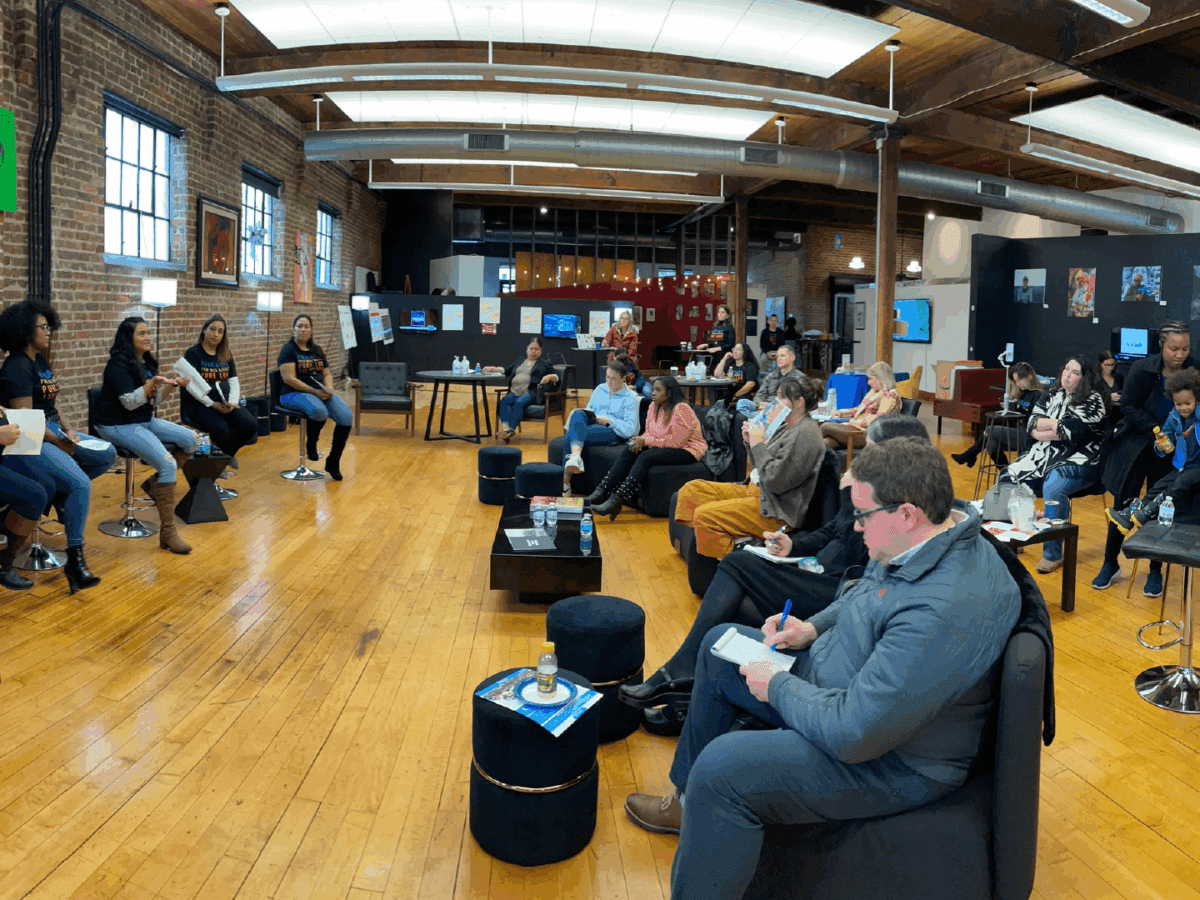
The brilliance of ISLA’s Parents as Researchers model is that it transforms families from subjects into experts. These mothers didn’t just answer surveys; they led the research, interpreted the findings, and presented recommendations to policymakers.
But it’s important to remember that this approach to research doesn’t emerge from traditional academic spaces. As ISLA NC Executive Director Josué Daniel Córdova explains, “What I admire most about ISLA is its commitment to reshaping the narrative of where knowledge comes from — challenging the idea that wisdom must originate in Eurocentric, patriarchal, or heteronormative institutions.”
Knowledge also lives in the community. It lives in mothers who learn by doing, who observe, compare, and adapt. It’s often easier for a mother to share her fears and hopes when the person listening is another mother, her peer, someone who understands her silence as much as her words. That empathy creates a kind of data that no university training can replicate.
Their voices remind us that equity in early childhood begins with partnership, and that genuine research is not extractive. It’s relational. When we design programs with families, not for them, everything changes.
Jose’s story, and theirs, remind us that North Carolina’s youngest learners are growing up in multilingual homes, rich with culture and promise. Our systems should be ready to meet them there.
Recommended reading