What do today’s community college students need to succeed? They face obstacles of all kinds, from tangible barriers such as lack of time, energy, or money, to intangible ones, such as uncertainty, disillusionment, or fear of an unstable job market. In our western North Carolina community, these challenges have only intensified since Hurricane Helene struck in late 2024.
When students need help, it is our opportunity and responsibility as educators to step in and make a difference. At Blue Ridge Community College, our coaches are among our most powerful tools for student success, keeping learners on track and strengthening our workforce along the way.
Looking back
In 2022, I wrote a perspective for EdNC on the career coach program at Blue Ridge Community College. At the time, the program was relatively new yet highly promising. Along with career coaches for high schoolers, Blue Ridge has also mobilized a team of success coaches who work with adult learners.
These students, aged 25 years and older, may be pursuing higher education for the first time or returning to build new skills for career change or advancement. These teams work to help students overcome personal and practical barriers to learning as part of Blue Ridge’s workforce development strategy.
 Sign up for Awake58, our newsletter on all things community college.
When students have fewer obstacles, they are more successful in earning the degrees and training credentials needed to obtain high-wage jobs. In light of the current labor shortage and the looming “demographic cliff,” it is more important than ever that we come alongside students to give them every possible opportunity to achieve their career goals.
Guidance for high schoolers
Looking back on the past few years, we’ve seen many successes in our coaching programs while learning valuable lessons along the way. It is clear how powerful individualized student support through one-on-one coaching can be. One of the program’s most notable achievements has been its collaboration with Henderson County Public Schools and Transylvania County Schools to place career coaches directly within local high schools. Working alongside guidance counselors, these coaches help students each day to envision career paths, apply for financial aid, and get a jump-start on college courses.
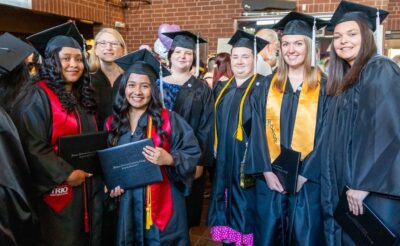
Laura Simmons, director of enrollment management and head of the coaching programs, shared that the work of career coaches with high schoolers led to increased interest in the Career and College Promise (CCP) program, through which juniors and seniors can take free classes at Blue Ridge for transferable college credits. Whether they choose to attend Blue Ridge after graduation or not, CCP students receive valuable guidance and support from the career coaches who help them identify their strengths and determine the best postsecondary options for their interests and goals. Each year, we also see motivated high schoolers earning a college degree alongside their high school diploma.
Related reads
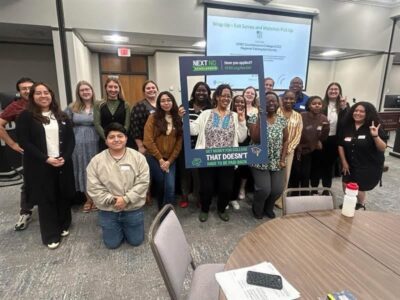
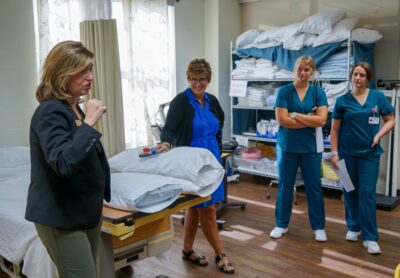
Career coaches also work with an admissions counselor at Blue Ridge to facilitate on-campus experiences so students can visit labs, explore classrooms, and see technology and equipment in person. These experiences help open doors to career paths that students may not have previously considered.
Support for adult learners
Adult students face different challenges than high schoolers, juggling full-time work, family responsibilities, and their education all at once. Our success coaches focus on helping these students find flexible course options that work with their busy schedules, often including short-term or online classes.
These coaches show up for their students whenever they’re needed, offering evening appointment times and a variety of ways to connect digitally. This flexibility has proven to be highly effective, with participants engaging regularly and showing improved course completion rates and fewer withdrawals.
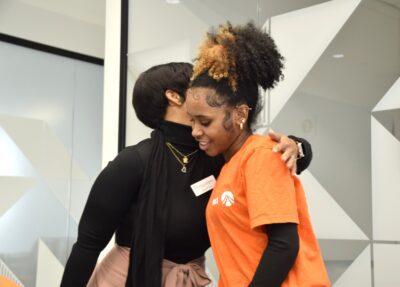
Coaches often work with adult students who face financial barriers to learning. Success coach Crystal Bradshaw shared the story of an adult learner in the automotive systems technology program. This was his first time in college after graduating from high school 30 years earlier, so this student was eager yet understandably unsure about the process. Bradshaw helped him complete a financial aid application so he could get started.
More from President Leatherwood

Later on, when this student reached out for help navigating online coursework, Bradshaw realized that he was trying to complete assignments from the small screen of his smartphone. Together, the two connected with a nonprofit that provides technology to individuals with low incomes, and the student was given a free laptop.
Throughout his time at Blue Ridge, the student stayed connected with Bradshaw and maintained a GPA of 3.0 or higher each semester while balancing full-time work with a full course load. When he graduated with his associate degree last spring, it was a truly rewarding moment for Bradshaw and all of us at Blue Ridge who supported this hardworking student along the way.
Creating a safety net
Providing a network of support for students is an important task, though it comes with many challenges of its own. Over the past few years, we have learned that clarity is key when it comes to offering resources. Students were unsure who to go to for specific challenges, so we refined our system and better defined the roles of each person in our team. The goal is to provide a clear path to support — not to overwhelm the students with options.
In an effort to help students stay on track, we have also implemented an academic alert platform. When warning signs appear, our coaches can proactively reach out to at-risk students, engaging with them as early as possible to provide the support they need.
Additionally, we aligned the Student Success Center more closely with the college’s library, bringing these two vital resources into a tighter partnership. Our intent was to strengthen the safety net and ensure students never slip through any cracks in the support system.
It is vital that students feel supported as they pursue their goals, and through career coaches and success coaches, we can provide that support. Moving forward into 2026, let’s continue to focus on the invaluable personal relationships between students and coaches that make all the difference. Through one-on-one support, we can build up our students and, simultaneously, our workforce.
Recommended reading