When faculty from the University of North Carolina at Wilmington’s Watson College of Education asked me to reflect on how joy informs educational leadership, I was reminded of how central joy — and its close companion, love — has been to my own work at SEA-Tech High School.
Joyful leadership is not simply about optimism or enthusiasm; it is about intentionally creating the conditions in which students and educators feel safe, seen, and empowered to learn through connection, play, and purpose.
 Sign up for the EdDaily to start each weekday with the top education news.
Building a foundation of safety and joy
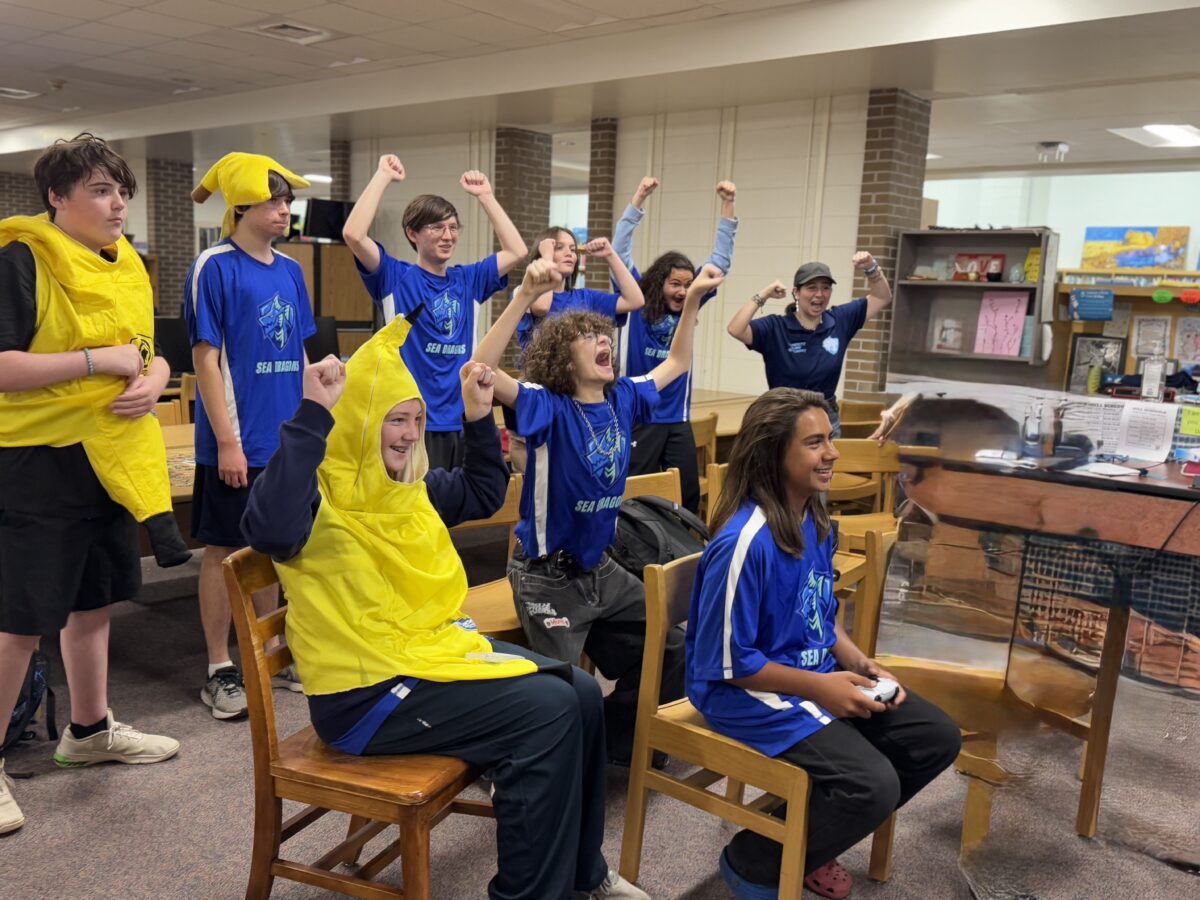
In my early years as a school administrator, I underestimated the importance of play in learning. No one had given me permission to use humor, props, or creativity in professional spaces. Yet, as I grew as a leader, I realized that play and joy are inseparable from deep learning.
However, joy cannot exist without psychological safety. At SEA-Tech, we begin with the conviction that everyone — students, staff, and families — must feel safe before genuine engagement and joy can flourish.
Creating such an environment begins with establishing a shared purpose. As Ron Edmonds, often called the father of the Effective Schools Movement, wrote in 1979, “We can whenever and wherever we choose successfully teach all children whose schooling is of interest to us.”
The challenge, he argued, lies not in ability but in commitment. Too often, children struggle not because of intellectual barriers, but because their basic physical and emotional needs remain unmet. Schools that prioritize emotional safety can unlock extraordinary academic and personal growth.
Founding SEA-Tech High School
When I was appointed principal in 2017, SEA-Tech High School existed only as an idea — a regional career and technical high school serving New Hanover and Pender counties. From its inception, we designed SEA-Tech around inclusivity, relationships, and authentic engagement.
One of our earliest and most distinctive practices was the introduction of home visits. In teams of two, our faculty visits incoming students and their families before the school year begins. These visits help families complete paperwork, ask questions, and feel connected before their child ever walks through the school doors. For students, this early relationship-building provides comfort and familiarity during their first days on campus. Few high schools in our region engage in such outreach, yet it has proven invaluable in fostering trust and belonging.
As a Cooperative Innovative High School, SEA-Tech operates through an application process that draws students from two counties and multiple career pathways. Recruitment, therefore, is not merely logistical — it is relational. Our aim is to identify students’ interests and connect them to programs that ignite their curiosity and future potential. College liaison visits, Career and Technical Education classes, academies, senior seminar, and more, all connect students with careers that ignite the love of learning and instill a sense of confidence.
Read more


Resourcing student success
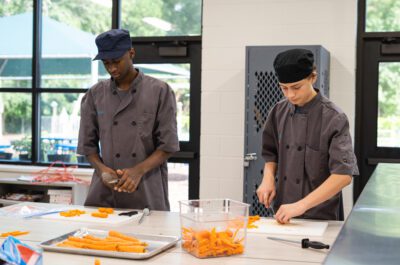
Equity is central to our model. SEA-Tech covers the cost of college coursework and required materials so that all students can fully participate in their chosen pathways. Whether it is a cosmetology kit or professional knives for culinary students, we remove financial barriers to ensure every student can succeed.
Feedback is another cornerstone of our culture. We operate under the belief that “feedback is a gift.” Students and staff regularly engage in reflective conversations about their work and growth. This growth mindset normalizes continuous improvement and builds resilience through trust and respect.
Living our core values
SEA-Tech’s culture is anchored in three core values: exploration, empowerment, and contribution.
- Exploration encourages students to pursue diverse interests, question assumptions, and engage with the world around them.
- Empowerment fosters agency and voice. We want students to lead, whether by advocating for themselves, championing others, or initiating change in their communities.
- Contribution reminds students that learning carries a social responsibility. Every student is expected to complete at least 25 hours of community service each year, reinforcing the idea that education extends beyond self-advancement to collective well-being.
Our staff models these values daily. Each staff meeting begins with celebrations, acknowledging both small victories and major accomplishments. We view celebration as an essential practice, not a luxury, because recognizing progress fuels motivation and joy.
Collaboration also defines our daily practice. Teachers share common planning times, and the entire staff eats together during a single lunch period. This intentional design builds community and encourages the exchange of ideas. Our school regularly welcomes visitors — community leaders, educators, and prospective students — who come to observe how joy and academic rigor coexist in a truly collaborative environment.

Innovation, flexibility, and purpose
Part of sustaining a joyful culture is knowing when and how to adapt. At SEA-Tech, we distinguish between our “nonnegotiables” — safety, respect, and relationships — and the flexible structures that allow us to respond to student needs. When barriers arise, our question is always, “How can we make this work for students rather than against them?”
Individualization is another key component. Students arrive with varying levels of high school credit and different academic goals. We meet each learner where they are, balancing high expectations with empathy. While our community college partners may emphasize completion rates, our focus remains on exploration and discovery; helping students identify passions that can guide them into meaningful careers.
Preparing students for the future also means embracing innovation. Many of the careers our students will pursue do not yet exist. To that end, we integrate emerging technologies and authentic industry experiences into our programs. Our SparkNC Lab, one of the first in the state, provides access to industry-standard tools and software, giving students a head start in fields shaped by rapid technological change.
The power of love in leadership
At the heart of SEA-Tech’s success lies a simple yet profound truth: Love is the foundation of all meaningful education. Love manifests through empathy, patience, curiosity, and high expectations. It is evident in the way teachers greet students, the laughter in classrooms, the trust among colleagues, and the pride families feel in being part of our community.
Infusing love into pedagogy and school culture does not dilute rigor — it deepens it.
— Edith Skipper
When students feel valued and safe, they are more willing to take risks, collaborate, and persist through challenges. Love transforms learning from a task into a shared human experience.
As we continue to grow, SEA-Tech remains committed to leading with love, joy, and purpose. These forces ripple outward — touching not only our students, but also the families and communities they will one day serve.

Recommended reading