
Perspective | The future of school, as told by students
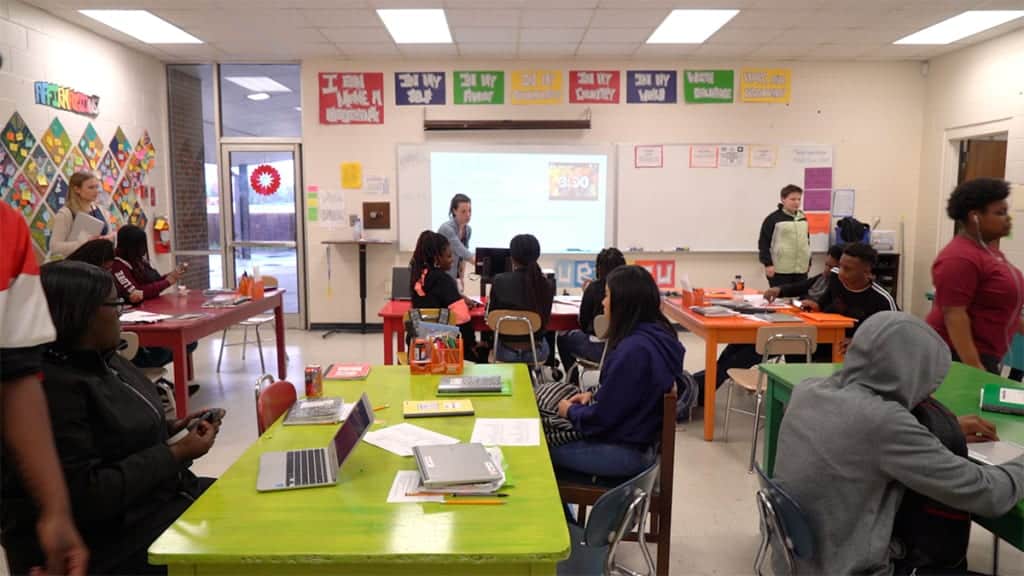
In a matter of days, schooling as we knew it was flipped upside down with COVID-19’s arrival to North Carolina. Students, teachers, administrators, parents, and other school staff were forced to reimagine their entire approach to education. Due to the pandemic, access to high speed internet, school lunches, and the comforts of a vibrant classroom were abruptly halted.
Teach For America Eastern North Carolina and Charlotte-Piedmont Triad teamed up to hear from five student leaders from across the state about their experiences, ideas, and hopes for the future of schooling in North Carolina. Their perspectives are both challenging and inspiring. Hear more from these dynamic leaders below as they describe what worked and what didn’t work in their educational experience thus far.
“We have to bring students to the table and invite the discomfort that comes with facing the ways that we are failing our students. If we don’t, we will never deconstruct the very systems that are perpetuating inequity.”
— Crystal Rountree + Andrew Lakis, Executive Directors, Teach For America
Meet the students
- Anyia: Rising ninth grader in Tarboro, North Carolina
- Blanca: Rising 12th grader in Greensboro, North Carolina
- Eilyn: Rising 12th grader in Charlotte, North Carolina
- Katelyn: Rising 12th grader in Henderson, North Carolina
- Khris: Rising 12th grader in Henderson, North Carolina

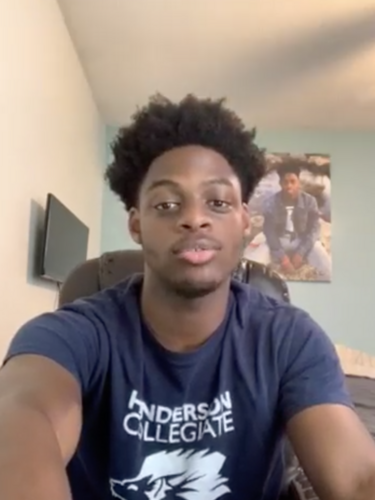
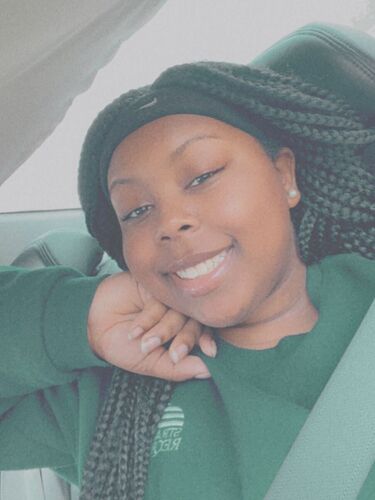
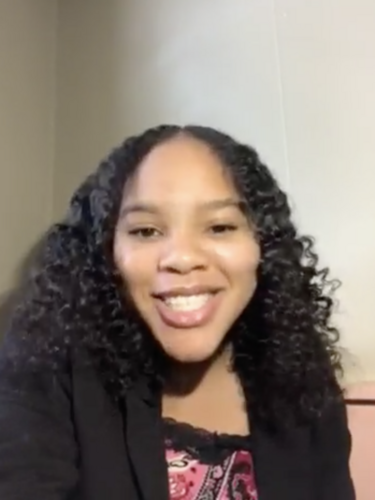
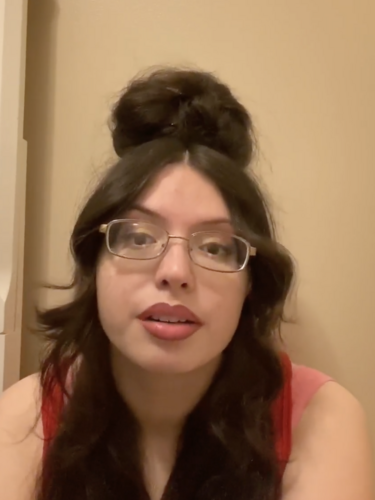
Blanca, a rising 12th grade in Greensboro. Courtesy of Teach for America Khris, a rising 12th grader in Henderson. Courtesy of Teach for America Anyia, a rising ninth grader in Tarboro. Courtesy of Teach for America Katelyn, a rising 12th grader in Henderson. Courtesy of Teach for America Eilyn, a rising 12th grader in Charlotte. Courtesy of Teach for America

What didn’t work well
Time — and more specifically, time management before and during COVID-19 — emerged as a strong theme for what didn’t work for our student leaders. The regular rhythms of a day planned around school were no longer present, blurring the separation between school and home life. The students noticed time constraints in completing assignments even before COVID-19. Not surprisingly, these constraints persisted when schooling went remote.
In her reflections, Blanca mentioned balancing school work and chores at home was challenging. This combined with her sometimes spotty internet connection meant inconsistency in when she was able to log on to school to submit classroom assignments by their due date.
Across the state in Edgecombe County, Anyia felt similarly. “Timed assignments didn’t work well for me. There were a lot of times where I wouldn’t put my all into the work because I felt like I didn’t have the time and had other things to finish,” Anyia says.
What worked well
Each student emphasized the importance of having supportive, encouraging teachers as something. “They helped me a lot with my academics and other school-related projects. It’s really nice knowing you have people who have your back,” Anyia says. Similarly, Eilyn stressed the importance of establishing and maintaining a positive teacher-student relationship. “Having a good connection helped,” she says.
For Blanca, communication was key to maintaining those relationships. She shared that consistent interactions with them, be it through email or other means, worked well for her.
“They helped me a lot with my academics and other school-related projects. It’s really nice knowing you have people who have your back.”
— Aniya
Khris explained that rigorous classes and a heavy academic workload has positioned him to ultimately be successful down the road in college. “My AP classes pushed me to meet deadlines on time,” he says. They also helped sharpen his study habits and time management skills.
For Katelyn, it was a love of learning that helped her grow academically. “I’ve always enjoyed school,” she says. Also, having a “clear standard” set at both home and school has served as an antidote to complacency for Katelyn. This accountability, has helped her achieve her academic goals, she says.
Looking forward
Listening to these five leaders confirmed that students indeed have strong opinions and ideas about their schooling experience. Students’ wisdom and perspective is invaluable. As Crystal Rountree and Andrew Lakis, executive directors for TFA Charlotte-Piedmont Triad and Eastern North Carolina, respectively, wrote in EdNC, if we “can stop and listen and remove the obstacles blocking the vision that our students hold, we might finally deliver on the promise of equity and excellence for all.”
Stay tuned for part two of this series, where we will explore with these same students about what they hope to be true for the future of school.
Editor’s note: This piece was first published by Teach for America. It has been posted with the author’s permission.