
Perspective | Nurturing refugee students in an uncertain political environment
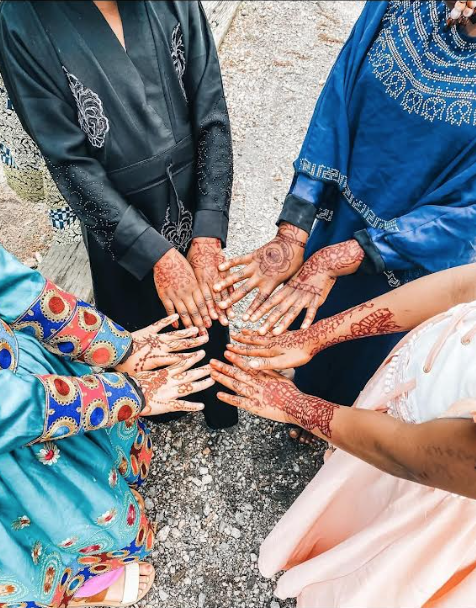
“What can I do?” “How can I support these students when my reach feels so limited?” Across North Carolina, educators are wrestling with these questions as they navigate the responsibility of supporting one of the state’s most vulnerable student populations.
As national discussions over immigration and refugee resettlement heat up, refugee students silently enter our classrooms every morning. Too frequently, their presence is politicized before their experiences are ever heard, even though they carry invisible suitcases full of stories of survival, grief, and resiliency.
 Sign up for the EdWeekly, a Friday roundup of the most important education news of the week.
These students are not political pawns; they are children eager to learn, contribute, and heal. But across North Carolina and beyond, refugee students face barriers that go far beyond language. Too frequently, schools are ill-equipped to meet the needs of students who have endured trauma, dislocation, and years of interrupted education. It is more important than ever for educators to provide inclusive, trauma-responsive support in a culture that encourages fear and exclusion.
Over the past decade, North Carolina has welcomed nearly 20,000 refugee families, positioning the state as one of the nation’s leading refugee resettlement destinations. The disruption of their education is one of the biggest challenges faced by refugee students; this hurdle affects not only their academic development, but also their mental health and long-term stability.
Schools are often the only place where these students can begin to rebuild a sense of safety, identity, and possibility. Yet recent federal policy shifts — like the realignment of the U.S. Refugee Admissions Program and the end of temporary protections for Afghan refugees — have only heightened anxiety and retraumatized many families.
In the face of these challenges, educators must be empowered to support refugee students, even when systemic resources fall short.
Trauma-informed practices
Imagine waking up to an email from the Department of Homeland Security stating you must self-deport within seven days. For some Afghan refugees living in North Carolina’s Triangle, this is not a hypothetical — it’s a terrifying reality. For their children, who have already fled once, the threat of having to uproot again brings renewed fear, instability, and trauma into the school day.
While educators may not be able to change federal immigration policy, they can take meaningful steps to create a sense of safety and consistency in their classrooms. Using trauma-informed practices is one of the best strategies to help refugee students in the classroom. Children of refugees frequently bear the psychological burden of loss, conflict, and displacement. A decrease in academic performance, emotional instability, social disengagement, or trouble focusing are just a few of the ways trauma can manifest.
Educators can be trained to identify trauma symptoms and respond appropriately by putting de-escalation techniques, routines, and constant emotional support into practice. Establishing classroom environments where students may digest their experiences without worrying about criticism or repercussions is just as crucial. In addition to helping refugee children, these initiatives foster a caring environment that benefits the whole school community.
Related reads
Creating a community of caring
While trauma-informed practices are essential, they’re only one piece of the puzzle. Refugee students need more than safety — they need to feel seen, welcomed, and connected. A sense of belonging is just as critical to healing and learning as emotional security. However, many refugee students arrive feeling deeply isolated, not only from their peers, but from the culture, language, and daily rhythms of everyday school life. Today’s political climate contributes to intensified disconnection, making school one of the few consistent places where students seek comfort, familiarity, and stability.
This is where educators can have a transformative impact. Educators can help shift the climate of a classroom and the tone of a school. Inclusive communities don’t require grand gestures — just consistent, intentional acts of recognition and respect. Some examples include: learning to pronounce a student’s name correctly, celebrating cultural traditions, or pairing students with peer mentors. These are simple but powerful ways to show students they matter.
Acknowledging students’ fears and suffering while fostering intentional dialogue can help nurture hope and belief that refugee students can have a more stable, impactful future. When refugee students feel like they belong, they are more likely to engage, take academic risks, and grow in confidence. Spaces that foster a community of caring are transformative to schools and communities, disrupting cycles of isolation and marginalization, and replacing them with connection, trust, and collective belonging.
Partnering with local organizations
As educators are in the trenches every day, they do not have to do this work alone. Schools can provide essential assistance to refugee families by collaborating with local community organizations, cultural liaisons, and refugee resettlement agencies. These collaborations can support families adjusting to a new school system by bridging language hurdles, offering mental health support, and fostering trust.
In North Carolina’s Triangle area, local nonprofit organizations such as Refugee Hope Partners, Church World Service, and United States Committee for Immigrants and Refugees (USCRI North Carolina) offer essential services, ranging from educational support to healthcare and resettlement pathways. These partnerships are particularly critical in today’s political climate, where access to services for refugees may be delayed or disrupted. By collaborating with community organizations, educators can help ensure that refugee students and their families have access to the resources they need to thrive.
Call to action
At a time when fear and division threaten to define public discourse, schools have the power — and the responsibility — to model a different narrative. Refugee students are not defined by their past, but by their hopes, talents, and resilience. Classrooms may become spaces of healing and opportunity when teachers lead with empathy, create strong communities, and collaborate with community organizations.
Educators have an even greater obligation to assist refugee students as the political landscape changes. Though the challenges can feel too great a task, intentional planning and support by caring, informed educators can make a lasting impact in the lives of these students. By implementing trauma-informed practices, creating inclusive classrooms, and leveraging community partnerships, educators can provide refugee students with a lifeline, helping them not only survive, but thrive in their new homes.
In loving memory of Dr. Crystal Chen Lee
(1987-2025)
Behind the Story
The author used ChatGPT for feedback on grammar and flow.