
Perspective | NC COVID-19 Student Response Corps: Strengthening the talent pipeline to public service
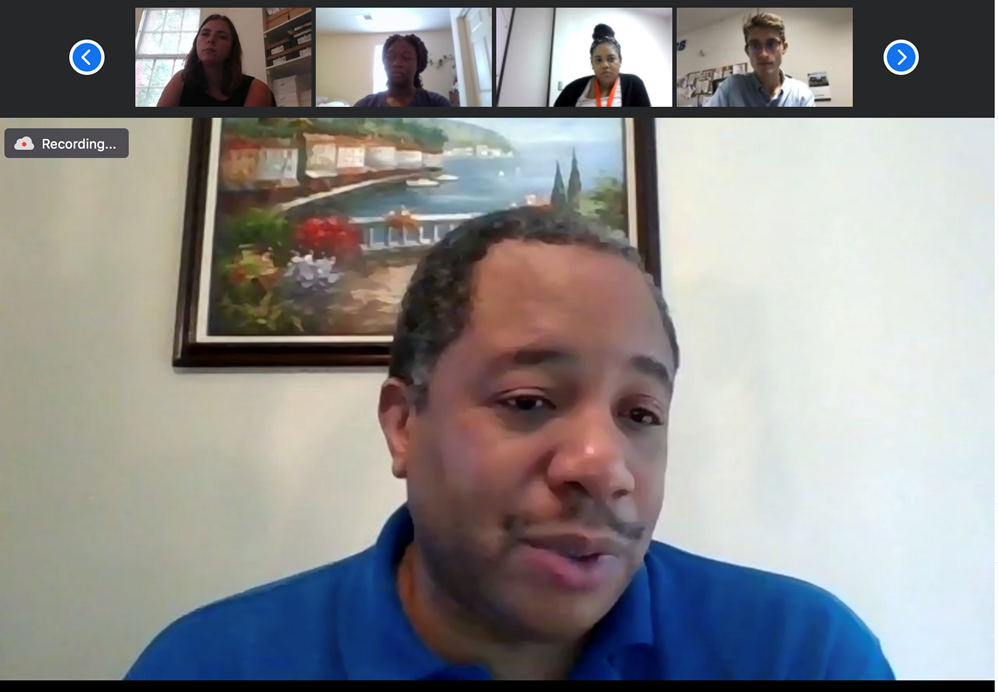
This is the third in a series of articles about the NC COVID-19 Student Response Corps, a cross-sector collaboration led by the NC Office of Strategic Partnerships and Lead for NC in the wake of the massive strain COVID-19 placed on government and nonprofit organizations compounded by jobs and internships lost unexpectedly.
The pandemic has prolonged economic damage and increased community need. Nonprofit organizations and local government have struggled to address new challenges, serve their client base, and manage workloads. The situation resonates with Neha M. Shah, the director and sole full-time staff member leading the Pittsboro-Siler City Convention & Visitors Bureau (CVB). The CVB focuses on advancing Chatham County’s economic health and supports the hospitality and tourism industry, which, like many other industries, underwent a devastating change in business operations due to COVID-19.
Losses from the industry’s shifting practices were projected to top $500 billion nationwide by the end of 2020, resulting in $81 billion lost in federal, state, and local taxes. Revenue loss is particularly challenging for an organization like the CVB, which is funded solely by the 3% occupancy tax paid by county visitors.
“I’m a one-person department with a part-time temp,” notes Shah. “The workload doubled beginning early March as we continued our routine projects and tasks while also providing resources and support to our hospitality and tourism businesses. Recovery will take a long time, for every industry.”
Shah heard about the Response Corps opportunity through an outreach email that the Corps organizers sent to nonprofit and local government organizations. She applied for an intern and was matched with Andrew Gagliano, a college senior. Andrew volunteered remotely during the summer. Andrew, together with Shah and Heather Rubright (CVB part-time temp marketing assistant), completed COVID-19 rapid response work that allowed the CVB to better engage with media leads to bring positive attention and business activity to Chatham County.
“This was a fantastic opportunity to gain professional experience and develop new, marketable skills,” said Gagliano. “It was an absolute pleasure to collaborate with Neha and Heather, and I am glad to have provided assistance during such challenging times.”
Andrew isn’t the only student who gained important experience and insight through the Response Corps, which led to approximately 120 internships in North Carolina organizations. Theresa Paul, Director of Career Services at Western Carolina University, reflected on student insight gleaned through the Response Corps: “Students have noticed how nonprofits are facing additional challenges during this time. In turn, it seems students were able to identify the value and impact they are making within their community when working as an intern at a nonprofit.”
This is exemplified by one of Paul’s students, who worked with an advocacy organization this past summer. The student noted that their work added valuable capacity to the organization, and they learned more about North Carolina’s public sector and are now more likely to consider it as a career path.
This was a common experience across the Response Corps. Susan McCracken, Director of Career Development and Economic Engagement at Appalachian State University, shared how a student’s summer internship ignited a public service interest. The NC COVID-19 Student Response Corps presented a finance student, who would typically intern at an accounting firm, with an opportunity to work in a finance office for Burke County government. This experience was transformative for the student, who is now interested in applying their accounting education in North Carolina nonprofit and local government organizations, an example of how programs such as the Response Corps can create a talent pipeline and connections to public sector employment.
The NC COVID-19 Student Response Corps highlights how the unexpected shift to remote work opened new opportunities for interns and their host organizations. These opportunities included making it possible for students to accept internships without having to temporarily relocate to an organization’s physical site and more flexible internship schedules for students who may have had other school or job commitments.
CVB’s Shah notes: “I am fortunate to have had the opportunity to work with someone who volunteered his time and treated our work as significant, especially during this wildly unusual time when our messaging has shifted and we have become busier … we made it through some rough months with a bright and helpful student.”
Learn more about the NC COVID-19 Response Corps. Partners in the effort include the NC Office of Strategic Partnerships, the UNC School of Government/Lead for NC, the Office of the Governor, Hometown Strong, the NC Association of County Commissioners, NC League of Municipalities, the Rural Center, numerous institutions of higher education and local government and nonprofit organizations from across North Carolina.