The Countdown to College (C2C) is on, and College for North Carolina (CFNC) spent September and October preparing education professionals to help students understand their options.
At eight locations spanning the state, CFNC associate outreach directors, staff from the North Carolina State Education Assistance Authority (NCSEAA) — CFNC’s primary sponsor — and trusted sector and nonprofit partners came together. They spread awareness about college application and financial aid best practices and federal and state updates as part of the kickoff to C2C. The countdown is the state’s yearlong initiative to get students to complete three crucial steps in college enrollment: residency, financial aid, and college applications.
 Sign up for the EdDaily to start each weekday with the top education news.
“It’s always a good overview of the information we share with students,” said Alayna Maness, school counselor at J.H. Rose High School in Greenville. “It’s just good to be in the room with like-minded people going over the issues we run across.”
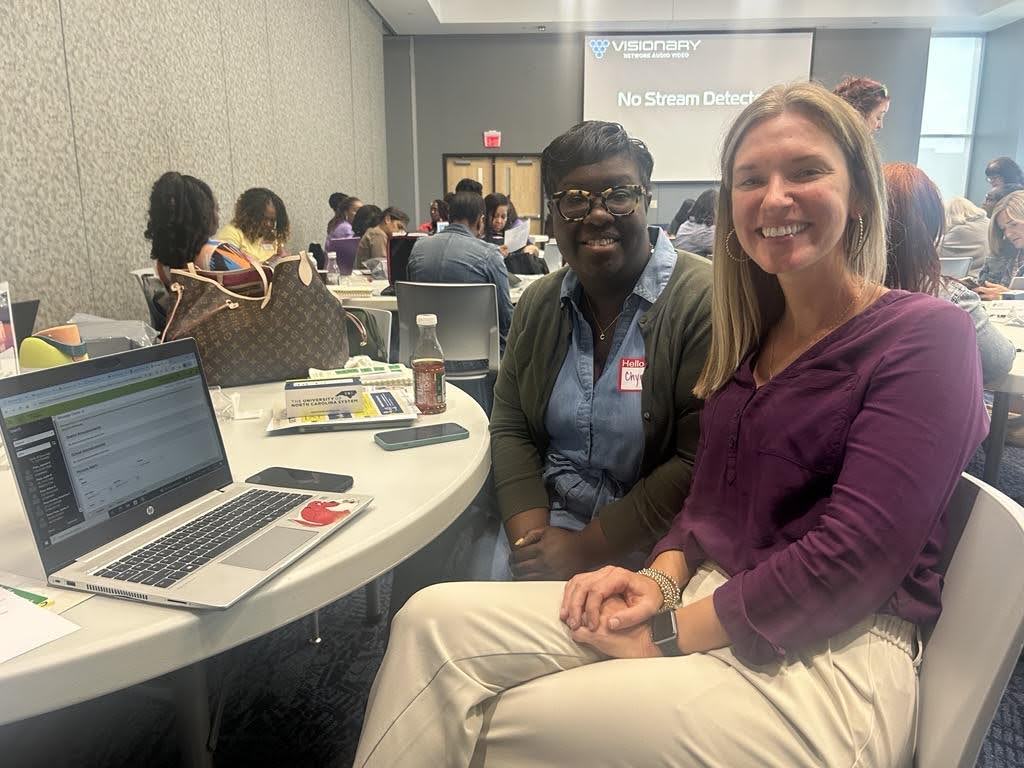
Maness attended CFNC’s regional training in Pitt County. She said during this time of year, she and her colleagues are spending a lot of time talking to students about things like applying to college, financial aid, and residency, so the information at trainings such as these is very timely.
Attendees at the trainings got to hear about a number of state initiatives — such as the state’s direct admissions program NC College Connect — as well as state and federal financial aid updates. The trainings also included more intensive breakout sessions that focused in depth on topics like helping military families and using ProTools data to assist students. The trainings were capped with a panel discussion about the students who need assistance the most: special populations such as unhoused youth, students experiencing foster care, and those from mixed status households.
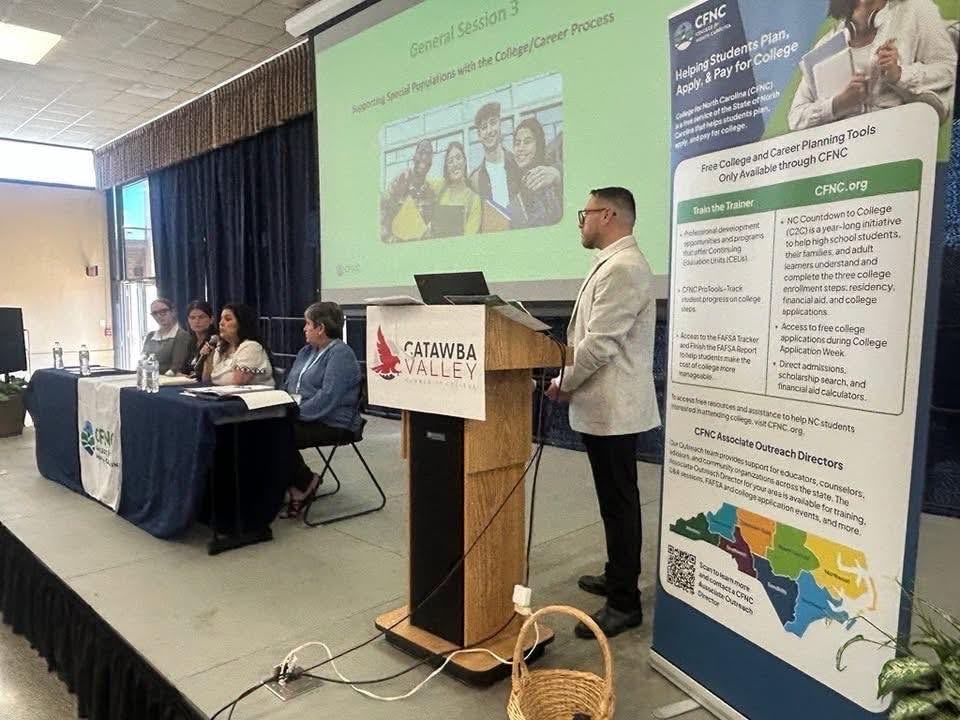
“The regional trainings are designed to equip educators with the essentials to assist their students through the journey of planning for a career, applying, and paying for college,” said Sarita Broadway, CFNC’s associate outreach director for North Central North Carolina.
Some of the important information counselors received was about where things stand with federal financial aid and the form used to apply for it.
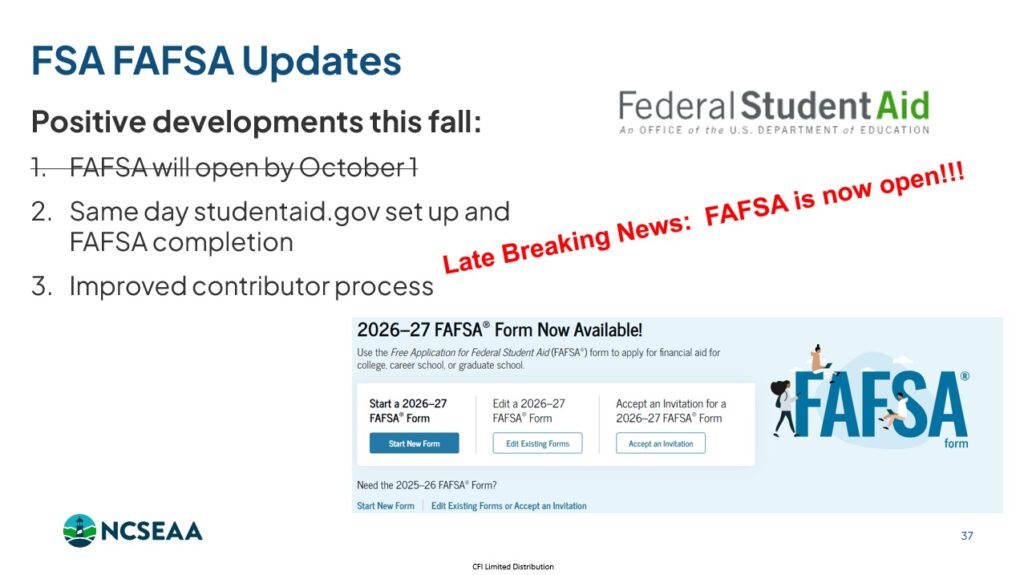
They learned the good news that for the first time in three years, the Free Application for Federal Student Aid (FAFSA) was open during the normal time of year. In fact, while it was set to open Oct. 1, it actually opened a few days early.
Maness said she was encouraged by the information.
“Hopefully we continue to see those (FAFSA completion) numbers rise as we push toward reaching our goal as a district and a state,” she said.
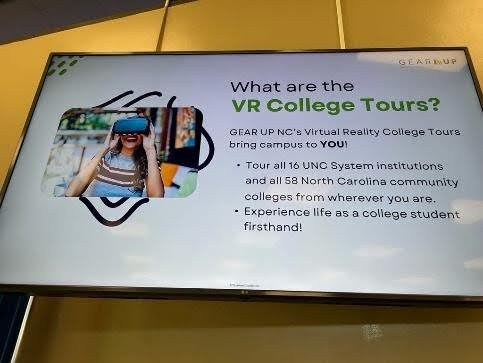
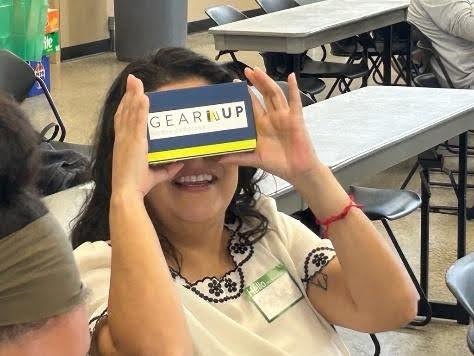
Attendees also got to learn about resources that they may not have encountered before. For instance, through GEAR UP NC, counselors can access virtual reality goggles to use with the virtual tours of state colleges. At the regional trainings, education professionals got a chance to test out the technology themselves.
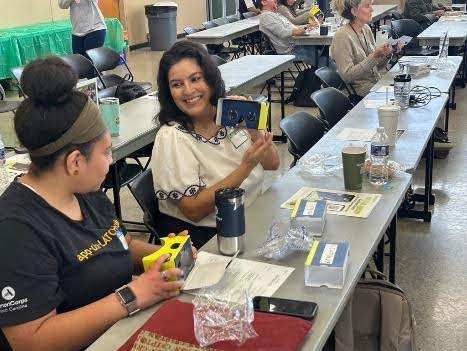
The gatherings are also an opportunity for education professionals to network and compare notes with their peers across the state.
“Partnering with others in your field is key to amplifying the impact education professionals have on students,” said Kathy Hastings, director of outreach and communications at NCSEAA. “A lot of people do college outreach work, but they aren’t always aware of each other. So, the more we can connect people so they can pool resources and knowledge, the more effective we can be.”
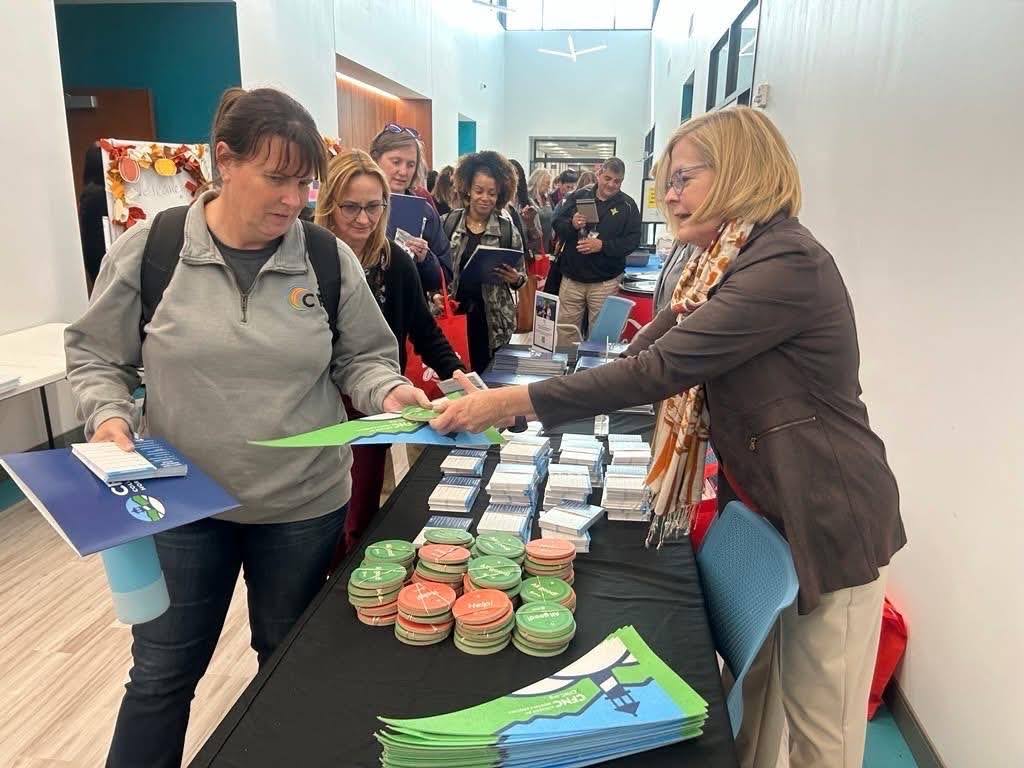
Counselors were also able to pick up C2C materials that they can use throughout the year to help students.
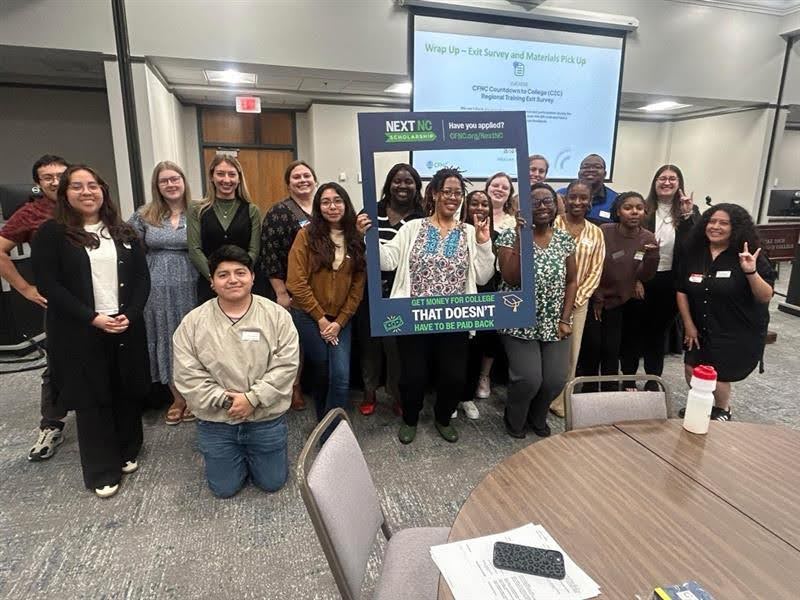
Counselors received full-sized maps that show the location of colleges in North Carolina and a folder full of helpful handouts for students, stickers, and more. And a few lucky individuals at each training won a raffle to receive a Next NC Scholarship branded neon sign and social media frame.
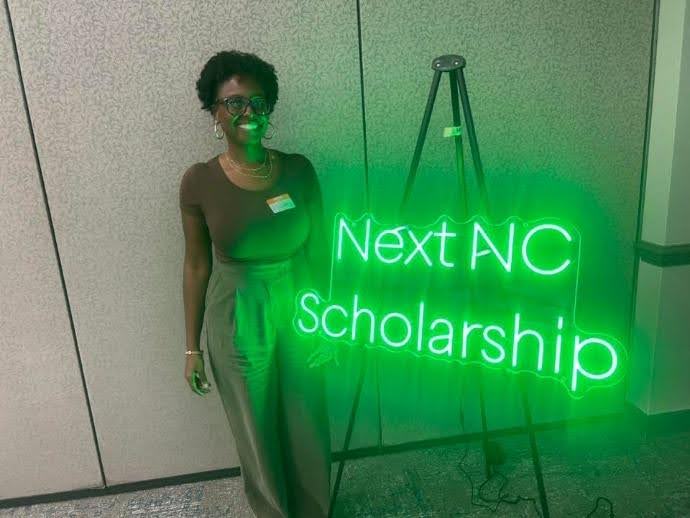
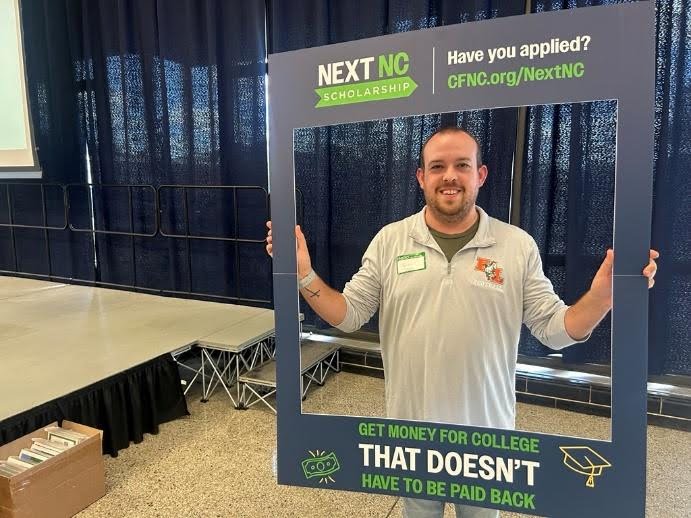
Next NC is the state’s need-based scholarship that guarantees people from most families making $80,000 or less a minimum of $3,000 for community college or $5,000 for a public university per year.
Counselors also heard about the Need-Based Scholarship for students attending private colleges and universities.
Paula Langston-Ware, regional outreach director for CFNC, said promoting the great benefits that North Carolina offers to students is just one of the ways these regional trainings help counselors ensure that every student that wants to go to college can.
“North Carolina offers millions in financial aid to students who want to go to college, and through CFNC, we are continuously providing free information and resources to help the state’s students,” she said. “There are many pathways to success, and we want students to know their options so they can pick the right path for them. CFNC helps students all the way through the process.”
In total, almost 700 people attended the eight regional trainings across the state, representing more than 85,000 of the state’s senior class. In January, CFNC will host another series of regional trainings focused on financial aid and keep true to its mission of promoting higher education and helping students, plan, apply, pay, and save for college.
Recommended reading