Last year I sat in circle with a group of high school students who had spent weeks practicing how to check in with themselves before they checked in on each other. One young person, quiet at first, finally said, “I didn’t know you could feel seen at school.”
That sentence has stayed with me, because it captures what this moment requires from all of us who care about North Carolina’s students: belonging first, then everything else.
At The Resiliency Collaborative (TRC) in Raleigh, we partner with youth to shape thriving communities. That is more than a tagline. It is the way we design, the way we listen, and the way we measure whether our work matters. We create the conditions for young people to be seen, supported, and given the opportunity to lead — and we watch how that ripples through classrooms, families, and neighborhoods.
TRC was born in 2021 as students navigated the dual shock of the COVID-19 pandemic and long-standing inequities that isolate youth and limit access to resources. We began as both a safe space and a catalyst; a place where young people could strengthen their voice, resilience, and leadership while schools and families rebuilt routines and support systems.
Today our mission is simple to say and demanding to practice every day: to empower youth to shape a stronger and more connected community through education, leadership, and resilience. That clarity keeps us focused on what helps students thrive now, and what builds the community we all want to live in 10 years from now.
 Sign up for the EdWeekly, a Friday roundup of the most important education news of the week.
Belonging during back-to-school
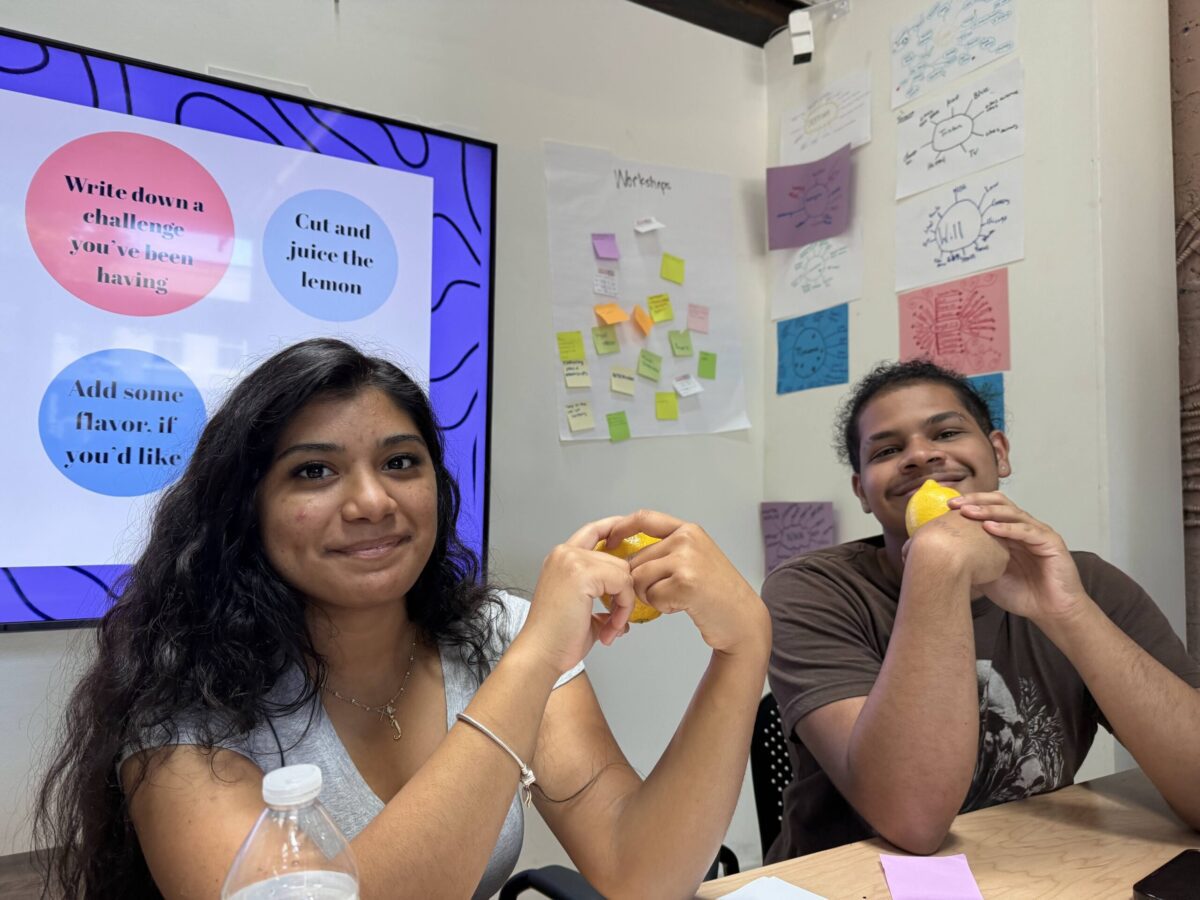
What does that look like during the back-to-school season? For us, it means three intertwined lanes of support. First, we center mental health with safe spaces, in-house therapy blocks, peer-supported groups like HOPE Seekers, and wellness education that normalizes asking for help. Second, we sustain academic support that builds confidence and problem-solving, not just grades. Third, we grow leadership through mentorship, service, and youth-driven projects tied to real issues students care about. When those lanes move together, young people gain tools for life, not just a semester.
HOPE Seekers is a good example. It combines evidence-informed practices like cognitive behavioral strategies and restorative approaches with a peer model that puts youth voice at the center. Students learn to name emotions, practice regulation, and then connect that inner work to outward purpose through service and advocacy. The goal is not to make perfect kids. The goal is to strengthen communities by strengthening the people who will lead them.
Belonging is not a soft outcome for us. It is a leading indicator for everything schools and families want: attendance, persistence, and hope about the future. When a student experiences being seen and taken seriously, academics become possible again. That is why we start with care and connection and add structure, expectations, and real responsibilities.
We champion youth leadership by guiding young people to embrace both power within themselves and power with their communities. Through mentorship, service, and advocacy, they discover their voice and practice it in public.
Our values shape how we do this work. Curiosity and creativity keep us trying new approaches with students rather than forcing them into old boxes. Authenticity allows us to tell the truth about both strengths and barriers. Ubuntu reminds us that “I am, because you are,” so we design for connection and interdependence. Shared leadership means youth are not an audience — they are co-creators in decisions that affect them. And empowerment is our daily test: Did we expand fair access to tools, resources, and opportunities, or did we just describe the need again?
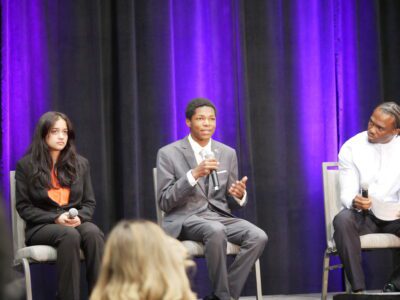
Language matters too. At TRC, we avoid words that reduce youth to problems to be solved. We speak about youth leaders and participants, about historically under-invested communities and families we collaborate with, because words signal who we think has agency. When we say partnering with youth, we mean it. Students help design sessions, lead circles, and co-present to adults. It takes more time and a different kind of patience, but it grows the skills and confidence young people need for college, career, and civic participation.
Three invitations
As schools settle into fall routines, I have three invitations for district leaders, educators, and community partners across North Carolina.
First, treat mental-wellness supports as foundational infrastructure, not an add-on. Create predictable times and places where students can access counseling and peer groups without stigma, and measure belonging alongside more traditional indicators. Pair that with classroom practices that invite students to reflect, name emotions, and connect learning to purpose.
Second, expand real leadership roles for young people. Mentorship, service, and youth-driven projects are not extras. They are how students practice decision-making and build the social capital that opens doors. If you want to improve climate and culture, let students help design solutions and present them to adults who can act.
Third, align your language and your systems. If your words honor youth agency, your schedules, rooms, and budgets should honor it too. That means making space for student voice in planning and feedback, compensating youth for substantive contributions, and celebrating the small wins that build momentum.
This is hopeful work. When young people are seen, supported, and given the opportunity to lead, they transform their own lives and strengthen families and communities for generations. In my experience, adults transform too. We become better listeners, clearer communicators, and braver about giving responsibility away. That is what a thriving community asks of us.
As an organization, we will keep learning alongside our students and partners. We will keep building spaces where youth can heal, grow, and lead, and we will keep inviting adults to join them. If you are a school leader looking for practical models you can implement this semester, we would love to partner. If you are a parent or caregiver, know that your insight is essential. And if you are a student, your voice matters here.
Behind the Story
The author used ChatGPT to help with sentence structure, tone, and flow in the article.


Recommended reading